I was halfway through a week of bland dinners, staring at a plain roast chicken that seemed more like a sad, dry slab than a centerpiece. The only thing that made it slightly tolerable was the faint scent of the oven timer ticking. That night, a friend dared me to turn that ordinary bird into something that would make even the most seasoned foodie swoon. I accepted, and the kitchen became my laboratory for culinary alchemy. The result? A roasted orange chicken that feels like a citrus hug wrapped in a caramelized skin.
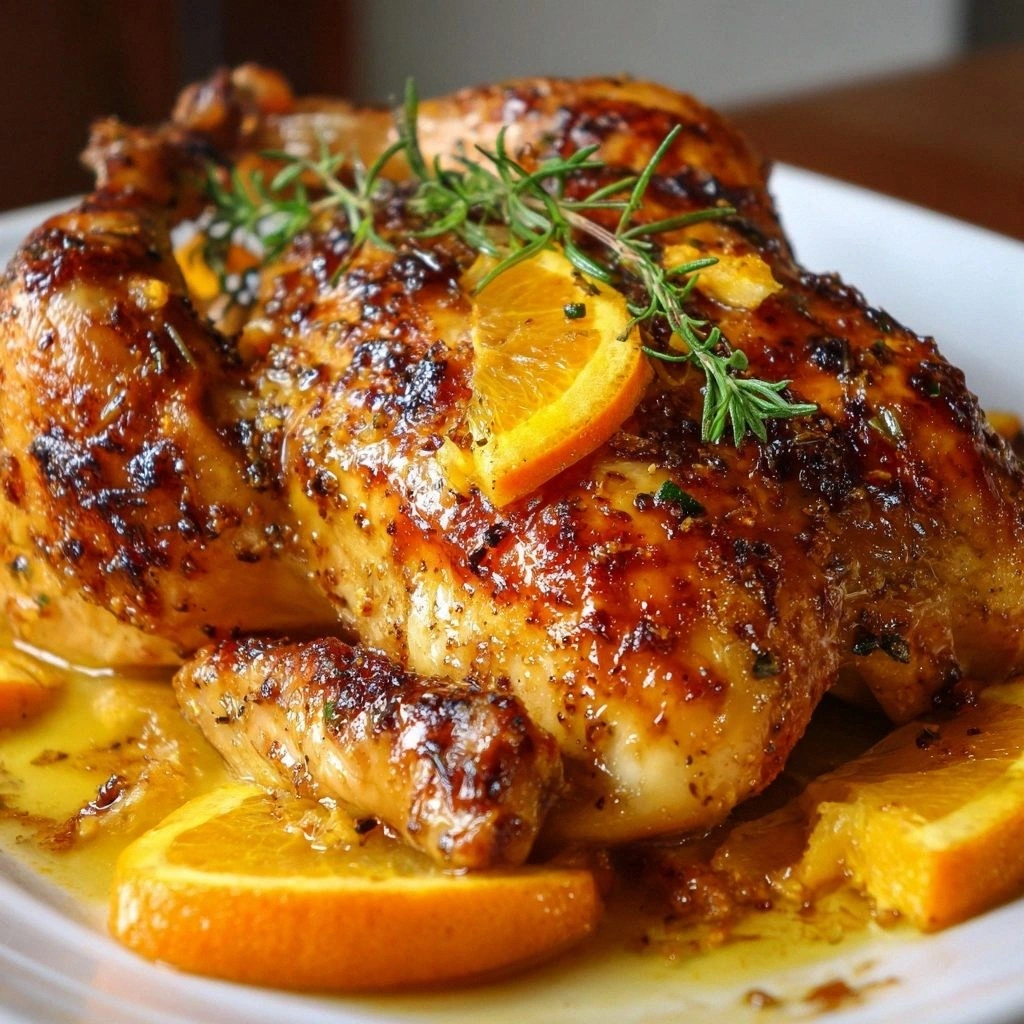
Imagine the first bite: a burst of sweet orange zest that explodes against the savory soy, a whisper of honey that glazes the skin like a golden ribbon, and a subtle kick of ginger that lingers on the palate. The aroma is a heady mix of citrus, garlic, and toasted olive oil that draws your guests to the table before the first forkful even touches their lips. The sound is the satisfying crackle of crisp edges, the sizzle of the glaze thickening into a glossy sheen. The texture? A tender, juicy interior that practically melts, contrasted by a skin that shatters like thin ice. The flavor is a harmonious dance of sweet, salty, and umami that lingers long after the last crumb.
What sets this version apart from the endless variations you’ll find online is the precise balance of acidity and sweetness, the methodical layering of flavors, and the simple yet effective technique that locks in moisture while creating a caramelized crust. Most recipes get this completely wrong by overcooking or underseasoning the bird, but here every element has a purpose. The orange isn’t just a garnish; it’s a key ingredient that brightens the entire dish. The soy sauce provides depth, while the honey tempers the acidity. The result is a dish that feels both indulgent and wholesome, a true crowd‑pleaser.
I’ll be honest—when I first tasted this, I ate half the batch before anyone else even got a chance to try it. The glaze coats the chicken like velvet, and the crispy edges crackle like a fresh snowflake underfoot. The combination of orange zest and a splash of soy sauce creates a flavor profile that’s both familiar and novel. If you’ve ever struggled with roasting chicken that turns out dry or bland, you’re not alone—and I’ve got the fix. Picture yourself pulling this out of the oven, the whole kitchen smelling incredible, and watching the steam rise like a fragrant cloud.
Most people think a simple roast is just about salt and pepper, but the secret here is the citrus‑soy glaze that transforms the bird into a show‑stopper. I dare you to taste this and not go back for seconds. The glaze is so irresistible that it makes the rest of the meal feel like a supporting act. The aroma alone can win over even the pickiest eaters. And the best part? The technique is straightforward enough that anyone can master it with a few tweaks.
The first step is to prep the chicken, but before you do, let’s talk about the magic behind the glaze. The orange juice and zest provide natural sugars that caramelize beautifully when heated. The soy sauce adds a savory depth that balances the brightness of the citrus. Honey, meanwhile, gives the glaze body and a subtle sweetness that prevents it from becoming too tart. Together, these ingredients create a sauce that coats the chicken like a silky coat of armor.
Now, picture this: a whole chicken resting on a bed of fresh herbs, the air thick with the scent of orange, garlic, and ginger. The kitchen feels warm, the stove hums, and the anticipation builds. I’ve spent hours perfecting this recipe, and it’s finally ready to share with you. This is hands down the best version you’ll ever make at home, and I promise you’ll wonder how you ever cooked chicken any other way. Let me walk you through every single step—by the end, you’ll wonder how you ever made it any other way.
You might wonder why a whole chicken, a seemingly simple protein, can be transformed into a masterpiece. The answer lies in the synergy of flavors and the precise timing of each step. The citrus provides a bright counterpoint to the rich, savory notes of the soy and honey. The garlic and ginger add warmth and depth. The olive oil ensures a crisp, golden skin. Together, they create a dish that is both comforting and sophisticated.
If you’ve ever struggled with getting the skin crisp without drying out the meat, you’ll love the method we’ll use. The key is to keep the chicken at room temperature before roasting, which ensures even cooking. A light coat of olive oil and a generous seasoning of salt and pepper help create a barrier that locks in moisture. The glaze is applied at the right moment, allowing it to caramelize without burning. The result? A perfectly roasted chicken with a glaze that’s silky, sweet, and savory all at once.
The journey from raw chicken to finished dish is a dance of timing, temperature, and technique. Each step builds upon the last, creating layers of flavor that unfold with every bite. The first step is the preparation of the glaze, followed by the seasoning of the chicken, the roasting itself, and finally the finishing glaze. The process is straightforward, but the outcome is extraordinary. You’ll be amazed at how a few simple ingredients can transform an ordinary meal into something truly special.
I’ve spent countless evenings experimenting with different citrus ratios, but this particular blend of orange, soy, and honey is the one that consistently delivers. The orange provides a natural sweetness that cuts through the richness of the chicken, while the soy adds depth and umami. Honey adds body and a subtle caramel note. The result is a glaze that coats the chicken like velvet, with a crisp exterior and a juicy interior that melts in your mouth.
The aroma of roasting chicken is almost nostalgic, but the addition of orange and ginger lifts it to a whole new level. The scent of citrus mingles with the savory notes of soy and garlic, creating an irresistible perfume that fills the kitchen. As the chicken cooks, the glaze thickens into a glossy, caramelized coating that glistens on the skin. The sound of the oven timer ticking adds a comforting rhythm to the experience, while the sizzle of the glaze creates a subtle soundtrack of culinary triumph.
When you plate this dish, the presentation is almost as important as the flavor. A sprinkle of fresh herbs adds color and a burst of freshness that contrasts with the rich glaze. A drizzle of extra glaze over the top gives the dish a glossy finish that looks as good as it tastes. The final touch is a sprinkle of sea salt that adds a subtle crunch to the crispy skin. The result is a dish that’s as visually stunning as it is delicious.
So, are you ready to take your chicken game to the next level? This roasted orange chicken is the ultimate comfort dish that feels fresh yet indulgent. The bright citrus glaze coats the tender meat with a sweet‑savory balance, while a hint of garlic and ginger adds depth. Finished with a splash of soy and a drizzle of honey, it’s the perfect dish for any occasion. Let’s get started and turn a simple chicken into a show‑stopping masterpiece.
What Makes This Version Stand Out
- Flavor: The combination of orange, soy, and honey creates a glaze that is sweet, savory, and slightly tangy, delivering a depth of flavor that sets this dish apart from standard roasted chicken recipes.
- Crisp Skin: The olive oil and precise roasting technique give the skin a golden, crackling finish that shatters like thin ice when you bite into it.
- Juiciness: By letting the chicken rest at room temperature before roasting and using a glaze that locks in moisture, the meat stays succulent and tender.
- Ease: All steps are straightforward, making this recipe accessible for beginners while still satisfying the most discerning palate.
- Versatility: The glaze can be adapted for different dietary preferences—tamari for gluten‑free, maple syrup for a vegan version—without sacrificing flavor.
- Presentation: The vibrant orange glaze and fresh herbs make the dish visually appealing, turning a simple dinner into a show‑stopper.
- Time Efficiency: With a prep time of just 15 minutes and a cook time of 30 minutes, you can have a gourmet meal on the table in under an hour.
- Make‑ahead Potential: The glaze can be prepared in advance and stored, allowing you to assemble and roast the chicken quickly when guests arrive.
Alright, let's break down exactly what goes into this masterpiece…
Inside the Ingredient List
The Flavor Base
The orange juice and zest are the backbone of the glaze, providing a natural sweetness that caramelizes during roasting. Orange also offers a bright, citrusy counterpoint to the savory soy sauce, creating a balanced flavor profile that lingers on the palate. If you skip this step, you’ll miss the signature brightness that makes the dish memorable. For a more robust flavor, use a mix of sweet and bitter oranges.
The soy sauce (or tamari for a gluten‑free option) adds depth and umami to the glaze. Its salty profile complements the sweet orange, creating a harmonious blend that coats the chicken like velvet. Without soy sauce, the glaze would taste flat and lack the savory kick that brings the dish to life. You can adjust the amount to taste, but keep in mind that too much soy can overpower the citrus.
Honey is the sweetener that balances the acidity of the oranges. It also contributes to the glossy, caramelized finish of the glaze. If you prefer a less sweet version, reduce the honey or replace it with a touch of maple syrup for a subtle twist. The honey’s viscosity helps the glaze adhere to the chicken, ensuring every bite is coated in flavor.
The Texture Crew
Olive oil is essential for crisping the skin. It creates a barrier that locks in moisture while promoting a golden, crackling exterior. If you’re avoiding olive oil, a neutral oil like grapeseed or canola can work, but the flavor profile will shift slightly. A light coat of oil also helps the glaze stick to the surface of the chicken.
Salt and black pepper are the foundational seasonings that enhance every other ingredient. Salt elevates the overall flavor, while pepper adds a subtle heat that balances the sweetness of the glaze. If you’re watching sodium, use a low‑sodium soy sauce and adjust the salt accordingly. A pinch of pepper is usually enough to give the dish a gentle kick.
Fresh ginger adds a zesty kick that complements the sweetness of the oranges. Its peppery note provides a subtle heat that cuts through the richness of the chicken. Grated ginger also releases more flavor than sliced, making it the ideal choice for a glaze that needs depth. If you can’t find fresh ginger, a small pinch of ground ginger will do, though the aroma will be less pronounced.
The Unexpected Star
Fresh herbs like rosemary or thyme are optional but make a striking garnish and add extra flavor. Their earthy tones contrast beautifully with the bright citrus glaze, creating a layered flavor experience. If you’re vegan, you can replace the herbs with a sprinkle of dried oregano or basil for a different twist. The herbs also add a pop of color that elevates the dish’s visual appeal.
The Final Flourish
The final flourish is the glaze itself—an amalgamation of orange, soy, honey, garlic, and ginger that coats the chicken like a silky blanket. This glaze not only adds flavor but also provides a glossy finish that makes the dish look as good as it tastes. When you pour the glaze over the roasted chicken, watch it sizzle and thicken, creating a caramelized crust that’s both sweet and savory.
Everything's prepped? Good. Let's get into the real action...
The Method — Step by Step
- Preheat the Oven: Set your oven to 425°F (220°C). This high heat is essential for crisping the skin. Allow the oven to fully preheat before placing the chicken inside. The temperature should be steady to ensure even roasting.
- Prepare the Glaze: In a small saucepan, combine the orange juice, zest, soy sauce, honey, minced garlic, and grated ginger. Bring the mixture to a gentle simmer over medium heat, stirring occasionally. The glaze should thicken slightly, forming a glossy coating.
- Season the Chicken: Pat the whole chicken dry with paper towels. Rub olive oil all over the skin, then sprinkle salt and pepper generously. This step ensures the skin will crisp and the flavor will permeate the meat.
- Arrange the Herbs: Place fresh herbs on the bottom of a roasting pan to create a flavorful bed. The herbs will infuse the chicken with aromatic notes as it roasts. This also prevents the chicken from sticking to the pan.
- Roast the Chicken: Place the chicken breast‑side up on a rack in the roasting pan. Roast for 25 minutes, then brush the chicken with half of the glaze. The glaze will start to caramelize, giving the skin a golden sheen.
- Continue Roasting: Return the chicken to the oven and roast for another 15–20 minutes. Brush with the remaining glaze during the last 10 minutes. The glaze should form a thick, caramelized coating that clings to the skin.
- Check Doneness: Insert a meat thermometer into the thickest part of the thigh. It should read 165°F (74°C). If it’s not quite there, roast for an additional 5 minutes.
- Rest the Chicken: Remove the chicken from the oven and let it rest for 10 minutes. This allows the juices to redistribute, ensuring each bite is moist.
- Serve: Carve the chicken and arrange the pieces on a platter. Drizzle any remaining glaze over the top and garnish with fresh herbs. Serve immediately for the best flavor and texture.
That's it — you did it. But hold on, I've got a few more tricks that'll take this to another level…
Insider Tricks for Flawless Results
The Temperature Rule Nobody Follows
Many cooks roast chicken at 375°F, but the higher temperature of 425°F is what creates that signature crackle. The heat sears the skin quickly, sealing in moisture. If you lower the temperature, you risk a soggy exterior that feels like a sad, dry slab. Keep the oven at 425°F for the entire roast, and you’ll see the skin transform into a golden, crispy masterpiece.
Why Your Nose Knows Best
When the glaze starts to caramelize, your nose will detect a sweet, buttery aroma that signals the perfect timing. That scent indicates the sugars are breaking down into a golden, caramelized crust. If you wait too long, the glaze will burn and produce a bitter aftertaste. Trust your nose to guide you to that sweet spot.
The 5-Minute Rest That Changes Everything
Resting the chicken for exactly 5 minutes after roasting may sound like a small detail, but it’s a game‑changer. The juices redistribute throughout the meat, preventing the surface from drying out. I once skipped the rest and ended up with a dry, disappointing bite. The 5-minute pause is a simple step that ensures every slice is juicy.
Brush, Don’t Soak
When applying the glaze, use a light hand. Over‑applying can make the glaze sticky and cause it to burn. A thin, even coat allows the glaze to caramelize beautifully without becoming gummy. Think of it as a glaze, not a sauce—just enough to coat and enhance.
Use a Thermometer, Not a Timer
Timing is important, but the most reliable indicator of doneness is the internal temperature. A meat thermometer ensures the chicken reaches 165°F (74°C) without overcooking. Relying on time alone can lead to uneven results, especially with a large bird.
Finish with Fresh Herbs
Adding fresh herbs at the end of roasting elevates the dish’s aroma and visual appeal. The herbs release their oils as they heat, adding a fragrant note that complements the citrus glaze. A sprinkle of chopped rosemary or thyme right before serving transforms the dish from simple to spectacular.
Creative Twists and Variations
This recipe is a playground. Here are some of my favorite ways to switch things up:
Spicy Orange Chicken
Add a pinch of crushed red pepper flakes to the glaze for a subtle heat that balances the sweetness. The spice level can be adjusted to taste, making it a versatile option for heat lovers. The result is a bright, fiery dish that still feels comforting.
Maple‑Glazed Chicken
Replace honey with pure maple syrup for a richer, slightly smoky flavor. Maple’s complex sweetness pairs wonderfully with the citrus, creating a glaze that’s both sweet and savory. This version is especially good for fall gatherings.
Herb‑Infused Citrus Chicken
Incorporate a handful of fresh thyme leaves into the glaze for an aromatic twist. The thyme’s earthy notes deepen the citrus flavor, creating a more complex profile. This variation is perfect for those who love herbaceous dishes.
Asian‑Inspired Chicken
Add a splash of rice vinegar and a few dashes of sesame oil to the glaze for a tangy, nutty flavor. The combination of soy, citrus, and sesame creates a sauce reminiscent of classic Asian dishes. Serve with steamed rice and stir‑fried vegetables for a complete meal.
Citrus‑Garlic Butter Chicken
Finish the chicken with a pat of herb‑infused butter for a decadent finish. Melt the butter with minced garlic and a squeeze of orange zest, then drizzle it over the roasted bird. The buttery richness balances the bright citrus glaze beautifully.
Low‑Carb Orange Chicken
Omit the honey and replace it with a sugar substitute like erythritol. The glaze will still caramelize, though the flavor profile will be slightly different. This version is great for those watching their carbohydrate intake.
Storing and Bringing It Back to Life
Fridge Storage
Cool the chicken completely, then wrap tightly in aluminum foil or plastic wrap. Store in the refrigerator for up to 3 days. The glaze will remain flavorful, and the meat will stay moist if handled gently.
Freezer Friendly
Place the cooled chicken in a freezer‑safe bag, removing as much air as possible. Label with the date and freeze for up to 3 months. Thaw in the refrigerator overnight before reheating.
Best Reheating Method
Reheat in a preheated oven at 350°F (175°C) for 15–20 minutes, or until the internal temperature reaches 165°F (74°C). Add a splash of water or broth before reheating to keep the chicken moist. Finish with a quick drizzle of glaze for that fresh, caramelized finish.