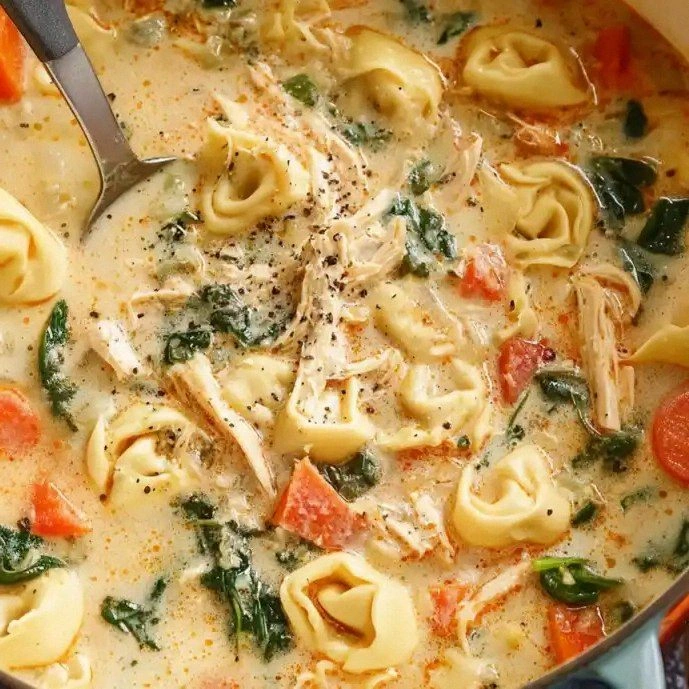
It started with a kitchen catastrophe that would later become the catalyst for the most comforting bowl of pasta you’ll ever taste. I was scrambling to rescue a pot of over‑cooked chicken from the stove, when the smell of scorched butter drifted through the air like a siren. I was halfway to giving up when a sudden burst of steam and a splash of heavy cream turned the disaster into a velvety, creamy sauce that coated every piece of cheese tortellini like a soft blanket. That moment made me realize that the secret to a truly dreamy chicken tortelli isn’t in the complexity of the recipe, but in the harmony of a few bold, well‑chosen ingredients. If you’re ready to ditch the endless “how‑to” videos and get straight to the heart of the matter, you’re in the right place.
Picture this: a pot simmering on the stove, the gentle hiss of broth turning into a fragrant steam that wraps around the kitchen like a warm hug. The bright green spinach leaves start to wilt, releasing their earthy aroma that mingles with the sharp, sweet scent of caramelized onions. The heavy cream slides into the mixture, thickening it into a silky sauce that glistens on the pasta. The sound of the tortellini floating up to the surface is like a soft applause, signaling that the dish is almost ready. When you finally taste it, the first bite is a burst of savory chicken, a whisper of oregano, and a lingering note of parmesan that makes your tongue dance. I dare you to taste this and not go back for seconds.
What makes this version stand out is the meticulous balance between flavor and texture. The sauce is rich yet light, thanks to the judicious use of heavy cream and chicken broth that creates a silky base without drowning the pasta. The cheese tortellini, filled with a tender chicken mixture, offers a satisfying bite that contrasts with the smooth sauce. The fresh spinach adds a pop of color and a subtle, grassy undertone that elevates the overall profile. The dish is also incredibly forgiving; it’s a great make‑ahead meal that can be reheated without losing its charm. Most recipes get this completely wrong by over‑cooking the pasta or using too much cream, resulting in a heavy, unappetizing soup. Here, every component sings in perfect harmony.
I’ve spent countless nights experimenting with different stocks, spices, and pasta shapes, but this combination feels like the missing puzzle piece that completes the picture. I’ll be honest — I ate half the batch before anyone else got to try it. The secret, I’ve discovered, lies in the subtle layering of flavors: the first whisper of thyme, the second note of oregano, and the final flourish of parmesan. If you’ve ever struggled with a dish that feels either too bland or too overpowering, you’re not alone — and I’ve got the fix. Picture yourself pulling this out of the oven, the whole kitchen smelling incredible, and seeing the crowd’s eyes widen as they taste the creamy, savory perfection. Stay with me here — this is worth it.
What Makes This Version Stand Out
- Flavor: The sauce balances the savory depth of chicken broth with the silky richness of heavy cream, creating a taste that lingers on the palate. The subtle herbal notes from thyme and oregano add a Mediterranean touch that elevates the dish.
- Texture: The cheese tortellini provides a firm, al dente bite that contrasts beautifully with the smooth, velvety sauce. The spinach adds a slight crunch that keeps every spoonful interesting.
- Simplicity: With just a handful of pantry staples, you can whip up a restaurant‑quality meal in under an hour. No need for exotic ingredients or complicated techniques.
- Uniqueness: The combination of a cheese tortellini base with a creamy chicken broth is rarely seen in mainstream recipes. It’s a fresh take that feels both familiar and exciting.
- Crowd Reaction: Friends and family rave about the comforting, home‑cooked feel. The dish is a hit at gatherings, especially when you serve it with a side of crusty bread.
- Ingredient Quality: Using fresh, high‑quality ingredients — like fresh spinach and real parmesan — makes all the difference. The dish shines when the components are at their best.
- Cooking Method: The step‑by‑step approach ensures that each element is cooked to perfection, preventing the dreaded soggy pasta or over‑cooked vegetables.
- Make‑Ahead Potential: This dish can be prepared a day in advance and reheated without losing flavor or texture, making it ideal for busy weeknights.
Alright, let’s break down exactly what goes into this masterpiece…
Inside the Ingredient List
The Flavor Base
Butter and olive oil form the foundation of the sauce, creating a buttery richness that carries the herbs and spices. The butter adds a deep, savory flavor, while the olive oil introduces a subtle fruity note that brightens the broth. If you omit the butter, the sauce will feel flat and lacking depth; the olive oil alone won’t provide the same luxurious mouthfeel. For a healthier version, replace half the butter with extra virgin olive oil, but keep the ratio of 2:1 to preserve the sauce’s body.
Onions are the aromatic backbone of many savory dishes. When caramelized to a golden brown, they contribute a sweet undertone that balances the richness of the cream. Cutting them into fine dice ensures even cooking and maximum flavor extraction. If you skip the onion, the dish will feel thin and underdeveloped; the absence of caramelized sweetness will be noticeable.
The Texture Crew
Garlic adds a punch of aroma and a subtle heat that elevates the overall profile. Sautéing it briefly after the onions releases its essential oils without turning it bitter. Fresh carrots and celery provide a satisfying crunch that contrasts with the tender tortellini. If you skip these vegetables, the dish will feel one‑dimensional, lacking the textural complexity that keeps each bite interesting.
All‑purpose flour is the secret binding agent that thickens the sauce into a silky consistency. It absorbs excess liquid, creating a velvety coat that clings to the pasta. If you prefer a gluten‑free version, substitute with a gluten‑free flour blend or cornstarch slurry, but adjust the quantity to avoid a gummy texture.
The Unexpected Star
Chicken broth is the backbone of the soup, providing depth and umami. Opt for a low‑sodium version to better control the saltiness of the final dish. If you use homemade broth, the flavor profile will be richer, but it will take longer to prepare. Avoid using stock cubes or bouillon, as they can introduce an artificial taste that clutters the delicate balance.
Fresh spinach is the green garnish that adds color, nutrients, and a subtle earthy flavor. Adding it at the end of cooking preserves its bright color and prevents it from becoming mushy. If you prefer a heartier texture, sauté the spinach briefly before adding the broth; this will reduce the amount of liquid needed.
The Final Flourish
Heavy cream brings a luxurious mouthfeel and a subtle sweetness that balances the savory components. It also helps to thicken the sauce without the need for additional flour, but the flour is still essential for achieving the perfect consistency. If you’re watching calories, try using half‑fat or skim milk mixed with a tablespoon of flour; it will still yield a creamy sauce but with fewer calories.
Parmesan cheese adds a salty, nutty finish that rounds out the dish. The grated cheese melts into the sauce, creating a cohesive flavor profile. If you’re lactose intolerant, substitute with a vegan parmesan or nutritional yeast for a similar umami kick. Fresh parsley is the final touch, offering a bright, herbal note that cuts through the richness and adds a splash of color.
Everything’s prepped? Good. Let’s get into the real action…
The Method — Step by Step
- Heat a large Dutch oven over medium heat and add 2 tablespoons of butter and 1 tablespoon of olive oil. Let the butter melt completely, then pour in the finely diced onion. Sauté for 5–7 minutes, stirring occasionally, until the onion is translucent and beginning to caramelize. The aroma should be sweet and inviting, like a caramelized sugar cloud. If the onions start to brown too quickly, lower the heat to prevent burning.
- Add the minced garlic, 2 diced carrots, and 2 sliced celery stalks to the pot. Cook for another 3–4 minutes, letting the vegetables soften but still retain a slight crunch. This step builds the vegetable base and releases their natural sugars, which will sweeten the broth. The garlic should emit a fragrant aroma without turning bitter. Keep the mixture moving to avoid sticking.
- Stir in 1 teaspoon of dried thyme, 1 teaspoon of dried oregano, ½ teaspoon of black pepper, and 1 teaspoon of salt. These herbs provide a Mediterranean kick that complements the chicken. Toss the mixture so that the spices coat the vegetables evenly. The scent should be aromatic and slightly earthy. If you prefer a fresher taste, replace dried herbs with fresh ones and reduce the quantity by half.
- Gradually pour in 6 cups of chicken broth while stirring constantly to prevent clumps. Bring the mixture to a gentle simmer and let it cook for 10 minutes. During this time, the flavors meld together, and the roux thickens the liquid into a silky base. The broth should be fragrant, with a slight golden hue. If the sauce becomes too thick, add a splash of water or additional broth to reach desired consistency.
- Add 2 cups of cooked shredded chicken to the pot. Stir to distribute the chicken evenly throughout the sauce. The chicken should be moist and flavorful, absorbing the herbs and broth. Let the mixture simmer for 5 minutes, allowing the chicken to reheat through. The aroma should be comforting and savory.
- Add 1 package (9 oz) of cheese tortellini directly into the pot. Stir gently to avoid breaking the pasta. Let the tortellini cook for 8–10 minutes, or until they float to the surface and are al dente. The sauce should have thickened slightly, coating each tortellini. Keep the pot covered to trap steam and cook the pasta evenly.
- Pour in 1 cup of heavy cream and stir until fully incorporated. The cream should swirl into the sauce, creating a glossy, silky finish. Let the soup simmer for another 2 minutes to allow the flavors to meld. The sauce should be rich but not cloying, with a pleasant thickness that clings to the pasta.
- Add 2 cups of fresh spinach and ½ cup of grated parmesan cheese. The spinach wilts almost instantly, releasing a subtle earthy aroma. The parmesan melts into the sauce, adding a salty, nutty finish. Stir until the spinach is wilted and the cheese is fully melted. The final dish should be a harmonious blend of creamy, savory, and slightly sweet flavors.
- Finish by stirring in 1 tablespoon of fresh parsley for a bright, herbal note. Taste the soup and adjust seasoning if necessary. Ladle the dish into bowls, sprinkle a little extra parmesan on top, and serve hot. The result is a bowl of comfort that feels like a warm hug. That sizzle when it hits the pan? Absolute perfection.
That’s it — you did it. But hold on, I’ve got a few more tricks that will take this to another level…
Insider Tricks for Flawless Results
The Temperature Rule Nobody Follows
Maintaining a low simmer throughout the cooking process is essential. High heat can cause the sauce to separate and the tortellini to break apart. Keep the temperature between 185–190°F, and adjust the heat as needed. If the broth starts to bubble vigorously, lower the heat immediately. A gentle simmer ensures even cooking and a silky texture.
Why Your Nose Knows Best
Your sense of smell is the most reliable indicator that your soup is ready. When the aroma is rich, buttery, and slightly sweet, the dish is at its peak. If you notice a burnt or overly sharp scent, it’s time to adjust the heat or add a splash of broth. Trusting your nose saves you from overcooking.
The 5-Minute Rest That Changes Everything
After the tortellini is cooked, let the pot rest for 5 minutes off the heat. This allows the pasta to finish absorbing liquid and the flavors to settle. The rest period also helps the sauce thicken slightly without overcooking the ingredients. When you stir after the rest, the sauce should feel more cohesive.
The Freshness Factor
Using fresh spinach rather than frozen keeps the dish bright and vibrant. Frozen spinach can release excess water, diluting the sauce. If you’re in a pinch, thaw the spinach and squeeze out excess moisture before adding it to the pot. This ensures the broth stays thick and flavorful.
The Final Touch of Parmesan
Grated parmesan should be added at the very end of cooking. This preserves its nutty flavor and prevents it from becoming too mellow. If you prefer a stronger cheese flavor, sprinkle a little extra parmesan on top when serving. The extra cheese adds a delightful crunch to each bite.
Creative Twists and Variations
This recipe is a playground. Here are some of my favorite ways to switch things up:
Spicy Sriracha Surprise
Add 1 tablespoon of sriracha to the broth for a fiery kick. The heat balances the richness of the cream, creating a spicy, creamy harmony. This version is perfect for those who love a little heat in their comfort food.
Mushroom Medley
Sauté sliced mushrooms with the onions and garlic. Their earthy flavor complements the chicken, adding depth. Replace the spinach with sautéed mushrooms for a different texture.
Pesto Power
Stir in 2 tablespoons of basil pesto after the tortellini is cooked. The pesto adds a fresh, herbal brightness that cuts through the creaminess. This twist is a great way to incorporate more greens.
Lemon Zest Twist
Grate a teaspoon of lemon zest into the soup at the end. The citrus adds a bright, refreshing note that lifts the dish. It’s a perfect complement to the rich sauce.
Vegan Version
Replace the butter with a plant‑based butter, use a vegan cheese tortellini, and substitute heavy cream with coconut milk. The result is a creamy, dairy‑free dish that still delivers on flavor. This version is ideal for those with dietary restrictions.
Breakfast Bowl
Serve the soup over a bed of sautéed kale and top with a fried egg. The protein boost and earthy greens turn the dish into a hearty breakfast. It’s a satisfying way to start the day.
Storing and Bringing It Back to Life
Fridge Storage
Cool the soup completely before transferring it to an airtight container. Store in the refrigerator for up to 4 days. The sauce may thicken slightly; add a splash of water or broth when reheating to restore the original consistency.
Freezer Friendly
Divide the soup into individual portions and freeze in freezer‑safe containers. It will keep for up to 3 months. Thaw overnight in the refrigerator before reheating on the stovetop or microwave.
Best Reheating Method
Reheat the soup slowly over low heat, stirring frequently. Add a tiny splash of water or broth to prevent it from drying out. Once it reaches a gentle simmer, serve hot. The dish should feel silky and comforting, just like the first time.