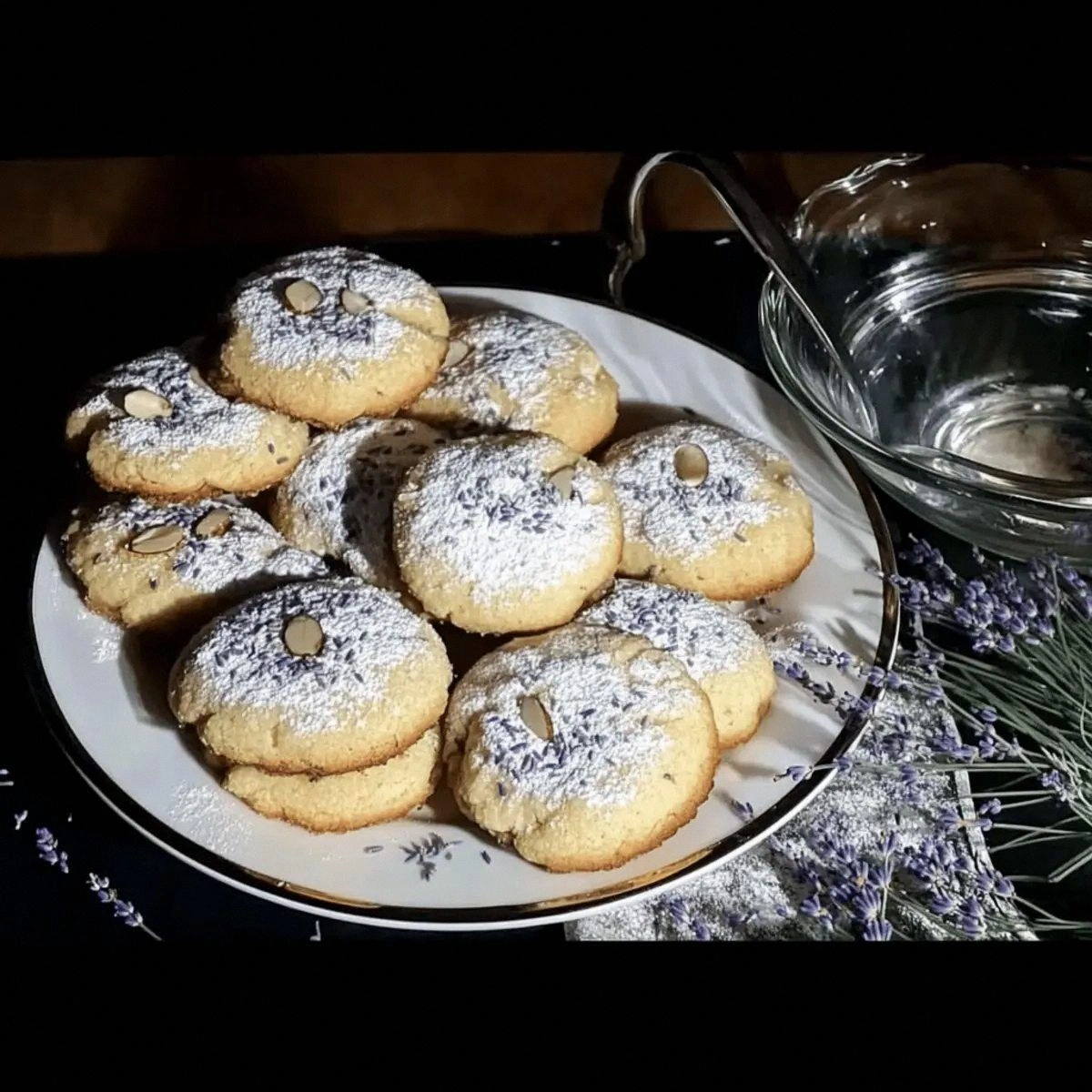
I still remember the day I ruined a perfectly good batch of shortbread by dumping in an entire handful of dried lavender from my neighbor's garden. The cookies tasted like a soap factory explosion, and my kitchen smelled like a yoga studio that had been doused in cheap perfume. I stood there, holding a sad, purple-flecked cookie, thinking I'd never bake with lavender again. Fast forward three weeks and a dozen experiments later, and I'm here to tell you that almond lavender butter cookies—when done right—are the most elegant, addictive little bites you'll ever pull from your oven. The secret isn't magic; it's restraint, timing, and a few sneaky techniques I picked up from a Provençal baker who swore on her rolling pin that less is always more when it comes to flowers in food.
Picture this: it's 3 p.m. on a drizzly Sunday, the kind of gray that makes you want to crawl back under a quilt with a cup of tea. Instead, I tie on my apron, cue up a mellow playlist, and cream butter so fragrant it smells like warm ice cream. I fold in whisper-thin almonds that toast as the cookies bake, releasing a nutty aroma that drifts through the house like a sweet secret. The lavender? It hovers in the background, a gentle floral note that blooms on your tongue only after the buttery crumble melts away. One bite and the gray day turns watercolor-soft around the edges, as if someone dialed up the saturation on real life.
Most recipes get lavender wrong by treating it like chocolate chips—more is better—when it's actually an aromatic accent that should flirt, not shout. My version keeps the lavender subtle, pairs it with almond extract for depth, and uses powdered sugar for the most tender crumb you'll ever meet. I dare you to taste one and not go back for seconds; I double-dog-dare you to stop at three. Between you and me, I've eaten half a batch before the cooling rack even hit the counter, and I'm not sorry.
Ready for the game-changer? We'll bloom the lavender in the butter for exactly four minutes—no more, no less—so the essential oils release without turning bitter. Stay with me here; this is worth it. By the end of this post you'll know the exact moment to pull the cookies from the oven (hint: the edges should barely blush), how to crush almonds so they suspend instead of sink, and why a 15-minute chill makes the difference between bakery-perfect ridges and sad, blobby puddles. Let me walk you through every single step—by the end, you'll wonder how you ever made it any other way.
What Makes This Version Stand Out
Butter-First Flavor: We start with salted butter because the gentle salinity amplifies both almond and lavender without extra pinches of salt cluttering the dough. The fat carries fat-soluble floral compounds straight to your taste buds, giving you a round, harmonious flavor that tastes like it came from a pastry shop in Aix-en-Provence.
Cloud-Soft Texture: Powdered sugar creates micro air pockets that melt on your tongue, while a single egg binds everything just enough to avoid crumble chaos. The result is a cookie that shatters like thin ice at first bite, then dissolves into buttery snow.
Speedy One-Bowl Method: Forget the stand-mixer dance; a hand mixer and one large bowl get you from zero to dough in under eight minutes. Translation: you can decide you want cookies and be sliding the first tray into the oven before your coffee finishes brewing.
Restaurant-Grade Aroma: Toasting the almonds on the baking sheet while the oven preheats means the volatile oils in both nuts and lavender bloom in tandem, perfuming your kitchen like a high-end spa—minus the pretentious prices.
Make-Ahead Magic: The dough keeps four days in the fridge and freezes like a champ for two months. Slice, bake, and serve warm cookies at a moment's notice; nobody has to know you didn't slave all afternoon.
Conversation Starter: Bring these to book club and watch everyone stop mid-sentence when they catch the floral note. They're familiar enough to be comforting, exotic enough to spark questions, and pretty enough to Instagram without a filter.
Beginner-Proof: No finicky temperatures, no scary caramel stages, no candy thermometers. If you can mash butter with a fork, you can nail this recipe on the first try.
Alright, let's break down exactly what goes into this masterpiece...
Inside the Ingredient List
The Flavor Base
Salted butter is the silent hero here, carrying both almond essence and lavender oils while contributing its own cultured, tangy back note. Skip unsalted butter and you'll need extra salt, which can read as harsh against delicate lavender. Let the butter sit on the counter for exactly 45 minutes; too cold and it won't trap air, too soft and your cookies will pancake across the sheet.
Powdered sugar sweetens while its cornstarch absorbs moisture, giving you that trademark shortbread crumble. Granulated sugar creates crunch, but we want velvet here. If you're out of powdered sugar, blitz granulated in a blender with a teaspoon of cornstarch and proceed—crisis averted.
The Texture Crew
All-purpose flour gives structure; cake flour collapses, bread flour toughens, so stay in the AP lane. Sift it once to avoid white lumps that look like mini icebergs on your cookie tops. If you live in a humid climate, subtract two tablespoons of flour to compensate for atmospheric moisture; your dough should feel like Play-Doh, not clay.
Sliced and crushed almonds create nubbly pockets of toastiness. Don't pulverize them to dust; you want pea-sized shards that crunch like brittle caramel. Spread them on a sheet pan and slide into the preheating oven for five minutes—your nose will tell you when they turn golden.
The Unexpected Star
Edible lavender sounds fancy, but it's just dried buds from culinary varieties like English Hidcote or Munstead, not the potpourri horror lurking in craft stores. Two tablespoons may seem stingy, but trust the ratio; it's the difference between Provence and perfume counter. Buy from spice shops or online herb suppliers, and check the harvest date—last year's lavender tastes like faded potpourri.
The Final Flourish
Almond extract is the bass note that bridges butter and lavender, rounding sharp edges and adding marzipan nostalgia. A single teaspoon is plenty; more morphs into cherry cough syrup territory. Use pure extract, not artificial flavoring, or the cookies will taste like cheap birthday cake.
The egg is your binder, adding just enough protein to hold the sandy dough together without cakiness. Crack it into a small bowl first; nothing ruins tender cookies like a rogue shard of shell.
Everything's prepped? Good. Let's get into the real action...
The Method — Step by Step
- Preheat your oven to 325°F (not 350—trust me here) and line two sheet pans with parchment. The lower temperature prevents the lavender from turning bitter and gives almonds time to toast slowly without scorching. If your oven runs hot, prop the door open with a wooden spoon for the first five minutes; airflow is your friend.
- In a medium bowl, cream the salted butter and powdered sugar for a full three minutes. Set a timer—this isn't a suggestion. The mixture should lighten from sunlit yellow to pale café-au-lait and increase in volume by about a third. You're whipping air into the fat, which translates to tender, melt-on-your-tongue cookies instead of dense pucks.
- Beat in the almond extract and the egg until the mixture looks like glossy cake frosting. Scrape the bowl twice; unincorporated streaks of egg will bake into rubbery veins nobody wants to discover mid-bite. Okay, ready for the game-changer?
- Dump the edible lavender into the bowl and give it a swift 30-second mix—just long enough for the fat to coat the buds. Let the dough rest four minutes. This short infusion coaxes out essential oils without the tannic bitterness that ruins most lavender bakes. Your kitchen will start to smell like summer in the south of France; enjoy it.
- Add the flour all at once and pulse the mixer on low until only streaks of white remain. Toss in the toasted, crushed almonds and finish mixing by hand with a flexible spatula. Over-mixing develops gluten, and gluten is the enemy of shortbread tenderness. The dough will look shaggy and crumbly—perfect.
- Turn the dough onto a sheet of plastic wrap, press it into a rough log about two inches in diameter, and refrigerate for 15 minutes. This brief chill firms the butter just enough to slice tidy rounds without crumbling. If you're in a rush, pop the log into the freezer for six minutes, flipping once.
- Unwrap the chilled dough and slice into ⅜-inch rounds with a sharp chef's knife. Rotate the log a quarter turn after each cut to keep the edges from flattening. Arrange on the prepared sheets with an inch of space between; these cookies won't spread much, but air circulation ensures even browning.
- Bake for 18–20 minutes, rotating the pans halfway. You're hunting for barely-golden edges and a pale top that looks like it spent a week in the shade. If the almonds start to darken before the edges color, tent loosely with foil for the last three minutes. That sizzle when the cool dough hits the hot pan? Absolute perfection.
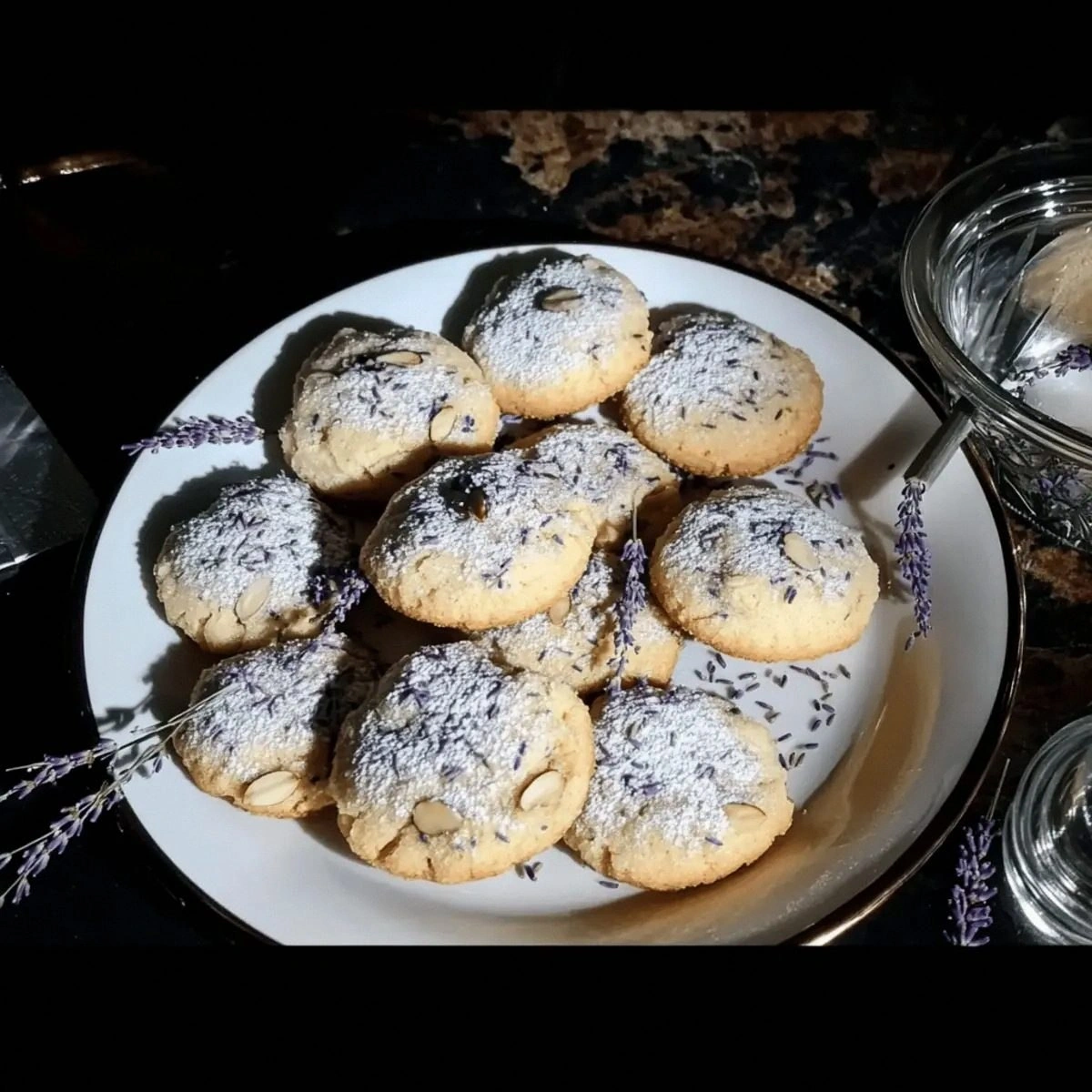
- Cool on the sheet for five minutes—no more, no less—then transfer to a rack. The cookies finish setting as they cool; moving them too early results in tragic breakage, too late and they'll stick to the parchment. Dust with the reserved powdered sugar while still slightly warm so it melts into a whisper-thin glaze.
That's it—you did it. But hold on, I've got a few more tricks that'll take this to another level...
Insider Tricks for Flawless Results
The Temperature Rule Nobody Follows
Butter at 67°F is the sweet spot—pliable enough to trap air, cold enough to stay emulsified. If the dough ever feels greasy or warm, slide the bowl into the fridge for five minutes. Warm butter leaches out during baking, creating lacy holes and a greasy sheen that screams amateur hour.
Why Your Nose Knows Best
When the lavender aroma shifts from grassy to honeyed, stop the infusion immediately. Over-steeped buds release camphor-like notes that overpower the almond. Think of it like steeping tea: four minutes for floral, five minutes for floor cleaner.
The 5-Minute Rest That Changes Everything
After slicing, let the dough rounds sit on the counter for five minutes before baking. This brief tempering prevents surface cracking and gives you that coveted smooth top. My neighbor rushed this step once; her cookies looked like fault lines in a desert.
Almond Crush Calibration
Place sliced almonds in a zip-top bag and whack once with a rolling pin—one solid hit. You want confetti, not almond flour. Over-crushing absorbs moisture and dries the dough, leading to crumbly cookies that fracture like ancient parchment.
Sugar Dust Timing
Dust powdered sugar twice: once when the cookies are barely warm so it melts and forms a thin glaze, again after they're fully cool for a snowy finish. The double layer gives you visual drama and a whisper of extra sweetness without cloying.
Creative Twists and Variations
This recipe is a playground. Here are some of my favorite ways to switch things up:
Honey Almond Riviera
Swap two tablespoons of powdered sugar for mild honey and add a pinch of orange zest. The honey caramelizes slightly, creating chewy edges that taste like Riviera sunshine. Perfect for summer tea parties where you want to feel extra fancy without extra effort.
Chocolate-Dipped Midnight
Dip half of each cooled cookie in 70% dark chocolate and scatter with extra crushed almonds. The bitterness plays against the floral note like a jazz duet—unexpected, sophisticated, completely addictive. Serve these after dinner with espresso and prepare for applause.
Lemon-Lavender Spark
Add ½ teaspoon finely grated lemon zest to the butter while creaming. The citrus lifts the lavender into bright territory, making the cookies taste like spring in cookie form. These disappear fastest at baby showers, where delicate flavors rule.
Salted Maple Crunch
Replace one tablespoon of powdered sugar with maple sugar and finish the baked cookies with a whisper of flaky sea salt. Sweet-salty-herbal trifecta guaranteed to convert even the lavender-skeptics in your life. My dad, a self-proclaimed "no flowers in food" guy, requests these weekly.
Pistachio-Rose Garden
Trade almonds for pistachios and swap almond extract for half vanilla, half rose water. The rose marries lavender like they were born to mingle, and the green flecks look like tiny garden confetti. Warning: people will ask if you bought these at a Parisian patisserie.
Spiced Winter Wonderland
Stir ⅛ teaspoon each of cardamom and cinnamon into the flour. The warm spices frame the lavender in holiday hues, turning a summer cookie into a December treat that tastes like mulled wine in edible form. Santa will thank you.
Storing and Bringing It Back to Life
Fridge Storage
Layer completely cooled cookies in an airtight tin with parchment between stacks; they'll keep five days at peak flavor, a full week if you're less picky. The lavender mellows after day three, letting almond take center stage—some people prefer this balance.
Freezer Friendly
Freeze the log of dough for up to two months, wrapped in plastic plus foil to prevent freezer burn. Slice frozen dough straight from the freezer—no need to thaw—and add two extra minutes to bake time. For baked cookies, freeze in a single layer, then toss into zip bags; they'll taste oven-fresh for three months.
Best Reheating Method
Revive room-temperature cookies on a sheet pan at 300°F for five minutes. The brief warmth reactivates the butter, restoring that fresh-baked snap. Add a tiny splash of water to the corner of the pan; the gentle steam keeps the centers soft while the edges crisp.