I burnt the garlic. Again. There I stood in my tiny apartment kitchen, waving a dish towel like a white flag of surrender while smoke curled from the pan and my roommate poked her head in to ask if I was trying to summon demons. I'd promised her the best pasta of her life, but what she got was eau de crematorium and another reminder that my culinary ambitions often outpace my actual skills. That disaster sent me on a three-week obsession that involved twelve pounds of pasta, a very confused grocery store clerk who watched me buy every brand of sun-dried tomatoes they carried, and one breakthrough moment at 2:14 a.m. when I finally cracked the code.
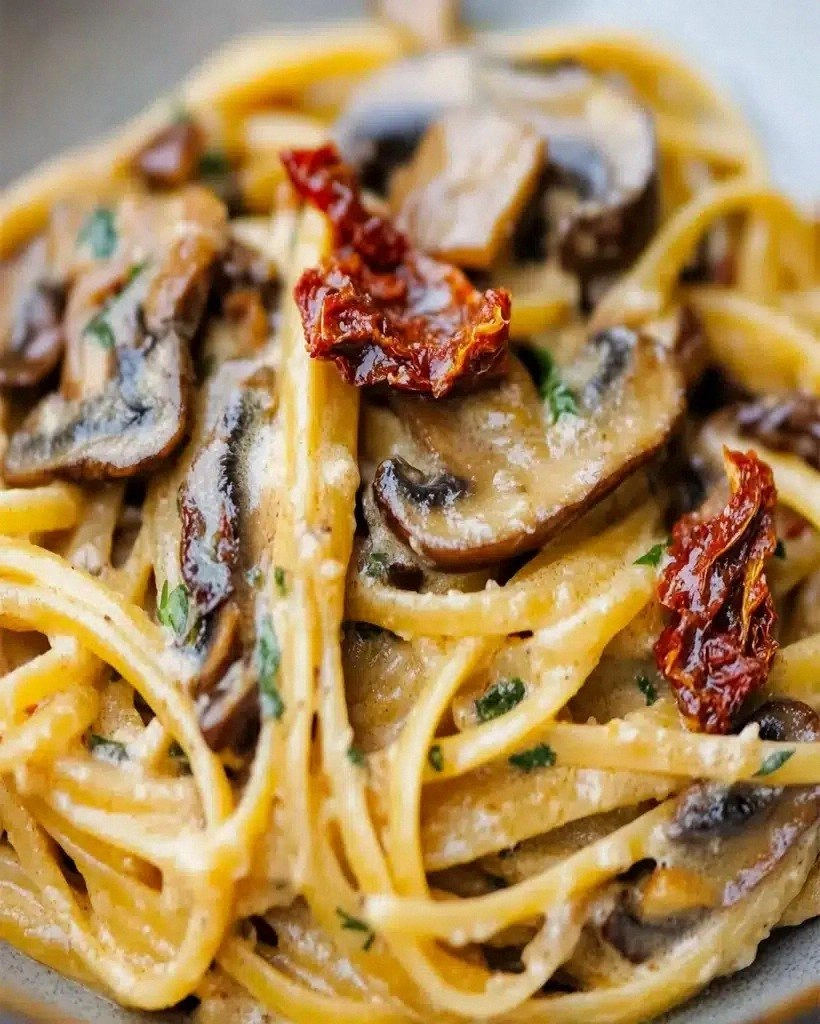
The result is this sun-dried tomato pasta that made my roommate literally slow-clap between bites last Tuesday. We're talking silky ribbons of linguine tangled up with meaty mushrooms that have been seared until their edges caramelize like tiny steaks, all swimming in a basil sauce so fragrant you'll consider bottling it as perfume. The sun-dried tomatoes bring this concentrated punch of summer that makes you forget it's raining outside, while the sauce clings to every noodle like it has abandonment issues. Picture yourself twirling that first forkful, the steam carrying hints of garlic that never got the chance to burn, basil so fresh it still remembers being a plant, and those tomatoes that taste like sunshine that got condensed into chewy rubies.
Most recipes get this completely wrong. They either drown everything in cream until you can't tell what you're eating, or they treat the sun-dried tomatoes like sad little garnishes instead of the flavor powerhouses they are. Here's what actually works: building layers of flavor that start with properly browned mushrooms (not steamed, not pale, not sad), creating a basil sauce that tastes like you blended up an entire garden, and using the oil from the sun-dried tomatoes as your secret weapon. Stay with me here — this is worth it. By the time we're done, you'll have a restaurant-quality dish that costs less than takeout and impresses people enough that they'll start inviting themselves over for dinner.
Let me walk you through every single step — by the end, you'll wonder how you ever made it any other way.
What Makes This Version Stand Out
Umami Bomb: We're using a triple-threat approach here — dried porcini powder rubbed into the mushrooms, sun-dried tomato oil for searing, and a final shower of aged Parmesan. This creates a depth that makes your tongue do a happy dance and keeps you coming back for "just one more bite" until the bowl's mysteriously empty.
Texture Play: While most recipes give you either mushy mushrooms or rubbery tomatoes, we sear the mushrooms until they develop crispy edges that shatter like thin ice, then add the tomatoes at the perfect moment so they soften but don't dissolve. Every bite has something interesting happening.
Weeknight Friendly: Despite tasting like you spent hours in culinary school, this whole thing comes together in under 45 minutes. I've timed it — you can start boiling water, prep everything while the pasta cooks, and be plating by the time your favorite show's opening credits finish rolling.
Basil Maximization: Instead of just tossing in some sad wilted leaves at the end, we create a proper basil sauce that gets blended until smooth, releasing all those aromatic oils that usually stay trapped in the leaves. It's like the difference between smelling a bakery from outside versus walking in and having your senses assaulted by fresh croissants.
Make-Ahead Magic: The sauce actually improves after a day in the fridge, and you can prep the mushroom mixture ahead too. I've fed this to dinner party guests who had no idea I'd done 90% of the work the night before while watching reality TV in my pajamas.
Leftover Legend: Most pasta turns into a sad, gummy mess the next day. Not this one. The flavors marry overnight into something even more incredible, and my special reheating technique brings back that just-cooked texture without any microwave rubberiness.
Crowd Reaction: I've served this to picky toddlers, food-snob friends, and my Italian neighbor who claims nobody makes pasta right anymore. They all asked for seconds. One friend actually licked her bowl. In public. That's the level we're operating at here.
Inside the Ingredient List
The Flavor Foundation
The sun-dried tomatoes are obviously the headliners here, but not all tomatoes are created equal. You want the ones packed in oil, not the dry shriveled ones that look like they died of thirst. The oil-packed version has been marinating in their own concentrated essence, creating little flavor bombs that taste like someone captured summer and put it in a jar. When you bite into them, they should give way with just enough resistance to remind you they were once proud, juicy tomatoes before their spa treatment in the sun.
Your mushrooms matter more than you think. I've made this with everything from budget button mushrooms to fancy oyster varieties, and cremini (baby bellas) hit the sweet spot of flavor-to-price ratio. They have this earthiness that plays beautifully with the tomatoes' sweetness, and when you sear them properly, the edges caramelize into these crispy little umami chips. Skip the pre-sliced ones — they cost more and turn slimy faster than you can say "dinner's ready."
The Texture Crew
Pasta shape is not just about aesthetics — it's about sauce delivery efficiency. Linguine's flat surface grabs onto that basil sauce like it was custom-designed for the job, while its width gives you substantial bites that feel satisfying. Sure, you could use spaghetti, but then you'd be that person who brings a knife to a gunfight. The ridges and curves of linguine create little pockets where the sun-dried tomato bits nestle, ensuring you get perfect distribution in every forkful.
Garlic gets added at two different stages for two different experiences. First, we infuse the oil with smashed cloves that we'll fish out later — this gives us that mellow, sweet garlic flavor throughout. Then we add minced garlic toward the end for that sharp, pungent kick that makes your taste buds sit up and pay attention. It's like having both a supporting actor and a cameo star in the same dish.
The Unexpected Star
Here's where things get interesting: we're using the starchy pasta water as our sauce base instead of heavy cream. This is the game-changer that makes the sauce silky without weighing it down like a cream-based sauce does. The starch molecules act like tiny little velcro hooks that grab onto the basil oil and create this emulsion that coats each noodle perfectly. Most recipes skip this and end up with sauce that pools sadly at the bottom of your bowl instead of clinging to your pasta like it should.
The basil sauce gets its body from a handful of toasted pine nuts that we blend in. They provide this subtle richness and help emulsify everything into a smooth, creamy texture without any actual cream. Plus they add this nutty note that makes people ask if there's secret cheese in there. There isn't, but let them think you're a wizard anyway.
The Final Flourish
Fresh basil gets added in two waves — some gets blended into the sauce for that deep, herbaceous backbone, and then we chiffonade more to sprinkle on top so you get those bright, fresh notes that make the whole dish sing. The stuff on top should be added right before serving so it doesn't wilt into sad green confetti. I grow basil on my windowsill specifically for this dish, and trust me, the difference between just-picked and store-bought is like comparing a live concert to a ringtone.
Parmesan gets microplaned over the top, not shredded or grated. The microplane creates these ethereal wisps that melt on contact with the hot pasta, creating little pockets of salty, nutty goodness throughout. Pre-grated cheese has cellulose added to prevent clumping, which also prevents proper melting — it's like trying to make friends while wearing a "keep away" sign. Buy a chunk of the good stuff and grate it yourself; your pasta will thank you.
Everything's prepped? Good. Let's get into the real action...
The Method — Step by Step
- Start with your biggest pot — I mean the one you'd use for lobster if you were fancy. Fill it with water, salt it until it tastes like the sea (about 1 tablespoon per quart), and get it boiling. This is your foundation, and under-salted pasta water is the sad trombone sound of Italian cooking. While you're waiting, this is the perfect time to prep everything else because once the pasta goes in, things move fast.
- Heat a large skillet over medium-high heat — and here's the key — let it get properly hot. You want to see the pan just starting to smoke, like it's clearing its throat to get your attention. Add 2 tablespoons of that precious sun-dried tomato oil and watch it shimmer like a tiny oil slick. This is the moment of truth for your mushrooms. Add them in a single layer and then — this is crucial — don't touch them for a full three minutes. I know it's tempting to stir, but trust the process. Those edges need time to develop the fond (the brown bits) that'll give you incredible depth.
- After three minutes, give them a flip and add another tablespoon of oil if the pan looks dry. You should see golden-brown edges that look like someone took a tiny torch to them. That's exactly what you want. Season with salt and pepper now — seasoning early helps draw out moisture so they brown instead of steam. Keep cooking, stirring occasionally, until they're shrunken and concentrated, about 8 minutes total. They'll go from filling the pan to looking like a modest mushroom meditation retreat.
- While the mushrooms work their magic, make your basil sauce. In a blender, combine 2 cups of fresh basil leaves (pack them in there), 3 cloves of garlic that you've smashed with the flat of your knife, 1/4 cup of toasted pine nuts, 1/2 cup of olive oil, and a pinch of salt. Blend until smooth, stopping to scrape down the sides like you're tucking in a very green baby. The color should be vibrant enough to make you contemplate painting your kitchen. If it's too thick, add pasta water a tablespoon at a time until it ribbons off a spoon like slow lava.
- Your pasta water should be boiling now — it should look like it's having a tiny jacuzzi party. Add the linguine and set a timer for 2 minutes less than the package says for al dente. Reserve 2 cups of pasta water before you drain it; this liquid gold is going to transform your sauce from good to "why don't restaurants taste like this?" The pasta will finish cooking in the sauce, absorbing all those flavors like a delicious sponge.
- Push the mushrooms to one side of the pan and add 2 more cloves of minced garlic plus 1/4 cup of chopped sun-dried tomatoes to the cleared space. Let them sizzle for 30 seconds — that sound when the garlic hits the oil? Absolute perfection. Now mix everything together and add 1/2 cup of pasta water. It should bubble enthusiastically like a tiny hot spring.
- Add the drained pasta directly to the mushroom mixture. Pour in your basil sauce — watch how it immediately clings to everything like it's been waiting its whole life for this moment. Add pasta water a splash at a time, tossing constantly, until the sauce coats the pasta but isn't swimming in liquid. The noodles should look glossy like they just got back from a spa treatment. This whole process takes about 2 minutes, so don't walk away to check your phone.
- Remove from heat and add 1/2 cup of freshly grated Parmesan and another 1/4 cup of chopped sun-dried tomatoes. The residual heat will melt the cheese into the sauce, creating these strings that make you understand why people write poetry about food. Taste and adjust — it might need more salt, a crack of pepper, or if you're feeling fancy, a squeeze of lemon to brighten everything up. Serve immediately in warmed bowls because hot pasta on cold plates is a crime against humanity.
That's it — you did it. But hold on, I've got a few more tricks that'll take this to another level...
Insider Tricks for Flawless Results
The Temperature Rule Nobody Follows
Here's the thing about pasta — it needs to be hot when it hits the sauce, and the sauce needs to be ready and waiting like an eager dance partner. Cold pasta sucks up sauce like a greedy sponge and leaves you with dry, clumpy noodles that taste like disappointment. Keep your serving bowls in a low oven (200°F) so everything stays at the optimal temperature. This isn't pretentious chef nonsense — it's the difference between good pasta and pasta that makes people close their eyes when they take a bite.
Why Your Nose Knows Best
Forget timers — your nose is the most sophisticated kitchen tool you own. When the mushrooms are perfectly browned, you'll smell this rich, earthy aroma that smells like walking through a forest after rain. When the garlic is ready, it smells sweet and fragrant, not sharp and acrid. And when the basil sauce is blended enough, it releases this bright, peppery scent that makes you want to dive in face-first. A friend tried skipping this step once — let's just say it didn't end well, and her apartment smelled like burnt garlic for three days.
The 5-Minute Rest That Changes Everything
After you toss everything together, let it sit off the heat for exactly five minutes. I know you're hungry and it smells incredible, but this rest allows the pasta to absorb the sauce properly and the cheese to melt into every crevice. It's like the difference between a rushed first kiss and taking your time — both get the job done, but one leaves you much more satisfied. Cover the pan with a lid during this rest so the steam keeps everything glossy and prevents that dreaded pasta crust from forming on top.
The Salt Timing That Makes or Breaks It
Salt your pasta water generously, but hold off on salting the mushrooms until they start to brown. Salt draws out moisture, and if you add it too early, your mushrooms will steam in their own liquid instead of developing those gorgeous caramelized edges. Taste the final dish before adding more salt — the sun-dried tomatoes and Parmesan bring plenty of salinity to the party. I once oversalted a batch and had to eat it all myself because I couldn't serve it to guests — tragic, but educational.
The Mushroom Mistake Everyone Makes
Don't wash your mushrooms under running water — they absorb liquid like tiny sponges and will never brown properly. Instead, wipe them with a barely damp paper towel or use a mushroom brush if you're feeling fancy. Sure, it takes an extra two minutes, but the difference between properly seared mushrooms and soggy ones is the difference between a symphony and a toddler banging on pots. If you're in a hurry, you can buy pre-wliced mushrooms, but please, for the love of all that's holy, don't buy the pre-washed ones that come in a tub looking like they've already given up on life.
Creative Twists and Variations
This recipe is a playground. Here are some of my favorite ways to switch things up:
The Protein Powerhouse
Add diced pancetta to the pan before the mushrooms and let it render its fat — you'll use this liquid gold instead of olive oil for searing everything else. The smoky, salty bits get crispy and provide little bursts of porky joy throughout. If you can't find pancetta, thick-cut bacon works, but pancetta doesn't have the smoky flavor that can overpower the basil. I made this version for my bodybuilder cousin who claims vegetables are "rabbit food" — he asked for the recipe.
The Vegan Victory
Skip the Parmesan and add 3 tablespoons of nutritional yeast to the basil sauce instead. It gives you that same umami depth without any dairy, plus B vitamins that make you feel virtuous about eating pasta. Replace the pine nuts with walnuts that you've toasted until they smell like autumn — they're cheaper and create this rich, almost meaty texture. My vegan friend cried when I made this for her birthday because she thought she'd never taste "real" pasta again.
The Spice Route
Add a pinch of crushed red pepper flakes when you sauté the garlic, or for a different kind of heat, stir in a spoonful of Calabrian chili paste at the end. The goal is background warmth, not mouth-burning spice — you want it to build slowly and make your lips tingle pleasantly. I once added too much and had to serve ice cream for dessert just to put out the fire, so start conservative and adjust up.
The Spring Fling
Toss in a handful of fresh peas during the last minute of cooking — they pop in your mouth like tiny green caviar and add a sweetness that plays beautifully with the sun-dried tomatoes' intensity. Asparagus tips work too, but cut them into bite-sized pieces so they don't turn into awkward green flags that slap your chin while you're trying to eat like a civilized human.
The Seafood Sensation
Add shrimp during the last 3 minutes of cooking — they turn pink and curl up like little commas punctuating your pasta. Make sure they're dry before they hit the pan or they'll steam instead of sear, and nobody wants rubbery sea bugs in their dinner. The sweetness of the shrimp creates this incredible contrast with the concentrated tomatoes, like a seaside vacation in a bowl.
The Winter Warmer
Add a splash of white wine to the mushrooms after they've browned and let it reduce until the pan's almost dry — this creates a sauce that tastes like you spent hours developing flavors. Use a wine you'd actually drink, not that cooking wine that tastes like vinegar had a bad day. The alcohol cooks off, leaving behind this complex, almost mysterious depth that makes people ask if you added "something special" (you did, but it's our secret).
Storing and Bringing It Back to Life
Fridge Storage
Store leftovers in an airtight container — I use glass because it doesn't absorb odors like plastic does, and nobody wants their morning yogurt tasting like garlic and regret. It'll keep for up to 4 days, though after day 3 the basil starts to lose its bright personality and gets a bit sulky. Press plastic wrap directly against the surface before sealing the container — this prevents that weird dried-out pasta crust that forms when air gets to it.
Freezer Friendly
I dare you to taste this and not go back for seconds — but if you somehow manage to have leftovers, this freezes beautifully for up to 2 months. Portion it into individual servings because nobody wants to defrost a pasta iceberg when they're hungry and impatient. Freeze the pasta and mushrooms together, but make fresh basil sauce when you reheat — frozen basil turns into sad green slime that would make any self-respecting Italian grandmother weep.
Best Reheating Method
Add a splash of water to a pan, add your cold pasta, and cover with a lid over medium-low heat. The steam brings everything back to life without turning it into mush like the microwave does. Stir occasionally until it's heated through — about 5 minutes for a single serving. Add a fresh grating of Parmesan and a few torn basil leaves at the end, and it'll taste almost as good as the first time. I've served reheated versions to guests who had no idea it wasn't fresh, which either says something about my reheating skills or their palates, but I'm choosing to believe the former.