I was standing in my kitchen, staring at a half‑finished batch of zucchini bread that smelled like a wilted garden after a rainstorm. The texture was dense, the lemon flavor was a whisper, and I could already hear the inevitable complaints from my family about “just another boring zucchini loaf.” Then my cousin, who swears by the “secret lemon‑zest‑first” technique, dared me to a bake‑off: “I bet you can’t make a loaf that’s both moist and zingy enough to make people forget they ever ate zucchini.” I laughed, rolled up my sleeves, and whispered back, “Challenge accepted.” The result? A loaf that sings with citrus, dances with spice, and stays tender for days—so good I’ll be honest — I ate half the batch before anyone else got a slice.
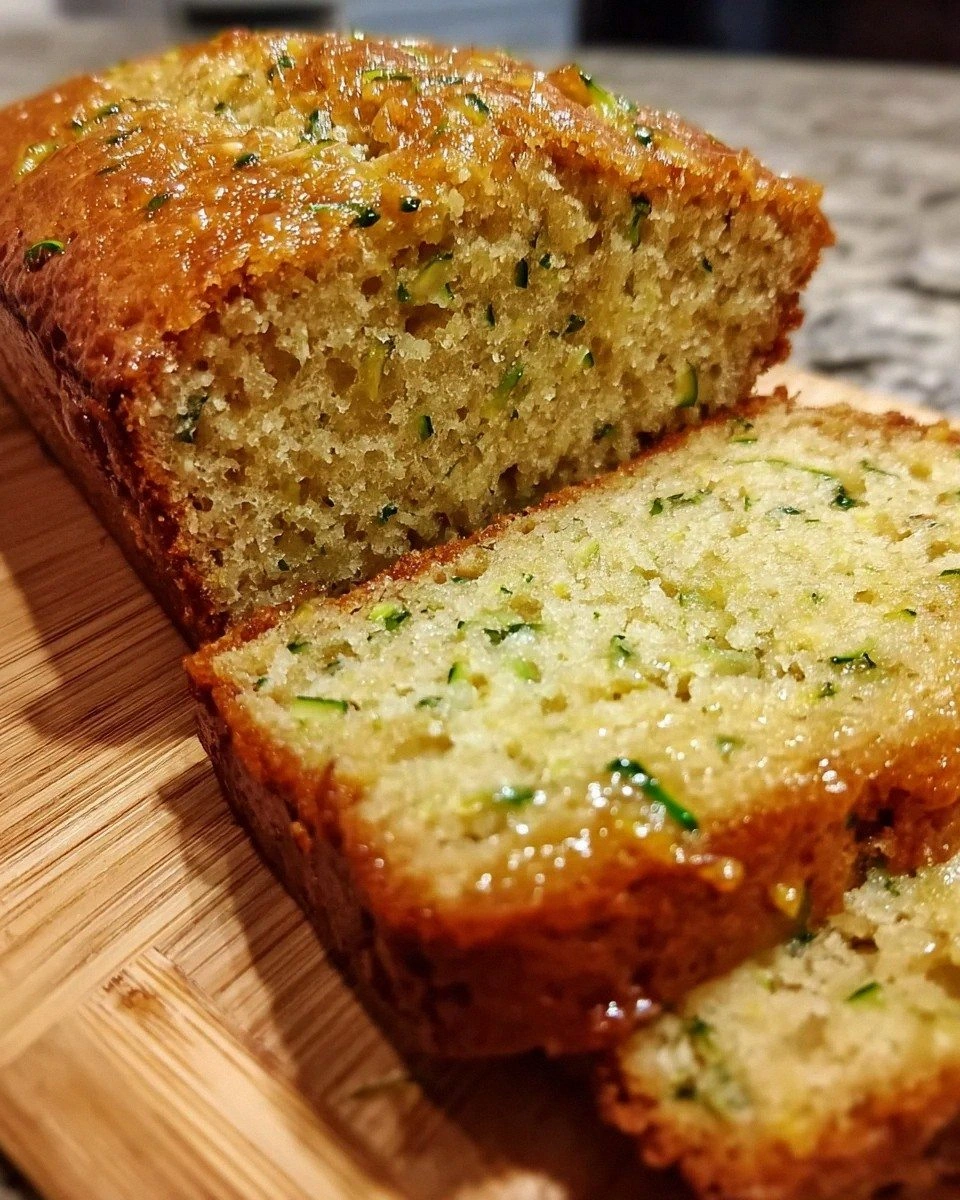
Picture this: the moment you open the oven, a warm wave of lemon‑bright aroma rolls out, hugging the kitchen like a sunbeam on a spring morning. The crust is a golden‑brown crown, just crisp enough to crack with a gentle tap, while the interior is a cloud of moist crumb speckled with tiny green flecks of zucchini. When you slice through, the steam rises, carrying hints of cinnamon and a subtle tang that makes your taste buds do a little jig. The first bite is a perfect balance—sweet, tangy, and buttery, with the zucchini melting into the background like a well‑kept secret. I dare you to taste this and not go back for seconds; it’s practically a culinary love‑letter.
Most zucchini‑lemon breads get this completely wrong. They either drown the lemon in sugar, over‑mix the batter, or forget to squeeze out excess moisture from the zucchini, resulting in a soggy, bland mess. What sets this version apart is a trio of game‑changing moves: a double‑flour base for structure and nuttiness, a quick‑zap of lemon zest right before the batter meets the oven, and a gentle folding technique that preserves air pockets. The result is a loaf that’s airy yet sturdy, bright yet comforting—hands down the best version you’ll ever make at home.
But wait, there’s a twist you won’t see in any other recipe: a splash of vanilla infused with lemon zest that I whisk into the oil before it meets the dry ingredients. This tiny step amplifies the citrus without overwhelming the palate, creating a depth of flavor that feels almost luxurious. Okay, ready for the game‑changer? Let me walk you through every single step — by the end, you’ll wonder how you ever made it any other way.
What Makes This Version Stand Out
- Moisture Mastery: The combination of oil and grated zucchini creates a steam‑rich environment that keeps the crumb tender for days, not hours.
- Zesty Punch: Fresh lemon zest and juice are added at two different stages, ensuring a bright, layered citrus flavor that doesn’t fade.
- Texture Contrast: A blend of all‑purpose and whole‑wheat flour gives the loaf a light crumb with a subtle nutty bite, perfect for those who crave a little extra fiber.
- Spice Harmony: A single teaspoon of ground cinnamon adds warmth without stealing the spotlight, acting like a quiet friend who makes the party better.
- Simplicity Meets Sophistication: Only 13 ingredients, yet each one is purpose‑driven, so you won’t waste time hunting obscure items.
- Crowd‑Pleaser Factor: Even the kids who claim “I don’t like veggies” will finish their slice because the lemon masks the zucchini in the most delightful way.
- Make‑Ahead Magic: This bread freezes beautifully, and a quick re‑heat brings back that oven‑fresh aroma as if you just baked it.
- Versatile Base: The loaf is sturdy enough to be sliced thick for breakfast toast, yet soft enough to crumble into a parfait or a quick dessert topping.
Inside the Ingredient List
The Flavor Base
Fresh Lemon Zest & Juice: The zest contains essential oils that give an aromatic burst, while the juice adds a tangy acidity that balances the sugars. If you skip the zest, you’ll lose that fragrant top note that makes the loaf sing. A good tip is to zest the lemon before juicing it; the rind is easier to handle when it’s dry.
Vanilla Extract: A splash of vanilla rounds out the citrus, creating a subtle sweet‑savory duet. You can substitute maple syrup for a deeper flavor, but keep the quantity the same to avoid extra liquid.
The Texture Crew
All‑Purpose Flour & Whole Wheat Flour: All‑purpose flour gives the crumb its softness, while whole wheat adds a gentle nuttiness and a boost of fiber. Using only one type makes the loaf either too airy or too dense. If you’re gluten‑sensitive, try a 1:1 blend of gluten‑free all‑purpose flour and oat flour, but expect a slightly different crumb.
Baking Soda & Baking Powder: These leaveners work together; soda reacts with the lemon juice for an extra rise, while powder provides consistent lift. Too much soda can give a metallic aftertaste, so stick to the measured amounts.
The Unexpected Star
Grated Zucchini: Zucchini is essentially water and fiber, and when grated it releases steam during baking, keeping the loaf moist. The key is to squeeze out excess water; otherwise, the batter becomes soupy and the crumb collapses. If you can’t find fresh zucchini, frozen grated zucchini works—just thaw and drain thoroughly.
The Final Flourish
Ground Cinnamon: A modest teaspoon adds a warm undercurrent that pairs perfectly with lemon. It also helps mask any lingering zucchini flavor for the picky eaters. For a twist, try a pinch of nutmeg or cardamom.
Vegetable Oil: Oil ensures the crumb stays tender and extends shelf life. Butter can be swapped in a 1:1 ratio for a richer taste, but it will make the loaf slightly denser.
Everything's prepped? Good. Let’s get into the real action…
The Method — Step by Step
Preheat your oven to 350°F (175°C) and grease a 9‑inch loaf pan with a thin layer of oil or line it with parchment. While the oven warms, place a rack in the middle so the heat circulates evenly. The moment the oven reaches temperature, you’ll hear that comforting hum that tells you you’re about to create something magical.
In a large mixing bowl, whisk together the all‑purpose flour, whole wheat flour, baking soda, baking powder, salt, and ground cinnamon. This dry blend is the foundation; whisking it ensures the leaveners are evenly distributed, preventing any pockets of soda that could cause a bitter bite. Set the bowl aside and feel the anticipation building.
Now for the wet side: In a separate medium bowl, combine the vegetable oil, granulated sugar, brown sugar, and vanilla‑lemon zest mixture (see step 4). Beat with a handheld mixer on medium speed until the mixture is glossy and the sugars start to dissolve, about 2 minutes. This is the moment of truth—if the mixture looks too grainy, keep mixing; the goal is a smooth, slightly thick batter.
Kitchen Hack: Warm the oil slightly (no more than 110°F) before mixing; it helps dissolve the sugars faster and creates a silkier batter.Zest the lemon directly over the wet mixture, then add the lemon juice. The zest’s essential oils will instantly perfume the batter, while the juice adds acidity that reacts with the baking soda later on. Give it a quick stir; you’ll notice a faint fizz as the acid meets the soda—this is exactly what you want.
Add the eggs one at a time, beating after each addition until fully incorporated. Eggs are the binding heroes; they give the loaf its rise and structure. If you over‑beat, you risk developing too much gluten, which can make the crumb tough—so stop as soon as the eggs disappear into the batter.
Fold in the grated zucchini gently with a rubber spatula. Use a folding motion: cut down through the center, scoop from underneath, and turn the bowl over. This technique preserves the air bubbles you created earlier, ensuring a light crumb. Watch out: if the zucchini is too wet, the batter will become runny and the loaf may sink in the middle.
Watch Out: Over‑mixing at this stage will break down the gluten network and give you a dense, gummy texture. Keep it gentle.Create a well in the center of the dry ingredients and slowly pour the wet batter into it, stirring just until the flour disappears. The batter should be thick but pourable; if it looks too dry, add a tablespoon of milk or water. The moment the last flour streak disappears, you’ll see the batter become a uniform, buttery‑gold color—this is the perfect consistency.
Transfer the batter into the prepared loaf pan, smoothing the top with a spatula. Tap the pan gently on the counter three times to release any large air bubbles; you’ll hear a soft thud that signals the batter is settling evenly. Slide the pan into the preheated oven and set a timer for 30 minutes.
While the bread bakes, keep an eye on the edges. Around the 25‑minute mark, the crust should be a deep golden brown and start pulling away from the sides of the pan. Insert a toothpick into the center; if it comes out clean or with just a few moist crumbs, the loaf is done. If you see wet batter, give it another 5 minutes—patience pays off.
Kitchen Hack: Place a shallow pan of water on the lower rack; the steam will keep the interior extra moist, especially useful if you’re baking at a higher altitude.Remove the loaf from the oven and let it cool in the pan for 10 minutes. Then turn it out onto a wire rack to cool completely—this prevents the bottom from becoming soggy. The moment you cut into it, you’ll hear that satisfying “crack” of the crust, and a fragrant steam will rise, carrying lemon and cinnamon notes that make your kitchen feel like a bakery.
That’s it — you did it. But hold on, I’ve got a few more tricks that'll take this to another level…
Insider Tricks for Flawless Results
The Temperature Rule Nobody Follows
Never bake a zucchini loaf at a temperature higher than 350°F. Higher heat creates a crust too fast, trapping steam inside and causing a gummy center. I once cranked my oven to 375°F to “speed things up,” only to end up with a loaf that looked like a flat pancake. Keep it steady, and the crumb will rise evenly, giving you that airy texture we all crave.
Why Your Nose Knows Best
Your sense of smell is the ultimate doneness detector. Around the 25‑minute mark, you’ll notice a sweet‑citrus perfume intensifying; that’s the cue to start checking with a toothpick. If the scent is still faint, give it a few more minutes. Trusting your nose prevents over‑baking, which is the silent killer of moisture.
The 5‑Minute Rest That Changes Everything
After removing the loaf from the pan, let it rest on the rack for at least five minutes before slicing. This short pause lets the steam redistribute, so the crumb sets without collapsing. I once sliced immediately and watched the interior slump like a deflated balloon—big mistake. Patience here is pure gold.
The Zest‑First Secret
Zesting the lemon directly over the wet mixture (instead of the dry) ensures the essential oils coat the sugar and oil, creating a more uniform flavor. Skipping this step leads to pockets of lemon that taste overly sharp. The result? A balanced zing that’s present in every bite, not just a few.
Squeezing Out the Water
After grating the zucchini, place it in a clean kitchen towel and press firmly. The water you extract is pure steam power for the loaf; too much liquid makes the batter thin, and the bread will be dense. I’ve seen beginners dump the wet zucchini straight in, and the outcome is a soggy, heavy loaf. Take those extra seconds—your future self will thank you.
Creative Twists and Variations
This recipe is a playground. Here are some of my favorite ways to switch things up:
Blueberry Burst
Fold in ¾ cup of fresh blueberries after adding the zucchini. The berries burst during baking, leaving pockets of sweet juiciness that complement the lemon perfectly. Great for a summer brunch.
Nutty Crunch
Add ½ cup of toasted chopped almonds or walnuts to the batter for a delightful crunch. The nuts add a buttery richness that pairs beautifully with the citrus and cinnamon.
Spiced Orange
Swap the lemon zest for orange zest and add a pinch of ground cardamom. The orange gives a sweeter, floral note while the cardamom adds an exotic warmth—perfect for an elegant tea-time treat.
Chocolate Chip Delight
Stir in ½ cup of dark chocolate chips for a sweet‑and‑tart combo. The chocolate melts into gooey pockets that contrast the bright lemon, creating a dessert that feels indulgent yet balanced.
Gluten‑Free Hero
Replace the all‑purpose and whole‑wheat flours with a 1:1 blend of gluten‑free all‑purpose flour and oat flour. Add a tablespoon of xanthan gum to mimic the elasticity of gluten, and you’ll get a loaf that’s just as tender and flavorful.
Storing and Bringing It Back to Life
Fridge Storage
Wrap the cooled loaf tightly in plastic wrap or store it in an airtight container. It will stay fresh for up to five days in the refrigerator, and the moisture will stay locked in, keeping each slice soft.
Freezer Friendly
Slice the loaf before freezing, then place the slices in a zip‑top bag, separating layers with parchment. Freeze for up to three months. When you’re ready to enjoy, pop a slice in the toaster or microwave with a tiny splash of water; the steam will revive the crumb instantly.
Best Reheating Method
To reheat a slice, preheat a skillet over low heat, add a few drops of water, and cover with a lid for 30 seconds. The steam will bring back that fresh‑out‑the‑oven softness without drying the edges. If you prefer the oven, wrap the slice in foil and heat at 300°F for 10 minutes, again adding a splash of water inside the foil packet.