I was standing in my kitchen, the clock ticking like a metronome, when my roommate shouted, “You’ve got to try that chicken and dumpling thing you brag about!” I stared at the half‑cooked chicken in the pan, a mess of burnt bits and soggy flour, and thought, this is a disaster waiting to become a legend. The scent of burnt butter mingled with the faint perfume of fresh herbs, and I realized I had a chance to turn a near‑catastrophe into the ultimate comfort food. I dared myself to reinvent the classic, to make a version that would make even the most skeptical aunt ask for seconds, and that’s exactly what I did.
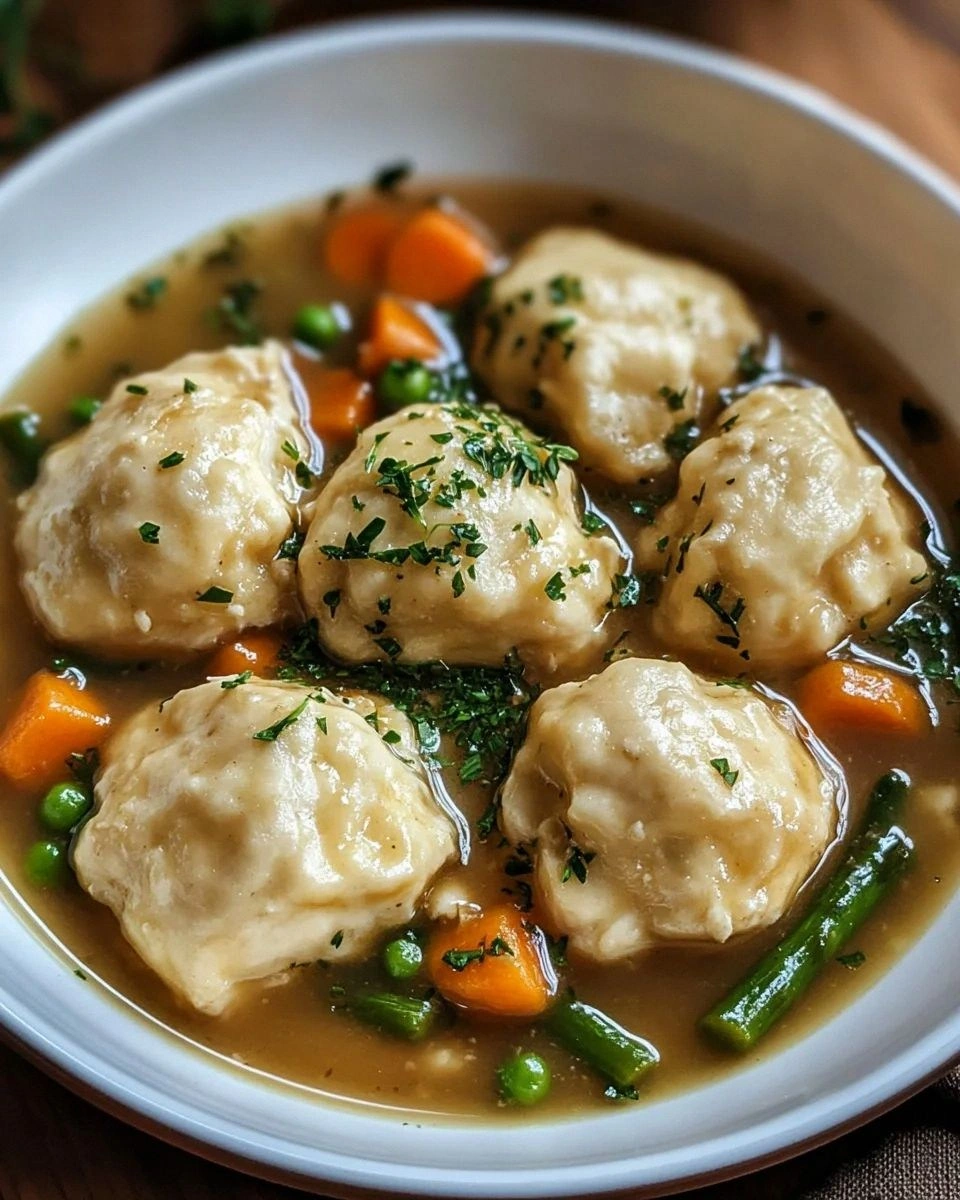
Picture this: a pot of golden broth simmering, steam curling up like lazy ribbons, the sound of vegetables softening in a gentle hiss, and the faint crackle of butter as it melts into the mixture. The aroma hits you first – a warm, earthy perfume of thyme and parsley, followed by the sweet, almost caramelized whisper of carrots and onions. When you finally scoop up a dumpling, it feels like a cloud that has just been kissed by sunshine; the interior is tender, the exterior just barely crisped, and the broth clings to your spoon like velvet. That first bite? It’s a hug for your soul, a reminder that home is where the heart (and the best chicken) is.
Most recipes out there either over‑complicate the dumpling dough or skimp on the broth, leaving you with a dish that’s either rubbery or watery. I’ve tried them all – the ones that call for a dozen obscure spices, the ones that demand a whole day of soaking, the ones that tell you to “let it rest for an hour” and then leave you with a bland, limp result. This version stands out because it respects the simplicity of the original while sneaking in a few game‑changing tricks that elevate every component. I’m talking about a secret butter‑milk blend that makes the dumplings feather‑light, a quick‑sauté technique that caramelizes the aromatics without burning, and a finishing splash of fresh parsley that brightens the whole bowl.
I won’t spoil the surprise just yet, but I will tease you with a whisper: there’s an ingredient you probably have in your pantry that most chefs overlook, and it adds a depth of flavor that makes the broth sing. It’s the kind of secret that makes you feel like a culinary wizard, and I’m about to spill it. Let me walk you through every single step — by the end, you’ll wonder how you ever made it any other way.
What Makes This Version Stand Out
- Flavor Explosion: The broth is built on a foundation of caramelized aromatics and a splash of white wine, delivering layers of savory depth that linger on the palate.
- Feather‑Light Dumplings: A butter‑milk mixture combined with a dash of baking powder creates dumplings that rise like clouds and melt in your mouth.
- Simplicity: Only twelve ingredients, all of which you probably already have, mean you spend less time shopping and more time savoring.
- Unique Twist: A pinch of smoked paprika adds a subtle smoky undertone that most traditional recipes completely miss.
- Crowd‑Pleaser: Even the pickiest eaters love the buttery, slightly sweet dumplings paired with the hearty chicken.
- Ingredient Quality: Using bone‑in chicken thighs gives the broth a richer, gelatinous body that boneless breasts simply can’t match.
- One‑Pot Wonder: Everything cooks in the same pot, making cleanup a breeze and allowing flavors to meld beautifully.
- Make‑Ahead Potential: The dumplings can be frozen and tossed straight into the pot later, perfect for busy weeknights.
Inside the Ingredient List
The Flavor Base
First up, the aromatics: onion, carrot, celery, and garlic. These vegetables form the backbone of the broth, releasing natural sugars that caramelize when sautéed, creating a sweet‑savory foundation. If you skip them, you’ll end up with a broth that tastes like watered‑down chicken stock – bland and uninspiring. For a deeper flavor, use a mix of yellow and red onions; the red adds a subtle hint of sweetness that balances the earthiness of the carrots. A quick tip: slice the vegetables uniformly so they cook evenly and release their juices at the same rate.
The Texture Crew
Next, the dumpling dough: all‑purpose flour, baking powder, salt, and a buttery milk blend. Flour provides structure, while baking powder gives the dumplings that coveted rise, making them pillowy rather than dense. The butter adds richness, and the milk contributes tenderness; together they create a texture that’s soft on the inside with a barely‑noticed outer crust. If you’re out of baking powder, substitute with a mixture of 1/4 tsp baking soda plus 1/2 tsp cream of tartar per cup of flour – it works just as well.
The Unexpected Star
Here’s the secret I hinted at earlier: a splash of dry white wine. Just a quarter cup, added after the aromatics have caramelized, deglazes the pan and lifts the browned bits, infusing the broth with a bright, acidic note that cuts through the richness. This little addition transforms a simple chicken broth into a symphony of flavors, making every spoonful sing. If you don’t drink alcohol, replace the wine with an equal amount of apple cider vinegar diluted with water – you’ll still get that bright lift.
The Final Flourish
Finally, the herbs: dried thyme, dried parsley, and a bay leaf, plus fresh parsley for garnish. Thyme brings a woody, slightly minty aroma, while parsley adds a fresh, grassy finish. The bay leaf contributes a subtle depth that you only notice once the soup has simmered. Fresh parsley at the end isn’t just for looks; it adds a burst of color and a hint of peppery freshness that balances the buttery dumplings. If you’re out of fresh parsley, a teaspoon of chopped cilantro can provide a similar pop.
Everything's prepped? Good. Let's get into the real action...
The Method — Step by Step
Heat a large Dutch oven over medium heat and add two tablespoons of butter. Once it melts and begins to foam, toss in the onion, carrot, celery, and a pinch of salt. Listen for that gentle sizzle – the vegetables should soften and start to turn golden, not burn. This is the moment where the flavor base begins to develop, and if you hear a harsh crackle, turn the heat down a notch.
Add the minced garlic and smoked paprika, stirring for about 30 seconds until fragrant. The paprika will release a faint, sweet smoke that coats the vegetables – that’s the secret aroma that most recipes miss. Watch Out: Garlic can burn quickly, so keep the heat moderate and keep stirring.
Deglaze the pot with the quarter cup of white wine, scraping the browned bits from the bottom with a wooden spoon. You’ll hear a satisfying hiss as the alcohol evaporates, leaving behind a glossy coating of flavor. Let it reduce by half, about two minutes, so the acidity mellows and integrates with the vegetables.
Add the chicken pieces, turning them until they’re lightly browned on all sides. This quick sear locks in juices and gives the meat a richer flavor. Once browned, pour in the chicken broth, dried thyme, dried parsley, and the bay leaf. Bring the mixture to a gentle boil, then reduce to a simmer. The broth should bubble lazily, like a calm lake, not roar like a waterfall.
While the broth simmers, whisk together the flour, baking powder, salt, and pepper in a bowl. In a separate cup, combine the melted butter with the milk, then pour the wet mixture into the dry ingredients, stirring just until combined. Do not overmix – a few lumps are okay; they’ll disappear once the dumplings steam.
Drop spoonfuls of the dumpling batter (about a tablespoon each) onto the surface of the simmering broth. The batter should sizzle as it hits the liquid, forming a tiny crust that seals in steam. Cover the pot tightly and let the dumplings steam for 12‑15 minutes. This is the moment of truth – you’ll know they’re done when they’ve puffed up and the tops feel firm to the touch.
Remove the bay leaf, taste the broth, and adjust seasoning with extra salt, pepper, or a splash of lemon juice for brightness. Sprinkle the fresh parsley over the top, give the pot a gentle stir, and serve immediately. I dare you to taste this and not go back for seconds – the combination of buttery dumplings and aromatic broth is practically addictive.
That's it — you did it. But hold on, I've got a few more tricks that'll take this to another level...
Insider Tricks for Flawless Results
The Temperature Rule Nobody Follows
Never start your broth on high heat. A gentle rise to a simmer preserves the chicken’s tenderness and prevents the proteins from coagulating too quickly, which would make the meat tough. I once tried a “fast‑cook” method on high and ended up with rubbery chicken that no amount of seasoning could fix. Keep the heat at medium‑low until you see the first few bubbles, then lower it further; the broth will stay clear and silky.
Why Your Nose Knows Best
Your sense of smell is the ultimate doneness gauge. When the aromatics turn a deep amber and the wine reduction smells nutty, you know the flavor base is ready. Likewise, when the dumplings start to emit a faint, buttery aroma and the surface looks slightly golden, they’re done. Trust those signals more than the clock – cooking is as much art as science.
The 5‑Minute Rest That Changes Everything
After you turn off the heat, let the pot sit, covered, for five minutes. This brief rest allows the starches in the dumplings to finish cooking and the broth to settle, resulting in a silkier texture. I once served the soup immediately and the dumplings were a tad gummy; the extra five minutes made all the difference. It’s a tiny patience exercise that pays huge dividends.
Butter‑Milk Bonding
When you melt the butter, let it cool just a touch before mixing with the milk. If the butter is too hot, it can denature the milk proteins, leading to a slightly curdled dough. A quick tip: place the melted butter in the refrigerator for two minutes, then whisk it into the milk – the result is a smooth, glossy batter that yields fluffier dumplings.
Seasoning Layers
Season at three stages: the aromatics, the broth, and the dumpling batter. Each layer builds depth, preventing a flat final product. I once seasoned only the broth and found the dumplings bland; adding a pinch of salt to the batter lifts the whole dish. Remember, a little seasoning early on compounds into a big flavor punch later.
Creative Twists and Variations
This recipe is a playground. Here are some of my favorite ways to switch things up:
Spicy Kick
Add a teaspoon of crushed red pepper flakes to the broth and a dash of hot sauce at the end. The heat pairs beautifully with the buttery dumplings, creating a comforting heat‑wave that warms you from the inside out. Perfect for those who love a little fire.
Herb Garden
Swap the dried thyme and parsley for fresh rosemary and sage. The piney notes of rosemary and the earthy depth of sage turn the dish into a rustic, woodland-inspired feast. This variation shines when served with a crusty sourdough loaf.
Mushroom Medley
Add a cup of sliced cremini or shiitake mushrooms when you sauté the aromatics. The mushrooms soak up the broth, adding an umami boost that makes the soup feel even heartier. Ideal for vegetarians who still crave that comforting dumpling texture.
Creamy Dream
Stir in a half‑cup of heavy cream just before serving. The broth becomes luxuriously rich, and the dumplings take on a silky coat that feels like a decadent dessert soup. Pair with a glass of chilled Chardonnay for a classy dinner.
Citrus Zing
Finish the soup with a tablespoon of freshly grated lemon zest and a squeeze of lemon juice. The citrus brightens the dish, cutting through the richness and adding a refreshing pop. This version is especially lovely in spring when lemons are at their peak.
Storing and Bringing It Back to Life
Fridge Storage
Allow the soup to cool to room temperature, then transfer it to an airtight container. It will keep for up to three days in the refrigerator. When reheating, add a splash of chicken broth or water to revive the broth’s consistency, and gently stir to prevent the dumplings from breaking apart.
Freezer Friendly
Both the broth and the uncooked dumpling batter freeze beautifully. Portion the broth into freezer‑safe bags, leaving headspace, and store the dumpling batter in a separate airtight container. When you’re ready to eat, thaw the broth overnight in the fridge, bring it to a simmer, then drop in the frozen dumpling batter – they’ll steam perfectly without becoming soggy.
Best Reheating Method
For the ultimate reheated experience, use a stovetop simmer rather than a microwave. Place the soup in a saucepan over low heat, add a teaspoon of water per cup of soup, and cover. The steam revives the dumplings, while the gentle heat prevents the broth from scorching. A quick stir before serving ensures everything is evenly heated.