I still remember the day I ruined a perfectly good apple fritter. It was a rainy Saturday, the kind that begs for comfort food, and I had visions of golden, pillowy fritters dancing in my head. Instead, I ended up with oil-splattered countertops, a sugar glaze that seized into a rock-candy nightmare, and a batch of fritters that tasted like regret and raw centers. My kitchen looked like a crime scene, and I was ready to swear off fried desserts forever. But as I sat there, picking crystallized sugar off my shirt and wondering if takeout pizza counted as dessert, I had a wild thought: what if the best parts of an apple fritter — those tender apple pockets, that cinnamon-sugar magic, the glaze that drips just right — could live happily on a cloud of airy focaccia? No vat of hot oil, no guessing games, just pure, reliable, oven-baked joy.
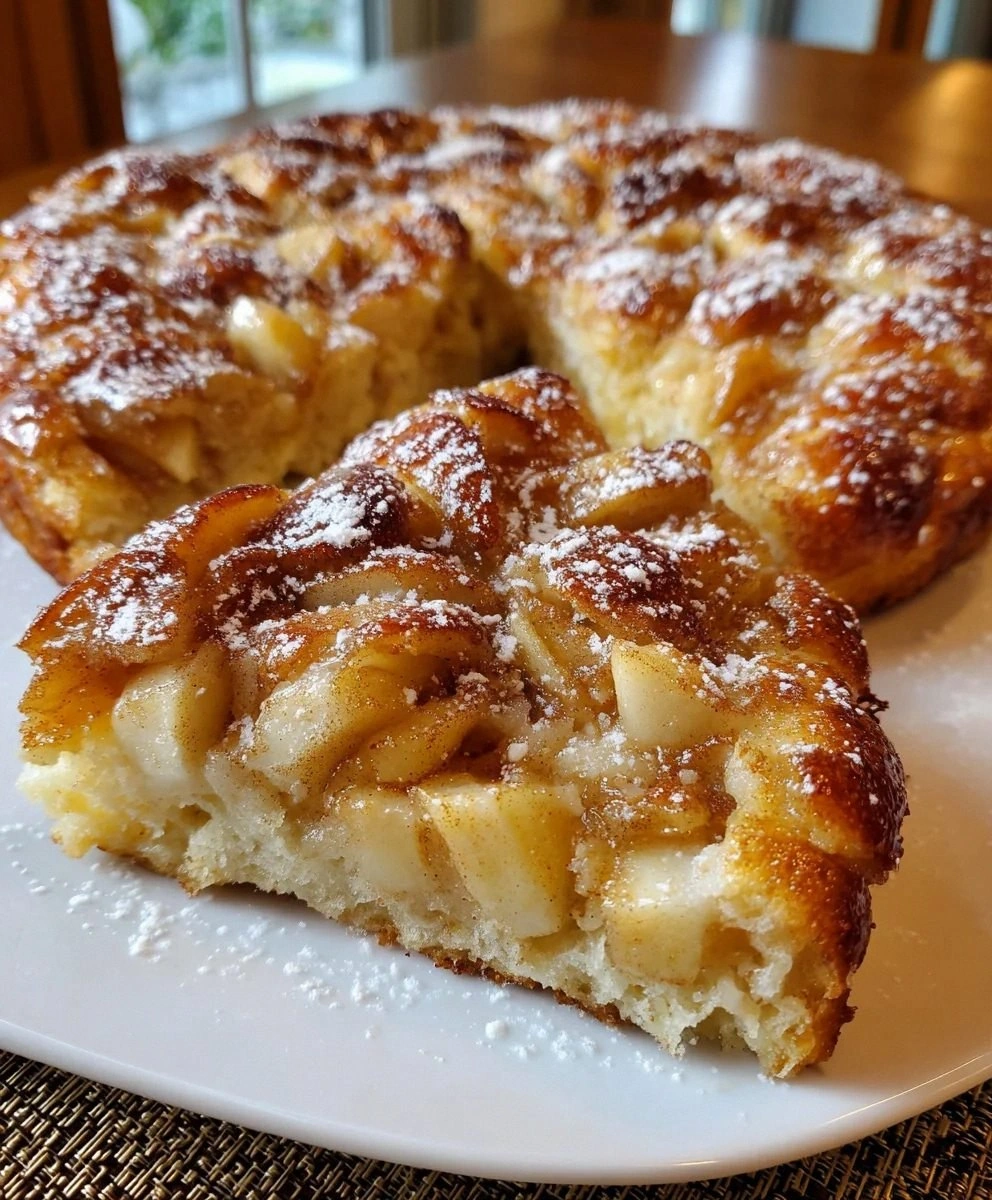
Picture your kitchen right now: the windows fogged from the heat of the oven, the scent of vanilla and brown sugar curling through every room like a sweet, bossy guest who refuses to leave, and a tray of puffed, dimpled dough rising higher with every passing minute. That’s what happens when you bake Apple Fritter Focaccia. The top bronzes into a delicate crust that shatters under your fork, revealing a tender crumb studded with soft, cinnamon-laced apples that melt on your tongue. The glaze seeps into every crevice, turning each bite into a miniature celebration of fall, no matter the season. I dare you to walk past the cooling rack without tearing off a corner; I double-dog dare you to stop at one piece.
Most recipes try to shortcut the magic — they’ll tell you to toss apples on top of store-bought pizza dough and hope for the best. That’s like wearing a tuxedo jacket over pajama pants and calling it haute couture. This version bakes the fruit right into the dough, swirls in a buttery cinnamon ribbon, and finishes with a glossy blanket of confectioners’ sugar glaze that crackles when you slice it. The result tastes like your favorite cider-doughnut stand decided to open a bakery inside an Italian grandmother’s kitchen. I’ve served this to die-hard fritter fans, sourdough purists, and one self-proclaimed carb-hater (I know, I questioned the friendship), and every single person went back for seconds — some shamelessly for thirds.
Okay, ready for the game-changer? We’re going to treat the focaccia like a laminated pastry: we’ll fold the dough over itself around a cinnamon-brown-sugar schmear so every bite has a hidden swirl. No stand mixer, no twenty-four-hour cold proof, no culinary school degree required — just two rises, one confident flip, and an oven blast that turns humble ingredients into something that’ll make you close your eyes and sigh. Let me walk you through every single step — by the end, you’ll wonder how you ever made it any other way.
What Makes This Version Stand Out
Buttery Swirl System: Instead of merely dotting apples on top, we laminate the dough with a cinnamon-brown-sugar-butter layer that caramelizes into sticky rivers. You get the gooey center of a traditional fritter without any deep-frying drama.
Cloud-Level Fluff: A generous glug of oil and a high-hydration dough mean the interior stays custard-tender for days. The crumb is so airy it practically floats off the sheet pan, yet it still has the chew you crave from great focaccia.
One-Bowl, No Fuss: Forget hauling out heavy equipment. You’ll mix, fold, and proof everything in the same vessel, so your dishwasher (or your roommate) stays happy. The dough is forgiving; it practically babysits itself while you binge your latest show.
Built-In Portion Control: Okay, that’s a lie — I’ve seen people demolish half a tray. But the dimpled surface naturally guides knife cuts, so you can slice dainty squares for brunch or hefty slabs for midnight snacks without second-guessing yourself.
Year-Round Apple Magic: Granny Smiths stay perky and tart even after baking, so you can nail this recipe in peak apple season or during the bleak produce aisle days of February. The dough welcomes seasonal spice swaps (think cardamom, nutmeg, even a whisper of star anise) without complaint.
Make-Ahead Champion: Prep the dough the night before, park it in the fridge, and bake fresh in the morning. Overnight fermentation deepens flavor, and you get to wake up to the smell of bakery-level glory without lifting a finger before coffee.
Crowd-Reaction Guarantee: I brought this to a potluck and watched a roomful of adults turn into competitive vultures circling the dessert table. One guy tried to barter a six-pack for the last corner piece. Spoiler: I took the beer and still kept the piece.
Inside the Ingredient List
The Flavor Base
Warm water is the matchmaker that wakes up the yeast and convinces it to throw a bubbly party. Too hot and you’ll murder the poor microbes; too cool and they’ll sleep through the festivities. Aim for bath-tub comfort, around 105 °F, and you’ll see tiny champagne bubbles within minutes. Granulated sugar isn’t just there for sweetness — it’s yeast’s favorite snack, guaranteeing a vigorous rise that perfumes your kitchen with beer-bread aroma. If you ever run out, a glug of honey works, but expect a deeper, more meadow-like flavor.
Active dry yeast is the reliable workhorse of the bread world. Check the expiration date, because expired yeast is as useful as a chocolate teapot. I keep mine in the freezer; it stays viable for a year and you can use it straight from frozen — no excuses for flat dough. Vegetable oil keeps the crumb supple, but swap in a fruity olive oil if you want a whisper of grassy complexity. Just avoid extra-virgin varieties that can turn bitter under high heat.
The Texture Crew
All-purpose flour hits the sweet spot between chew and tenderness. Bread flour will give you a sturdier bite, but it can make the final product feel like you’re wrestling a rubber band. If you’re tempted by whole wheat, use only half the amount — too much bran will slice through gluten strands like tiny razor blades, leaving you with a dense slab. Kosher salt is non-negotiable; it balances the sugar and heightens the buttery notes. Skip it and the focaccia will taste like a candle-scented hotel lobby — vaguely sweet but ultimately unsatisfying.
Melted unsalted butter is the secret handshake between cake and bread. It enriches the dough so the interior bakes up feathery and moist. Use the real stuff; margarine tastes like disappointment melted into a pan. Light brown sugar carries molasses, which deepens the cinnamon swirl into butterscotch territory. Dark brown sugar amps up that caramel vibe, so pick your adventure level accordingly.
The Unexpected Star
Granny Smith apples are the tart sass-mouth that keeps the whole affair from collapsing into sugar shock. They hold their shape under oven heat, so you get juicy nuggets instead of applesauce pockets. Peel them for a silky texture or leave the skins on for a rustic pop of color and chew. If you crave more sweetness, Honeycrisp or Pink Lady slide right in without making the bread cloying. Whatever you do, skip Red Delicious — they bake into mealy sadness and nobody wants that heartbreak.
Ground cinnamon is the cozy sweater of spices, but make sure yours is fresh. Give the jar a sniff; if it smells like sawdust, it’ll taste like it too. Vanilla extract is the background singer you don’t notice until it’s gone — it rounds the edges and makes everything taste like you tried harder than you did. Use the pure stuff, not vanillin, unless you enjoy the haunting flavor of cheap ice cream.
The Final Flourish
Confectioners’ sugar dissolves into a glossy snow-cap that crackles when you slice it. Sift first or you’ll end up with glaze that looks like cottage cheese. Whole milk thins the icing to drizzly perfection, but almond milk or even water works in a pinch — just add a drop more vanilla to keep the flavor lush. The glaze sets within minutes, so have your fork ready; procrastinators will be rewarded with sticky fingers and zero regrets.
Everything’s prepped? Good. Let’s get into the real action...
The Method — Step by Step
- Start by blooming the yeast: in a large bowl, whisk the warm water, granulated sugar, and active dry yeast until the sugar dissolves. Let the mixture stand for about five minutes; you’re looking for a foamy, beige layer that looks like a micro-pint of beer. If nothing happens, your yeast is deader than disco and you need a new packet — no negotiation. Once it’s frothy, drizzle in the vegetable oil and melted butter; the fat will coat the starch later, guaranteeing a feathery crumb.
- Dump in the flour and sprinkle the salt on top like you’re dusting a snowy road. Mix with a sturdy spatula until a shaggy, sticky dough forms — think lava-meets-mud. Don’t panic if it looks like a hot mess; the gluten is still waking up and will smooth out during the fold. Cover the bowl with a damp tea towel or shower cap (yes, a shower cap — it’s the unsung hero of home bakers everywhere) and let it rest for ten minutes. This short autolyse relaxes the proteins so you won’t have to knead like a medieval serf.
- Now comes the fun part: reach under the dough, grab one edge, and stretch it up and over itself. Rotate the bowl a quarter-turn and repeat three more times. This gentle fold replaces traditional kneading and builds a gluten network strong enough to trap all the fruity juices. The dough should feel like cold marshmallow and start to smooth out quickly. If it sticks to your fingers like clingy cellophane, wet your hand slightly; water is your non-stick armor here.
- Cover again and let the dough rise in a warm spot until doubled, about 45 minutes to an hour. You’re looking for a puffy, jiggly mass that sighs when you poke it. While you wait, prep the apple filling: peel, core, and dice the Granny Smiths into thumbnail-sized cubes. Toss them with brown sugar, cinnamon, and vanilla until every cube wears a spicy jacket. The sugar will draw out juices; those syrupy puddles are liquid gold, so don’t you dare drain them.
- Turn the dough onto an oiled sheet pan and stretch it into a rough rectangle about one-inch thick. Don’t aim for perfection; rustic dimples are character. Scatter the apple mixture evenly, then fold the dough like a business letter: bring the top third down, the bottom third up, and pinch the seam. Give it a quarter-turn and repeat once more. Those layers lock the fruit into secret pockets so every bite has a syrupy surprise.
- Press the folded dough out again until it fills about three-quarters of the pan — it will spring back like a bratty rubber band, so be patient and let it relax for five minutes. Dimple the surface with oiled fingertips, pressing all the way to the pan. Those valleys catch glaze later, so channel your inner piano player and go to town. Cover loosely and let it proof a second time, 20–30 minutes, until puffy and jiggly like a waterbed.
- Preheat your oven to 400 °F and position a rack in the center. Just before baking, drizzle a tablespoon of oil across the surface; it pools in the dimples and creates those crispy, golden edges that shatter like thin ice. Slide the pan in and bake for 18–22 minutes, rotating halfway. You’re hunting for a deep mahogany top and edges that pull slightly from the sides. The apples will sizzle, the sugar will caramelize, and your smoke alarm may sing — that’s the soundtrack of success.
- Cool the focaccia on a wire rack for ten minutes — any longer and the glaze won’t melt into every crevice; any shorter and you’ll burn your tongue. Whisk confectioners’ sugar with milk until thick but pourable; it should ribbon off the spoon like slow lava. Drizzle in sweeping strokes, then grab a spatula and spread it edge to edge. The glaze will seep into the warm dimples and form a glossy finish that cracks delightfully under your knife.
That’s it — you did it. But hold on, I’ve got a few more tricks that’ll take this to another level...
Insider Tricks for Flawless Results
The Temperature Rule Nobody Follows
Most home bakers treat “warm” like a guessing game and end up with lukewarm disappointment. Use an instant-read thermometer and aim for 105–110 °F for the yeast bloom; anything hotter murders the microbes and you’ll stand around wondering why your dough is a pancake. If you don’t have a thermometer, drop a bead of water on the inside of your wrist — it should feel like a baby’s bath, not a jacuzzi. Your future self (and your risen dough) will thank you.
Why Your Nose Knows Best
Forget timers — smell is your built-in kitchen GPS. When the focaccia is nearly done, the scent shifts from raw yeast to caramelized apple pie with a back-note of toasted sugar. That’s your cue to peek. If you wait for the timer to dictate everything, you risk over-baking and ending up with a Sahara-dry interior. Trust your olfactory instincts; they’ve been honed over centuries of human survival for a reason.
The Five-Minute Rest That Changes Everything
After glazing, tent the focaccia loosely with foil and walk away for five minutes. The trapped steam softens the crust just enough to give you that classic fritter chew without sogginess. It’s like a mini sauna that sets the glaze and lets the apples re-absorb some juices. Skip this step and you’ll have a rock-hard top that shatters into a million crumbs — delicious, yes, but murder to clean off the counter.
Fold Like a Pro, Not Like Laundry
When you laminate the apple layer, imagine you’re folding a delicate letter to royalty, not cramming a sleeping bag into a stuff sack. Sharp, confident folds trap air and create distinct layers; sloppy folds mash everything into a homogenous blob. If the dough fights back, let it rest for two minutes; gluten relaxes faster than you think, and patience here equals dramatic striations later.
Creative Twists and Variations
This recipe is a playground. Here are some of my favorite ways to switch things up:
Pear & Gingerbread Focaccia
Swap the apples for firm Bosc pears and replace half the cinnamon with ground ginger and a pinch of cloves. Use molasses instead of brown sugar for a winter-spice vibe that tastes like edible holiday music. Top with a maple glaze spiked with bourbon if you’re feeling festive.
Savory-Cheddar Breakfast Version
Omit the sugar in the dough, trade apples for diced ham and sharp cheddar, and swap the glaze for a scattering of fresh chives. You’ll end up with a cheesy, herbaceous bread that’s legally acceptable as breakfast. Serve warm with a fried egg on top and watch brunch guests propose marriage.
Peach & Bourbon Summer Edition
When peaches are absurdly ripe, slice them thin and toss with a tablespoon of bourbon, brown sugar, and a scrap of nutmeg. Bake as directed, then glaze with a bourbon-vanilla icing. Serve slightly chilled with whipped cream for a dessert that screams backyard barbecue.
Chocolate-Hazelnut Indulgence
Slather the dough with a thin layer of chocolate-hazelnut spread before folding, then sprinkle chopped toasted hazelnuts on top. The chocolate melts into hazelnut rivers that taste like you stuffed focaccia with Nutella clouds. Drizzle with a coffee-spiked glaze for mocha vibes.
Apple-Cheddar Pie Hybrid
Use tart apples but scatter a handful of tiny cheddar cubes between the layers. The cheese melts into salty pockets that contrast the sweet glaze in a way that makes your brain short-circuit with delight. It’s the culinary equivalent of sea-salt caramel — you can’t quite figure out why it works, but you can’t stop eating it.
Cardamom-Orange Scandinavian Style
Replace cinnamon with cardamom and fold in a spoonful of orange zest. The glaze gets punched up with a squeeze of juice, giving you a bright, almost floral note that pairs perfectly with strong coffee. This version disappears fastest at book-club gatherings.
Storing and Bringing It Back to Life
Fridge Storage
Wrap cooled focaccia tightly in plastic, then slip it into a zip-top bag with the air squeezed out. It’ll keep for up to four days, though the glaze may soften slightly. Bring to room temp before serving, or pop slices in a toaster oven for five minutes to revive the edges.
Freezer Friendly
Cut into individual squares, wrap each in plastic and foil, and freeze for up to two months. Thaw overnight on the counter, then refresh in a 350 °F oven for eight minutes. The apples re-plump and the glaze re-crackles like it’s fresh from the oven.
Best Reheating Method
Skip the microwave unless you enjoy rubbery bread. Instead, place slices on a sheet pan, tent with foil, and warm at 325 °F for ten minutes. Add a tiny splash of water to the pan — it steams the crumb back to pillow status while keeping the top crisp. Serve immediately and bask in compliments.