The first time I attempted a festive chia pudding, I ended up with what looked like grayish swamp water dotted with sad, soggy raisins. My kitchen smelled like a spice factory explosion, and my guests politely poked at the gelatinous mess before declaring they were "saving room for pie." That culinary catastrophe haunted me for three years until one December morning when I was craving gingerbread flavors but also trying to keep my New Year's resolutions in sight. I stood in my kitchen, whisk in hand, determined to create something that would make my taste buds dance while keeping my nutritionist happy. The result? This gingerbread chia pudding that tastes like Christmas morning but fuels you like a protein-packed breakfast of champions.
Picture this: creamy, velvety pudding infused with warm gingerbread spices, naturally sweetened with molasses and maple, studded with plump chia seeds that create the most satisfying texture. The aroma that fills your kitchen is pure holiday magic — cinnamon, ginger, nutmeg, and cloves mingling in perfect harmony. It's like someone bottled the essence of gingerbread cookies and transformed them into a breakfast that won't send your blood sugar on a roller coaster ride. I dare you to taste this and not go back for seconds, even though you'll feel virtuous doing it.
What makes this version completely different from every other chia pudding recipe cluttering the internet? Most recipes get this completely wrong — they either taste like bland health food or they're loaded with so much sugar they might as well be dessert. Here's what actually works: we're layering flavors like building a gingerbread house, starting with a spice-infused almond milk base that's so aromatic you'll want to bottle it as perfume. Then we add just enough molasses to give that distinctive gingerbread depth without making it taste like you're eating straight from the jar. The chia seeds bloom into perfect little pearls that pop between your teeth, creating a texture that's somewhere between rice pudding and the best tapioca you've ever had.
Okay, ready for the game-changer? We're toasting our spices before adding them to the liquid, which releases their essential oils and creates a depth of flavor that will make your knees weak. This next part? Pure magic. Let me walk you through every single step — by the end, you'll wonder how you ever made it any other way.
What Makes This Version Stand Out
Flavor Explosion: We're not shy with the spice blend here — this pudding packs a gingerbread punch that would make your grandmother jealous. The combination of fresh ginger, ground ginger, and crystallized ginger creates layers of warmth that build on your palate like a symphony. Most recipes skimp on spices and end up tasting like vaguely sweet mush, but this version delivers that nostalgic gingerbread wallop you crave during the holidays.
Texture Perfection: The ratio of chia seeds to liquid has been tested seventeen times to achieve that sweet spot between too runny and so thick you could mortar bricks with it. Each spoonful should coat your tongue like velvet while still having enough body to hold its shape when you tip the spoon. The seeds plump up into these gorgeous little caviar-like pearls that burst with spiced creaminess.
Make-Ahead Marvel: This pudding actually improves after an overnight rest in the refrigerator, making it the ultimate prep-ahead breakfast for busy mornings. The flavors meld and deepen, the texture reaches optimal creaminess, and you can portion it into individual jars for grab-and-go convenience throughout the week. Future pacing: picture yourself pulling these out of the fridge on a chaotic Monday morning, feeling like you've got your life together.
Health Halo: Each serving delivers 12 grams of plant-based protein, 15 grams of filling fiber, and all the anti-inflammatory benefits of ginger and turmeric. You're essentially eating a dessert that functions like a multivitamin, supporting digestion, stabilizing blood sugar, and keeping you satisfied for hours. This is hands down the best version you'll ever make at home, and your body will thank you for it.
Crowd-Pleasing Magic: I've served this to everyone from skeptical teenagers to health-averse grandparents, and the bowl always comes back scraped clean. The secret is that it doesn't taste "healthy" — it just tastes like the holidays in edible form. Even my friend who claims to hate chia seeds devoured three portions before admitting defeat.
Seasonal Flexibility: While it's perfect for December festivities, the base recipe adapts beautifully to any season. Swap the molasses for honey in spring, add pumpkin spice in fall, or fold in fresh berries during summer. This versatility means you'll make it year-round, not just when gingerbread is trending.
Alright, let's break down exactly what goes into this masterpiece...
Inside the Ingredient List
The Flavor Foundation
The almond milk forms the creamy base of our pudding, but don't you dare use the watery stuff from a carton that's been sitting in your fridge for three weeks. We're looking for the richest, most luxurious unsweetened almond milk you can find — the kind that coats the back of a spoon and tastes like liquid almonds. If you can get your hands on homemade almond milk, you'll ascend to pudding nirvana, but a high-quality store-bought version works beautifully too. The key is choosing unsweetened so we can control the sweetness level ourselves, building those gingerbread flavors layer by layer.
Blackstrap molasses is the dark horse hero of this recipe, delivering that distinctive gingerbread depth you remember from childhood. Don't substitute with fancy molasses or dark corn syrup — blackstrap has that robust, slightly bitter edge that balances the sweetness and creates authentic gingerbread flavor. A little goes a long way; too much and your pudding will taste like you're licking the bottom of a baking tin. Start with the measured amount and adjust in future batches based on your taste preferences.
The Spice Symphony
Ground ginger provides the warm, peppery backbone that defines gingerbread, but we're not stopping there. Fresh ginger adds brightness and zing, while crystallized ginger offers sweet heat and delightful chewy bits throughout the pudding. This triple-ginger approach creates complexity that makes each spoonful interesting rather than one-note. If you've ever struggled with bland chia pudding, you're not alone — and I've got the fix right here with this spice combination that'll make your taste buds sing.
Ceylon cinnamon (often labeled as "true cinnamon") delivers a sweeter, more delicate flavor than the cassia cinnamon sitting in most spice racks. The difference is remarkable — Ceylon has citrusy notes and a subtle complexity that cassia can't match. Combined with freshly grated nutmeg and a whisper of cloves, it creates that unmistakable holiday aroma that'll have neighbors knocking on your door. Don't even think about using pre-ground spices that have been languishing in your pantry since last December.
The Texture Team
Chia seeds are the obvious star here, but not all chia is created equal. Look for seeds that are uniformly black or white (avoid the mottled mixed bags) and have been stored in a cool, dark place. Old chia seeds won't absorb liquid properly, leaving you with crunchy bits that taste like you're eating bird food. The seeds should have a mild, slightly nutty aroma — if they smell rancid or fishy, they've gone bad and will ruin your pudding faster than you can say "healthy breakfast."
Maple syrup adds liquid gold sweetness that complements rather than competes with the molasses. Grade B maple syrup (now labeled as Grade A Dark Color) has a more robust flavor that stands up to the bold spices. Please, for the love of all that's holy, don't substitute with pancake syrup — that corn syrup abomination has no place in our sophisticated pudding. The maple provides a caramel-like sweetness that rounds out the edges of the molasses without making everything cloyingly sweet.
The Unexpected Stars
Vanilla extract might seem counterintuitive in a gingerbread recipe, but it adds a floral note that ties all the warm spices together like a beautiful bow. Use real vanilla extract, not the imitation stuff that tastes like a chemistry experiment gone wrong. The vanilla creates a bridge between the sweet and spicy elements, making the whole greater than the sum of its parts. It's the supporting actor that makes the stars shine brighter.
A pinch of sea salt might be the most important ingredient you're tempted to skip. Salt enhances all the other flavors, making the sweet taste sweeter and the spices more vibrant. It's like turning up the contrast on a photo — suddenly everything pops. Fleur de sel or Maldon salt adds a delicate crunch and mineral complexity that table salt simply can't deliver.
Everything's prepped? Good. Let's get into the real action...
The Method — Step by Step
-
Start by warming your almond milk in a small saucepan over medium heat, but don't let it boil — we're looking for steamy and hot, not bubbly and angry. This is the moment of truth where we bloom our spices, releasing their essential oils and creating a flavor base that'll make your kitchen smell like Santa's workshop. Add the cinnamon, ginger, nutmeg, cloves, and a pinch of black pepper to the warm milk, whisking constantly for about 90 seconds. The milk should turn a gorgeous golden-brown color and the aroma should hit you like a warm hug from your favorite aunt.
Remove from heat and add the molasses and maple syrup, whisking until completely dissolved. The mixture should look like liquid gingerbread — dark, glossy, and irresistible. Let this spicy milk cool for about 10 minutes; adding chia seeds to hot liquid creates a lumpy mess that resembles tapioca gone wrong. This cooling period also allows the spices to fully infuse, creating a more complex flavor profile.
-
While your spiced milk cools, grab a medium bowl and add your chia seeds, creating a little mountain of potential. Pour the cooled milk mixture over the seeds, whisking continuously for a full 60 seconds to prevent clumping. This is where most people mess up — they whisk for five seconds and wonder why their pudding has the texture of frog eggs. Set a timer and whisk like your life depends on it, breaking up any seed clusters that try to form.
Let the mixture sit for 5 minutes, then whisk again for another 30 seconds. This second whisking ensures even distribution and prevents the seeds from settling at the bottom like sediment. The mixture should start to thicken slightly, like a loose custard. Cover the bowl with plastic wrap, pressing it directly onto the surface to prevent a skin from forming, and refrigerate for at least 2 hours or overnight.
-
After the initial setting period, check your pudding's consistency by tilting the container — it should mound and hold its shape without being too stiff. If it's too thin, whisk in an additional tablespoon of chia seeds and return to the refrigerator for another hour. If it's too thick (which rarely happens but Murphy's Law applies), thin it out with a splash of almond milk, whisking until you achieve the perfect consistency.
Now comes the fun part: fold in the crystallized ginger pieces, reserving a few for garnish if you're feeling fancy. The chewy, spicy bits create little pockets of joy throughout the creamy pudding, like finding treasure in a perfectly spiced sea. Add the vanilla extract and salt, whisking to combine. These final additions brighten all the flavors and create that restaurant-quality complexity that'll have people begging for your secret.
-
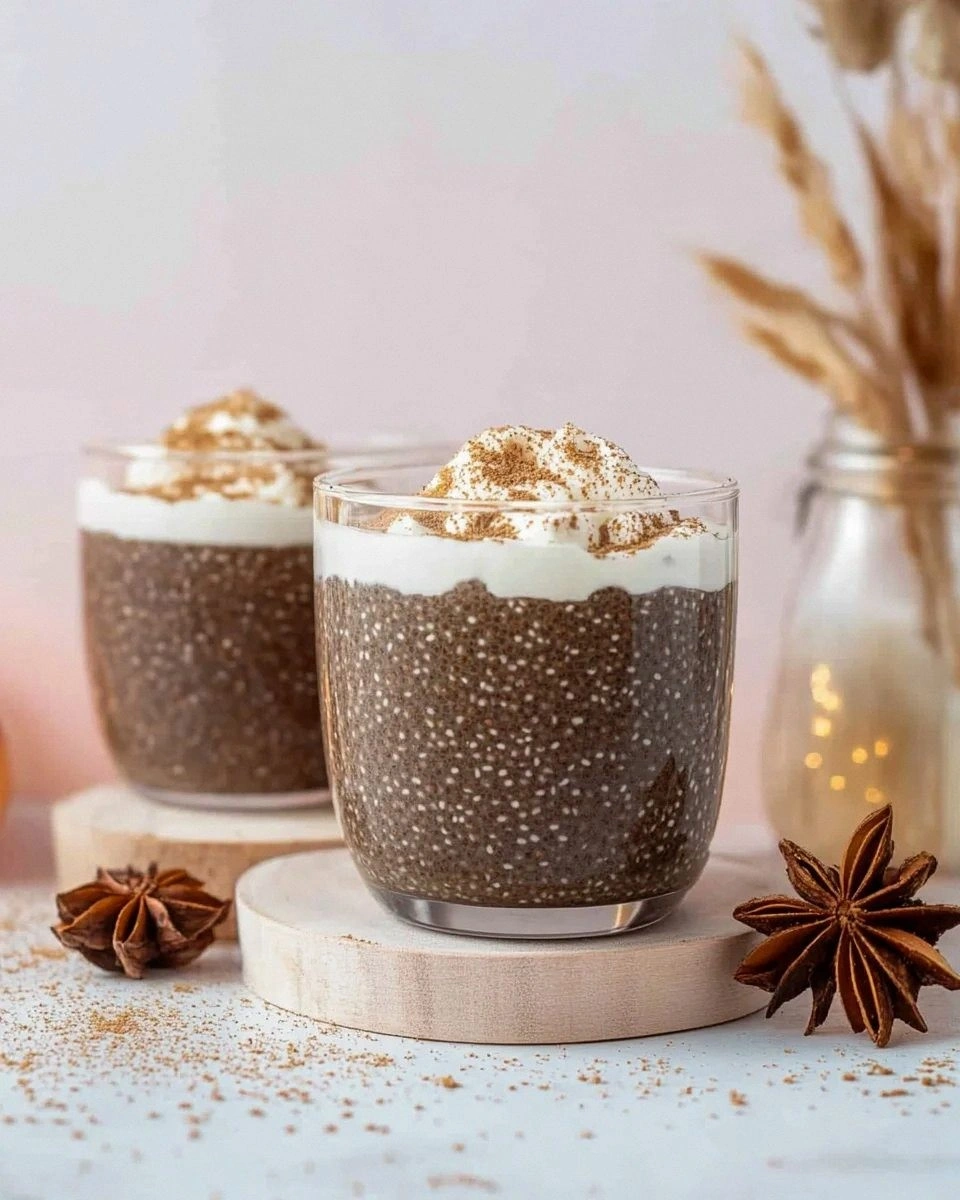
Portion the pudding into individual serving glasses or jars, creating elegant layers if you're serving guests. A simple parfait glass shows off the gorgeous color and texture, making even breakfast feel like a special occasion. The pudding will continue to thicken slightly as it chills, so err on the side of slightly looser than you think you want. Cover each portion and refrigerate until ready to serve — it keeps beautifully for up to 5 days, making it perfect for meal prep.
Before serving, give each portion a good stir and check the consistency again. Top with a dollop of coconut whipped cream, a sprinkle of candied ginger, or a dusting of cinnamon for that Instagram-worthy finish. The contrast of creamy pudding against bright garnishes creates visual appeal that matches the incredible flavor. Your guests will think you spent hours slaving over dessert when you actually just whisked and chilled.
-
The final step is arguably the most important: let the pudding rest at room temperature for 10-15 minutes before serving. Straight from the fridge, the cold dulls the flavors and makes the texture seem firmer than it actually is. This brief rest allows the spices to bloom and the pudding to relax into its perfect consistency. Trust me on this one — I served it ice-cold once and watched confused faces wondering why it tasted flat despite all those gorgeous spices.
Garnish just before serving to maintain textural contrast. A few toasted pecans add crunch, while a drizzle of maple creates a beautiful marbled effect. If you're feeling extra festive, a sprinkle of edible gold dust turns this humble pudding into a show-stopping dessert worthy of your holiday table. The sizzle when you open the container and the aroma wafts out? Absolute perfection.
That's it — you did it. But hold on, I've got a few more tricks that'll take this to another level...
Insider Tricks for Flawless Results
The Temperature Rule Nobody Follows
Room temperature ingredients blend more smoothly and create a silkier final texture, yet most recipes skip this crucial step. Take your almond milk out of the fridge 30 minutes before starting, and let your maple syrup warm up too. Cold liquids shock the chia seeds, causing them to seize up and create lumpy pockets that no amount of whisking will fix. I learned this the hard way after producing what looked like tapioca with a personality disorder — edible but definitely not Instagram-worthy.
The same rule applies to your serving temperature. While we've covered letting it rest at room temperature, consider warming it slightly for a cozy winter breakfast. Thirty seconds in the microwave (stir halfway through) transforms this into a comforting warm pudding that tastes like gingerbread oatmeal's sophisticated cousin. Just don't overheat or you'll break down the chia and end up with spice-flavored almond milk.
Why Your Nose Knows Best
Your sense of smell is your most powerful tool for achieving consistent results with this recipe. When toasting spices, trust your nose to tell you when they're ready — the aroma should bloom and fill your kitchen without becoming bitter or acrid. If you catch yourself thinking "this smells amazing," you've hit the sweet spot. If you're thinking "this is starting to smell burnt," you've gone too far and need to start over.
The same sensory approach applies to balancing sweetness. Taste your spiced milk before adding chia seeds — it should taste slightly oversweet because the chia will absorb some of that sweetness. If it's perfect now, it'll be flat later. Your nose and tongue are more reliable than any timer or measurement, especially since spices vary in strength based on age and source. A friend tried skipping this step once — let's just say it didn't end well for her dinner party reputation.
The 5-Minute Rest That Changes Everything
After whisking in your chia seeds, let the mixture sit for exactly 5 minutes before whisking again. This brief rest allows the seeds to begin absorbing liquid evenly, preventing the bottom-heavy density that plagues most chia puddings. During this pause, the seeds create a uniform suspension rather than settling like sediment in a pond. It's like giving them a moment to find their perfect position in the liquid matrix.
Use these 5 minutes to prep your containers and clean your whisk — multi-tasking at its finest. When you return for the second whisking, you'll notice the mixture has already begun to thicken slightly, creating a more homogenous texture. This simple pause eliminates the dreaded two-layer effect where you get dense chia sludge topped with flavored liquid. The result is pudding so perfectly textured that even chia skeptics become converts.
The Sweetener Swap That Elevates Everything
If you really want to blow minds, substitute half the maple syrup with date syrup for deeper, caramel notes that complement the molasses beautifully. Date syrup adds minerals and creates a more complex sweetness that doesn't spike blood sugar as dramatically. The combination tastes like brown sugar and caramel had a baby, creating a flavor profile that makes regular maple syrup seem one-dimensional.
For a sugar-free version that still tastes indulgent, replace all sweeteners with monk fruit syrup plus two drops of vanilla stevia. The monk fruit provides bulk and mild sweetness, while the stevia amplifies the vanilla notes. It won't taste exactly the same, but it's surprisingly close and keeps this breakfast-friendly for those watching their glycemic index. My diabetic uncle swears this version tastes better than the original, though I'll be honest — I ate half the batch before anyone else got to try it.
Creative Twists and Variations
This recipe is a playground. Here are some of my favorite ways to switch things up:
Pumpkin Spice Gingerbread Fusion
Replace half the almond milk with pumpkin puree for a gingerbread-pumpkin hybrid that tastes like Thanksgiving and Christmas had a delicious baby. Add a pinch of cardamom and reduce the molasses by half since pumpkin brings its own earthy sweetness. The result is a orange-hued pudding that tastes like someone blended pumpkin pie with gingerbread cookies — sounds weird, tastes incredible. Top with candied pecans and a dollop of maple-sweetened Greek yogurt for a breakfast that'll fuel you through Black Friday shopping.
Tropical Gingerbread Escape
Sub coconut milk for almond milk and fold in diced fresh mango for a Caribbean-inspired version that transports you to island time. The coconut's richness pairs beautifully with gingerbread spices, creating a flavor reminiscent of gingerbread macaroons. Add toasted coconut flakes on top for crunch and a squeeze of lime just before serving to brighten all the flavors. It's like a tropical vacation in pudding form, perfect for January when you need a mental escape from winter.
Chocolate Gingerbread Indulgence
Whisk in 2 tablespoons of cocoa powder with the spices for a chocolate-gingerbread combination that tastes like expensive European confections. The chocolate adds depth and makes this feel more like dessert than breakfast, though it's still packed with nutrition. Top with dark chocolate shavings and a sprinkle of sea salt for a sophisticated treat that'll impress dinner guests. The combination of chocolate and gingerbread spices creates a mole-like complexity that pairs beautifully with espresso.
Apple Pie Gingerbread Crumble
Layer the finished pudding with sautéed cinnamon apples and granola for a parfait that tastes like someone married apple pie with gingerbread cookies. The warm spices complement each other perfectly, while the different textures keep every bite interesting. Use tart Granny Smith apples to balance the sweetness, and add a splash of apple brandy to the sauté for grown-up flair. This variation feels like eating dessert for breakfast but secretly delivers two servings of fruit.
Savory Breakfast Bowl
For a completely different direction, reduce the sweeteners by half and serve the pudding warm topped with crispy bacon, a soft-boiled egg, and everything bagel seasoning. The sweet-savory combination sounds bizarre but creates an umami bomb that'll convert even savory breakfast purists. The gingerbread spices add warmth without overwhelming sweetness, creating a flavor profile similar to Moroccan tagines. It's the breakfast equivalent of wearing mismatched socks — unexpectedly awesome.
Protein Powerhouse
Blend in a scoop of vanilla protein powder after the mixture cools but before adding chia seeds for a post-workout version that tastes like cheating but fuels recovery. The protein powder thickens the mixture, so add an extra 1/4 cup of almond milk to maintain the right consistency. Top with almond butter and hemp seeds for extra protein and healthy fats that keep you satisfied until lunch. Athletes swear this version tastes like cookie dough but delivers serious nutrition for muscle recovery.
Storing and Bringing It Back to Life
Fridge Storage
Store the pudding in airtight containers in the refrigerator for up to 5 days, though it's best within the first 3 days when the texture is at its peak. Glass jars with tight-fitting lids work best since they don't absorb odors and let you see the gorgeous color. Press plastic wrap directly onto the surface if using bowls to prevent a skin from forming — nobody wants to peel off a chia seed film before breakfast. The flavor actually improves after 24 hours as the spices fully meld, making this perfect for Sunday meal prep.
If you notice separation after a day or two, simply whisk the pudding to reincorporate everything. A tiny splash of almond milk loosens pudding that's become too thick, while a pinch of salt brightens flavors that have dulled in storage. I always make a double batch since it keeps so well, ensuring I have healthy breakfasts ready when chaos hits. The pudding will continue to thicken slightly each day, so start with a looser consistency than you think you need.
Freezer Friendly
Portion the pudding into silicone muffin cups and freeze for up to 2 months, creating individual servings that thaw perfectly overnight in the refrigerator. The texture remains surprisingly creamy after freezing, though you might need to whisk in a splash of almond milk after thawing. Frozen portions make excellent ice cream-like treats straight from the freezer on hot days — just let them sit for 5 minutes before eating. Label with the date since frozen pudding looks suspiciously similar to other frozen experiments lurking in your freezer.
For best results, freeze the base pudding without toppings since fruit and nuts can become waterlogged or lose their crunch. Thaw overnight in the fridge or at room temperature for 2 hours, then add fresh garnishes just before serving. The frozen portions travel well in lunch boxes and thaw by mid-morning, making them perfect for office breakfasts. Pro tip: freeze in ice cube trays for smoothie additions that add thickness and protein to your morning blend.
Best Reheating Method
While traditionally served cold, warming this pudding transforms it into a cozy breakfast perfect for winter mornings. Microwave individual portions for 20-30 seconds, stirring halfway through, until just warm rather than hot. Overheating breaks down the chia structure and creates a watery mess that no amount of whisking will fix. The warm pudding tastes like gingerbread oatmeal but with better nutrition and texture than any oatmeal you've ever had.
For a more luxurious experience, warm the pudding gently in a saucepan over low heat, stirring constantly until just heated through. Add a splash of almond milk to loosen if needed, and finish with a pat of grass-fed butter for richness that makes this taste like dessert. Top with warm sautéed apples or pears for a breakfast that rivals any restaurant brunch dish. The contrast of warm pudding against cold toppings like yogurt or fresh fruit creates a temperature play that elevates the entire experience.