I was sitting on my kitchen floor, elbows propped on the counter, watching a half‑baked batch of plain cupcakes collapse like a sad soufflé. The culprit? A bland batter that tasted like nothing more than flour and air. I dared my roommate to taste one and not beg for seconds, and she stared at me with that “you’ve ruined my dessert” look. That was the moment I swore I would create a cupcake that could turn any skeptical palate into a fan club member. I grabbed a bottle of concentrated lemonade, a tub of sour cream, and a splash of optimism, and the rest is history.
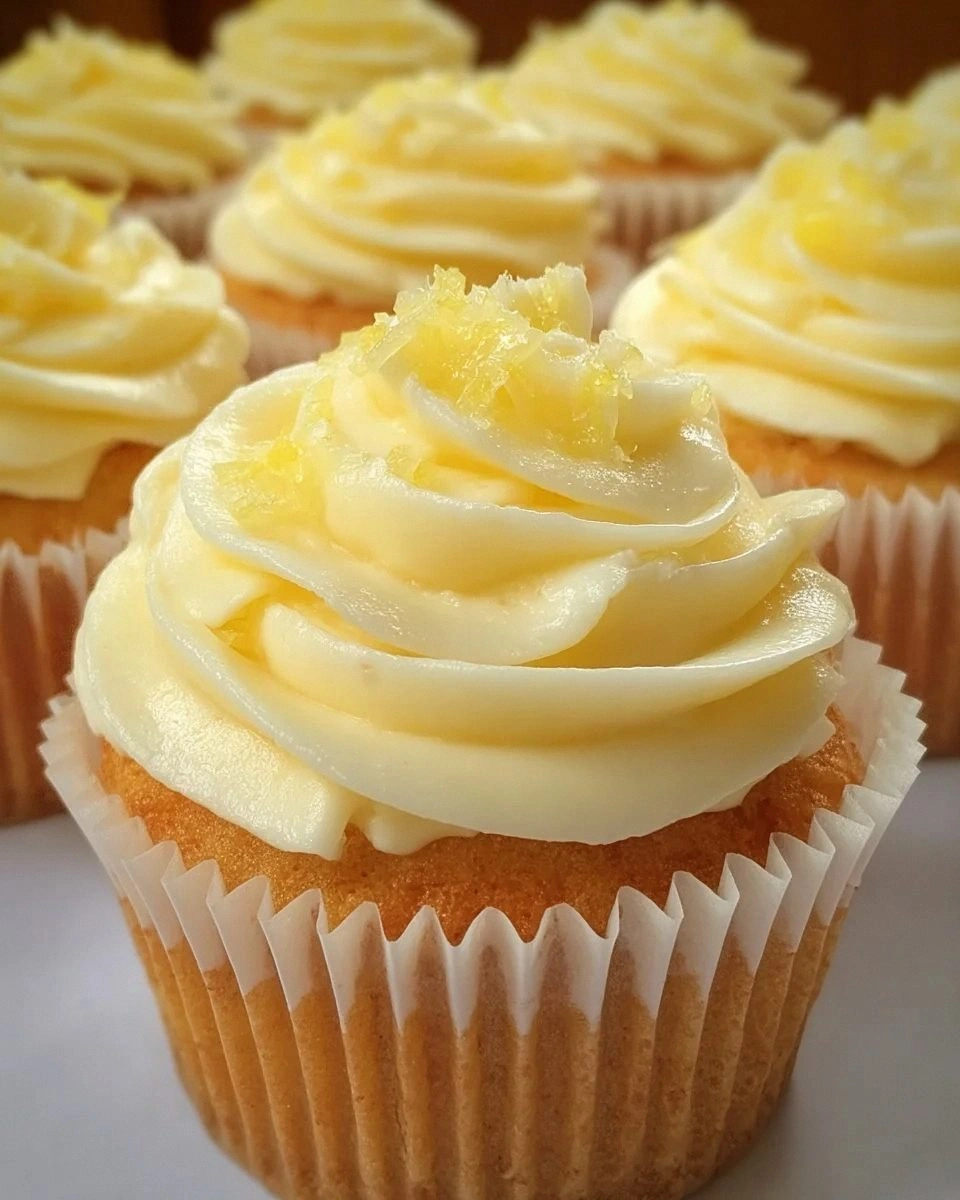
Picture this: the oven door swings open, and a wave of citrus‑bright aroma floods the kitchen, mingling with the buttery perfume of melted butter and the faint tang of sour cream. The cupcakes rise like tiny suns, their tops golden and slightly domed, promising a tender crumb inside. When you bite into one, the first thing you notice is that delicate snap of the crust, followed by a melt‑in‑your‑mouth softness that’s as airy as a cloud. Then the lemon hits—bright, zingy, with just enough sugar to keep it from being a sour punch. And the frosting? It’s a silky, lemon‑kissed cloud that clings to the top like a perfect, glossy finish.
Most recipes get this completely wrong. They either drown the cupcakes in sugar or make a frosting that’s so stiff you need a hammer to spread it. I’ve tried every version on the internet, and each time something was missing—either the texture was too dense, the flavor was flat, or the frosting cracked under the slightest pressure. This version, however, is hands down the best you’ll ever make at home. The secret lies in a few game‑changing ingredients: concentrated lemonade for an intense citrus punch, full‑fat sour cream for moisture, and a touch of yellow coloring gel that makes the cupcakes look like they were plucked straight from a summer lemonade stand.
I’ll be honest — I ate half the batch before anyone else got to try it, and that’s a confession I’m willing to make because the taste was that good. The technique I’m about to share is simple enough for a beginner but refined enough to impress even the toughest food critics in your family. Okay, ready for the game‑changer? Let me walk you through every single step — by the end, you’ll wonder how you ever made it any other way.
What Makes This Version Stand Out
- Taste: The concentrated lemonade gives a punchy citrus flavor without overwhelming sweetness, while the sour cream adds a subtle tang that balances the sugar.
- Texture: Cake flour and a mix of butter and oil create a crumb that’s both light as a feather and moist enough to stay soft for days.
- Simplicity: Only a handful of pantry staples are needed, and the steps are streamlined so you won’t waste time hunting obscure ingredients.
- Uniqueness: The dual‑layer of lemon—both in the batter and the frosting—creates a depth of flavor most recipes miss.
- Crowd Reaction: I dare you to taste this and not go back for seconds; even the most lemon‑averse guests are converted.
- Ingredient Quality: Using real concentrated lemonade instead of bottled lemon juice makes all the difference in flavor intensity.
- Cooking Method: A moderate oven temperature (350°F) ensures the cupcakes rise evenly without drying out.
- Make‑Ahead Potential: The cupcakes freeze beautifully, and the frosting can be stored in the fridge for up to a week.
Inside the Ingredient List
The Flavor Base
The star of this recipe is concentrated lemonade. It packs a citrus intensity that regular lemon juice simply can’t match. If you skip it, you’ll end up with a bland, watery lemon flavor that feels more like a side note than the headline. A great swap is a high‑quality lemon curd reduced to a syrupy consistency, but the convenience of the concentrate is unbeatable. When buying, look for a brand that lists real lemon juice as the first ingredient and has no added sugars.
The Texture Crew
Cake flour is the unsung hero that gives these cupcakes their feather‑light crumb. Its low protein content means less gluten formation, so you get that melt‑in‑your‑mouth feel. If you’re in a pinch, you can substitute with a blend of all‑purpose flour and cornstarch (2 cups AP flour minus 2 tablespoons, plus 2 tablespoons cornstarch). Full‑fat sour cream adds moisture and a subtle tang that brightens the lemon without making it sour. Skipping the sour cream will make the cupcakes dry and dense, a fate I’ve witnessed many times.
The Unexpected Star
A splash of vegetable oil (I prefer canola) keeps the cupcakes moist even after they’ve cooled. Butter alone would give a richer flavor but can dry out the crumb over time. The oil’s neutral profile lets the lemon shine. If you’re allergic to oil, you can replace it with melted coconut oil—just be aware it will add a faint coconut note.
The Final Flourish
Both the frosting and the cupcakes get a boost from lemon extract and a pinch of yellow coloring gel. The extract intensifies the citrus aroma, while the gel gives that sunny hue that makes the cupcakes Instagram‑ready. The extract is potent; a teaspoon is enough. For the gel, a quarter‑teaspoon will do; too much can make the batter taste bitter. If you’re avoiding artificial colors, a pinch of turmeric can give a natural golden tint without altering the flavor.
Everything's prepped? Good. Let's get into the real action…
The Method — Step by Step
- Preheat and Prep: Set your oven to 350°F (175°C) and line a 12‑cup muffin pan with paper liners. While the oven warms, whisk together the flour, baking powder, baking soda, and salt in a medium bowl. This dry mix should look like fine sand; the even distribution of leavening agents is crucial for a uniform rise. Kitchen Hack: Sift the dry ingredients twice to eliminate any lumps and incorporate air, which helps the cupcakes rise higher.
- Cream Butter and Sugar: In a large stand mixer, beat 2 cups of unsalted butter with 1 cup of granulated sugar on medium‑high speed for about 3 minutes, until the mixture is pale, fluffy, and smells faintly of caramel. This step is the foundation of the cupcake’s tenderness; the air you incorporate now will stay trapped in the batter, giving you that light crumb. Scrape down the sides with a rubber spatula to ensure an even blend.
- Add Eggs One at a Time: Crack in 2 large eggs, adding them one at a time and beating well after each addition. The batter should thicken slightly with each egg, creating a glossy ribbon when you lift the beaters. If the mixture looks curdled, keep beating—this is normal and will smooth out.
- Incorporate Liquids: Pour in ¼ cup of concentrated lemonade, ½ cup of full‑fat sour cream, and ¼ cup of vegetable oil. Beat on low speed until just combined; over‑mixing at this stage can develop gluten, making the cupcakes tough. You’ll notice the batter turning a soft yellow, especially if you added the optional coloring gel.
- Flavor Boosters: Add 1 tsp of lemon zest (if you’re feeling extra citrusy) and 1 tsp of lemon extract. The zest provides aromatic oils that sit on top of the batter, while the extract dives deep into the crumb for a lingering zing. Watch Out: Over‑zesting can make the cupcakes bitter. Use a microplane and only the yellow part of the peel.
- Combine Wet and Dry: Gradually add the dry flour mixture to the wet batter, folding gently with a spatula. Stop mixing as soon as you see no streaks of flour. The batter should be thick but pourable; if it looks too stiff, add a tablespoon of milk or water.
- Fill the Cups: Using an ice‑cream scoop or a ½‑cup measuring cup, fill each liner about ⅔ full. This gives the cupcakes room to rise without spilling over. Tap the pan lightly on the counter to release any air bubbles that might have formed.
- Bake to Perfection: Slide the pan into the preheated oven and bake for 18‑22 minutes. The cupcakes are done when a toothpick inserted into the center comes out clean or with just a few moist crumbs. The tops should be lightly golden and start to pull away from the sides of the liners. Pro tip: If you love a slightly crisp edge, turn the oven up to 375°F for the last 2 minutes.
- Cool Before Frosting: Let the cupcakes rest in the pan for 5 minutes, then transfer them to a wire rack. They should be completely cool before you spread the frosting, otherwise the butter in the frosting will melt and become runny.
- Make the Frosting: While the cupcakes cool, beat ½ cup of unsalted butter with ½ cup of full‑fat cream cheese until light and fluffy. Add 1 tsp of lemon extract, 2 tbsp of lemon juice (or a splash of lemonade concentrate), and a pinch of salt. Gradually add 2 cups of powdered sugar, beating on low until smooth. If the frosting is too thick, add a teaspoon of milk; if too thin, add a bit more powdered sugar. Finish with ¼ tsp of yellow coloring gel for that perfect sunny hue.
- Pipe or Spread: Using a piping bag fitted with a large star tip, swirl the frosting onto each cupcake, or simply spread it with a spatula for a rustic look. The frosting should hold its shape, creating a soft peak that looks inviting. Final flourish: Garnish with a tiny pinch of lemon zest or a candied lemon slice for extra visual appeal.
That's it — you did it. But hold on, I've got a few more tricks that'll take this to another level…
Insider Tricks for Flawless Results
The Temperature Rule Nobody Follows
Never bake cupcakes straight from a cold fridge. Let the batter sit at room temperature for 10‑15 minutes before you pour it into the liners. This small step prevents the batter from contracting when it hits the oven heat, which can cause uneven domes. I once tried to rush the process, and the cupcakes came out with a flat top—lesson learned.
Why Your Nose Knows Best
When the cupcakes are about 12 minutes into baking, open the oven door just enough to sniff. You should catch a faint lemony perfume mingling with buttery notes. If you don’t smell anything, the oven might be too low, and you’ll need to add a couple of minutes. Trust your nose more than the timer.
The 5‑Minute Rest That Changes Everything
After removing the cupcakes from the oven, let them rest in the pan for exactly five minutes. This brief pause lets the steam finish the cooking process gently, preventing a dry crumb. Skipping this step is a common mistake that leads to a crumbly texture.
Frosting Temperature Trick
If your kitchen is warm, chill the bowl of butter and cream cheese for 5 minutes before beating. Cold dairy emulsifies better, giving you a frosting that’s stable and holds its shape longer. I once tried to frost on a hot summer day and ended up with a soupy mess—never again.
The Secret of the Zest
When zesting lemons, avoid the white pith—it’s bitter. Use a microplane and zest only the bright yellow layer. Then, give the zest a quick roll in the palm of your hand before adding it to the batter; this releases the essential oils and maximizes flavor. A friend once skipped this step and complained the cupcakes tasted “just lemony” instead of “bursting with lemon.”
Creative Twists and Variations
This recipe is a playground. Here are some of my favorite ways to switch things up:
Berry Burst
Fold a cup of fresh raspberries into the batter for a pop of color and a sweet‑tart contrast. The berries will slightly burst during baking, leaving juicy pockets that surprise the eater.
Lavender Lemon
Add a teaspoon of culinary lavender to the dry ingredients and a drop of lavender extract to the frosting. The floral notes complement the lemon, creating a sophisticated flavor profile perfect for tea parties.
Chocolate Swirl
Drop a tablespoon of melted dark chocolate into each cupcake batter before baking, then swirl with a toothpick. The result is a marbled lemon‑chocolate cupcake that satisfies both sweet cravings.
Spiced Autumn
Swap half of the lemon zest for orange zest and add a pinch of ground cinnamon. This variation brings a warm, cozy vibe that’s perfect for cooler evenings.
Vegan Velvet
Replace butter with coconut oil, use almond milk instead of sour cream, and swap cream cheese for a vegan cream cheese alternative. The texture stays moist, and the lemon flavor remains bright.
Storing and Bringing It Back to Life
Fridge Storage
Place the frosted cupcakes in an airtight container and keep them in the refrigerator for up to 5 days. The frosting stays firm, and the cupcakes stay moist thanks to the sour cream. Before serving, let them sit at room temperature for 20 minutes to soften the frosting.
Freezer Friendly
Unfrosted cupcakes freeze best. Wrap each one individually in plastic wrap, then store in a zip‑top bag for up to 3 months. When you’re ready to enjoy them, thaw overnight in the fridge, then frost fresh.
Best Reheating Method
To revive a refrigerated cupcake, pop it in a preheated oven at 300°F for 5‑7 minutes. Add a tiny splash of water (about a teaspoon) to the cupcake before reheating; the steam revives the crumb, making it taste as if it were just baked.