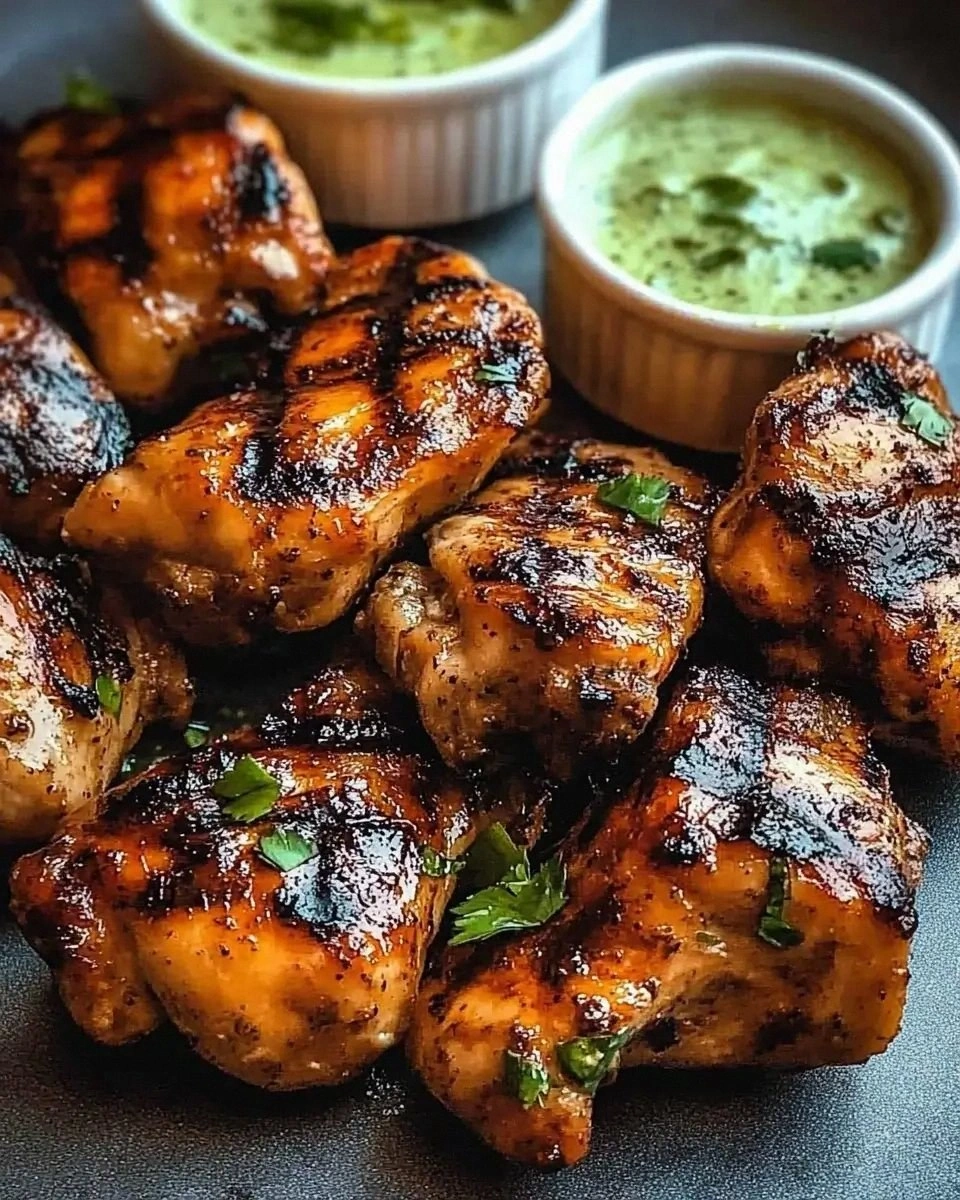
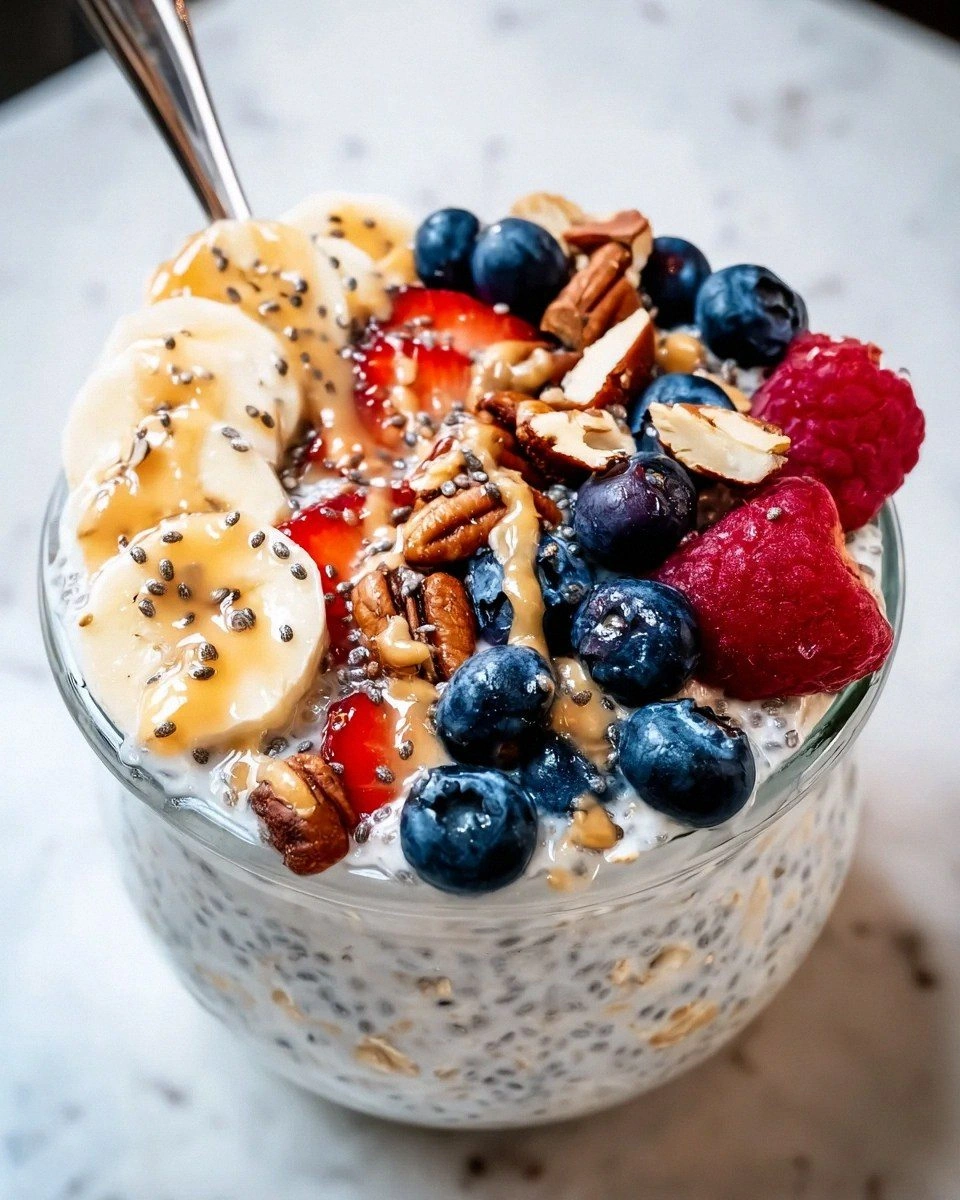
Picture this: It's a rainy Tuesday night, I'm supposed to be making a sensible chicken stir-fry, but instead I'm standing in my kitchen at 8 PM, still in my work clothes, aggressively Googling "can I use frozen mussels for bouillabaisse" while my cat judges me from the countertop. The craving hit me like a freight train — I needed that golden, saffron-kissed broth swimming with tender seafood, that aromatic cloud of fennel and garlic that makes your neighbors wonder what incredible thing you're cooking. I had tasted the real deal in Marseille three years ago, and nothing since then had come close. Most recipes I tried tasted like fancy fish soup, not the soul-warming, complex symphony of flavors that had ruined me for all other seafood stews forever.
So there I was, armed with a questionable selection of seafood from three different grocery stores (because apparently nobody stocks fresh mussels on Tuesdays), a precious pinch of saffron that cost more than my first car payment, and the kind of stubborn determination that makes smart people do foolish things. The first attempt? Let's just say it tasted like someone had dropped a fish market into a pot of tomato soup and called it a day. The second attempt involved a recipe that required a master's degree in French cooking and six hours of my life I'll never get back. But the third attempt — oh, the third attempt — something magical happened. The broth turned that impossible shade of sunset orange, the seafood sang in perfect harmony, and my kitchen filled with the exact aroma that had haunted my dreams for years.
Here's what I learned through those sleepless nights of obsessive testing: traditional bouillabaisse isn't about following a recipe like it's the Ten Commandments. It's about understanding the rhythm of building flavors, knowing when to be patient and when to be bold, and having the confidence to tell authenticity police that yes, you can make incredible bouillabaisse in a regular kitchen with regular equipment. I dare you to taste this version and not go back for seconds — actually, I dare you to taste this and not immediately start planning when you can make it again. This is hands down the best version you'll ever make at home, and I've got the empty pots and raving dinner guests to prove it.
Let me walk you through every single step — by the end, you'll wonder how you ever made it any other way.
What Makes This Version Stand Out
This isn't your grandmother's bouillabaisse (unless your grandmother was a French fisherman with a secret stash of saffron and a PhD in flavor development). What started as a desperate attempt to recreate a vacation memory has become the recipe that friends threaten to kidnap me for. The secret lies in understanding that bouillabaisse isn't just fish soup with fancy spices — it's a carefully orchestrated dance of aromatics, timing, and technique that transforms humble ingredients into something that makes grown adults close their eyes and sigh with every spoonful.
Restaurant-Level Depth: Most recipes get this completely wrong. They throw everything in a pot and hope for the best. Here's what actually works: we build layers of flavor like we're constructing a medieval cathedral, starting with a fennel-onion base that would make a French grandmother weep with joy, then adding saffron at exactly the right moment so it blooms instead of bittering, and finishing with a seafood selection that plays together like a well-rehearsed orchestra.
Foolproof Timing System: If you've ever struggled with rubbery seafood or overcooked fish, you're not alone — and I've got the fix. My timing sequence ensures each type of seafood hits that perfect sweet spot of doneness, so you get buttery scallops, snappy shrimp, and mussels that open like they're singing. The halibut stays in tender chunks instead of dissolving into fish confetti, and every bite tastes like it was cooked to order.
Weeknight Accessible: Contrary to what those intimidating French cookbooks tell you, you don't need a copper pot handed down from Escoffier himself or seafood so fresh it still has the ocean's credit card. I've tested this with supermarket ingredients, and it still transports you to a Marseille bistro. Sure, fresh seafood is better, but I've made this with frozen shrimp and canned clams when that's what I had, and dinner guests still fought over the last drops.
The Saffron Situation: Let's be real — saffron costs more per gram than some illegal substances, but here's the thing: you need it, and you need the good stuff. Those sad little packets in the spice aisle? Leave them for people who think Olive Garden is authentic Italian. Real saffron should smell like honeyed hay and make your broth glow like liquid sunshine. It's not optional, it's not negotiable, and once you taste the difference, you'll understand why it's worth every penny.
Crowd Psychology: Picture yourself pulling this out of the oven, the whole kitchen smelling like you've kidnapped a French fisherman and forced him to cook for you. The golden broth steams in the bowl, the seafood glistens like treasure from the deep, and suddenly everyone you've ever met is volunteering to do your dishes if you'll just share the recipe. I've seen vegetarians contemplate breaking their vows for one spoonful of this broth.
Make-Ahead Magic: Here's where I get a little sneaky. The base broth actually improves if you make it a day ahead, letting all those gorgeous flavors meld and deepen. Then you just reheat and add seafood when you're ready to serve — perfect for dinner parties when you want to look effortlessly brilliant. I'll be honest: I ate half the batch before anyone else got to try it, and I have zero regrets.
Alright, let's break down exactly what goes into this masterpiece...
Inside the Ingredient List
The Flavor Base
The foundation of any great bouillabaisse reads like a who's who of Mediterranean aromatics, but each ingredient has a specific job that can't be outsourced. The olive oil isn't just for preventing sticking — it's the carrier for all the fat-soluble flavors we're about to create, so splurge on the good stuff that actually tastes like olives instead of the generic bottle that's been sitting in your pantry since the Bush administration. When it hits the hot pot and starts shimmering like liquid gold, that's your cue that something magical is about to happen.
The fennel bulb is where most recipes chicken out and suggest celery as a substitute, but that's like replacing a Stradivarius with a kazoo and expecting the same concert. Fresh fennel brings this incredible sweetness and subtle licorice note that makes the whole dish taste like it was kissed by Mediterranean sunshine. When you're selecting your bulb, look for ones that feel heavy for their size with fronds that look perky, not like they've been through a windstorm. If your grocery store only has sad, wilted specimens, drive to another store — I'm dead serious about this.
Your onion should be the yellow variety, not white or sweet, because yellow onions have the perfect balance of sulfur compounds that break down into sweetness as they cook. Dice it medium-small — too large and you get onion chunks that overpower the delicate seafood, too small and they disappear into nothingness. And please, for the love of Julia Child, don't use pre-chopped onions from a container. They've lost all their volatile compounds and will taste like crunchy water.
The Texture Crew
Here's where we get strategic about seafood selection. Halibut is my go-to for the firm fish component because it holds together like a champion, stays tender even if you accidentally cook it thirty seconds too long, and has this clean, sweet flavor that plays beautifully with the saffron broth. Skip the Chilean sea bass (overfished and overpriced) and cod (gets flaky and falls apart). If you can't find halibut, monkfish works beautifully — it's actually traditional in some parts of France and has the added bonus of looking like something that might eat you back.
Mussels are non-negotiable, and here's why: they release their liquor into the broth, adding this incredible briny depth that you can't get any other way. Plus, there's something deeply satisfying about fishing them out of their shells like you're participating in your own personal treasure hunt. Look for ones that are tightly closed or close when you tap them — any that stay open are already checking out and will taste like low tide on a hot day.
The shrimp need to be raw, not pre-cooked, because cooked shrimp turn into rubber bullets when you reheat them. Size matters here — go for large or extra-large so they stay juicy and don't disappear into the stew. And leave the tails on, not because I'm trying to make your life difficult, but because they add flavor to the broth and make the whole thing look like you know what you're doing.
The Unexpected Star
Saffron threads are the diva of the spice world — expensive, temperamental, but absolutely irreplaceable. Good saffron should come in deep crimson threads, not yellow powder, and should smell like honey mixed with hay and summer. The trick is knowing how to handle it: steep it in warm water for at least ten minutes before adding it to the pot, and add it at the right moment so its volatile compounds don't cook off. I once tried doubling the saffron thinking more would be better — the result tasted like perfume mixed with regret.
Cayenne pepper might seem out of place in a French dish, but it's the secret weapon that makes all the other flavors pop. You won't taste heat, exactly — it just adds this gentle warmth that makes people say "what's in this that makes it so addictive?" Start with less than you think you need; you can always add more, but you can't take it out once it's in there.
The Final Flourish
Fresh herbs at the end aren't just for pretty Instagram photos — they add brightness and freshness that lifts the whole dish from rich to perfectly balanced. Basil brings anise notes that echo the fennel, while parsley adds grassiness that makes the seafood taste ocean-fresh. Chop them roughly, not finely, because you want little bursts of herb flavor, not green confetti that gets lost in the stew.
Everything's prepped? Good. Let's get into the real action...
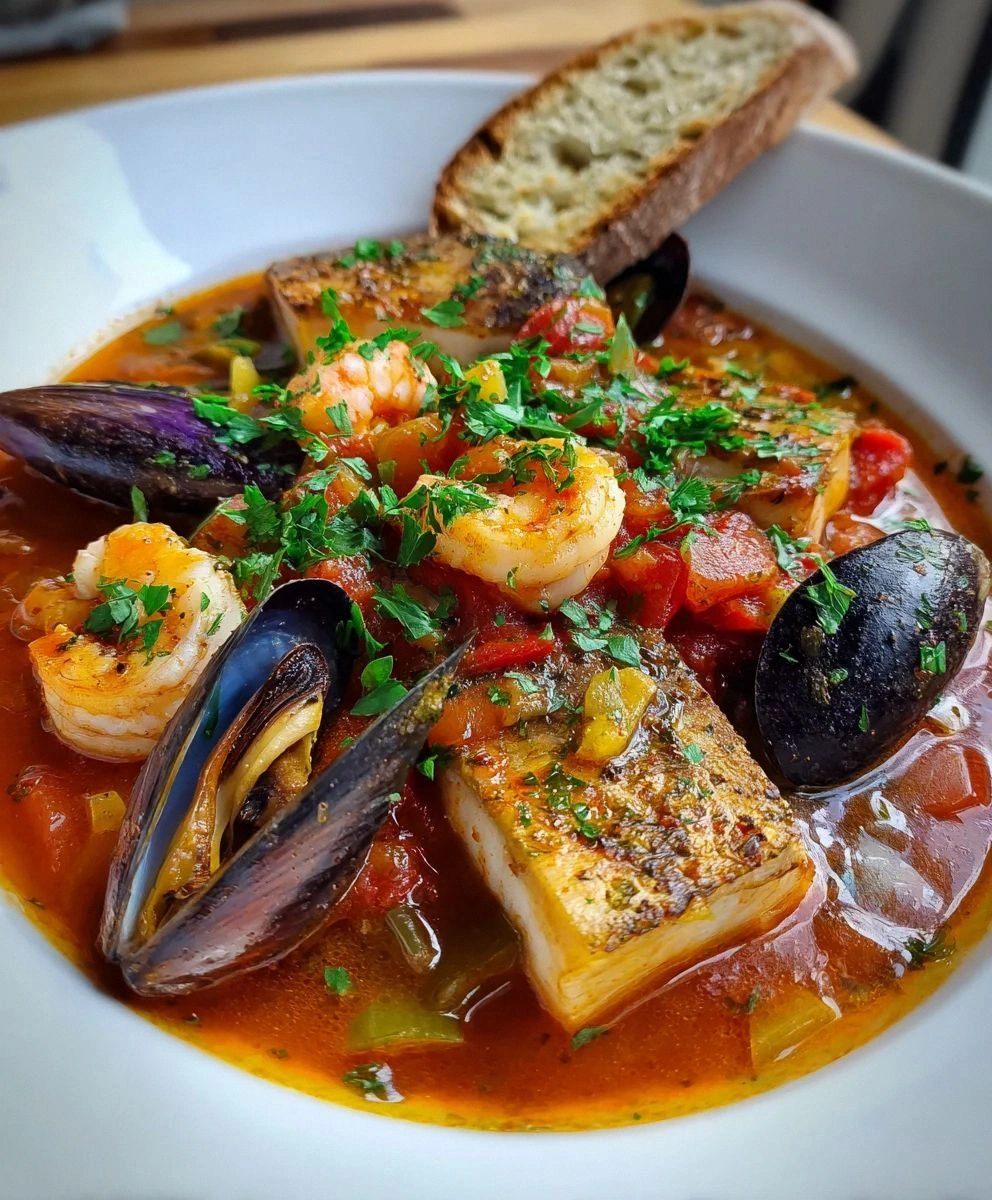
The Method — Step by Step
- Start with your widest, heaviest pot — I'm talking about the one that makes your wrists complain when you lift it. Heat 3 tablespoons of olive oil over medium heat until it shimmers like a mirage and moves like water across the bottom. Add the butter and swirl until it foams and just starts to brown — this isn't just for richness, the milk solids in the butter add incredible nutty flavor that pure oil can't achieve. When you see those tiny brown flecks forming, that's your cue that the foundation is ready for the aromatics. Don't rush this step — this is where we build the flavor backbone that everything else will cling to.
- Throw in your diced fennel and onion with a generous pinch of salt — the salt helps draw out moisture and prevents burning while the vegetables soften. You want to hear a gentle sizzle, not angry popping, so adjust your heat accordingly. Stir occasionally, but not constantly — we want them to develop some golden edges that add caramelized depth. After about 8 minutes, they'll start to look translucent and smell like you're walking through a Mediterranean market at sunrise. That's when you know it's time for the garlic.
- Clear a little space in the center of the pot and add your minced garlic directly on the hot surface. Let it sit for 15 seconds before stirring — this toasts the garlic and removes that harsh raw edge while keeping all the sweet, nutty flavor. Mix everything together and cook for another minute, until your kitchen smells like you should be wearing stripes and a beret. This is the moment when neighbors start randomly dropping by to see "what smells so incredible."
- Now for the spice parade: add your thyme, paprika, and cayenne, stirring constantly for 30 seconds. This toasts the spices and awakens their essential oils — you'll smell them bloom and become more fragrant. Don't walk away here — spices go from perfectly toasted to bitterly burnt faster than you can say "sacré bleu." The paprika should smell smoky and sweet, not acrid. If it starts smelling sharp or burnt, immediately move to the next step.
- Here's where we get fancy with the saffron. Take your precious threads and crumble them into 2 tablespoons of warm water in a small bowl. Let them steep while you add the clam juice and diced tomatoes to the pot. The saffron water should turn a deep golden color — if it looks pale yellow, your saffron is past its prime and you need new stuff. Pour the saffron liquid into the pot, along with the bay leaves, and bring everything to a gentle simmer. Your broth should immediately transform into that signature sunset color that makes bouillabaisse look like liquid gold.
- Let the broth simmer uncovered for 15 minutes — this concentrates the flavors and lets the tomatoes break down naturally. You want to see gentle bubbles rising to the surface, not a rolling boil that would toughen the seafood we're about to add. Stir occasionally, scraping up any flavorful bits that stick to the bottom. The broth should thicken slightly and turn from bright to a deeper, more sophisticated orange. Taste it now — it should be bright and tomato-forward with a subtle saffron perfume.
- Okay, ready for the game-changer? This next part is pure magic. Start with the halibut chunks — nestle them into the broth so they're mostly submerged but not crowded. They should start turning opaque around the edges almost immediately. After 3 minutes, add the mussels, distributing them evenly around the pot. The mussels will release their liquor into the broth, adding incredible briny depth. Cover the pot for 2 minutes — this creates a steam environment that helps the mussels open while keeping the halibut tender.
- Now for the final seafood wave: add the scallops and shrimp, tucking them into the spaces between the other seafood. The scallops should sizzle slightly as they hit the hot broth, and the shrimp will turn from gray to pink as they cook. Cover again for 2-3 minutes, just until the shrimp curl into gentle C shapes and the scallops are opaque but still tender in the center. Overcooked shrimp curl into tight O shapes and taste like rubber bands — pull them off the heat while they still have some flexibility.
- Remove from heat immediately and let it rest for 2 minutes — this allows the residual heat to finish cooking everything gently. Fish out and discard the bay leaves, because nobody wants to chomp down on a leathery leaf. Sprinkle with the fresh herbs and serve piping hot with toasted baguette slices for sopping up every last drop of that ambrosial broth. The contrast between the hot, fragrant stew and the crispy, crunchy bread is what food dreams are made of.
- That's it — you did it. But hold on, I've got a few more tricks that'll take this to another level...
Insider Tricks for Flawless Results
The Temperature Rule Nobody Follows
Here's the thing that separates restaurant-quality bouillabaisse from home-cooked versions: temperature control. Your broth should never bubble aggressively once seafood goes in — think of it as a gentle jacuzzi, not a rolling jacuzzi. If you see vigorous bubbles, immediately reduce the heat or pull the pot off the burner. High heat makes seafood proteins seize up tighter than my grip on the last slice of pizza, resulting in rubbery shrimp and scallops that bounce off the plate. The perfect temperature is when you see tiny bubbles occasionally breaking the surface, like the broth is whispering secrets to the seafood. A friend tried skipping this step once — let's just say it didn't end well, and her dinner guests still refer to it as "the bouillabaisse incident."
Why Your Nose Knows Best
Trust your sense of smell more than your timer. When the saffron is properly bloomed, you'll smell this incredible honey-floral aroma that's different from the sharp scent of raw threads. The onions are perfectly caramelized when they smell sweet and nutty, not sharp and sulfurous. Garlic is done when it smells fragrant and slightly sweet, not acrid and biting. And here's the big one: seafood is perfectly cooked when you smell the ocean, not fishiness. That briny, clean aroma means everything is at its peak — ignore the timer and pull it off the heat immediately. Your nose is smarter than any recipe writer's timing suggestions.
The 5-Minute Rest That Changes Everything
After you pull the pot off the heat, resist the urge to serve immediately. Let it rest for exactly 5 minutes — not 3, not 7, but 5. During this time, the residual heat finishes cooking the centers of your scallops while keeping them tender, the flavors meld and deepen, and the broth develops this incredible silky texture. Cover the pot with a tight lid so nothing escapes. If you serve too early, the seafood centers are still translucent and the flavors taste separate. Wait too long and everything overcooks in its own heat. Set a timer and trust the process — those five minutes transform good bouillabaisse into legendary bouillabaisse.
The Broth-Clarifying Secret
If your broth looks cloudy and muddy instead of clear and golden, here's the restaurant trick: beat one egg white until foamy and gently stir it into the simmering broth. The proteins in the egg white attract all the tiny particles that make it cloudy, and within 2 minutes you'll see them rise to the surface in unattractive little clumps. Carefully skim these off with a fine-mesh strainer, and voilà — crystal-clear broth that looks like it came from a Michelin-starred kitchen. Don't worry about egg flavor — the small amount gets overwhelmed by the saffron and seafood, leaving only pristine, beautiful broth.
Creative Twists and Variations
This recipe is a playground. Here are some of my favorite ways to switch things up:
The Spanish Holiday Version
Swap the saffron for smoked paprika and add a pinch of saffron for color — you get this incredible smoky-sweet broth that tastes like vacation in Valencia. Add some Spanish chorizo coins when you sauté the vegetables, and finish with a splash of sherry instead of herbs. The smoky paprika plays beautifully with the seafood, and the chorizo adds this incredible depth that makes it taste like it's been simmering for hours. This version is perfect for people who think they don't like "fishy" food — the smokiness balances everything out.
The Low-Country Coastal Take
Replace the fennel with diced celery and bell pepper for the holy trinity of Southern cooking. Use Old Bay seasoning instead of thyme, and swap the saffron for a pinch of turmeric for color. Add some andouille sausage slices and finish with fresh thyme and a splash of hot sauce. It becomes this incredible mashup of bouillabaisse and shrimp boil that works shockingly well. Serve it over grits instead of with bread for the full Southern experience.
The Asian-Fusion Weeknight Version
Keep the base technique but swap the flavorings: use ginger and lemongrass instead of fennel, replace paprika with white pepper, and finish with cilantro and lime instead of basil. Add some miso paste to the broth for incredible umami depth, and a splash of fish sauce instead of salt. The result is this incredible East-meets-West stew that comes together in 20 minutes but tastes like something from a fusion restaurant. My kids actually prefer this version — the familiar Asian flavors make the seafood less intimidating.
The Budget-Conscious College Edition
Use frozen mixed seafood, canned clams, and skip the saffron entirely — use a pinch of turmeric for color and a bay leaf for complexity. It won't be authentic, but it'll be delicious and costs about $3 per serving. Add some diced potatoes to stretch it further, and serve it over rice instead of with expensive baguette. Is it bouillabaisse? Technically no. Is it delicious and nutritious and better than ramen? Absolutely yes.
The Special-Occasion Splurge
Add lobster tails, fresh crab meat, and some chunks of fresh tuna for the ultimate seafood celebration. Use fish stock made from roasted fish bones instead of clam juice, and double the saffron. Finish with a drizzle of white truffle oil and serve with champagne for the kind of meal that people talk about for years. This is what I make for milestone anniversaries and when I need to impress someone who thinks they know good food. It's outrageously expensive but life-changingly good.
Storing and Bringing It Back to Life
Fridge Storage
Here's the hard truth: bouillabaisse is best fresh, but life happens and sometimes you need leftovers. Store the seafood and broth together in a covered container, but understand that the texture will never be quite the same. The key is to cool it quickly — divide it into shallow containers so it drops to safe temperature within 2 hours. It'll keep for up to 2 days in the coldest part of your fridge, but honestly, after 24 hours the seafood starts getting that sad, overcooked texture that makes you wish you'd eaten it all fresh.
Freezer Friendly
Don't do it. Just don't. The seafood becomes rubbery, the broth separates into unappetizing layers, and you'll end up throwing it away anyway. If you absolutely must freeze it, freeze only the broth after straining out all the seafood. You can then reheat the broth and add fresh seafood when you're ready to serve. The frozen broth keeps for 2 months and actually concentrates in flavor — just add a splash of water when reheating because it becomes quite concentrated.
Best Reheating Method
Gentle is the name of the game here. Reheat in a covered pot over the lowest possible heat, stirring as little as possible to avoid breaking up the fish. Add a splash of water or white wine to loosen the broth, and stop as soon as it's heated through — overheating is what turns seafood into rubber. If you're really particular, remove the seafood with a slotted spoon, reheat the broth separately until steaming, then return the seafood for just 30 seconds to warm through. It's extra work, but it's the difference between edible and incredible.