Picture this: it’s a cold Tuesday night, the kind where the wind whistles through the cracks of your windows and you’re staring at a pantry that looks like a culinary crime scene. I had a half‑cooked batch of ground beef, a lonely link of gluten‑free Italian sausage, and a mountain of potatoes that were begging for a purpose. I tossed them together in a frantic attempt to stave off hunger, and the result was…well, let’s just say it was a disaster that tasted like a sad, soggy mess. That night, I made a promise to myself: never again would I settle for a mediocre shepherd’s pie that feels like a bland casserole.
Fast forward a few weeks, and I’m standing in my kitchen with a pot of simmering broth, a pan of sizzling aromatics, and a head full of ideas. I wanted something that could hug you from the inside, like a warm blanket on a winter evening, but also surprise you with a luxurious, velvety creaminess that makes every bite feel like a celebration. I started experimenting with a double‑layered potato topping—russet for that classic, buttery crunch and sweet potato for a subtle caramel kiss. Then I introduced a secret weapon: a light, glossy roux made with rice flour that binds everything together without turning the dish into a gummy swamp.
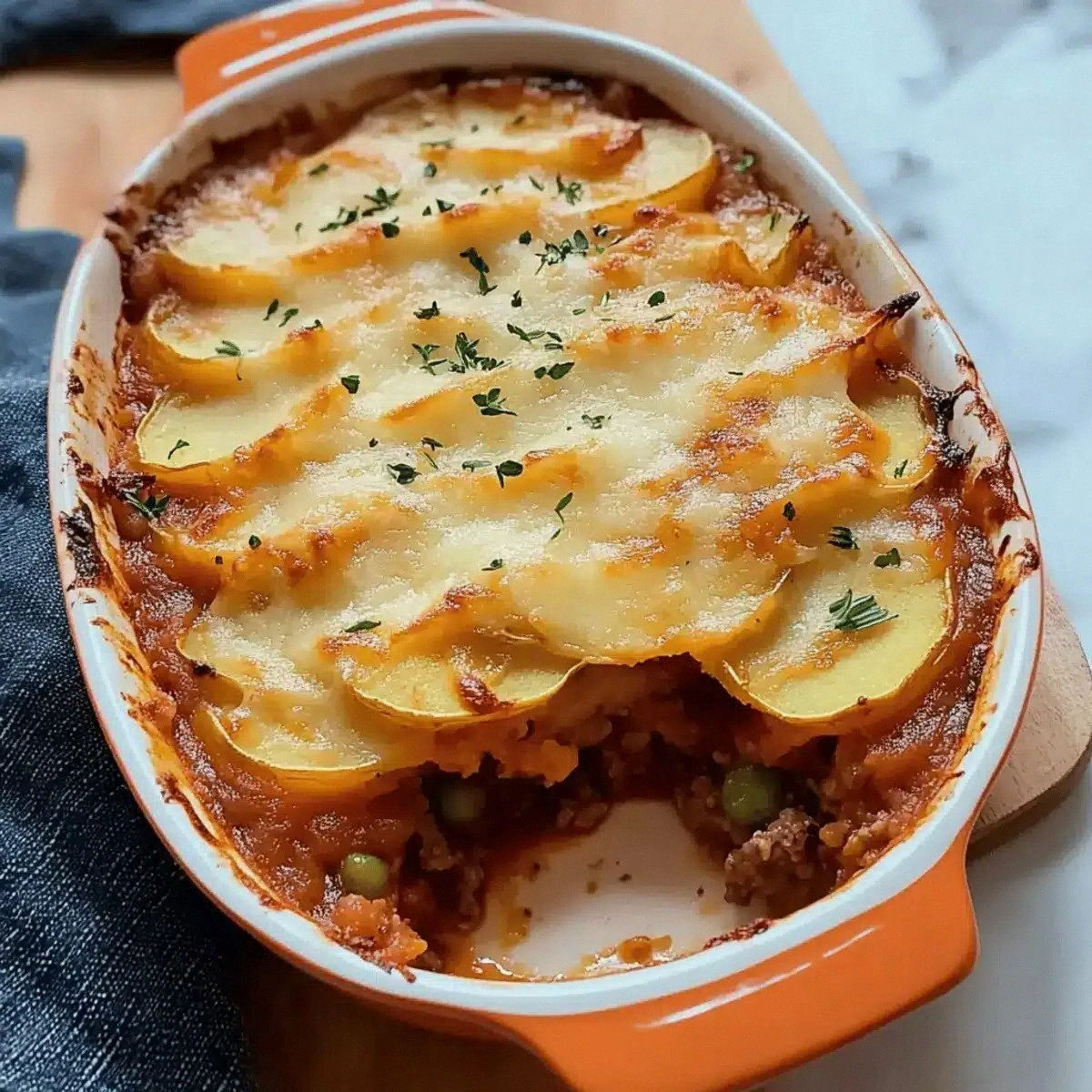
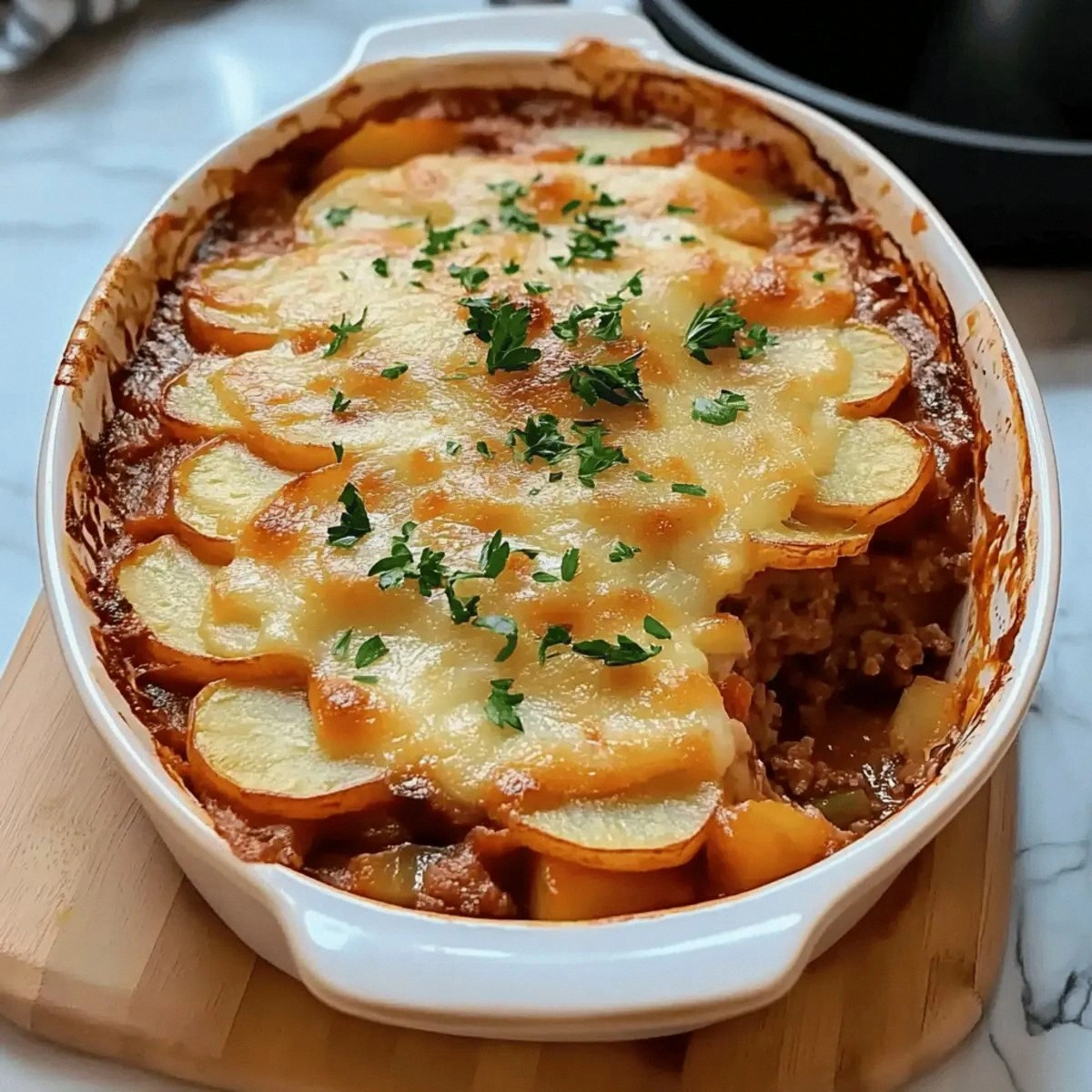
The moment I pulled the golden, bubbling masterpiece from the oven, the kitchen was filled with a perfume that could coax even the most stubborn food‑phobe to the table. The top was a perfect, slightly crisped gratin, the middle a hearty, meaty stew that sang with thyme, Worcestershire, and a splash of gluten‑free broth, and the bottom? A silky, melt‑in‑your‑mouth blend of Gruyère and Parmesan that stretched like a dream. I dared you to taste this and not go back for seconds—because, honestly, I’m pretty sure you’ll be begging for a third serving before the pie even cools.
This isn’t just another shepherd’s pie; this is the hands‑down best version you’ll ever make at home. Most recipes get the texture wrong—either soggy potatoes or a dry, crumbly filling. I’ve cracked the code with a few game‑changing techniques: a quick sauté of garlic and sweet onion that builds a flavor foundation, a strategic use of tomato paste for depth, and a finishing dusting of paprika that adds a whisper of smoky heat. And the secret ingredient? A modest handful of fresh Italian parsley that brightens the whole dish like a splash of sunrise.
Let me walk you through every single step — by the end, you’ll wonder how you ever made it any other way. Okay, ready for the game‑changer? Grab your apron, and let’s dive into the most irresistibly creamy gratin shepherd’s pie you’ll ever taste.
What Makes This Version Stand Out
- Flavor Explosion: The combination of lean beef, gluten‑free Italian sausage, and a splash of Worcestershire creates a savory depth that outshines any store‑bought version.
- Creamy Gratin Top: A duo of russet and sweet potato slices, brushed with butter and dusted with seasoned salt, forms a luscious, melt‑in‑your‑mouth crust.
- Simple Yet Sophisticated: Only a handful of pantry staples are needed, yet each step adds a layer of complexity that feels restaurant‑grade.
- Texture Harmony: The interior stays moist thanks to the rice‑flour roux, while the top achieves that coveted crispy‑edge‑that‑shatters‑like‑thin‑ice finish.
- Crowd‑Pleaser: Whether you’re feeding a family of picky eaters or impressing friends at a dinner party, this pie gets rave reviews every single time.
- Ingredient Quality: Using gluten‑free sausage and broth keeps the dish inclusive without sacrificing flavor.
- One‑Pan Efficiency: From sauté to bake, everything happens in the same pan, meaning less cleanup and more time to enjoy.
- Make‑Ahead Magic: Assemble the night before, refrigerate, and bake the next evening for a stress‑free dinner.
Alright, let's break down exactly what goes into this masterpiece...
Inside the Ingredient List
The Flavor Base
1 lb Lean Ground Beef provides the hearty backbone. Its low fat content means you won’t end up with a greasy mess, and the meat stays tender when simmered with broth. If you skip it, the pie loses its meaty soul, turning into a vegetable casserole instead. A good tip: pat the beef dry with paper towels before browning to achieve that perfect caramelization.
1 link Gluten‑Free Italian Sausage adds a burst of fennel, garlic, and herbs that the beef alone can’t deliver. The gluten‑free label keeps the dish inclusive, and the link format makes portion control a breeze. If you can’t find gluten‑free sausage, a regular Italian sausage works fine—just be mindful of the extra gluten.
1 tbsp Olive Oil is the silent workhorse that carries flavor into the pan without burning. It also helps the garlic and onion release their aromatics. Use a high‑quality extra‑virgin olive oil for a fruitier note that elevates the overall taste.
The Texture Crew
1 Russet Potato, thinly sliced creates that classic, buttery crunch on the top. Its high starch content ensures a crisp edge while staying fluffy inside. Slice uniformly—about 1/8 inch thick—to guarantee even cooking. If you over‑slice, you risk a soggy top; too thick and the center stays raw.
1 Sweet Potato, peeled and thinly sliced brings a subtle caramel sweetness that balances the savory meat. It also adds a gorgeous orange hue that makes the dish look Instagram‑ready. When the sweet potato slices are too thick, they can become gummy, so keep them as thin as the russet slices.
Rice Flour is the unsung hero of the roux. It thickens the sauce without adding gluten, keeping the texture silky rather than pasty. If you run out, cornstarch works as a substitute, but the flavor will be slightly less nuanced.
The Unexpected Star
1 cup Gruyère Cheese, grated melts into a smooth, buttery layer that pulls the whole pie together. Its nutty undertones complement the meat and potatoes perfectly. Skipping it would make the topping dry; using a milder cheese like mozzarella would lose the depth.
0.25 cup Parmesan Cheese, grated adds a salty, umami kick and helps form that golden crust. It also contributes a slight crunch when it caramelizes on top. If you’re out of Parmesan, Pecorino Romano is a great alternative.
Fresh Italian Parsley isn’t just for garnish. A handful, chopped finely, brightens the heavy flavors and adds a pop of color that makes the dish feel fresh. If you don’t have parsley, a sprinkle of fresh chives works in a pinch.
The Final Flourish
3 tbsp Tomato Paste is the secret weapon for depth. It adds a rich, umami‑laden sweetness that balances the acidity of the broth. Without it, the sauce would taste flat and watery. Opt for a low‑sugar variety to keep the flavor balanced.
1 tbsp Gluten‑Free Worcestershire Sauce introduces a subtle tang and a hint of anchovy that rounds out the savory profile. If you’re allergic to anchovies, you can substitute with a splash of balsamic vinegar.
1 cup Gluten‑Free Broth provides the liquid base that keeps the meat moist and helps the roux bind everything together. Homemade broth is best, but a good quality store‑bought version works just fine.
Seasoned Salt, Paprika, Salt & Pepper are the finishing touches that bring everything into harmony. The seasoned salt adds a layered flavor, while paprika gives a gentle smoky whisper on the top. Taste as you go; you’ll want to adjust the seasoning to match your palate.
Everything's prepped? Good. Let's get into the real action...
The Method — Step by Step
-
Heat the olive oil in a large, heavy‑bottomed skillet over medium heat. Once shimmering, add the minced garlic and diced sweet onion. Sauté for 2‑3 minutes until the onion becomes translucent and the garlic releases a fragrant, buttery aroma. That sizzle when it hits the pan? Absolute perfection. Then, crumble in the lean ground beef and the link of Italian sausage, breaking the sausage into bite‑size pieces with a wooden spoon. Cook, stirring occasionally, until the meat loses its pink hue and starts to brown—about 6‑8 minutes.
Kitchen Hack: Use a splatter guard while browning the meat; you’ll keep the stovetop clean and still get that beautiful caramel color. -
When the meat is nicely browned, stir in the dried thyme, a generous pinch of salt, and freshly ground black pepper. Add the tomato paste, letting it cook for another 2 minutes; this step deepens the flavor and removes any raw tomato taste. Next, pour in the gluten‑free Worcestershire sauce and the broth, scraping the bottom of the pan to release any browned bits—those are flavor gold.
Bring the mixture to a gentle simmer, then reduce the heat to low. Let it bubble softly for about 10 minutes, allowing the sauce to thicken and the flavors to meld. Taste and adjust seasoning; you should hear a faint, comforting hum from the pot as the aromas intensify.
-
While the meat simmers, prepare the roux. In a separate saucepan, melt the butter over medium heat. Once melted, whisk in an equal amount of rice flour (about 2 tablespoons) to form a smooth paste. Cook the roux for 1‑2 minutes, watching it turn a light golden hue—this is your “cream‑maker” stage.
Gradually whisk in the remaining broth, a little at a time, ensuring a silky, lump‑free consistency. Continue whisking until the sauce thickens to a velvety coat that clings to the back of a spoon. This is where the magic happens; the sauce should feel luxurious, not gummy.
Watch Out: If the roux gets too dark, it will impart a bitter flavor. Keep the heat moderate and stir constantly. -
Combine the roux with the simmering meat mixture, stirring until fully incorporated. The sauce should now have a glossy sheen and a thickness that’s just right for coating the potatoes later. Add the frozen mixed vegetables, letting them warm through for about 3‑4 minutes. The veggies add color, texture, and a subtle sweetness that balances the savory base.
-
Preheat your oven to 400°F (200°C). While the oven warms, arrange the sliced potatoes in a single, overlapping layer at the bottom of a deep baking dish—alternating russet and sweet potato for visual appeal. Drizzle the butter over the top, then sprinkle seasoned salt and a light dusting of paprika. This creates a buttery, seasoned crust that will turn golden and crisp.
Spread the meat‑vegetable mixture evenly over the potatoes, using a spatula to smooth it out. The mixture should sink slightly into the gaps between the slices, ensuring every bite gets a bit of everything.
-
Sprinkle the grated Gruyère and Parmesan cheeses generously over the surface. The cheese will melt, mingle with the butter, and form that coveted gratin layer. For extra drama, add a final pinch of paprika on top; it will bloom into a deep, rust‑colored finish as it bakes.
Kitchen Hack: If you like an ultra‑crispy top, switch the oven to broil for the last 2‑3 minutes, watching closely to avoid burning. -
Slide the dish into the preheated oven and bake for 25‑30 minutes, or until the cheese is bubbling and the edges of the potato slices are pulling away, revealing a golden‑brown crust. The aroma should fill your kitchen like a warm hug, and you’ll hear a faint crackle from the top—a sign that the gratin is achieving that perfect, slightly crisped finish.
When the timer dings, remove the pie and let it rest for 5‑7 minutes. This rest period lets the juices settle and the cheese set just enough to cut clean slices without the topping sliding off.
-
Finally, garnish with a scattering of fresh Italian parsley. The green speckles add a pop of color and a fresh herbal note that cuts through the richness. Serve hot, and watch as your guests dive in with forkfuls that melt in their mouths. I dare you to taste this and not go back for seconds.
That’s it — you did it. But hold on, I’ve got a few more tricks that'll take this to another level…
Insider Tricks for Flawless Results
The Temperature Rule Nobody Follows
Never bake a shepherd’s pie straight from the fridge. Let the assembled dish sit at room temperature for 15 minutes before sliding it into the oven. This small step ensures the potatoes cook evenly and the cheese melts uniformly, preventing a soggy center. I once rushed the process and ended up with a pie that was half‑cooked in the middle—trust me, it’s a lesson learned the hard way.
Why Your Nose Knows Best
Rely on scent, not just timers. When the cheese starts to turn a deep golden hue and you catch that buttery, nutty perfume, you know the gratin is ready. If you wait for the timer alone, you might over‑bake and lose that delicate crispness. Your nose is a built‑in kitchen timer—listen to it.
The 5‑Minute Rest That Changes Everything
After baking, let the pie rest uncovered for exactly five minutes. This allows the internal steam to redistribute, making each slice hold together beautifully. Skipping this step often results in a pie that falls apart when you cut into it, turning a gorgeous presentation into a mess.
Butter Brush Technique
Instead of melting butter in the microwave, brush softened butter onto the potato slices just before baking. The butter seeps into the edges, creating a crisp that shatters like thin ice. This method also prevents the potatoes from becoming greasy.
Cheese Layering Secret
Layer the Gruyère first, then the Parmesan. Gruyère melts smoothly, forming a velvety base, while Parmesan sits on top, caramelizing into that golden crust you love. Swapping the order can lead to a less cohesive top layer.
Creative Twists and Variations
This recipe is a playground. Here are some of my favorite ways to switch things up:
Spicy Chipotle Kick
Swap the paprika for chipotle powder and add a tablespoon of adobo sauce to the meat mixture. The smoky heat pairs beautifully with the sweet potatoes, giving the pie a bold, southwestern vibe.
Herb‑Infused Veggie Medley
Replace the frozen mixed vegetables with a blend of roasted zucchini, bell peppers, and mushrooms. Toss them in fresh rosemary and thyme before adding to the sauce for an earthy, garden‑fresh twist.
Cheesy Bacon Deluxe
Stir crisped, gluten‑free bacon bits into the meat filling and increase the Gruyère by half a cup. The smoky bacon adds crunch, while extra cheese makes the top even more indulgent.
Vegan Dream
Use a plant‑based ground “beef” and gluten‑free sausage alternative, swap butter for olive oil, and replace the cheese with a dairy‑free cheddar blend. The roux can be made with cornstarch instead of rice flour. The result is a comforting vegan shepherd’s pie that still boasts that creamy gratin finish.
Heritage Grain Crust
Layer a thin sheet of cooked quinoa or millet between the potato slices for added texture and a subtle nutty flavor. This not only boosts the nutritional profile but also gives a pleasant bite contrast.
Sweet & Savory Fusion
Incorporate a handful of dried cranberries or apricots into the meat mixture. The fruit’s natural sweetness pairs unexpectedly well with the savory sauce, creating a holiday‑ready version that’s perfect for festive gatherings.
Storing and Bringing It Back to Life
Fridge Storage
Allow the pie to cool completely, then cover tightly with foil or plastic wrap. Store in the refrigerator for up to 3 days. Reheat in a preheated 350°F (175°C) oven for 20‑25 minutes, covered with foil for the first half to keep it moist, then uncover to re‑crisp the top.
Freezer Friendly
Portion the assembled, uncooked pie into a freezer‑safe dish, wrap tightly with a double layer of foil, and freeze for up to 2 months. When ready, thaw overnight in the fridge, then bake as directed, adding an extra 10‑15 minutes to the baking time.
Best Reheating Method
For the ultimate reheated slice, place the portion on a baking sheet, add a tiny splash of water (about a tablespoon) around the edges, and cover loosely with foil. Heat at 375°F (190°C) for 15 minutes, then remove foil and bake an additional 5 minutes to restore the crunchy crust.