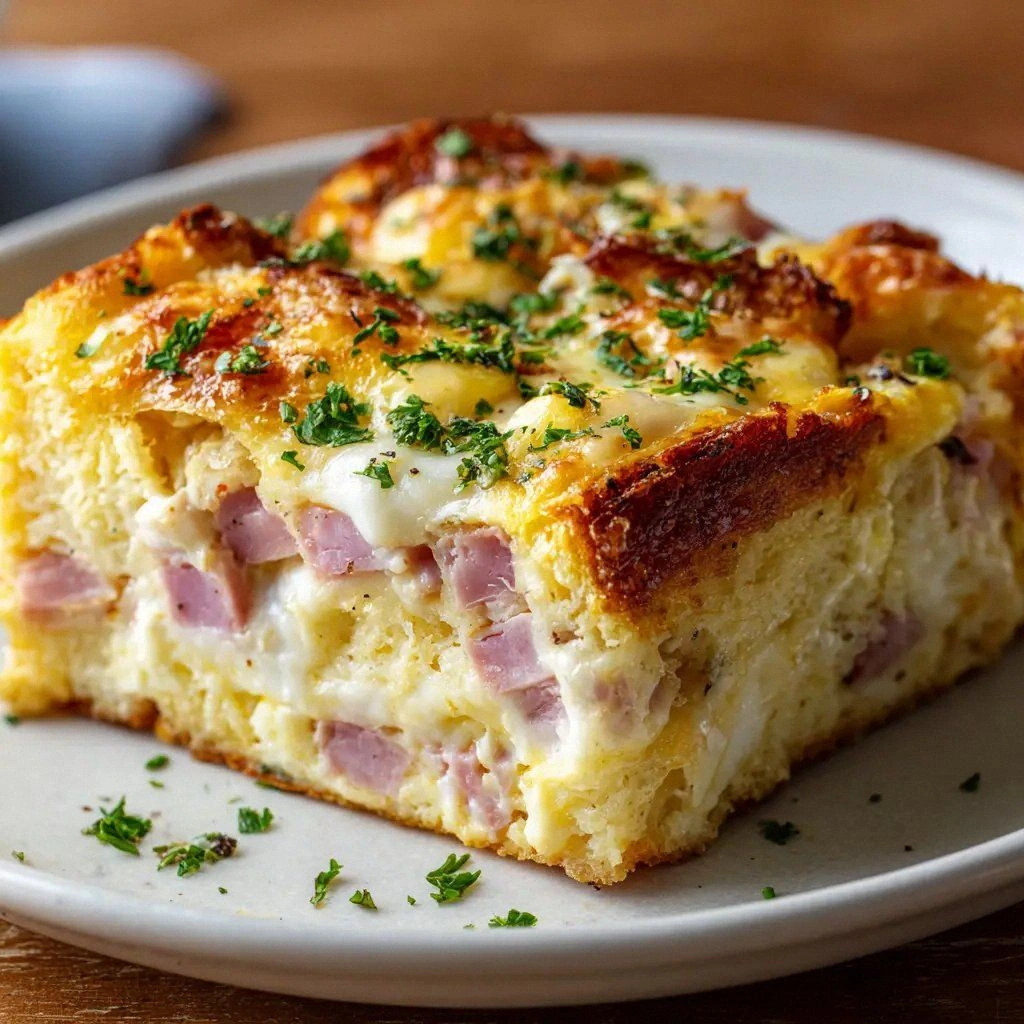
Picture this: it’s a rainy Saturday morning, the kitchen lights flicker over a stack of soggy toast that has already gone stale, and I’m staring at an empty fridge that feels more like a culinary void. I had been craving the comforting embrace of a classic Monte Cristo, but the last time I tried it, the sandwich fell apart like a bad soap opera plot—no golden crust, no melt‑in‑your‑mouth cheese, just a sad, soggy mess. That day, I made a promise to myself: I would rewrite the recipe, turning it into a breakfast casserole that delivers the same indulgent flavors, but with a structure so sturdy that even a clumsy hand can handle it. I’m about to take you on a culinary adventure that starts with a daring twist—using a loaf of challah or brioche as the backbone of a savory‑sweet symphony that will make your taste buds sing. The result? A dish that’s hands down the best version you’ll ever make at home, and I dare you to taste this and not go back for seconds.
Now, let’s talk senses. The first thing you’ll notice is the aroma that fills the kitchen—warm, buttery bread, the subtle sweetness of vanilla, and a hint of mustard that cuts through the richness like a crisp morning breeze. As you slide the casserole into the oven, the sound of the metal pan clinking against the counter is a prelude to the golden crust that will form on top. When you take the first bite, the contrast between the soft, slightly sweet bread and the creamy, melty cheeses creates a texture that feels like a hug in a mug. The ham and turkey add a savory depth that balances the sweet jam drizzle, while the powdered sugar dusting on top gives a gentle crunch that’s almost cinematic. Every mouthful is a layered experience, from the crunchy edges to the silky interior, making the dish feel like a carefully choreographed dance of flavors.
What makes this version stand out, you ask? First, it’s the use of challah or brioche instead of plain bread, which gives a tender crumb that soaks up the custard without disintegrating. Second, the combination of Swiss and Gruyère cheeses creates a melty, nutty base that’s richer than the usual cheddar-only versions. Third, the addition of Dijon mustard and vanilla extract brings a surprising depth, marrying sweet and savory in a way that’s rarely achieved in breakfast casseroles. Fourth, the raspberry jam on top introduces a bright, fruity contrast that lifts the entire dish. Finally, the technique of layering the bread, meats, and cheeses before pouring the custard ensures even baking and a perfect, golden top that’s both crunchy and caramelized. Picture yourself pulling this out of the oven, the whole kitchen smelling incredible, and knowing that you’ve created something that will be talked about long after the last bite.
But before we dive into the details, let’s set the stage. I’ll walk you through every single step, from prepping the bread to the final glaze. By the end, you’ll wonder how you ever made it any other way. And trust me, the trickiest part is not the cooking—it's the small details that elevate the dish from good to unforgettable. So grab your apron, and let’s get started on the ultimate Monte Cristo Breakfast Casserole.
What Makes This Version Stand Out
- Taste: The blend of sweet vanilla, sharp Dijon, and fruity raspberry creates a flavor profile that feels both comforting and adventurous.
- Texture: The challah or brioche base absorbs the custard, resulting in a moist interior, while the top crisps to a golden, slightly caramelized finish.
- Simplicity: Despite its layers, the recipe requires minimal prep—no complex sauces or exotic ingredients.
- Uniqueness: Few breakfast casseroles combine savory meats, melty cheeses, and a sweet glaze in a single dish.
- Crowd Reaction: Friends and family will immediately recognize the Monte Cristo flavor but will be surprised by the casserole format.
- Ingredient Quality: Using high‑quality cheeses and fresh deli meats makes the difference between a good and a great casserole.
- Cooking Method: Layering before baking ensures even heat distribution, preventing soggy edges and under‑cooked centers.
- Make‑Ahead Potential: Assemble the casserole up to the custard pour, cover, and refrigerate; bake later for a quick, stress‑free brunch.
Alright, let’s break down exactly what goes into this masterpiece…
Inside the Ingredient List
The Bread Base
The challah or brioche loaf is the backbone of this casserole. Its tender, slightly sweet crumb soaks up the custard, creating a moist interior that feels like a warm hug. If you skip the bread entirely, the dish loses its structural integrity and turns into a flat, over‑baked mess. For the best results, choose a loaf that’s still slightly fresh but not overly stiff—this will give you that perfect bite between crisp and soft.
The Protein Powerhouse
Thinly sliced deli ham and turkey provide savory depth and a touch of saltiness that balances the sweet elements. The ham adds a smoky undertone, while the turkey keeps the dish lighter and more approachable. If you prefer a vegetarian version, substitute with thinly sliced roasted vegetables or a plant‑based protein; just be aware that the flavor profile will shift slightly. The key is to layer the meats evenly so every bite contains a harmonious mix of flavors.
The Melty Cheese Mix
Swiss cheese offers a mild, nutty taste, while Gruyère brings a richer, caramel‑like finish. Together, they create a cheese blend that melts beautifully without separating. If you can’t find Gruyère, Emmental or aged cheddar can work as substitutes, though they will alter the subtle nutty notes. Remember, the cheese is the heart of the casserole—don’t skimp on it.
The Custard Core
The custard, made from eggs, whole milk, and heavy cream, binds all the layers together and provides that silky, custard‑like texture. The Dijon mustard adds a sharp, savory kick that cuts through the richness, while the vanilla extract introduces a faint floral sweetness that elevates the dish. Skipping the custard will leave you with a dry, crumbly casserole that lacks cohesion. For a lighter version, reduce the amount of heavy cream or replace it with half‑and‑half.
Everything's prepped? Good. Let's get into the real action…

The Method — Step by Step
- Preheat your oven to 350°F (175°C). Lightly grease a 9×13-inch baking dish with butter or non‑stick spray. This ensures the casserole releases easily and the edges stay crisp.
- Slice the challah or brioche loaf into 1‑inch thick slices. Arrange half of the bread in a single layer at the bottom of the dish, overlapping slightly so that every bite has a slice of bread.
- Distribute the thinly sliced ham and turkey evenly over the bread layer. The meats should be spread out so that each slice of bread receives a balanced amount.
- Sprinkle half of the Swiss cheese and half of the Gruyère cheese over the meats. The cheese acts as a bridge between the meats and the remaining layers.
- Repeat the bread, meats, and cheese layers one more time, ending with a final layer of bread. This double‑layered structure guarantees a cohesive casserole with no dry spots.
- In a mixing bowl, whisk together the eggs, whole milk, heavy cream, Dijon mustard, vanilla extract, salt, and black pepper until fully blended. The custard should be smooth with no lumps.
- Pour the custard evenly over the layered ingredients, making sure the liquid reaches every corner of the dish. The custard will seep into the bread, creating a silky, custard‑filled interior.
- Sprinkle the powdered sugar over the top of the casserole. This creates a subtle sweet crust that caramelizes slightly during baking.
- Bake in the preheated oven for 30 minutes, or until the top is golden brown and the custard has set. You should hear a gentle bubbling and see the edges pulling away from the dish.
- Remove from the oven and let the casserole rest for 5 minutes. This resting period allows the custard to firm up, making slicing easier and preventing a runny center.
- Drizzle raspberry jam over the warm casserole, letting it melt into the custard. The jam adds a bright, fruity contrast that lifts the entire dish.
- Serve immediately with a side of fresh fruit or a dollop of whipped cream for an extra touch of indulgence.
That’s it — you did it. But hold on, I've got a few more tricks that'll take this to another level…
Insider Tricks for Flawless Results
The Temperature Rule Nobody Follows
Many cooks bake casseroles at 375°F, thinking a higher temperature will give a crispier top. However, 350°F is the sweet spot that allows the custard to set evenly without over‑browning the bread. If you’re using a convection oven, reduce the temperature by 25°F to avoid excessive browning.
Why Your Nose Knows Best
Trust the aroma. When the casserole is nearing completion, the smell of caramelized sugar and melted cheese should dominate. If you notice a sharp, metallic scent from the eggs, it’s time to pull the dish out immediately.
The 5‑Minute Rest That Changes Everything
After baking, let the casserole rest for exactly five minutes before slicing. This pause allows the custard to set fully, preventing a runny center that can ruin the presentation. The rest period also lets the jam melt into the interior, creating a luscious glaze.
The Secret Ingredient Swap
If you’re feeling adventurous, swap the vanilla extract for a splash of almond extract. The nutty undertone complements the Gruyère and adds an unexpected twist that still feels familiar.
The Finish Line
Right before serving, sprinkle a pinch of sea salt over the top. The salt crystals add a delightful crunch and enhances the overall flavor profile, making each bite a balanced experience.
Creative Twists and Variations
This recipe is a playground. Here are some of my favorite ways to switch things up:
Smoky Chipotle Variation
Add a tablespoon of chipotle‑in‑adobo sauce to the custard for a smoky kick. The heat pairs beautifully with the sweet jam, creating a flavor profile that’s bold yet balanced.
Spinach & Feta Upgrade
Swap the ham and turkey for sautéed spinach and crumbled feta. The earthy spinach and tangy feta replace the savory meats with a Mediterranean twist that’s surprisingly light.
Berry Burst Edition
Use mixed berries instead of raspberry jam for a fresher, less sweet finish. Layer fresh blueberries and strawberries on top before baking to let their juices seep into the custard.
Cheese Lover’s Dream
Increase the cheese ratio by adding a third of the total cheese amount on top of the casserole. The extra cheese will melt into a gooey, golden crust that’s impossible to resist.
Vegan Delight
Replace the eggs with a flaxseed “egg” (1 tbsp ground flaxseed + 3 tbsp water) and use plant‑based cheese. The texture will be slightly different, but the flavor remains indulgent.
Holiday Holiday Twist
Add a sprinkle of nutmeg and a dash of orange zest to the custard for a festive, aromatic touch that’s perfect for holiday brunches.
Storing and Bringing It Back to Life
Fridge Storage
Cool the casserole completely, then cover tightly with plastic wrap or a lid and refrigerate for up to 3 days. When you’re ready to eat, reheat in a low‑heat oven (300°F) for 15–20 minutes until warmed through.
Freezer Friendly
Wrap the casserole in foil and place in a freezer‑safe container. Freeze for up to 2 months. Thaw overnight in the refrigerator, then bake at 350°F for 30 minutes to restore the golden crust.
Best Reheating Method
To keep the custard moist, add a splash of milk or cream to the dish before reheating. Cover with foil to trap steam, which will steam the casserole back to its original silky texture.