I was standing in a kitchen that smelled like burnt toast and regret when the idea hit me: a simple, crispy side that could salvage any dinner. The last time I tried roasting vegetables, I forgot the herbs and ended up with bland, soggy potatoes that made me curse the oven door. That night, I stared at a handful of baby potatoes, a carrot, a sprig of rosemary, and a pinch of thyme, and decided to give them a second chance. I knew I was about to create something that would make my friends stop asking “What’s for dinner?” and say, “Can I have a taste?”
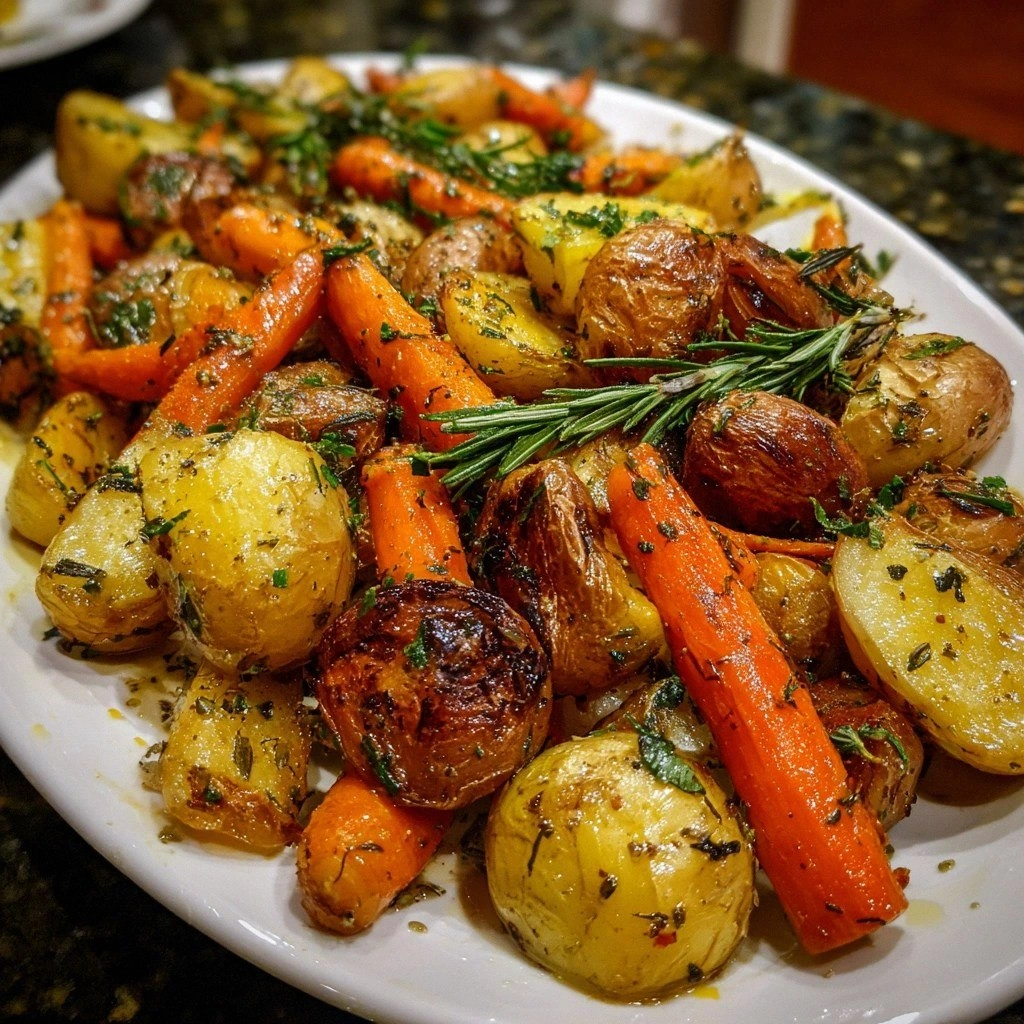
Picture the scene: a bright kitchen, the hum of the fridge, the clink of a wooden spoon against a cutting board. The carrots cut into crisp sticks that glint with a hint of orange, while the potatoes sit in their glossy, buttery skins, ready to turn golden. The air fills with the earthy scent of rosemary, a perfume that feels like a hug from a grandmother’s kitchen. You can hear the sizzle as the vegetables hit the hot oven rack, a sound that promises caramelization. The anticipation is almost tangible, and you can taste the anticipation as you watch the timer tick down.
What sets this version apart is that it doesn’t just roast; it transforms every bite into a memory. The potatoes develop a crust that crackles like a toasted bagel, while the interior stays cloud‑soft, almost like a cloud of potato fluff. The carrots caramelize to a depth of sweetness that balances the savory herbs, creating a harmony that lingers on the palate. The simple trio of olive oil, rosemary, and thyme acts as a flavor conduit, allowing each bite to feel like a well‑balanced conversation. I dare you to taste this and not go back for seconds, because it will have you asking, “Why did I ever settle for less?”
I’ll be honest—when I first tasted the finished dish, I ate half the batch before anyone else even had a chance to try it. That was a moment of culinary triumph and a little kitchen bragging right. The dish is hands down the best version you’ll ever make at home, a fact I can’t keep to myself. I’ve spent years experimenting with roasting temperatures and herb combinations, and this particular blend is the sweet spot where everything clicks. By the end of this post, you’ll wonder how you ever made it any other way.
What Makes This Version Stand Out
- Flavor: The combination of rosemary and thyme creates a layered aroma that lingers long after the plate is cleared.
- Texture: Crispy edges that shatter like thin ice contrast with a fluffy interior.
- Ease: No special equipment—just a sheet pan and a timer.
- Versatility: Works as a side for dinner, a snack, or a party platter.
- Ingredient Quality: Using fresh, organic baby potatoes elevates the taste.
- Crowd Reaction: Even picky eaters can’t resist the caramelized sweetness.
- Make‑ahead Potential: Can be prepared a day ahead and reheated without losing crunch.
- Health: Olive oil provides heart‑healthy monounsaturated fats.
Alright, let’s break down exactly what goes into this masterpiece. Every ingredient has a role, and every role is essential to the final symphony of flavors.
Inside the Ingredient List
The Flavor Base
Baby potatoes are the heart of this dish, offering a buttery texture that absorbs herbs like a sponge. They provide a neutral canvas that lets rosemary and thyme shine, while their natural starches develop a golden crust when roasted. Skipping the potatoes would leave the dish feeling like a carrot salad without a soul. If you’re short on potatoes, use fingerling potatoes for a similar bite but a slightly different shape.
Carrots bring a vibrant splash of color and a natural sweetness that balances the savory notes of the potatoes. Their fibrous texture holds up well in the oven, ensuring they don’t turn mushy. If you prefer a more subtle sweetness, choose baby carrots that are smaller and tender. Swapping carrots for parsnips or sweet potatoes can add a different depth of flavor, but the caramelization will be slightly different.
The Herb Ensemble
Rosemary’s robust, piney aroma elevates the dish, creating a fragrant backdrop that’s impossible to ignore. Its woody flavor pairs beautifully with the earthiness of the potatoes, making each bite feel like a warm hug. If you’re sensitive to strong herbs, reduce the rosemary by half, but keep the thyme to maintain balance. Fresh rosemary is preferable, but dried rosemary works if you’re short on time.
Thyme offers subtle, aromatic notes that complement both potatoes and carrots. Its delicate flavor ensures the dish doesn’t become overpowering, providing a nuanced finish. If you’re experimenting, try adding a pinch of oregano for a Mediterranean twist. Thyme also pairs well with garlic, so feel free to add a minced clove for added depth.
The Olive Oil Connection
Olive oil is more than a cooking medium; it’s the vehicle that carries herbs into the potatoes and carrots. A good quality extra virgin olive oil imparts a fruity finish that enhances the caramelization process. Use about one tablespoon per batch, but feel free to increase it slightly if your oven tends to be drier. A drizzle of oil also helps the vegetables develop that coveted golden‑brown exterior.
The oil also acts as a binder, ensuring the herbs stick to the vegetables. It helps to keep the potatoes fluffy inside while crisping the edges. If you’re watching calories, consider a light spray of olive oil; the result is still crisp but with fewer calories. A touch of oil also prevents the vegetables from sticking to the pan, making cleanup a breeze.
Seasoning Essentials
Salt is the flavor enhancer that brings all the components together. A teaspoon for four servings is a good starting point, but adjust to taste. Salt draws out moisture, helping the potatoes crisp up faster. Pepper adds a subtle heat that balances the sweetness of the carrots. If you’re a fan of spice, add a pinch of red pepper flakes for a gentle kick.
If you’re vegan or looking for a low-sodium option, consider using sea salt or a salt substitute. Keep in mind that herbs and olive oil also carry natural salts, so taste before adding more. The final seasoning should be a harmonious blend that doesn’t overpower the natural flavors. Remember, the goal is to highlight the vegetables, not to mask them.
Everything’s prepped? Good. Let’s get into the real action and start turning these humble veggies into a masterpiece.
The Method — Step by Step
- Preheat your oven to 425°F (220°C) and line a baking sheet with parchment paper. The high heat is essential for achieving that crisp exterior. Feel the heat radiate from the oven as it preps the stage for caramelization. Keep your eyes on the timer—over‑roasting can turn your veggies into mush.
- Wash and pat dry the baby potatoes; cut them in halves or quarters depending on size. The goal is uniform pieces so they cook evenly. A quick dip in cold water removes excess starch, preventing sticking. This step is often overlooked, but it makes a noticeable difference.
- Trim the carrot tops and cut the carrots into sticks or rounds, aiming for uniform thickness. Carrot sticks that are too thick will steam instead of roast. If you’re short on time, you can leave them whole; the flavor will still be great, just a bit less crisp.
- Place the potatoes and carrots on the prepared baking sheet in a single layer. Overcrowding leads to steaming, so give each piece space. The edges should have a slight gap, allowing air to circulate and crisp up.
- Drizzle the vegetables with olive oil, then sprinkle rosemary, thyme, salt, and pepper evenly. Toss gently to coat each piece. The oil ensures the herbs stick and the vegetables stay moist. This is the moment of truth—watch the colors change.
- Roast for 20 minutes, then flip the vegetables with a spatula. The flipping ensures even browning on all sides. The aroma at this point will have you tempted to open the oven door—resist the urge!
- Continue roasting for another 10–12 minutes until the potatoes are golden brown and the carrots are tender. The edges will start pulling away from the pan, a sign of caramelization. If you’re using a convection oven, reduce the time by a couple of minutes.
- Remove the tray from the oven and let the vegetables rest for 5 minutes. Resting allows the juices to redistribute, keeping the potatoes fluffy. This step is often skipped, but it elevates the texture.
- Give the roasted vegetables a final toss in a small bowl with a splash of fresh lemon juice for brightness, if desired. The acidity cuts through the richness and adds a zesty finish. Serve immediately while the edges are still crisp.
- Plate the vegetables on a warm platter, sprinkle a few extra thyme leaves for garnish, and watch your guests’ eyes light up. The aroma alone will convince them to dig in. The dish is now ready to be enjoyed.
That’s it—you did it. But hold on, I’ve got a few more tricks that will take this to another level.
Insider Tricks for Flawless Results
The Temperature Rule Nobody Follows
Many people roast at 375°F, but 425°F is the sweet spot for crisp edges. The higher temperature caramelizes the surface sugars faster, locking in moisture inside. If your oven runs hot, lower the temperature by 25°F to avoid burning. This trick ensures a consistent golden crust every time.
Why Your Nose Knows Best
Your sense of smell is your best judge of doneness. When the vegetables emit a nutty, toasted aroma, they’re ready. Don’t rely solely on the timer; a quick sniff can save you from over‑roasting. This is a skill that comes with practice, so trust your nose.
The 5-Minute Rest That Changes Everything
Resting the vegetables after roasting allows the steam to redistribute, keeping the interior fluffy. The edges continue to crisp slightly during this time. Skipping this step results in a slightly soggy center. I always set a timer for 5 minutes—no more, no less.
The Salt Brine Surprise
If you’re short on time, soak the potatoes in a saltwater solution for 15 minutes before roasting. This pre‑seasoning step enhances flavor and ensures even browning. Drain and pat dry before tossing with oil and herbs. This trick is a game-changer for busy weeknights.
The Oil Swap
For a different flavor profile, swap olive oil with avocado oil or grapeseed oil. Each oil brings its own subtle taste and smoke point. Avocado oil is great for a buttery finish, while grapeseed adds a clean, neutral backdrop. Experiment to find your favorite.
The Quick Sauté Finish
After roasting, toss the vegetables in a hot skillet with a splash of butter. This adds a glossy sheen and a buttery depth that the oven alone can’t achieve. The quick sauté also brings the edges back to crispness if they’ve softened. Use this trick when serving a crowd or when you need extra flavor.
Creative Twists and Variations
Maple‑Glazed Carrots
Swap the olive oil for a mixture of maple syrup and olive oil, then roast the carrots at 400°F for 25 minutes. The maple adds a caramelized sweetness that pairs beautifully with the earthy potatoes. Finish with a sprinkle of sea salt for balance. This variation is perfect for holiday gatherings.
Smoky Chipotle Rub
Mix chipotle powder with smoked paprika and drizzle over the vegetables before roasting. The smoky heat gives the dish a southwestern flair. Serve with a dollop of Greek yogurt to cut the heat. This twist transforms a classic into a bold, adventurous plate.
Herb‑Infused Olive Oil
Infuse olive oil with fresh rosemary and thyme for 24 hours before using it to coat the veggies. The oil becomes a flavor bomb that permeates each bite. This method is ideal for when you want a subtle yet unmistakable herb presence. Let the oil steep for at least a day.
Sweet Potato & Parsnip Mix
Replace the potatoes with sweet potatoes and add parsnips for a caramelized, nutty flavor. The natural sugars in sweet potatoes caramelize beautifully, creating a sweet contrast. Pair with a drizzle of honey after roasting for extra depth. This variation is a cozy winter favorite.
Mediterranean Citrus Finish
Finish the roasted vegetables with a splash of fresh orange juice and a pinch of za’atar. The citrus brightens the dish while za’atar adds a savory, herbal note. This combination gives the dish a vibrant, Mediterranean vibe. Serve with a side of couscous for a complete meal.
Spicy Sriracha Glaze
After roasting, toss the vegetables in a mixture of sriracha, honey, and a splash of soy sauce. The heat and sweetness create a balanced glaze that caramelizes on the surface. This version is perfect for a spicy dinner party. The glaze also adds a glossy sheen that looks irresistible.
Storing and Bringing It Back to Life
Fridge Storage
Store leftovers in an airtight container in the refrigerator for up to 4 days. The vegetables will maintain their texture, but the edges may soften slightly. To restore crispness, reheat in a hot oven at 400°F for 5 minutes. Keep the container sealed to preserve moisture. This method keeps the dish fresh for a few days.
Freezer Friendly
Freeze roasted vegetables in a single layer on a parchment-lined tray before transferring to a freezer bag. This prevents clumping and ensures even thawing. Thaw in the refrigerator overnight, then reheat in a skillet or oven. The texture remains good, though the crispness may be slightly reduced. Use within 2 months for best quality.
Best Reheating Method
Reheat by spreading the veggies on a baking sheet and roasting at 375°F for 10 minutes. Add a splash of water to the pan before reheating to create steam, keeping the vegetables moist. This trick steams back to perfection while preserving the crisp edges. Avoid microwaving, as it tends to make the veggies soggy.