I was halfway through a disastrous attempt at a simple pasta dish when I realized I had forgotten the one ingredient that could turn an ordinary meal into a culinary revelation. I stared at the pot of boiling water, the smell of garlic and onion filling the kitchen, and thought, “If only I had brown butter and sage.” The moment I melted the butter until it turned amber and started to smell nutty, the whole room seemed to inhale a new, richer aroma that made my taste buds dance.
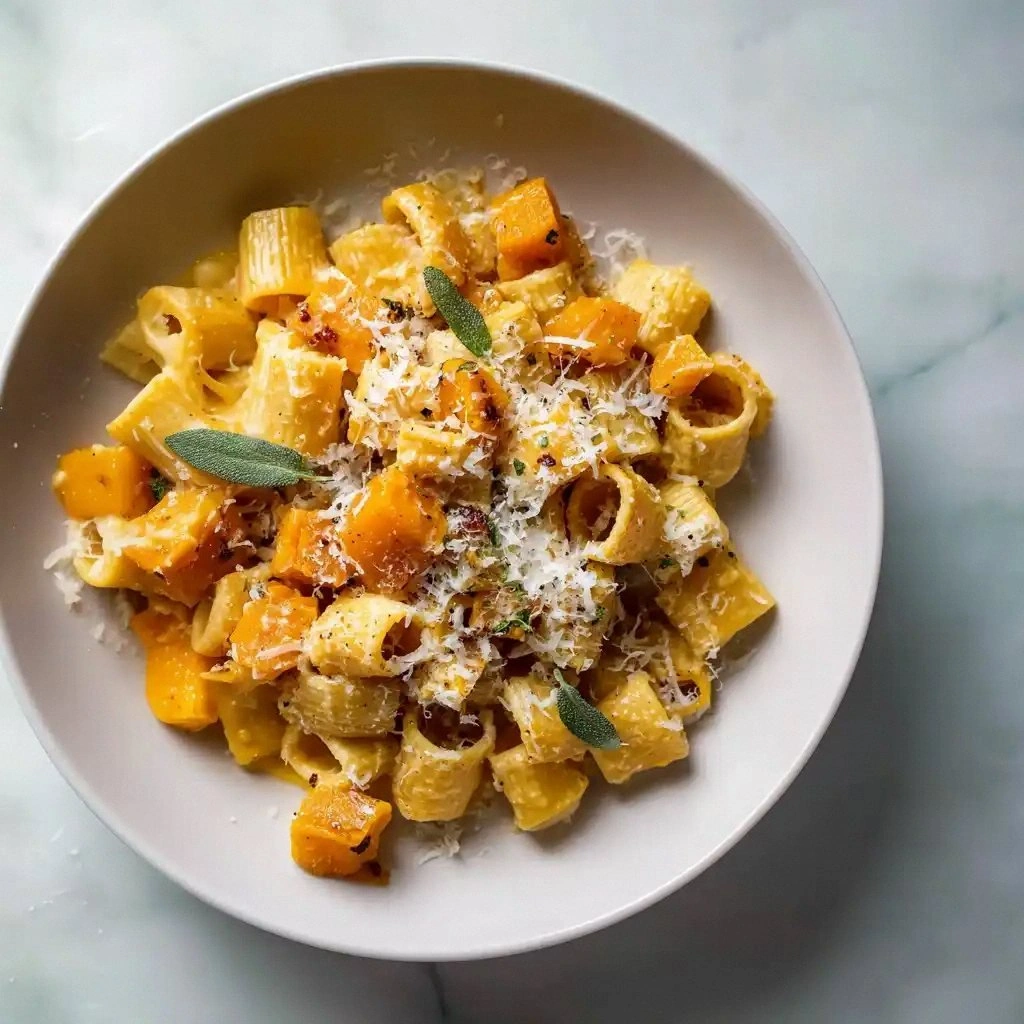
Picture this: the pan sizzles, the butter bubbles, and the sage leaves crackle as they hit the heat, releasing a green, earthy perfume that mingles with the sweet, caramelized edges of the butternut squash. The sound is a satisfying crackle, like a small fire in a quiet kitchen. When you bite into the first spoonful, the creamy sauce coats the pasta like velvet, the squash offers a soft, slightly crunchy bite, and the sage gives a fresh, almost minty finish that cuts through the richness. It’s a symphony of textures and flavors that feels like a warm hug from the inside out.
What sets this version apart isn’t just the brown butter or the sage; it’s the deliberate layering of flavors and the attention to detail that most recipes overlook. The butternut squash is roasted to a golden caramelization, the butter is browned to a deep, nutty note, and the finish is brightened with lemon and a splash of cream for silky balance. Every component is chosen to complement the others, creating a dish that feels both indulgent and comforting, yet surprisingly light. If you’ve ever made a “butternut squash pasta” that tasted flat or too sweet, this will change your perspective forever.
I’m going to walk you through each step, from prepping the squash to the final flourish of Parmesan, and I promise you’ll see why this is hands down the best version you’ll ever make at home. Let me walk you through every single step — by the end, you’ll wonder how you ever made it any other way.
What Makes This Version Stand Out
- Flavor Depth: Brown butter adds a toasted, nutty undertone that elevates the natural sweetness of the squash, while sage provides a fresh, peppery counterpoint. The result is a sauce that feels complex yet cohesive.
- Texture Contrast: Roasted squash offers a firm bite, the pasta remains al dente, and the butter creates a silky coating that lingers on the palate. The combination feels both hearty and airy.
- Ingredient Quality: Using fresh, high‑quality sage and real butter, not margarine, makes all the difference. The freshness of the herbs and the richness of the butter are the backbone of this dish.
- Simple Technique: The method requires no advanced skills—just a few key steps that anyone can master. Brown butter is quick, and the sauce is assembled in one pan.
- Make‑Ahead Friendly: The dish keeps well in the fridge for up to 48 hours and can be reheated without losing flavor. The sauce thickens slightly, so a splash of pasta water restores its silky texture.
- Visual Appeal: The golden brown butter and bright green sage leaves create a dish that looks as good as it tastes. It’s a feast for the eyes and the nose.
- Versatile Flavor Profile: The lemon brightens the richness, and the optional red pepper flakes add a subtle heat that can be dialed in or omitted. It’s a dish that can be tweaked to suit any palate.
- Crowd‑Pleaser: Even seasoned diners will be surprised at how simple yet sophisticated this dish is. It’s a conversation starter at any dinner table.
Alright, let's break down exactly what goes into this masterpiece…
Inside the Ingredient List
The Flavor Base
The cornerstone of this dish is the brown butter sage sauce. Butter, when browned, develops a deep, nutty flavor that can transform an ordinary pasta into something memorable. Adding fresh sage at the right moment releases its essential oils, giving the sauce a peppery, aromatic finish. Skipping this step would leave you with a bland, oily sauce that never quite hits the mark.
If you’re allergic to dairy or prefer a vegan version, swap the butter for a high‑smoke‑point oil like avocado or grapeseed, and use a plant‑based butter alternative. The key is to use enough fat to coat the pasta and carry the flavors.
The Texture Crew
Roasted butternut squash is the star of the texture spectrum. Cubed, it caramelizes on the edges, creating a slight crunch that contrasts beautifully with the silky sauce and al dente pasta. If you prefer a softer bite, you can steam the squash instead, but the caramelization is what gives this dish its signature bite.
The pasta itself is the canvas. Choosing a medium‑width pasta like fettuccine or rigatoni allows the sauce to cling to the strands, creating a harmonious mouthfeel. A shorter, thinner pasta might get overwhelmed by the sauce, while a very thick pasta could feel heavy.
The Unexpected Star
Heavy cream is the secret to achieving that silky, velvety consistency. It balances the richness of the butter and the acidity of the lemon, preventing the sauce from feeling too heavy. If you’re watching calories, you can reduce the cream to a tablespoon or replace it with a splash of milk; the sauce will still hold together, albeit a bit thinner.
Red pepper flakes add a subtle heat that wakes up the dish. They’re optional, but a pinch can elevate the flavor profile. If you’re heat‑averse, simply omit them and the dish remains deliciously balanced.
The Final Flourish
Grated Parmesan cheese is the finishing touch that adds umami and a slight salty bite. It melts into the sauce, giving it a cohesive, glossy finish. If you’re lactose intolerant, try a vegan parmesan or nutritional yeast for a similar depth.
A splash of reserved pasta water is essential to re‑emulsify the sauce, ensuring it coats the pasta evenly. The starchy water helps bind the butter, cream, and cheese into a smooth, glossy coating that clings to every strand.
Everything's prepped? Good. Let's get into the real action…
The Method — Step by Step
- Heat a large pot of salted water to a rolling boil. Toss in the 8 ounces of pasta and cook according to the package instructions until al dente, usually 9–11 minutes. Drain, reserving ½ cup of the starchy pasta water, then set the pasta aside in a warm bowl to keep it from sticking.
- While the pasta cooks, heat a 10‑inch skillet over medium heat. Add the 6 tablespoons of unsalted butter. Watch as the butter foams and turns a deep amber, releasing a nutty aroma. Stir constantly to prevent burning; you want a light brown color, not a dark brown. When the butter is perfectly browned, remove it from the heat and set aside.
- In the same skillet, add the 2 tablespoons of olive oil and reduce the heat to medium‑low. Toss in the 8‑10 fresh sage leaves and let them sizzle for about 30 seconds until fragrant. The sage should start to brown slightly, giving the oil a green tint. Add the minced garlic, ½ small onion or shallot, and a pinch of red pepper flakes. Cook for 3–4 minutes until the onion is translucent and the garlic is golden, but not burnt.
- Add the cubed butternut squash to the skillet. Toss to coat with the sage‑garlic oil. Roast the squash for 8–10 minutes, stirring occasionally, until the edges are caramelized and the interior is tender. The squash should emit a sweet, caramelized aroma that makes your mouth water.
- Pour the browned butter back into the skillet, stirring to combine everything. The butter will mingle with the sage oil, creating a rich, aromatic base. Let the mixture simmer for 2 minutes to meld the flavors. The sauce should look glossy and slightly thickened.
- Reduce the heat to low and stir in the 2 tablespoons of heavy cream, ½ cup of grated Parmesan, and 1 tablespoon of lemon juice. The lemon brightens the sauce and balances the richness. Keep stirring until the cheese melts and the sauce is smooth. It should coat the back of a spoon without clumping.
- Toss the cooked pasta into the skillet, ensuring each strand is coated with the sauce. If the mixture seems dry, add the reserved pasta water a tablespoon at a time until the desired consistency is achieved. The sauce should cling to the pasta like a velvet blanket.
- Taste the dish and adjust the seasoning with ½ teaspoon salt and ¼ teaspoon black pepper. If you prefer a little more heat, sprinkle a pinch of red pepper flakes. The final dish should be a harmonious blend of sweet, nutty, and savory.
- Serve immediately, garnished with extra sage leaves and a dusting of Parmesan if desired. The dish should look vibrant, with golden butter, green sage, and a glossy coating of sauce. Enjoy the moment of triumph—you did it! But hold on, I've got a few more tricks that'll take this to another level…
Insider Tricks for Flawless Results
The Temperature Rule Nobody Follows
Don’t let the butter burn. Keep the heat at medium and stir constantly. A quick, steady stir ensures the butter browns evenly without scorching. If you notice a darkening color, reduce the heat or remove the pan from the stove for a few seconds to let the temperature drop.
Why Your Nose Knows Best
Smell the sauce before you taste it. The first aroma you notice should be nutty butter; if it smells more like burnt oil, it’s too hot. Your nose is a reliable guide to ensure the butter is perfectly browned and the sage is fragrant.
The 5-Minute Rest That Changes Everything
After adding the cheese and cream, let the sauce sit for 5 minutes off the heat. This brief rest allows the flavors to meld and the cheese to fully integrate, giving the sauce a richer, more cohesive taste. It also prevents the cheese from clumping.
Keep It Warm Without Overcooking
If you’re serving a crowd, keep the finished dish warm in a low oven (200°F) on a baking sheet. Cover loosely with foil to prevent drying. Avoid reheating on the stove, as the sauce may separate.
Use Fresh Herbs for Maximum Impact
Fresh sage gives a bright, aromatic flavor that dried sage can’t match. If you can’t find fresh, use half fresh and half dried to get the best of both worlds. The fresh sage adds a green pop that’s visually appealing too.
Add a Splash of White Wine
For an extra layer of acidity, deglaze the pan with a tablespoon of dry white wine after sautéing the onions. Let the wine reduce for a minute before adding the butter. This subtle acidity balances the richness without overpowering the dish.
Creative Twists and Variations
This recipe is a playground. Here are some of my favorite ways to switch things up:
Nutty Pecan Crunch
Toast chopped pecans in a dry skillet until fragrant, then fold them into the finished dish. The crunch adds texture, while the nutty flavor complements the browned butter.
Mushroom Medley
Sauté sliced cremini or shiitake mushrooms with the onions before adding the squash. The earthy mushrooms deepen the umami profile and add another layer of texture.
Spicy Cajun Kick
Replace the red pepper flakes with a teaspoon of Cajun seasoning. The smoky heat pairs beautifully with the sweet squash and adds a bold twist.
Mediterranean Twist
Swap the Parmesan for crumbled feta and add a handful of sun‑dried tomatoes. The tangy cheese and sweet tomatoes create a Mediterranean vibe.
Vegan Version
Use a plant‑based butter, vegan Parmesan, and replace the heavy cream with coconut cream. The dish remains creamy and flavorful, with a slightly tropical hint.
Breakfast Boost
Serve the sauce over scrambled eggs or a breakfast sausage for a hearty morning meal. The rich sauce pairs well with the protein, making for a satisfying breakfast.
Storing and Bringing It Back to Life
Fridge Storage
Cool the pasta completely before refrigerating in an airtight container. Store for up to 48 hours. The sauce will thicken slightly; a splash of pasta water can help restore its silky texture.
Freezer Friendly
Pack the dish in a freezer‑safe container, leaving a small headspace. Freeze for up to 3 months. When ready to eat, thaw overnight in the refrigerator, then reheat gently.
Best Reheating Method
Reheat on low heat, adding a tablespoon of water or milk to loosen the sauce. Stir constantly until the sauce is heated through and silky again. Avoid high heat, which can cause the butter to separate.