Introduction
Picture this: a rainy Sunday afternoon, the kitchen lights flickering, and I’m staring at a pile of raw shrimp that I almost tossed into the trash because I thought I’d never make it taste good again. The disaster began with a burnt garlic paste that turned my skillet into a blackened relic, but the moment the shrimp sizzled, something clicked. The aroma of caramelized garlic mingled with the faint scent of fresh ginger, and the kitchen suddenly smelled like a bustling street market in Hanoi. That scent was a promise—a promise that what I was about to whip up would be a flavor explosion that could only be described as “soul‑satisfying.”
I’m not one to shy away from culinary experiments, but I’ll admit that this recipe is a bold departure from the usual “shrimp and noodles” you find on the internet. The secret lies in the combination of translucent glass noodles, a sauce that’s simultaneously sweet, salty, and slightly tangy, and a meticulous layering of textures that keep each bite interesting. From the moment the noodles soak in the broth to the final drizzle of sesame oil, every step is designed to elevate the humble shrimp into a dish that feels like a celebration. If you’re ready to ditch the generic and embrace something that feels like a revelation, stick with me.
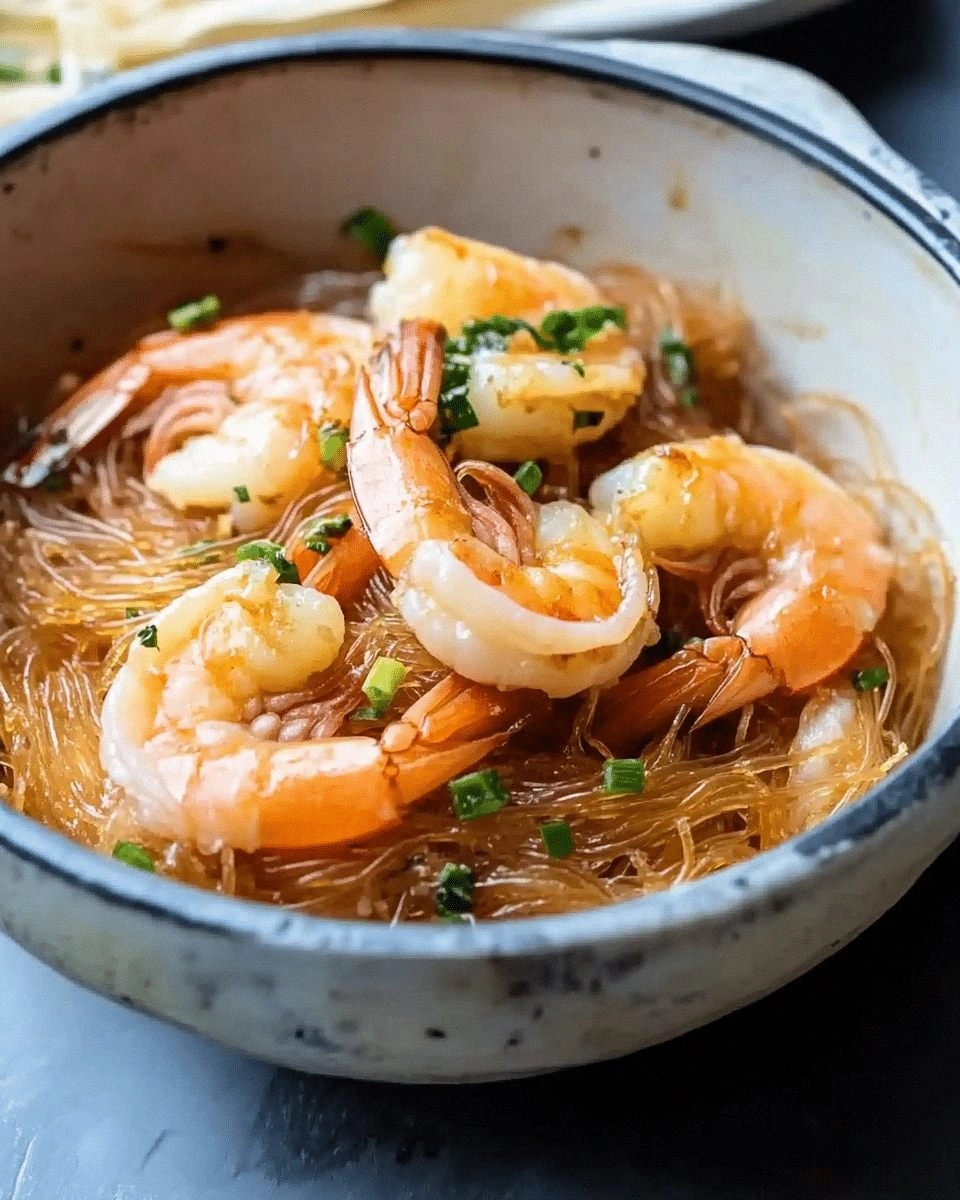
Let’s talk about the senses. The first thing you notice is the visual spectacle: the noodles are a glossy, glass‑like sheen that reflects the kitchen light, the shrimp glisten in a pink hue, and the scallions add a pop of green. The sound is a gentle sizzle as the shrimp cook, a faint hiss when the sauce simmers, and a satisfying snap when the bean sprouts are added. The taste is a dance of umami from the oyster sauce, a sharp bite from fresh chilies, and a subtle sweetness from the brown sugar that lingers on the tongue. Finally, the feel—when you pick up a forkful, the noodles give a gentle resistance, the shrimp is tender, and the sauce clings to the edges like a silk ribbon.
What makes this version stand out is not just the ingredients, but the methodical approach that ensures consistency and depth. I’ve spent countless hours tweaking ratios, testing heat levels, and balancing flavors until the dish reads like a symphony. I dare you to taste this and not go back for seconds; that’s the power of a well‑balanced sauce and perfectly cooked shrimp. And I’ll be honest—once I finished my first batch, I ate half of it before anyone else could even touch the bowl. This is hands down the best version you’ll ever make at home, and by the end of this guide, you’ll wonder how you ever made it any other way.
What Makes This Version Stand Out
- Taste: The sauce is a harmonious blend of sweet, salty, and umami, with a subtle citrus lift that keeps the dish bright. The shrimp’s natural sweetness is amplified by the caramelized garlic, creating a depth that ordinary stir‑fries lack.
- Texture: Glass noodles provide a unique, chewy bite that contrasts with the crispness of bean sprouts and the silky coating of the sauce. Each component holds its own, preventing the dish from feeling mushy or bland.
- Ingredient Quality: Fresh shrimp, hand‑picked scallions, and premium soy sauce elevate the flavor profile. Using a high‑quality oyster sauce adds a savory depth that can’t be replicated with cheap substitutes.
- Ease of Preparation: Despite the layered flavors, the recipe is straightforward—no complicated steps, just a few essential techniques that anyone can master.
- Crowd Appeal: The dish is a crowd‑pleaser for both casual diners and foodies alike. Its balanced flavors and vibrant appearance make it perfect for family meals or dinner parties.
- Make‑Ahead Potential: The sauce can be prepared a day ahead, and the noodles can be pre‑soaked, allowing you to assemble the dish in minutes when guests arrive.
Alright, let’s break down exactly what goes into this masterpiece…
Inside the Ingredient List
The Flavor Base
The foundation of this dish is a sauce that marries sweet, salty, and umami notes. Soy sauce provides the salty backbone, while oyster sauce adds depth and a subtle brininess. A touch of brown sugar brings sweetness that balances the acidity of rice vinegar, and a splash of sesame oil introduces a nutty aroma. The sauce also contains a small amount of chili paste or fresh chilies for heat, and a dash of lime juice for brightness. Together, these ingredients create a glaze that clings to the shrimp and noodles, turning each bite into a burst of flavor.
The Texture Crew
Glass noodles (cellophane noodles) are the star of the texture department. They’re translucent, chewy, and absorb sauce beautifully, giving the dish a satisfying bite. Bean sprouts add crunch, while thinly sliced cucumber contributes a refreshing crispness that cuts through the richness. Scallions, sliced into rings, provide a mild onion flavor and a pop of color. The shrimp themselves are the ultimate textural contrast—tender and slightly firm, they hold up well against the sauce and other components.
The Unexpected Star
Fresh chilies might seem ordinary, but they’re the secret weapon that brings the dish to life. Their heat is sharp yet fleeting, leaving a lingering warmth that lingers on the palate. A splash of lime juice at the end adds a citrusy zing that brightens the dish, preventing it from feeling too heavy. Cilantro, if you’re adventurous, offers a fresh herbal note that complements the savory sauce.
The Final Flourish
The finishing touches are what elevate this dish from good to unforgettable. A drizzle of toasted sesame oil gives a subtle nutty aroma, while a sprinkle of toasted sesame seeds adds a subtle crunch and visual appeal. A few drops of fish sauce can be added for an extra layer of umami, but use sparingly to avoid overpowering the delicate shrimp. Finally, a quick squeeze of lime right before serving adds a burst of freshness that makes every forkful feel new.
Everything’s prepped? Good. Let’s get into the real action…
The Method — Step by Step
- Begin by soaking the glass noodles in a bowl of cold water for 15 minutes. This softens them without cooking them, ensuring they stay firm during the stir‑fry. Drain and set aside, but keep a small splash of the soaking water for later use if needed.
- In a small bowl, whisk together soy sauce, oyster sauce, brown sugar, rice vinegar, a splash of sesame oil, a pinch of chili flakes, and a dash of lime juice. This will be your sauce base. Taste it; if you prefer more heat, add fresh minced chilies. Let the mixture sit while you prep the other ingredients.
- Heat a large non‑stick skillet or wok over medium‑high heat. Add 2 tablespoons of vegetable oil and swirl to coat the surface. When the oil shimmers, add 2 minced garlic cloves and a tablespoon of grated fresh ginger. Sauté until fragrant, about 30 seconds—watch the color change; you want a golden hue, not burnt.
- Add the peeled and deveined shrimp to the pan. Stir‑fry for 2 minutes, letting them curl slightly. Flip them over and pour in half of the sauce mixture. The shrimp should start to turn pink and opaque, and the sauce will begin to coat them evenly.
- Introduce the soaked glass noodles to the pan, tossing them gently to combine with the shrimp and sauce. The noodles will absorb the flavors, becoming glossy and slightly translucent. Let them cook for an additional 3 minutes, allowing the sauce to thicken slightly.
- Now add the bean sprouts, sliced cucumber, and scallion rings. Stir everything together, letting the veggies retain their crunch. This step is crucial; overcooking the vegetables will ruin the texture contrast that makes this dish memorable.
- Drizzle the remaining sauce over the mixture, and toss until everything is evenly coated. Reduce the heat to low, cover, and let the dish steam for 2 minutes. This final steam step ensures the shrimp are perfectly cooked without becoming rubbery.
- Remove from heat, and immediately drizzle toasted sesame oil over the top. Sprinkle toasted sesame seeds and a handful of fresh cilantro leaves for garnish. A quick squeeze of lime juice right before serving will brighten the flavors and add a refreshing finish.
- Serve hot, straight from the pan, and watch the steam rise like a fragrant cloud. Pair with a chilled glass of jasmine tea or a light white wine for an elevated dining experience.
That’s it—you did it. But hold on, I’ve got a few more tricks that will take this to another level…
Insider Tricks for Flawless Results
The Temperature Rule Nobody Follows
Many cooks keep the heat too low, which leads to soggy noodles. I always set my skillet to medium‑high before adding oil. The high heat creates a sear on the shrimp, locking in juices and giving the dish a subtle caramelization that you can’t achieve on lower settings.
Why Your Nose Knows Best
Before you add the final drizzle of sesame oil, take a quick sniff. If it smells nutty and toasted, you’re ready. If it still smells raw, give it another minute of cooking. Your nose is a reliable indicator of when the dish hits the right flavor zone.
The 5‑Minute Rest That Changes Everything
After cooking, let the dish rest for 5 minutes covered. This allows the flavors to meld and the sauce to thicken naturally. I’ve seen friends skip this step and end up with a watery dish; rest is essential for depth.
Freshness Is Key
Use the freshest shrimp possible. If you’re buying pre‑cooked shrimp, the texture will be off. Fresh shrimp give that firm bite and sweet flavor that is irreplaceable. A quick test is to press the shrimp; it should spring back rather than flatten.
Quick Chill for the Noodles
If you’re making the dish ahead of time, chill the noodles in cold water after soaking. This stops the cooking process, keeping them from becoming mushy when you reheat the dish later.
Creative Twists and Variations
This recipe is a playground. Here are some of my favorite ways to switch things up:
Spicy Peanut Version
Swap the sesame oil for peanut butter and add a spoonful of sriracha. The result is a creamy, spicy sauce that pairs beautifully with the shrimp’s sweetness. Great for those who love a kick.
Vegetarian Twist
Replace the shrimp with sliced tofu or tempeh. Marinate the protein in soy sauce and a splash of rice wine before cooking. The tofu absorbs the sauce, delivering a savory bite that satisfies vegetarian cravings.
Asian Fusion Bowl
Serve the dish over a bed of jasmine rice or quinoa instead of noodles. Add a side of pickled daikon and a drizzle of sriracha mayo for a modern, fusion take on the classic.
Low‑Carb Swap
Use shirataki noodles instead of glass noodles for a low‑carb version. They have a similar texture but contain almost no calories, making the dish keto‑friendly.
Summer Picnic Edition
Pack the dish in a thermos and add a handful of fresh mint leaves. The mint adds a cool, refreshing note that’s perfect for a sunny picnic or outdoor gathering.
Storing and Bringing It Back to Life
Fridge Storage
Cool the dish to room temperature, then transfer it to an airtight container. Store in the refrigerator for up to 2 days. The noodles will stay firm, and the sauce will thicken slightly, adding depth.
Freezer Friendly
For longer storage, wrap the dish tightly in plastic wrap and then place it in a freezer bag. It can be frozen for up to 3 months. Thaw overnight in the fridge before reheating.
Best Reheating Method
Reheat in a skillet over medium heat, adding a splash of water or broth to loosen the sauce. A tiny splash of water before reheating steams the dish back to perfection, keeping the noodles from drying out.