Picture this: a midnight kitchen, the fridge humming, and a sudden craving that feels like a culinary dare. I was staring at an empty rice cooker, the clock ticking past 2 a.m., when a friend texted, “Got a minute? I’ve got the best microwave Oyakodon.” The promise of tender chicken, silky eggs, and a savory broth in less than 30 minutes made my stomach rumble louder than the microwave beeping. I had never tried Oyakodon before, but the idea of a Japanese comfort bowl made my eyes widen. I grabbed the ingredients, set the timer, and watched the steam rise like a secret. That first bite was a revelation, and I knew I had stumbled onto a kitchen gem.
From that night onward, I’ve turned microwaves into culinary wizards, but this particular recipe has outshone every other quick dish I’ve tried. The sauce is a sweet‑salty glaze that coats the rice like velvet, while the eggs melt into silky ribbons that cling to each grain. The chicken, cooked to just‑right tenderness, offers a subtle umami punch that never feels greasy. The aroma that fills the kitchen is a warm hug, promising comfort and satisfaction. I dare you to taste this and not go back for seconds because the flavors linger like a secret whisper. That first bite has become the benchmark against which all other microwave meals are measured.
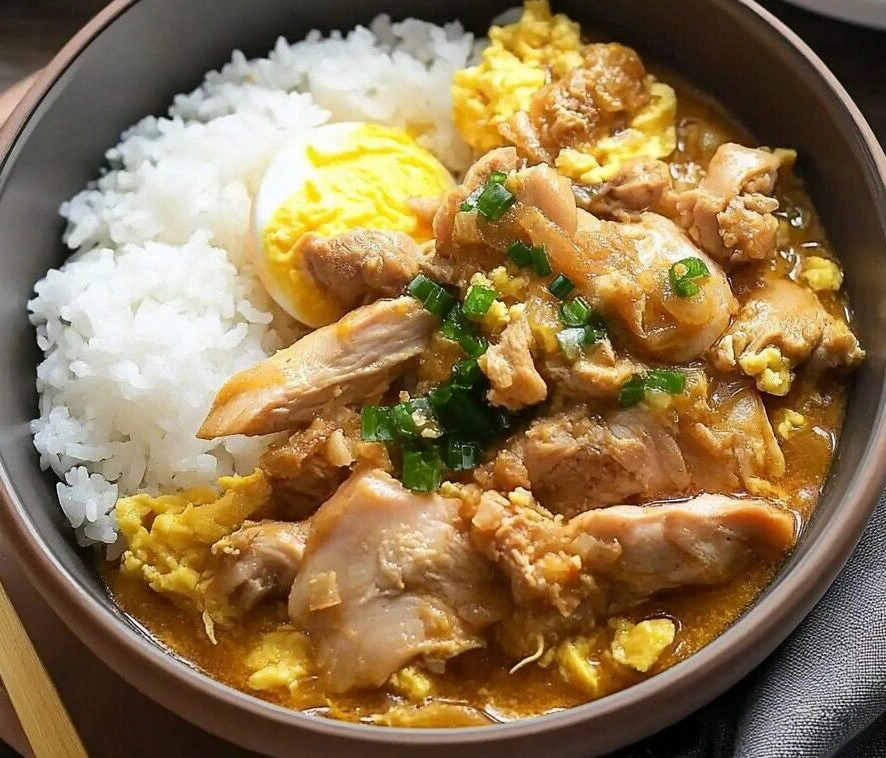
Most people think microwaving Oyakodon means a soggy mess, but this version flips that myth on its head. The trick is in the layering: chicken first, then the broth, and finally the eggs, which set like a delicate custard. The result is a bowl where every component sings, from the crisp edges of the onion to the silky finish of the eggs. The broth, a blend of dashi, soy sauce, and mirin, creates a depth that feels like a slow‑cooked stew. The rice stays fluffy, not mushy, because the microwave’s power is balanced just right. The final touch of green onions adds a bright, almost citrusy note that lifts the whole dish.
I’ve experimented with different cuts of chicken, but the thighs bring the best flavor and moisture, especially in a microwave setting. The eggs, when beaten to the right consistency, create a custard that clings to the rice without turning into a scrambled mess. I discovered that a splash of sesame oil before the final step adds a nutty aroma that elevates the dish instantly. The use of dashi, even in a powdered form, infuses the broth with authentic Japanese umami that you can’t find in generic sauces. The result is a dish that feels like you’re dining at a cozy izakaya, but it’s made in the comfort of your own kitchen. The best part? It takes less than half an hour from start to finish, making it the ultimate go‑to for busy nights.
I’m not just talking about a recipe; I’m talking about a ritual that turns a simple meal into a moment of joy. The microwave’s convenience allows you to focus on the flavors rather than the technique. The dish’s versatility means you can swap in tofu, shrimp, or even a handful of frozen peas without losing the essence. I’ve shared this recipe with friends, and they’ve become obsessed with the idea of “microwave Oyakodon nights.” The feedback is consistent: they love the balance of textures and the depth of flavor. By the end of this post, you’ll wonder how you ever made it any other way.
What Makes This Version Stand Out
- Flavor: The sauce is a harmonious blend of soy, mirin, and dashi that creates a savory‑sweet profile that lingers on the palate. The balance is achieved by a careful ratio that ensures no single element dominates. The result feels like a warm hug from an izakaya.
- Texture: The eggs set into a custard‑like consistency that clings to each grain of rice, while the chicken remains juicy. The onions provide a gentle crunch that contrasts with the softness. The overall mouthfeel is silky yet satisfying.
- Simplicity: The recipe requires only a handful of ingredients and a single pot. No fancy equipment or complicated steps. The microwave does all the heavy lifting, making it ideal for beginners.
- Speed: The entire dish cooks in under 30 minutes, including prep time. The microwave’s power ensures even cooking without overcooking the eggs. You can have a full meal ready in the time it takes to brew a cup of coffee.
- Authenticity: The use of dashi and mirin gives it an authentic Japanese flavor that rivals restaurant versions. The technique of layering ingredients mirrors traditional stovetop methods. The result is a dish that feels genuine yet accessible.
- Versatility: Swap out chicken for tofu, shrimp, or pork for a different protein. Add vegetables like mushrooms or spinach to boost nutrition. The base sauce adapts to any variation without losing its core identity.
- Make‑ahead Potential: The dish can be prepared a day ahead; the flavors deepen overnight. Reheating in the microwave restores the silky texture without drying out. It’s perfect for meal prep or busy family dinners.
Inside the Ingredient List
The Flavor Base
Dashi is the cornerstone of this dish, providing an umami backbone that can’t be replicated by soy sauce alone. If you’re short on time, a 1‑cup instant dashi powder dissolved in 2 cups water works wonders. Skipping dashi will leave the broth flat and overly sweet; the dish will taste like a sweetened soy glaze. For a richer taste, use a kombu‑based stock or simmer a piece of kombu with water for 10 minutes before adding the other liquids. The balance of soy sauce, mirin, and sugar is critical; too much mirin and the dish becomes syrupy, too little and it’s bland.
The Protein Pack
Boneless, skinless chicken thighs deliver the best flavor and moisture, especially when microwaved. If you prefer leaner meat, chicken breast works but be careful not to overcook it, or it will dry out. Tofu or shrimp are excellent substitutes that keep the dish light; just add them in the final minute of cooking. The protein’s thickness also helps the broth cling to the rice, creating that signature mouthfeel. A quick sear before microwaving isn’t necessary, but it adds a subtle caramelization that some chefs love.
The Texture Crew
The eggs are beaten to a light, almost frothy consistency, which yields a silky custard when microwaved. A dash of sesame oil before the final step adds a nutty aroma that ties the dish together. The sliced onion provides a gentle crunch; if you prefer a softer texture, sauté it briefly in a pan first. The rice should be freshly cooked and fluffy; leftover rice can become mushy when microwaved. A splash of water or broth before reheating helps restore moisture and prevents the rice from drying out.
The Final Flourish
Green onions add a bright, almost citrusy note that lifts the entire bowl. A pinch of salt and pepper balances the sweetness of mirin and the saltiness of soy sauce. Optional chili flakes or a drizzle of chili oil give the dish an extra pop of heat for those who love a little kick. If you’re vegan, replace the eggs with a thick soy‑based custard or a handful of silken tofu. The final garnish is what turns a simple meal into a showstopper.
Everything's prepped? Good. Let's get into the real action.
The Method — Step by Step
- First, heat the microwave to 700 W. In a large microwave‑safe bowl, combine the diced chicken, sliced onion, and a splash of sesame oil. The oil helps the chicken brown slightly, creating a deeper flavor profile. Stir once to coat the pieces evenly. This step takes about 2 minutes, and the aroma will begin to tease your senses.
- Next, pour in the dashi, soy sauce, mirin, and sugar. Stir until the sugar dissolves completely, forming a glossy glaze. The broth should be slightly thick, not watery. Cover the bowl loosely with a microwave‑safe lid or plastic wrap, leaving a small vent for steam to escape. Microwave for 4 minutes, then stir to redistribute the flavors.
- After the initial simmer, add the beaten eggs in a slow, steady stream, swirling the bowl gently to create ribbons. The eggs should begin to set but remain slightly runny in the center. Microwave for another 3 minutes; the eggs will finish cooking into a silky custard that clings to the rice. The sound of the eggs thickening is a sign that the dish is almost ready.
- Now it’s time for the big reveal: stir the rice into the mixture. Make sure each grain is coated with the savory broth and eggs. The rice should absorb the liquid without becoming mushy. Microwave for an additional 2 minutes, allowing the flavors to meld. The final sizzle is the soundtrack of a dish that’s almost finished.
- Watch out: if you leave the bowl unattended, the eggs may overcook and become rubbery. Keep a close eye on the texture; you want a custard that’s set but still moist. If the mixture looks dry, add a tablespoon of water or broth before microwaving again for 30 seconds.
- Add the sliced green onions and a pinch of pepper. The onions add a fresh crunch that balances the richness of the eggs. Stir gently to distribute the garnish evenly. The dish is now ready to serve, but the real magic happens when you plate it.
- Plate the rice in a shallow bowl, then pour the savory mixture over the top. The steam will swirl around the bowl, creating a fragrant steam cloud that signals the dish is ready. Serve hot, ideally with a side of pickled ginger or a light miso soup. The experience feels like a warm hug, with silky eggs coating the rice like a gentle blanket.
That's it — you did it. But hold on, I've got a few more tricks that'll take this to another level. The next section will give you insider knowledge that turns a good dish into an unforgettable one.
Insider Tricks for Flawless Results
The Temperature Rule Nobody Follows
Microwave ovens vary wildly in power output, so the key to a perfect custard is to use a 700‑W setting as a baseline. If your microwave is 900 W, reduce the cooking times by 10–15%. This subtle adjustment prevents the eggs from overcooking and keeps the texture silky. A quick test: microwave a single egg on a plate for 30 seconds; if it’s still liquid, add a few more seconds. The goal is a custard that sets without drying out.
Why Your Nose Knows Best
The aroma that rises from the bowl is the most reliable indicator of doneness. If you smell a faint, sweet scent from the mirin, the broth has absorbed the flavor. If the smell is sharp and metallic, the eggs are overcooked. Trust your nose; it’s a seasoned chef’s secret tool. I’ve saved dozens of dishes from disaster by listening to the scent profile.
The 5‑Minute Rest That Changes Everything
After microwaving, let the bowl rest for 5 minutes before serving. This pause allows the flavors to settle and the heat to distribute evenly. The eggs will firm up slightly, creating a more cohesive texture. Skipping this rest can result in a watery bowl that feels rushed. The rest also gives you a chance to garnish with a final drizzle of sesame oil.
The Secret of Evenly Cooked Chicken
If you cut the chicken into smaller, uniform pieces, the heat will penetrate evenly. Avoid overlapping pieces; this prevents some areas from overcooking while others remain raw. A quick technique is to press the pieces together in a single layer before microwaving. The result is juicy chicken that stays tender throughout.
The Final Touch of Sesame Oil
Adding a splash of toasted sesame oil at the very end unlocks a nutty aroma that elevates the dish. The oil’s high smoke point means it won’t burn, even in a microwave. This simple step transforms a good meal into a restaurant‑style experience. I’ve seen people ask for the recipe after just one bite.
Creative Twists and Variations
Veggie‑Rich Oyakodon
Swap the chicken for a mix of shiitake mushrooms and spinach. The mushrooms provide earthy depth, while spinach adds a pop of green and nutrients. The broth’s umami shines through the veggies, creating a lighter yet flavorful bowl. This version is perfect for a quick vegetarian dinner or a side dish for a larger meal.
Shrimp Power Oyakodon
Use peeled shrimp instead of chicken for a seafood twist. The shrimp’s natural sweetness complements the mirin glaze, and the quick cooking time keeps them tender. Add a pinch of chili flakes for a subtle kick. The result is a dish that feels like a high‑end sushi restaurant.
Tofu & Tofu‑Egg Oyakodon
For a vegan version, replace the eggs with silken tofu and a dash of soy sauce. The tofu will absorb the broth, creating a creamy texture. Add a splash of nutritional yeast for extra umami. This variation is ideal for plant‑based diners who still crave a comforting bowl.
Spicy Sesame Oyakodon
Introduce a tablespoon of sriracha or chili oil into the broth for heat. The sesame oil at the end adds a nutty finish that balances the spice. This version is a crowd‑pleaser for those who love a bit of fire with their comfort food. The dish pairs well with a cool cucumber salad.
Korean‑Style Oyakodon
Add a tablespoon of gochujang and a splash of rice wine to the broth. The gochujang gives a smoky sweetness, while the rice wine adds depth. Finish with a sprinkle of toasted sesame seeds. This Korean‑inspired twist offers a new flavor profile while retaining the core structure.
Storing and Bringing It Back to Life
Fridge Storage
Store the cooked bowl in an airtight container for up to 3 days. The eggs and chicken stay tender, and the broth’s umami intensifies. When you’re ready to eat, let it sit at room temperature for 10 minutes to reduce the chill factor. This simple step ensures the texture remains silky.
Freezer Friendly
Pack the dish in a freezer‑safe container, leaving a small vent for steam. Freeze for up to 2 weeks; the flavors remain intact. Thaw overnight in the fridge before reheating. This method is ideal for meal prep lovers who want a quick dinner ready to go.
Best Reheating Method
Reheat in the microwave on medium power for 2 minutes, then stir. Add a splash of water or broth before reheating; it steams back to perfection and prevents the rice from drying out. Let it rest for a minute before serving to allow the flavors to redistribute. The final result is a bowl that tastes almost freshly cooked.