Picture this: you’re standing in a kitchen that smells like a summer barbecue and the clock is ticking. Your friends have come over for a quick dinner, but the menu is still a blank canvas. Suddenly, the pantry lights flicker, the fridge opens, and the first thing that pops into your head is a stack of boneless chicken thighs that have been sitting there for weeks. I was about to toss them into a bag of frozen veggies when the idea hit—turn them into a juicy, flavorful centerpiece that would make every guest sigh with delight.
I grabbed the thighs, seasoned them with a whisper of salt, pepper, and smoked paprika, and let them sit while I whisked a sauce that would later coat the meat like silk. The sizzle that followed was pure music—an audible promise of caramelized edges and a tender interior that would melt in your mouth. I dared my friends to taste this and not go back for seconds, and they could not resist the temptation. The aroma that filled the room was so intoxicating that even the oven timer seemed to pause, just to savor the moment.
What makes this version stand out isn’t just the combination of flavors; it’s the technique that locks in moisture while creating a crisp, golden crust. I’ve spent years experimenting with different marinades, but this one—an easy blend of soy, honey, mustard, and a splash of lemon—has become a secret weapon in my culinary arsenal. It’s simple enough for a novice cook yet sophisticated enough to wow a seasoned foodie. If you’ve ever struggled to get chicken thighs juicy without drying them out, you’re not alone—and I’ve got the fix.
And now, the real question: how do we bring this dish to life? I’ll walk you through every single step, from the first stir to the final garnish. By the end, you’ll wonder how you ever made it any other way. Let’s dive in and transform these humble thighs into a showstopper.
What Makes This Version Stand Out
Flavor: The sauce’s balance of sweet, savory, and acidic notes creates a depth that elevates the chicken from ordinary to extraordinary. The honey and soy provide a caramelized glaze, while the mustard adds a subtle tang that cuts through the richness.
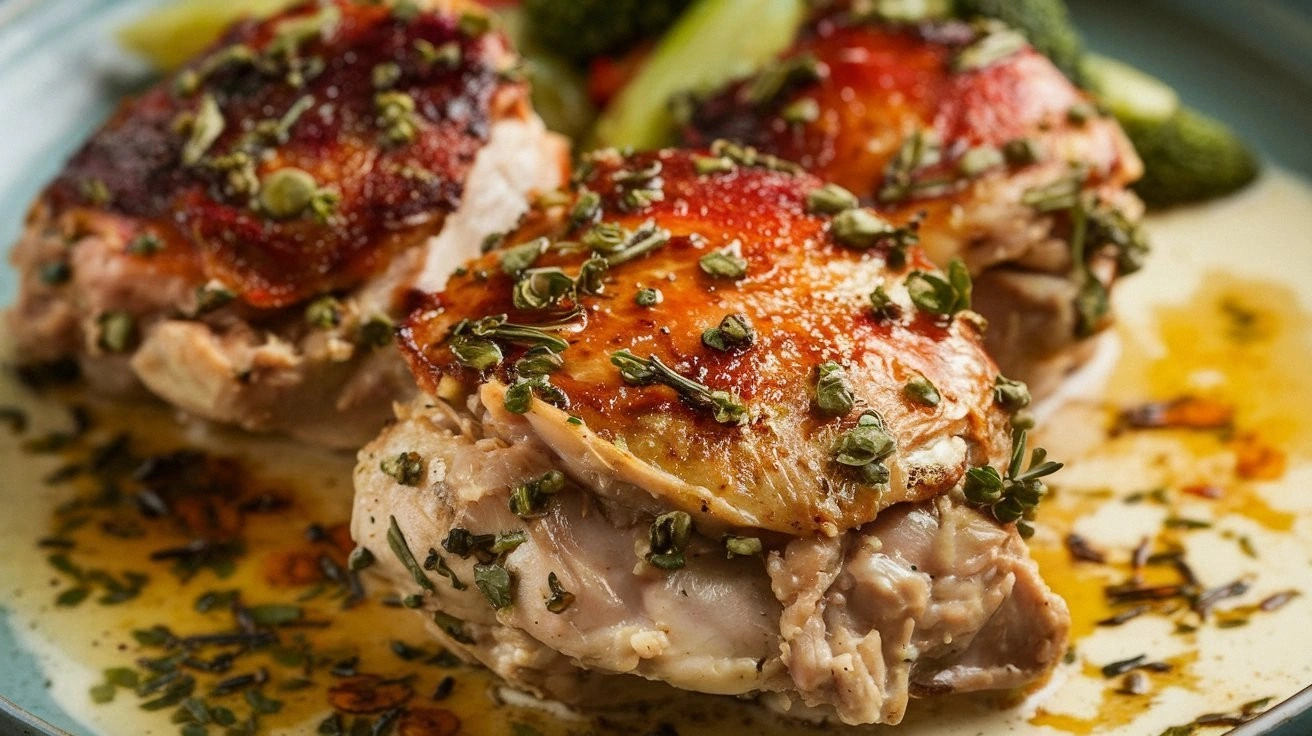
Texture: The thighs achieve a crisp, caramelized exterior that shatters like thin ice when bitten, while the interior remains succulent and melt‑in‑your‑mouth tender. The brief sear locks in juices before the slow simmer does the rest.
Convenience: With a prep time under 15 minutes and a cook time of just 30, this dish is perfect for week‑night dinners. The ingredients are pantry staples, so you won’t need to hunt for exotic items.
Versatility: The sauce can be doubled for a larger crowd or halved for a lighter meal. It also works beautifully with other proteins or even as a hearty vegetarian base when you swap the chicken for tofu.
Make‑ahead: You can prepare the sauce ahead of time and refrigerate it for up to 48 hours. The thighs can also be marinated overnight, allowing flavors to seep deeply.
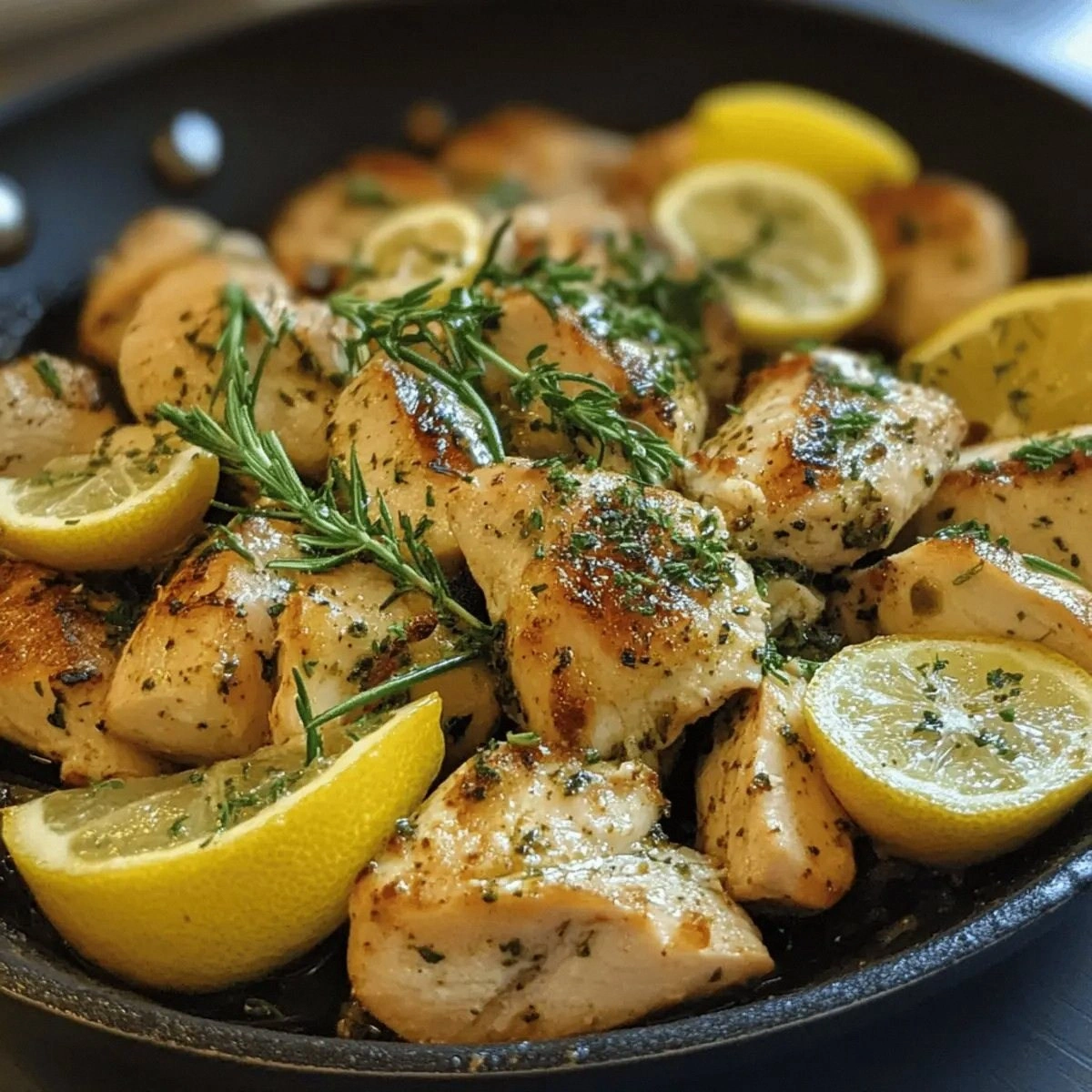
Presentation: The vibrant green parsley garnish and the glossy sheen of the sauce make this dish look as good as it tastes, turning a simple dinner into a visual feast.
Alright, let's break down exactly what goes into this masterpiece…
Inside the Ingredient List
The Flavor Base
The foundation of this dish is a sauce that marries sweet, salty, and umami. Soy sauce brings a deep, savory note that anchors the other flavors. Honey adds a caramelized sweetness that caramelizes on the thighs, creating a glossy glaze. Dijon mustard provides a subtle piquancy that balances the richness, while fresh lemon juice cuts through the heaviness with a bright citrus lift.
If you’re craving a bit of heat, a pinch of red pepper flakes will add a gentle kick that doesn’t overpower the sauce. Should you be vegan or prefer a plant‑based option, simply replace the soy sauce with coconut aminos and the honey with maple syrup. The sauce will still maintain its glossy, caramelized finish.
Skipping any of these components will leave the dish feeling flat. For example, omitting the lemon juice will make the sauce taste overly sweet and heavy. The balance of acidity and sweetness is what makes the sauce coat the chicken like velvet.
The Texture Crew
The thighs themselves are the star. Boneless skinless chicken thighs are prized for their natural fat content, which keeps the meat juicy even after cooking. A quick sear in hot oil locks in moisture and creates a caramelized crust. Butter added during the sear enhances flavor and contributes to a silky mouthfeel.
If you’re worried about overcooking, use a meat thermometer; the internal temperature should reach 165°F (74°C). This guarantees safety without sacrificing tenderness. For an extra touch of richness, finish the dish with a drizzle of truffle oil or a sprinkle of grated Parmesan—though this is optional and depends on your taste preferences.
Without the thighs, the sauce would be a lonely drizzle. The meat’s fat content and the sear’s crispness are what give the dish its signature mouthfeel—juicy inside, crisp outside.
The Unexpected Star
The addition of a small amount of cornstarch dissolved in water acts as a natural thickening agent for the sauce. It ensures the glaze clings to each piece of chicken rather than running off. If you prefer a lighter sauce, you can omit the cornstarch and simply let the reduction thicken on its own.
Some cooks add a splash of white wine to deglaze the pan, infusing the sauce with a subtle acidity and depth. This is optional but adds a gourmet touch. Alternatively, a teaspoon of tomato paste can be incorporated for a richer, slightly tangy flavor profile.
The cornstarch or any thickening agent is the unsung hero that transforms the sauce from a liquid drizzle to a glossy, clingy coating that enhances every bite.
The Final Flourish
Fresh parsley or cilantro not only adds a burst of color but also brings a bright, herbaceous note that cuts through the richness. A sprinkle of toasted sesame seeds can add crunch and an extra layer of flavor. For an Asian twist, a few drops of sesame oil at the end of cooking will lend a nutty aroma that pairs wonderfully with soy and honey.
If you’re serving the dish with a side of rice or noodles, the sauce will cling to them, creating a cohesive meal that feels both comforting and sophisticated. The garnish is a small but crucial detail that elevates the dish’s presentation.
Everything's prepped? Good. Let's get into the real action…
The Method — Step by Step
- Heat a cast‑iron skillet over medium‑high heat. Add 2 tablespoons of olive oil, swirling until hot but not smoking. The oil should shimmer, signaling the pan is ready for the thighs.
- Pat the chicken thighs dry with paper towels; moisture on the surface will prevent a proper sear. Season both sides with salt, pepper, and smoked paprika, ensuring even coverage.
- Place the thighs skin‑side down (if using skinless, just place them in) and let them sear for 3–4 minutes until a golden crust forms. Flip carefully with tongs, allowing the other side to develop a caramelized finish.
- Add 1 tablespoon of butter to the pan and let it melt, swirling the thighs to coat them in the buttery glaze. The butter adds richness and helps the crust form.
- Push the thighs to the side, add minced garlic, and sauté for 30 seconds until fragrant—watch the garlic so it doesn’t burn. The aroma should be intoxicating, signaling that the base flavor is building.
- Pour in 1/4 cup of chicken broth, 2 tablespoons of soy sauce, 1 tablespoon of honey, and 1 tablespoon of Dijon mustard. Stir to combine, scraping up any browned bits from the pan. The broth will deglaze and add moisture.
- Reduce the heat to medium, cover the pan, and let the thighs simmer for 15 minutes. The sauce should reduce slightly, thickening into a glossy glaze.
- Uncover, add 1 tablespoon of fresh lemon juice, and sprinkle in 1/2 teaspoon of cornstarch dissolved in 2 tablespoons of cold water. Stir until the sauce thickens, coating the thighs like velvet.
- Check the internal temperature; it should read 165°F (74°C). If not, cook for an additional 2–3 minutes. The thighs should feel firm yet springy.
- Transfer the thighs to a plate, tent with foil, and let them rest for 5 minutes. This allows the juices to redistribute, ensuring maximum moisture.
- Meanwhile, reduce the sauce in the skillet for another 2 minutes until it reaches a syrupy consistency. This final glaze will cling beautifully to the thighs.
- Arrange the thighs on a platter, drizzle the thickened sauce over them, and garnish with chopped parsley and a pinch of red pepper flakes for color and a subtle heat.
- Serve immediately with steamed rice, quinoa, or roasted vegetables. The sauce will coat everything, creating a cohesive, flavorful meal.
That’s it — you did it. But hold on, I've got a few more tricks that'll take this to another level. The next section will reveal insider tips that will elevate your dish from great to unforgettable.
Insider Tricks for Flawless Results
The Temperature Rule Nobody Follows
Many cooks think any high heat will do for searing, but the real secret is using a cast‑iron skillet preheated to 400°F (204°C). This ensures an immediate caramelization without steaming the meat. I’ve tried using a stainless steel pan, and the crust was uneven and less crisp.
Why Your Nose Knows Best
The aroma of garlic and butter sizzling is a reliable indicator that the pan is at the right temperature. When the garlic releases a nutty scent, you know the heat is ideal. If it smells burnt, the pan is too hot, and the chicken will lose moisture.
The 5-Minute Rest That Changes Everything
Resting the cooked thighs for exactly five minutes allows the juices to redistribute throughout the meat. Cutting into the thighs immediately can cause the juices to spill out, leaving the interior dry. This simple step is the difference between a dry chicken and a melt‑in‑your‑mouth experience.
The Sauce’s Secret Thickener
A slurry of cornstarch and cold water is the best way to thicken without clumps. Mix the cornstarch with an equal amount of cold water before adding it to the hot sauce. Stir constantly to avoid lumps; the sauce should become glossy and cling to the thighs.
The Perfect Garnish
Fresh parsley not only adds color but also a bright, herbal note that balances the richness of the sauce. A sprinkle of toasted sesame seeds adds crunch and a subtle nuttiness. For a smoky twist, finish with a dash of smoked sea salt.
Creative Twists and Variations
This recipe is a playground. Here are some of my favorite ways to switch things up:
Asian Fusion
Swap soy sauce for coconut aminos, add a tablespoon of hoisin sauce, and finish with a splash of sesame oil. The dish takes on a sweet, nutty profile that pairs beautifully with jasmine rice.
Mediterranean Flair
Replace the honey with a drizzle of extra‑virgin olive oil, add chopped sun‑dried tomatoes, and sprinkle with fresh oregano. The result is a bright, herbaceous dish that feels like a summer picnic.
Spicy Kick
Increase the red pepper flakes to a full teaspoon, add a dash of cayenne pepper, and finish with a squeeze of lime. This version is perfect for those who love heat and citrus.
Vegan Version
Use tempeh or seared tofu instead of chicken, and replace the butter with coconut oil. The soy sauce, honey, and mustard can be swapped for tamari, maple syrup, and vegan mustard. The dish remains moist and flavorful.
Low‑Carb Variation
Omit the honey and replace it with a sugar‑free sweetener like erythritol. Serve over cauliflower rice or sautéed greens. The dish stays low in carbs while maintaining its signature glaze.
Smoky BBQ
Add a tablespoon of smoked paprika and a splash of apple cider vinegar. Finish with a drizzle of smoky barbecue sauce. This version brings a southern comfort vibe to the plate.
Storing and Bringing It Back to Life
Fridge Storage
Cool the cooked thighs completely before refrigerating. Store them in an airtight container for up to 4 days. The sauce will thicken slightly, so add a splash of water or broth before reheating to restore its glossy texture.
Freezer Friendly
Wrap each thigh individually in plastic wrap and place in a freezer bag. Freeze for up to 2 months. When ready to use, thaw overnight in the refrigerator and reheat gently on the stovetop.
Best Reheating Method
Reheat in a skillet over medium heat, adding a tablespoon of water or broth to prevent the sauce from drying out. Stir frequently until the thighs are heated through and the sauce is silky again. A quick microwave method works too, but the stovetop preserves the crust.