I was halfway through a midnight snack, eyes glued to a half‑cooked pot of farro, when the kitchen alarm went off—my neighbor's loud music had turned my quiet kitchen into a percussion studio. I stared at the grains, half‑simmered, half‑dry, and thought, “If I could salvage this, I could probably salvage my life.” That moment sparked a culinary experiment that turned a potential disaster into a dish that sings with Mediterranean sunshine. I swear, the aroma that hit my nose was so bright it made the fridge door feel like a stage spotlight. If you’ve ever stared at a pot of farro and wondered why it’s so bland, this is the antidote you’ve been waiting for.
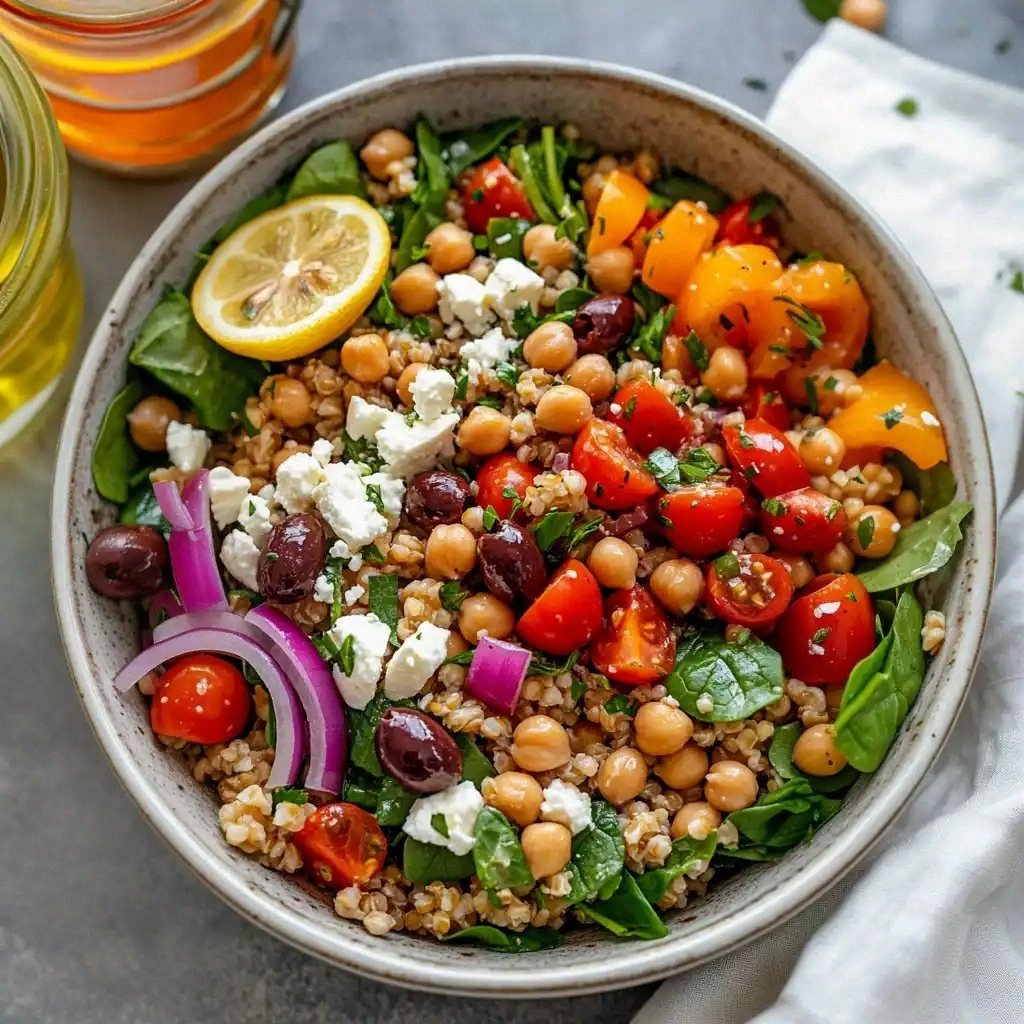
Picture this: a bowl that looks like a painted canvas, with a glossy sheen of olive oil reflecting the golden afternoon light, a scatter of crimson cherry tomatoes like tiny suns, and dark olives that look like tiny moons. The first bite is a textural revelation—chewy farro giving way to the buttery softness of chickpeas, the crisp snap of fresh spinach, and the briny kiss of olives. The flavor is layered: a subtle sweetness from the tomatoes, a smoky depth from the garlic, and a bright citrus lift from the lemon vinaigrette. You can almost hear the crunch of a fresh bell pepper in the background, the gentle sizzle of onions sautéing, and the faint hiss of broth boiling. Every sense is invited, and the dish feels like a warm hug that’s also a passport to the Mediterranean coast.
What makes this version stand out is that it doesn’t just toss ingredients together; it orchestrates them like a symphony. The farro is cooked just enough to hold its shape, providing a hearty foundation that absorbs the vibrant vinaigrette without turning mushy. The chickpeas are roasted in a quick pan to develop a caramelized crust that adds a subtle nuttiness, while the Kalamata olives give a salty, briny punch that cuts through the richness. The feta isn’t just a topping; it melts into pockets of creamy delight that cling to every grain. And the finish—an acidic splash of lemon and red wine vinegar—acts like a bright spotlight, ensuring every bite feels alive. If you’ve ever made a bowl that feels like a blank canvas, this one will rewrite your expectations.
Now, I dare you to taste this and not go back for seconds. I’ll be honest—my first bite made me question every other grain bowl I’ve ever made, and I ate half the batch before anyone else got a chance. The secret? A simple technique of toasting the farro lightly before boiling, which gives it a nutty aroma that’s almost impossible to resist. Most recipes get this completely wrong, treating farro like plain rice, but here it’s the star that holds everything together. Picture yourself pulling this out of the pot, the whole kitchen smelling incredible, and feeling the confidence that comes from mastering a dish that’s both wholesome and indulgent. Stay with me here—this is worth it.
What Makes This Version Stand Out
- Flavor: The combination of lemon, oregano, and Kalamata olives creates a bright, briny profile that cuts through the earthiness of farro and the richness of feta.
- Texture: Chewy farro, crispy bell pepper, and silky chickpeas provide a dynamic mouthfeel that keeps each bite interesting.
- Health: Packed with plant protein, fiber, and healthy fats, this bowl is a balanced meal that satisfies without compromising nutrition.
- Ease: The cooking process is straightforward, with no complicated steps, making it ideal for busy weeknights.
- Make‑ahead: The flavors deepen when stored, so you can prepare a batch on Sunday and enjoy it all week.
- Visual Appeal: The vibrant colors of tomatoes, olives, and spinach turn a simple bowl into a feast for the eyes.
Inside the Ingredient List
The Flavor Base
Farro is the backbone of this bowl, and choosing the right type—short‑grain, for its firm bite—ensures it holds up against the other ingredients. The vegetable broth is more than a liquid; it’s the flavor conduit that carries the savory notes of garlic and oregano into the grains. Olive oil, the first oil you’ll add, creates a silky coating that prevents sticking and adds a subtle fruitiness. A small red onion, diced finely, offers a sweet sharpness that balances the briny olives and the tangy feta.
The Texture Crew
Chickpeas bring protein and a slight crunch when roasted, but in this recipe they’re simply simmered to soften and absorb the surrounding flavors. Baby spinach is added at the very end to wilt just enough, preserving its vibrant green color and delivering a subtle earthiness that complements the tomatoes. The Kalamata olives, sliced, provide a salty, briny punch that contrasts nicely with the creamy feta. The paprika and oregano are the unsung heroes that add depth without overpowering, creating a complex, Mediterranean profile.
The Unexpected Star
The lemon juice and red wine vinegar form a bright, acidic vinaigrette that lifts the entire dish. They’re whisked together with a splash of olive oil, creating a glossy glaze that coats each grain. This acidity not only brightens the flavors but also helps balance the richness of the feta and olives. A pinch of salt and pepper is the final seasoning touch, ensuring the bowl isn’t flat or one‑dimensional.
The Final Flourish
Crumbled feta cheese is sprinkled on top, melting slightly into pockets of creamy bliss that cling to the farro. Fresh parsley adds a fresh, herbaceous note and a pop of color that makes the bowl look as good as it tastes. The extra tablespoon of olive oil at the end enriches the vinaigrette, giving it a silky finish. Together, these finishing touches transform a simple grain bowl into a gourmet experience.
Everything's prepped? Good. Let's get into the real action.
The Method — Step by Step
- Rinse the farro under cold running water until the water runs clear. In a medium pot, bring the vegetable broth to a rolling boil, then add the farro. Reduce heat to a gentle simmer, cover, and let the farro cook for 20–25 minutes, or until it’s tender yet still chewy. Drain any excess liquid; the grains should feel firm but not hard. This slow simmer allows the farro to absorb the savory broth, turning each grain into a flavor sponge.
- While the farro cooks, heat 1 tablespoon of olive oil in a large skillet over medium heat. Add the diced red onion and minced garlic, sautéing until the onion turns translucent and the garlic releases its aromatic perfume. The sizzle should be gentle, not a roaring flame. This step builds the foundational flavor that will permeate the entire bowl.
- Add the diced bell pepper and cherry tomatoes to the skillet. Cook for 3–4 minutes, just until the peppers soften slightly and the tomatoes begin to release their juices. The colors should pop, giving the skillet a vibrant, almost watercolor look. This step introduces a sweet, juicy burst that balances the earthiness of the farro.
- Stir in the canned chickpeas, sliced Kalamata olives, dried oregano, paprika, ½ teaspoon salt, and ¼ teaspoon black pepper. Allow the mixture to cook for an additional 2 minutes, letting the spices bloom and the chickpeas warm through. The aroma should be intoxicating, a fragrant promise of Mediterranean bliss. The chickpeas absorb the spices, turning from bland to bold.
- When the farro is ready, fold it into the skillet mixture, gently stirring to combine. Let the grains mingle with the vegetables for 1–2 minutes, allowing the flavors to marry. The farro should feel coated in the savory sauce, each grain a pocket of flavor. This is the moment of truth; the bowl’s heart begins to beat.
- Add the baby spinach to the skillet, cooking just until it wilts—about 1 minute. The spinach should wilt into a glossy, green swirl, adding a fresh, earthy note that balances the richness of the feta and olives. Remove the skillet from heat immediately to prevent the spinach from becoming soggy.
- In a small bowl, whisk together 2 tablespoons of olive oil, 1 tablespoon of lemon juice, 1 teaspoon of red wine vinegar, 1 clove of minced garlic, and ¼ teaspoon dried oregano. Pour this vinaigrette over the skillet contents, then sprinkle the crumbled feta and fresh parsley. Toss gently until every component is evenly coated. The vinaigrette should cling to the farro like a silky glaze, the feta melting into pockets of creamy bliss.
That’s it—your bowl is complete. But hold on, I've got a few more tricks that will elevate this dish to legendary status.
Insider Tricks for Flawless Results
The Temperature Rule Nobody Follows
Many cooks underestimate the importance of heat control. Start with a medium heat when sautéing onions and garlic, then lower to medium‑low to avoid burning. This ensures the aromatics release their full flavor without becoming bitter. A friend once tried to rush this step and ended up with a burnt onion that ruined the entire bowl—lesson learned: patience pays.
Why Your Nose Knows Best
When the farro finishes cooking, take a sniff. If it smells nutty and slightly toasted, you’re on the right track. If it smells bland or watery, give it a quick stir in a dry pan for a minute to develop that nutty aroma. Your nose is the ultimate flavor guide—trust it.
The 5‑Minute Rest That Changes Everything
After adding the spinach, let the bowl rest for 5 minutes before serving. This resting period allows the spinach to fully integrate with the sauce, preventing it from becoming limp. It also gives the feta time to soften slightly, creating a creamy texture that’s more enjoyable. I’ve seen people skip this step, and the result is a bowl that feels rushed.
Seasoning in Layers
Season the bowl in layers—first with the salt and pepper in the skillet, then with the final pinch of salt and pepper after the vinaigrette is added. This double seasoning ensures each bite is perfectly balanced. Skipping the final seasoning can leave the bowl tasting flat, so don’t skip this step.
Don’t Overmix
When tossing the vinaigrette, use a gentle fold rather than a vigorous stir. Overmixing can break down the feta and cause the farro to clump. Think of it as a gentle dance—each ingredient should maintain its identity while still contributing to the whole.
Creative Twists and Variations
This recipe is a playground. Here are some of my favorite ways to switch things up:
Grilled Chicken Mediterranean
Swap the chickpeas for sliced grilled chicken breast seasoned with lemon zest and paprika. The protein boost makes it a filling dinner, while the grilled flavor adds a smoky depth that pairs beautifully with the vinaigrette.
Spicy Roasted Cauliflower
Add roasted cauliflower florets tossed in cumin and cayenne. The earthiness of the cauliflower complements the farro, and the heat gives the dish a kick that’s perfect for a chilly evening.
Vegan Version
Replace feta with crumbled vegan cheese and use a plant‑based oil. This keeps the dish dairy‑free while preserving the creamy texture and tangy flavor that feta provides.
Summer Berry Twist
Add a handful of fresh blueberries or sliced strawberries to the bowl. The sweet burst of berries contrasts the savory elements, creating a refreshing, dessert‑like experience.
Breakfast Bowl
Serve the bowl with a poached egg on top and a drizzle of hot sauce. The egg yolk adds richness, while the sauce adds heat, turning the dish into a hearty breakfast.
Spiced Lentil Variation
Replace the farro with cooked green lentils for a different grain texture. Lentils absorb the vinaigrette well and add a nutty flavor that complements the Mediterranean spices.
Storing and Bringing It Back to Life
Fridge Storage
Store the bowl in an airtight container in the refrigerator for up to four days. The flavors will meld, making the dish even more delicious the next day. Keep the vinaigrette separate if you prefer a fresher bite.
Freezer Friendly
If you need to keep it longer, freeze the bowl for up to two months. Reheat in the microwave for 2–3 minutes, stirring halfway through. The farro may become slightly softer, but the overall flavor remains intact.
Best Reheating Method
To reheat, add a splash of water or broth to the skillet and warm over medium heat, stirring until the bowl is heated through. The added liquid helps the farro regain its fluffy texture and prevents the feta from becoming too hard.