Picture this: I’m standing in a cramped kitchen, a half‑baked curry on the stove, and the clock ticking toward dinner. I’ve just finished a disastrous attempt at chicken tikka masala that left the kitchen smelling like burnt garlic and the sauce thicker than a toddler’s thumbprint. The next day, I’m scrolling through recipe forums, hunting for a version that actually tastes like a memory of a spice‑laden street market, not a culinary catastrophe. I found it – a lean, creamy, and utterly mouth‑watering chicken tikka masala that flips the traditional recipe on its head, and I’m dying to share every secret with you.
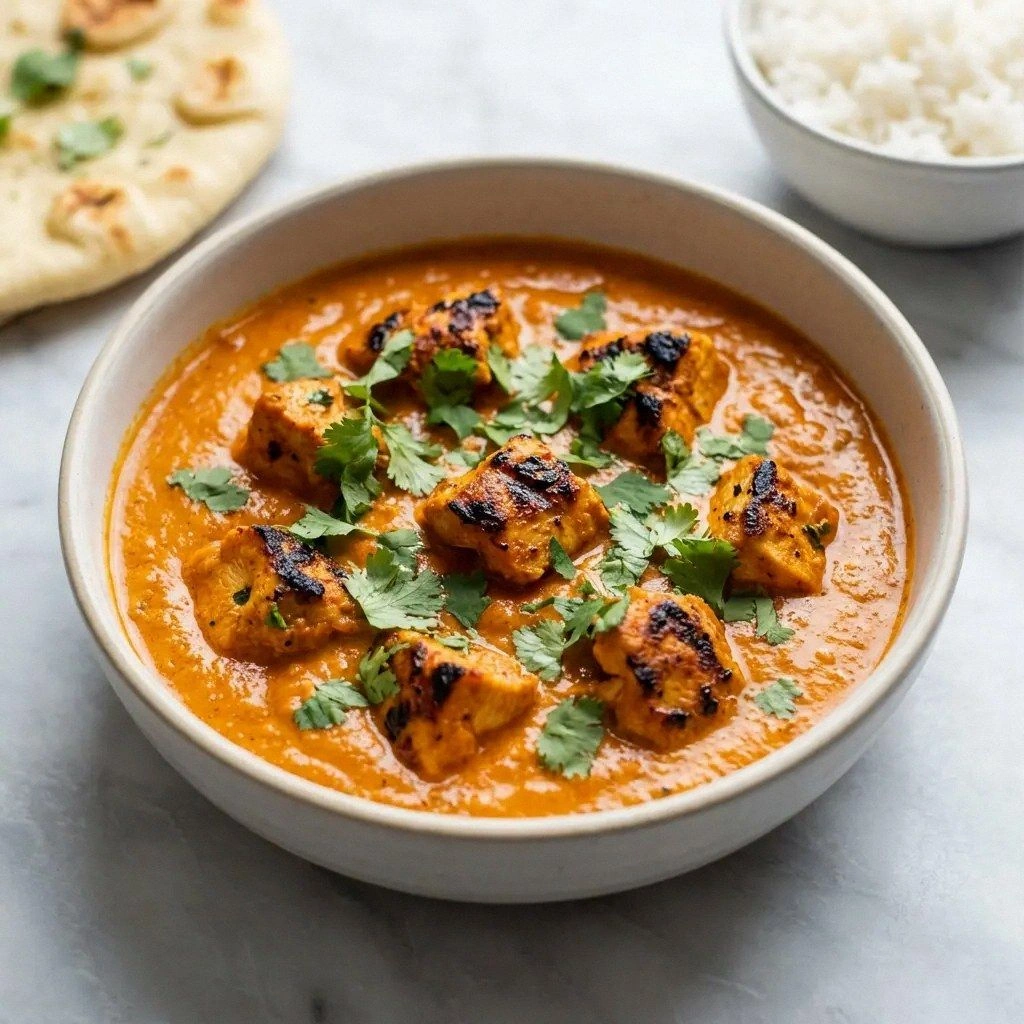
When you open the pot, the first thing that hits you is that warm, earthy perfume of toasted cumin and paprika, like a campfire under a starry sky. The aroma is punctuated by the sharp tang of Greek yogurt, cutting through the richness and leaving a clean finish. The sound of the sauce bubbling is a comforting lullaby, while the sight of the silky, ruby‑red gravy coating each chicken piece feels like a velvet blanket. The texture is a paradox: tender, juicy chicken marinated in yogurt and spices, enveloped in a sauce that’s light yet full-bodied, with a subtle thickness that clings to every bite. The taste is an orchestra of sweet, smoky, and subtly spicy notes that dance on the palate, leaving a lingering warmth that makes you reach for more.
What sets this version apart from the endless variations you find online is the intentional use of non‑fat Greek yogurt, avocado oil, and a precise blend of spices that create a sauce that’s both creamy and low in fat. The yogurt not only tenderizes the chicken but also adds a bright, tangy contrast to the richness of the tomato base. Avocado oil, with its high smoke point and buttery undertone, allows the spices to bloom without burning, delivering that toasted flavor you crave. The sauce’s consistency is achieved by carefully balancing the tomatoes with yogurt, ensuring it’s thick enough to cling to the chicken yet fluid enough to drizzle over rice or naan. And the best part? This dish is so forgiving that even a novice can master it with a few simple tweaks.
I dare you to taste this and not go back for seconds. That’s because once you experience the harmony of spices, the silky yogurt, and the succulent chicken, you’ll find yourself craving the next bite. And if you’ve ever struggled with making tikka masala that’s not greasy or over‑cooked, you’re not alone – and I’ve got the fix. Stay with me here – this is worth it, because the next section will break down exactly what goes into this masterpiece.
What Makes This Version Stand Out
- Flavor Depth: The combination of fresh ginger, garlic, and a splash of paprika gives the sauce an aromatic richness that’s reminiscent of a bustling spice market. Each bite delivers layers of warm, earthy notes that linger long after the meal.
- Light Creaminess: Replacing heavy cream with non‑fat Greek yogurt cuts calories while preserving the velvety mouthfeel. The yogurt’s acidity also helps to balance the heat from cayenne and garam masala.
- Health‑Focused: Avocado oil’s high smoke point and heart‑healthy fats make this dish a guilt‑free comfort food. The use of lean chicken breast keeps protein high and fat low.
- Texture Contrast: The chicken remains moist and tender, thanks to the yogurt marination, while the sauce provides a silky coating that clings to each piece. The result is a satisfying bite that’s both juicy and flavorful.
- Time Efficiency: The marination takes only 15 minutes, and the cooking process is straightforward, making it ideal for busy weeknights without sacrificing quality.
- Make‑Ahead Friendly: The sauce can be prepared up to 24 hours in advance, allowing flavors to meld and intensify. Just reheat gently and enjoy a restaurant‑style meal in minutes.
- Crowd‑Pleaser: Whether you’re feeding a family or hosting friends, this dish earns rave reviews for its balanced spice levels and comforting texture. It’s the kind of meal that sparks conversation and leaves everyone asking for the recipe.
- Ingredient Quality: Using fresh, high‑quality spices and a good‑grade yogurt makes a noticeable difference in flavor. Fresh ginger and garlic cut through the tomato’s acidity and add a bright, lively punch.
Inside the Ingredient List
The Flavor Base
The cornerstone of any great tikka masala is its aromatic foundation. The combination of fresh ginger, minced garlic, and a touch of paprika sets the stage for a complex flavor profile. Each of these ingredients contributes a unique element: ginger adds a peppery warmth, garlic offers depth, and paprika brings a subtle sweetness that balances the heat from the cayenne. Skipping any of these would leave the sauce feeling flat and one‑dimensional.
The Texture Crew
Non‑fat Greek yogurt is the secret weapon that gives this dish its silky texture while keeping it light. The yogurt’s protein binds the sauce, creating a smooth, velvety coating that clings to the chicken. Avocado oil, with its neutral flavor and high smoke point, allows the spices to toast without burning, adding a buttery undertone that elevates the entire dish. If you’re looking for a dairy‑free alternative, coconut yogurt works well, though it will add a subtle coconut flavor.
The Unexpected Star
Ground cumin and ground coriander are the unsung heroes that provide depth without overwhelming the palate. Cumin’s nutty, peppery aroma anchors the sauce, while coriander adds a citrusy brightness that lifts the dish. A pinch of cayenne pepper injects just enough heat to excite the taste buds without turning the meal into a fire hazard. If you prefer a milder version, reduce the cayenne to 1/8 teaspoon.
The Final Flourish
The 28‑ounce can of crushed tomatoes offers a rich, tangy base that balances the yogurt’s acidity. The tomatoes also contribute natural sweetness, which contrasts nicely with the savory spices. Fresh cilantro is the finishing touch, adding a burst of herbal freshness that cuts through the richness. A handful of chopped cilantro, tossed in just before serving, gives the dish a vibrant, aromatic finish.
Everything's prepped? Good. Let's get into the real action...
The Method — Step by Step
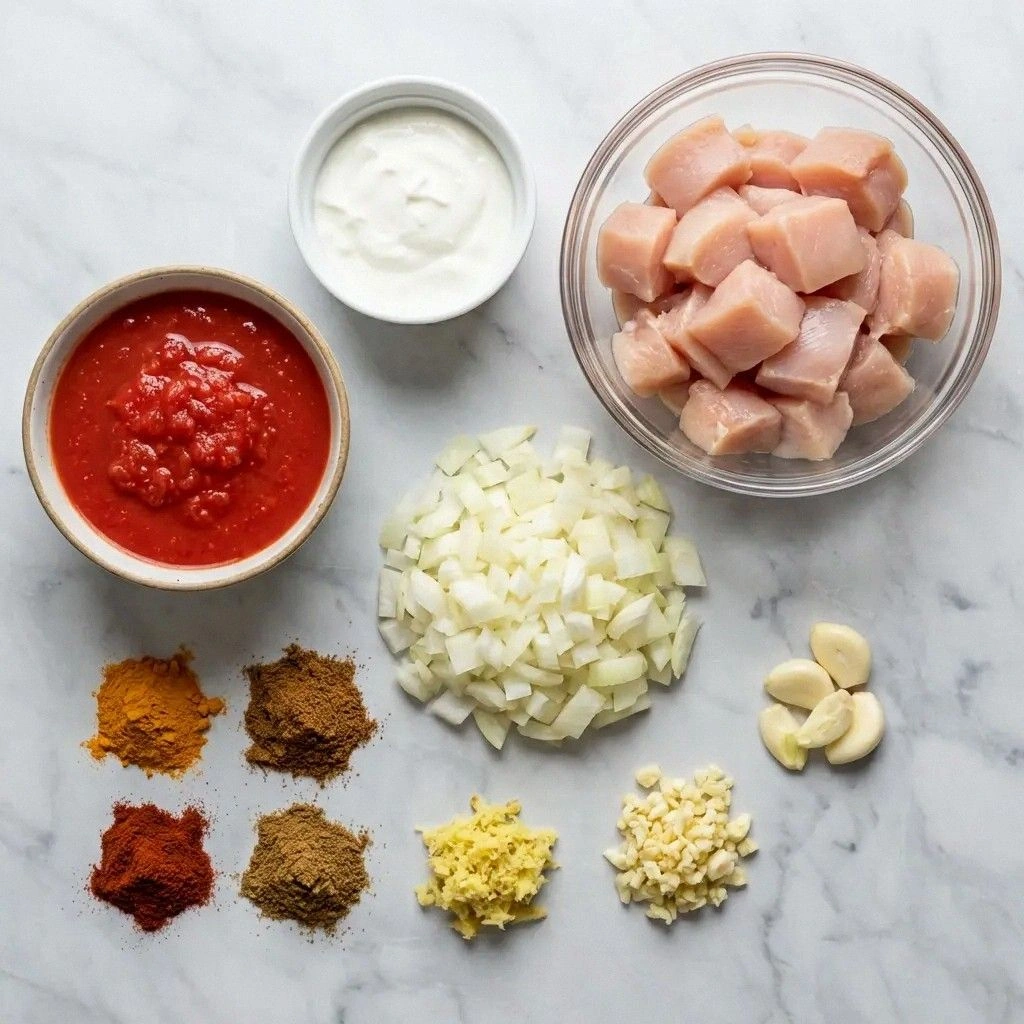
- Marinate the Chicken: In a large bowl, whisk together 0.5 cup plain non‑fat Greek yogurt, 2.5 tsp garam masala, 1 tsp turmeric powder, 0.5 tsp ground cumin, 0.25 tsp cayenne pepper, 0.5 tsp salt, 2 tbsp fresh ginger, 5 cloves garlic, and 1 tbsp avocado oil. Add the 1.5 lbs boneless, skinless chicken breast, cutting it into bite‑sized pieces. Toss until every piece is coated. Cover and refrigerate for at least 15 minutes, or up to 2 hours for deeper flavor. The yogurt tenderizes the chicken, while the spices infuse the meat with aromatic heat.
- Prepare the Sauce Base: While the chicken marinates, heat 1 tbsp avocado oil in a large skillet over medium heat. Add 1 medium yellow onion, finely diced, and sauté until translucent, about 5 minutes. Stir in 1 tsp paprika and 0.5 tsp ground coriander, letting the spices toast for 30 seconds to release their oils. This step creates a fragrant foundation that will carry the rest of the sauce.
- Simmer the Tomatoes: Pour in the 28 oz can of crushed tomatoes, stirring to combine with the onion mixture. Reduce the heat to low, cover, and let the sauce simmer for 10 minutes. The tomatoes break down, forming a rich, glossy base that will blend seamlessly with the yogurt later. The simmer also helps to mellow the raw tomato acidity.
- Add the Marinated Chicken: Remove the chicken from the refrigerator and discard any excess yogurt. Add the chicken pieces to the skillet, stirring to coat them with the tomato‑onion mixture. Cook for 5 minutes, allowing the chicken to brown slightly on all sides. This step locks in juices and builds a caramelized crust that adds depth.
- Introduce the Yogurt: Lower the heat to medium‑low and pour in the remaining 0.5 cup plain non‑fat Greek yogurt. Stir gently, ensuring the yogurt coats the chicken and thickens the sauce. The yogurt’s acidity will balance the tomato’s sweetness and create a silky texture. Watch for any signs of curdling; if the sauce starts to separate, add a splash of water to smooth it out.
- Let It Simmer: Bring the mixture to a gentle simmer and cover. Cook for 10-12 minutes, or until the chicken is cooked through and tender. The sauce should thicken slightly, coating each piece like a glossy, fragrant glaze. This is the moment of truth – the flavors will meld into a harmonious whole.
- Finish with Fresh Cilantro: Just before serving, sprinkle a handful of chopped fresh cilantro over the dish. The herb’s bright, citrusy notes cut through the richness, adding a refreshing counterpoint. The cilantro also gives the dish an appealing visual pop of green.
- Serve Immediately: Plate the chicken tikka masala over a bed of steamed basmati rice or warm naan. Drizzle any remaining sauce over the top and garnish with extra cilantro if desired. The dish is best enjoyed fresh, when the sauce is silky and the chicken remains juicy.
- Optional Side Note: If you prefer a smokier flavor, add a pinch of smoked paprika or a few drops of liquid smoke during the simmering stage. This subtle tweak brings a campfire vibe to the dish without overpowering the delicate yogurt notes.
That's it – you did it. But hold on, I've got a few more tricks that'll take this to another level. Let’s dive into insider tips that will elevate your tikka masala from good to unforgettable.
Insider Tricks for Flawless Results
The Temperature Rule Nobody Follows
Many cooks skip the critical step of lowering the heat when adding yogurt to a hot sauce. By bringing the pan to a gentle simmer before pouring in the yogurt, you prevent curdling and maintain a silky texture. Keep the heat low and stir continuously until the sauce reaches your desired consistency. This simple temperature control is the secret behind a smooth, velvety gravy.
Why Your Nose Knows Best
Before you taste the dish, give it a quick sniff. If the aroma leans too heavily on the raw tomato or the yogurt, you’re missing the balance. A well‑seasoned sauce should smell like a toasted spice blend, with a faint hint of citrus from the cilantro. If it smells off, add a dash of lemon juice to brighten the profile.
The 5-Minute Rest That Changes Everything
After cooking, let the tikka masala rest for five minutes off the heat. This pause allows the flavors to settle and the sauce to thicken slightly. The chicken will also finish cooking in its own steam, ensuring it remains moist. A brief rest is a small time investment that pays off in taste and texture.
Don’t Skip the Onion
Some recipes omit onions for speed, but onions add a sweet, caramelized depth that elevates the dish. Sautéing onions until golden before adding tomatoes brings out their natural sugars, creating a richer base. If you’re short on time, use pre‑sliced onions from the grocery store; they’ll still provide that caramelized flavor.
Keep the Yogurt Fresh
The quality of yogurt directly impacts the sauce’s texture and taste. Use a brand that’s low in added sugars and has a thick, creamy consistency. If you’re making the dish ahead of time, store the yogurt in an airtight container in the refrigerator to prevent it from absorbing odors from other foods.
Serve with the Right Accompaniment
Pairing your tikka masala with the right side can enhance the overall dining experience. Creamy basmati rice, fluffy naan, or even a simple cucumber raita balances the spices and adds a cooling element. If you prefer a low‑carb option, serve it over cauliflower rice or sautéed greens.
Creative Twists and Variations
This recipe is a playground. Here are some of my favorite ways to switch things up:
Spinach & Feta Tikka
Add a handful of fresh spinach to the sauce during the last five minutes of simmering. The spinach wilts, adding color and a subtle earthiness. Sprinkle crumbled feta on top for a tangy, salty finish that pairs wonderfully with the yogurt base.
Spicy Coconut Twist
Replace half of the Greek yogurt with coconut yogurt and add a tablespoon of coconut milk during simmering. The coconut introduces a sweet, tropical note that balances the heat from the cayenne. This version is especially delightful for those who love a hint of exotic flavor.
Smoky Chipotle Variation
Stir in a tablespoon of chipotle in adobo sauce for a smoky, peppery kick. The chipotle also thickens the sauce slightly, giving it a richer mouthfeel. This variation is perfect for a late‑night craving that feels like a warm hug.
Vegetarian Delight
Swap the chicken for bite‑sized cauliflower florets or paneer cubes. Marinate the vegetables with the same yogurt and spice blend for at least 15 minutes. Cook them until tender and enjoy a plant‑based version that still delivers all the classic flavors.
Low‑Carb Keto Version
Serve the tikka masala over cauliflower rice and garnish with a dollop of Greek yogurt. Reduce the onion to half a cup and add extra spices to keep the flavor punchy. This version keeps the carb count low while maintaining the creamy, spicy profile.
Quick One‑Pan Fix
Use a single skillet for all steps: sauté onions, add tomatoes, then stir in the marinated chicken and yogurt. This method saves time and cleanup, making it ideal for a busy weekday dinner. The sauce will still develop depth and richness.
Storing and Bringing It Back to Life
Fridge Storage
Store leftover tikka masala in an airtight container in the refrigerator for up to 3 days. The yogurt’s acidity helps preserve the dish, keeping it fresh and flavorful. When you’re ready to eat, reheat gently on the stove or in the microwave.
Freezer Friendly
The sauce freezes well. Portion it into freezer‑safe containers or zip‑lock bags and store for up to 2 months. Thaw overnight in the refrigerator before reheating. The yogurt may separate slightly after freezing; a quick whisk will restore its silky texture.
Best Reheating Method
To reheat, add a splash of water or a tablespoon of yogurt to the pot. Warm over low heat, stirring constantly until the sauce reaches the desired consistency. The added liquid steams the dish back to its original creamy, luscious state.