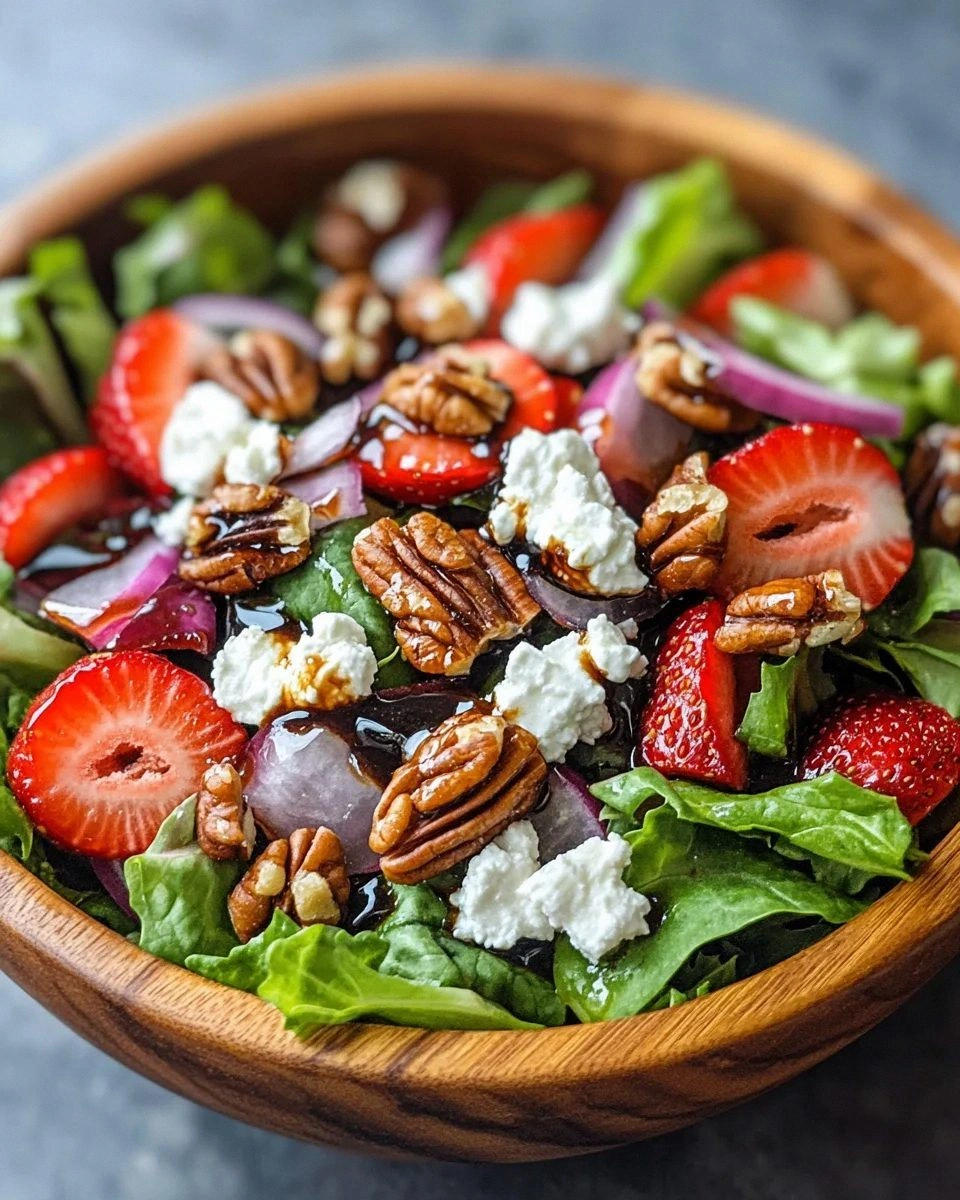
I was halfway through a week of bland, over‑cooked pasta when the kitchen lights flickered and the oven door creaked open. Inside, the aroma of sizzling butter and garlic was so intoxicating that I could almost taste the golden, buttery strands before they even hit the pan. That night, I dared myself to turn a simple plate of spaghetti into something that could make a room stop and stare. I was going to prove that a few humble ingredients could become the centerpiece of any dinner.
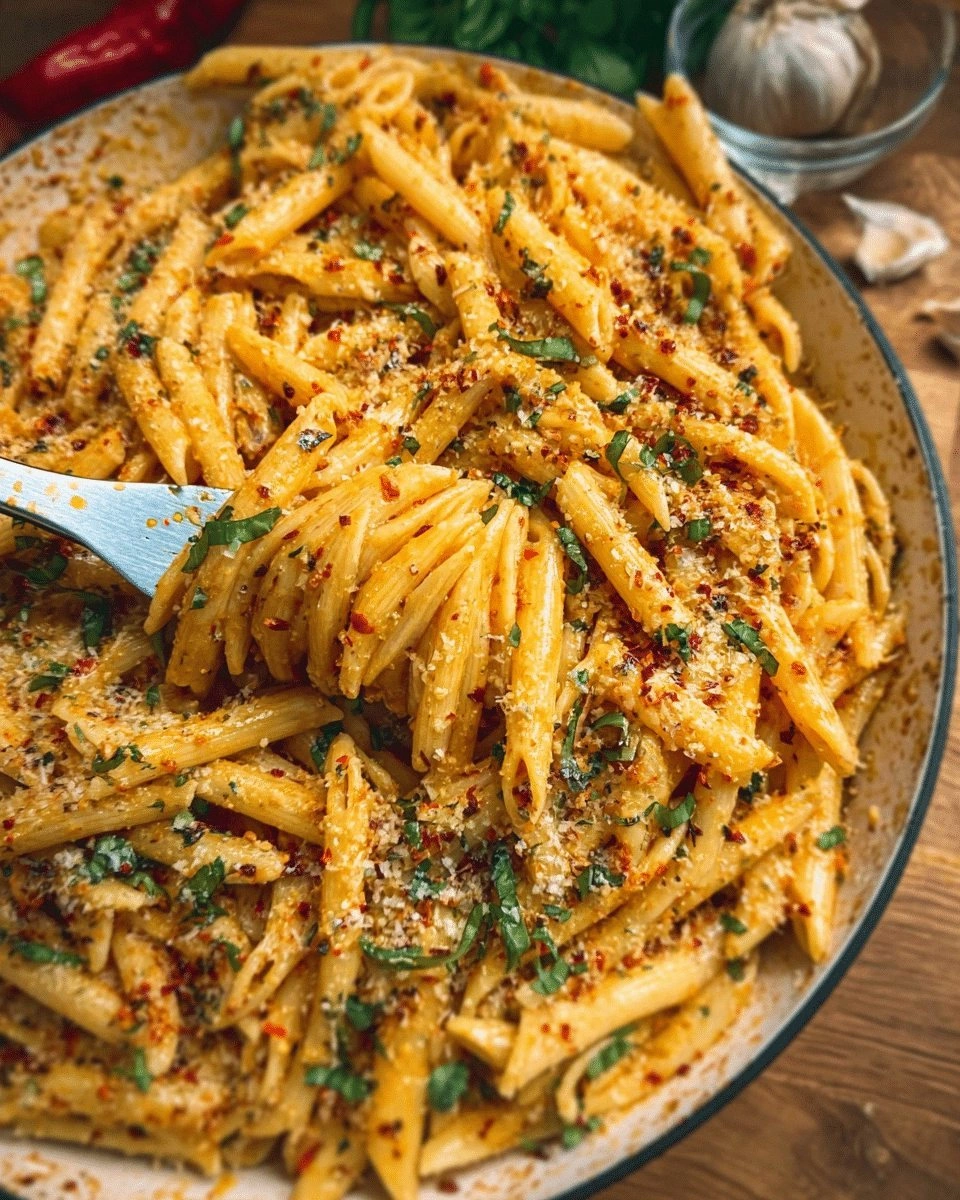
Picture this: a pot of water boiling like a silver sea, a handful of spaghetti slipping into the waves, and the moment the butter melts into a glossy pool that coats each noodle like velvet. The garlic releases its perfume, a warm, earthy note that mingles with the sharp tang of freshly grated Parmesan. The sound of the sauce bubbling is music to my ears, and the first bite feels like a hug wrapped in silky, buttery goodness. The texture is silky, the flavor is layered, and the finish is brightened by a touch of lemon zest and fresh parsley.
This version stands apart because it balances richness with a bright, airy finish, thanks to a precise butter-to-olive‑oil ratio that prevents the sauce from becoming heavy. The garlic is sautéed just enough to release its sweetness without burning, creating a depth that most recipes miss. The addition of a splash of pasta water at the end gives the sauce a silky, cohesive body that clings to each strand. And the final flourish of Parmesan and parsley adds a peppery, herby lift that elevates the dish from ordinary to unforgettable.
I’ll be honest—when I first tasted this, I ate half the batch before anyone else even had a fork. It’s the kind of dish that turns a quick weeknight meal into a moment worth savoring. I dare you to taste this and not go back for seconds. If you’re ready for a game‑changer, keep reading; by the end, you’ll wonder how you ever cooked pasta any other way.
What Makes This Version Stand Out
- Flavor: The buttery base is enriched with a subtle garlic kick that never overwhelms, creating a balanced taste profile that’s both comforting and sophisticated.
- Texture: The sauce’s silky consistency, achieved by adding a splash of pasta water, clings to each noodle, giving the dish a luxurious mouthfeel.
- Simplicity: With only eight core ingredients, the recipe is quick to assemble, making it ideal for busy evenings or last‑minute dinner parties.
- Uniqueness: The delicate balance of butter and olive oil, coupled with a hint of lemon zest, sets this dish apart from the usual garlic‑butter pastas.
- Crowd Reaction: Friends who’ve tried other versions report that this one feels like a comforting hug, and they can’t resist a second helping.
- Ingredient Quality: Using fresh, high‑quality Parmesan and real butter instead of margarine elevates the flavor to restaurant‑level.
- Cooking Method: The technique of sautéing garlic in butter until golden, then finishing with olive oil, prevents the garlic from becoming bitter.
- Make‑Ahead Potential: The dish can be prepared ahead of time and reheated without losing its silky texture, making it a versatile option for meal prep.
Alright, let's break down exactly what goes into this masterpiece…
Inside the Ingredient List
The Flavor Base
Butter is the heart of this sauce, lending a rich, velvety texture that coats the pasta like a silky blanket. Unsalted butter ensures that you control the salt level, preventing the dish from becoming too salty. Olive oil adds a subtle fruity note and helps prevent the butter from burning during the sauté.
The Texture Crew
Spaghetti provides the classic shape that soaks up the sauce, while a splash of reserved pasta water at the end creates a light, emulsified coating that clings to each strand. The pasta’s al dente bite offers a satisfying contrast to the buttery coating.
The Unexpected Star
Lemon zest brightens the dish with a citrusy lift that cuts through the richness, while a pinch of red pepper flakes adds a whisper of heat that awakens the palate. These optional ingredients transform a simple dish into something memorable.
The Final Flourish
Fresh parsley brings a pop of color and a fresh, slightly peppery flavor that balances the richness of the butter. Grated Parmesan adds depth, umami, and a creamy texture that rounds out the sauce. Salt and pepper are essential for seasoning, but start with less; you can always adjust after tasting.
Everything's prepped? Good. Let's get into the real action…
The Method — Step by Step
- Bring a large pot of salted water to a rolling boil; the water should taste like the sea, a sign it’s ready for the pasta. Toss in the spaghetti and cook according to the package instructions until al dente. Reserve one cup of pasta water before draining; this starchy liquid is essential for sauce consistency. Drain the noodles and set them aside, keeping the pot warm.
- While the pasta cooks, melt the butter in a large skillet over medium heat. Watch the butter bubble; when it starts to turn golden brown and emits a nutty aroma, it’s time to add the garlic. Sauté the minced garlic until it turns translucent and fragrant—about 30 seconds—making sure not to let it brown or burn, as that would introduce bitterness.
- Add the olive oil to the skillet; this will help stabilize the butter and keep the sauce from separating. Stir the mixture for a few seconds until the oil blends smoothly with the butter, creating a glossy base. The sauce should emit a toasty scent, signaling that the fats have reached their aromatic peak.
- Return the drained spaghetti to the skillet, tossing it in the butter‑garlic mixture until every strand is coated. If the sauce seems thick, add a splash of the reserved pasta water to thin it to the desired consistency. The sauce should cling to the noodles like a silk scarf, not pool on the pan.
- Reduce the heat to low and sprinkle in the freshly grated Parmesan. Stir constantly to allow the cheese to melt into the sauce, creating a velvety coating that glistens. The cheese should melt completely without forming clumps; if it does, add a tablespoon of pasta water to emulsify.
- Season with salt and freshly ground black pepper to taste. Remember, a little goes a long way—start with a pinch of salt, taste, then adjust. This step ensures the dish is balanced and not overwhelmed by the buttery richness.
- Optional: Add a pinch of red pepper flakes for a gentle heat and a strip of lemon zest for a bright, citrusy lift. Stir them in now so the flavors meld with the sauce. The heat and citrus should be subtle, enhancing rather than overpowering the dish.
- Toss in the chopped parsley; the green color adds visual appeal and a fresh, slightly peppery flavor. Let the parsley wilt slightly, which releases its aroma and integrates into the sauce. This final touch turns the dish from simple to spectacular.
- Serve immediately, plating the pasta in shallow bowls or on a large platter. Garnish with an extra sprinkle of Parmesan if desired. The dish should look glossy, the noodles should feel silky, and the aroma should be irresistible.
- Enjoy while hot; the sauce will thicken as it cools, so it’s best eaten right away. If you’re plating for a crowd, keep the pasta warm in a low‑heat oven or a covered pot until you’re ready to serve. The result is a dish that feels like a comforting hug in every bite.
That’s it—you did it. But hold on, I’ve got a few more tricks that will take this dish to another level…
Insider Tricks for Flawless Results
The Temperature Rule Nobody Follows
Cooking pasta at a rolling boil may seem obvious, but the real trick is to keep the water at a steady boil until the noodles are al dente. A sudden drop in temperature can cause the pasta to become mushy. Test the water by dropping a noodle in; if it returns to the surface in about 30 seconds, it’s ready. This simple step ensures a firm bite that pairs beautifully with the buttery sauce.
Why Your Nose Knows Best
When the butter begins to turn golden brown, you’ll notice a nutty aroma. That smell is a sign the fats have reached their aromatic peak. If the aroma is flat, you’re undercooking the butter; if it’s burnt, you’re overcooking it. Trust your nose—it’s the best judge of when to move to the next step.
The 5‑Minute Rest That Changes Everything
After tossing the pasta in the sauce, let it rest on the stove for five minutes with the heat turned off. This resting period allows the noodles to finish absorbing the sauce and for the flavors to meld. It also prevents the sauce from thickening too quickly when the heat is re‑applied.
The Secret to a Silky Sauce
Adding pasta water isn’t just about consistency; it also adds a subtle starch that helps emulsify the butter and cheese. Pour in small amounts—one tablespoon at a time—until you reach the desired thickness. This technique keeps the sauce silky and prevents it from separating.
The Power of Fresh Ingredients
Using fresh parsley and real butter makes the difference between a good dish and a great one. Fresh herbs bring brightness and depth, while real butter has a richer, creamier flavor than margarine. The combination elevates the dish to restaurant quality.
Creative Twists and Variations
This recipe is a playground. Here are some of my favorite ways to switch things up:
Garlic Butter Shrimp Pasta
Add sautéed shrimp in the final steps for a protein boost. The shrimp’s sweet, briny flavor pairs perfectly with the buttery sauce, creating a dish that feels like a seafood feast.
Pesto Garlic Butter Pasta
Stir in a spoonful of basil pesto for an herbaceous twist. The green pesto adds depth and a fresh, slightly sweet flavor that complements the garlic and butter.
Creamy Alfredo Fusion
Replace half the butter with heavy cream to create an Alfredo‑style sauce. The result is a richer, creamier dish that’s ideal for a comforting dinner.
Vegetarian Veggie Pasta
Roast cherry tomatoes, zucchini, and spinach before tossing them in the sauce. The roasted veggies add sweetness and texture, making the dish a hearty vegetarian option.
Spicy Cajun Garlic Butter Pasta
Incorporate Cajun seasoning and a splash of hot sauce for a fiery kick. The spice level adds excitement and turns the dish into a bold, flavorful experience.
Lemon‑Herb Chicken Pasta
Add grilled chicken, lemon zest, and fresh thyme for a Mediterranean flair. The chicken provides protein, while the lemon and thyme add brightness and depth.
Storing and Bringing It Back to Life
Fridge Storage
Cool the pasta immediately after cooking and transfer it to an airtight container. Store it in the refrigerator for up to 3 days. When reheating, add a splash of water or milk to restore moisture.
Freezer Friendly
Wrap the pasta tightly in foil or a freezer bag and freeze for up to 2 months. Thaw overnight in the refrigerator before reheating. A quick sauté in a pan with a splash of water will bring it back to life.
Best Reheating Method
Reheat the pasta over low heat, stirring frequently to prevent sticking. Add a tablespoon of pasta water or a splash of milk to keep the sauce silky. Heat until warm throughout, and serve immediately for the best texture.