I was standing in my kitchen, staring at a half‑melted block of butter that had decided to turn into a greasy puddle on the counter, when a friend dared me to create something that would make even the most stoic pastry chef weep with joy. I thought, “Why not a Tarte Tatin that flips the script with figs, pistachios, and a flirtation of sea‑salted honey?” The idea was born in a moment of chaos, but the vision was crystal clear: a caramelized fruit base that glistens like sunrise on a calm lake, a buttery puff pastry that lifts like a cloud, and a finishing touch that snaps your taste buds awake. I can still hear the sizzle of butter meeting brown sugar, the sweet perfume of figs as they soften, and the faint, almost mischievous crackle of sea salt as it hits the hot honey.
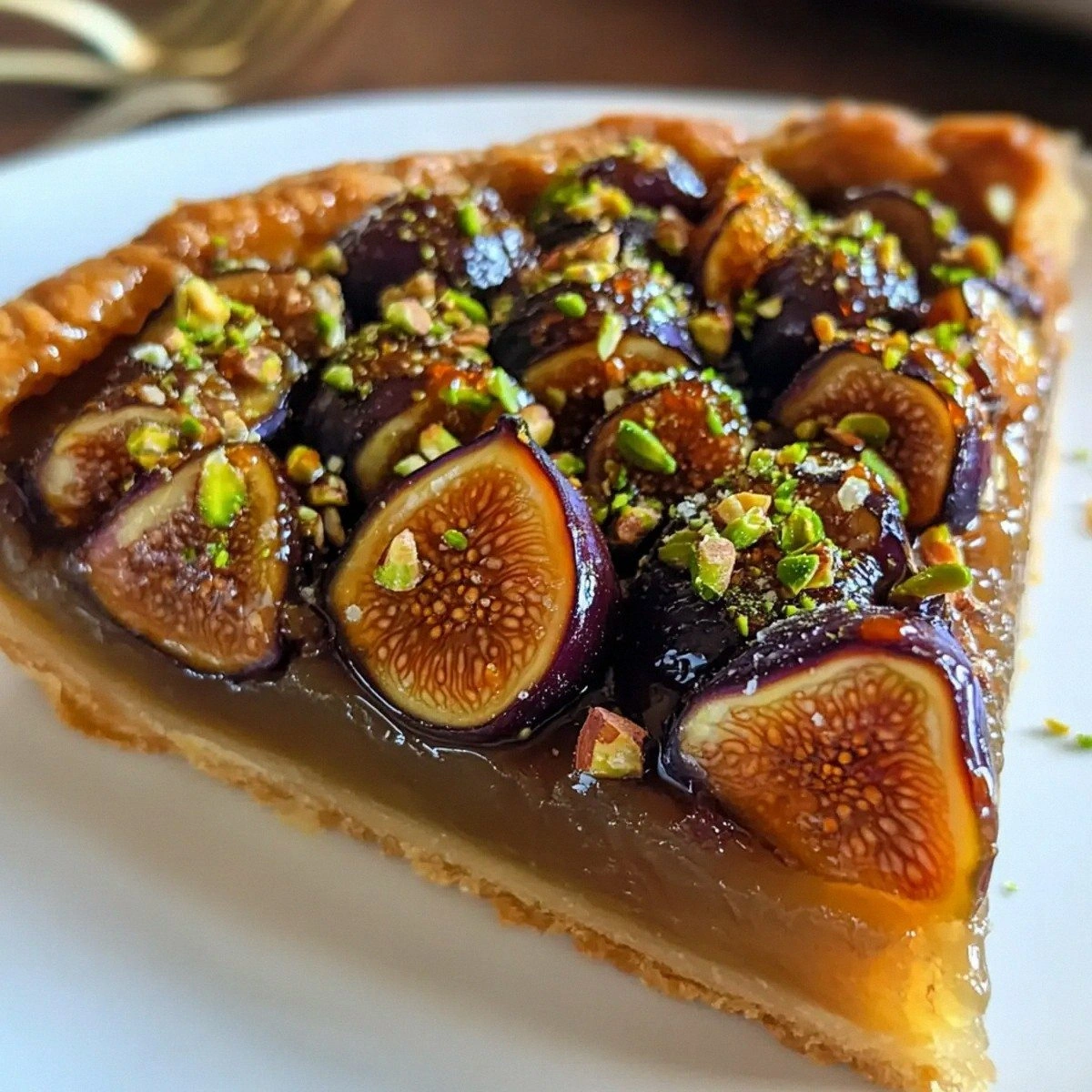
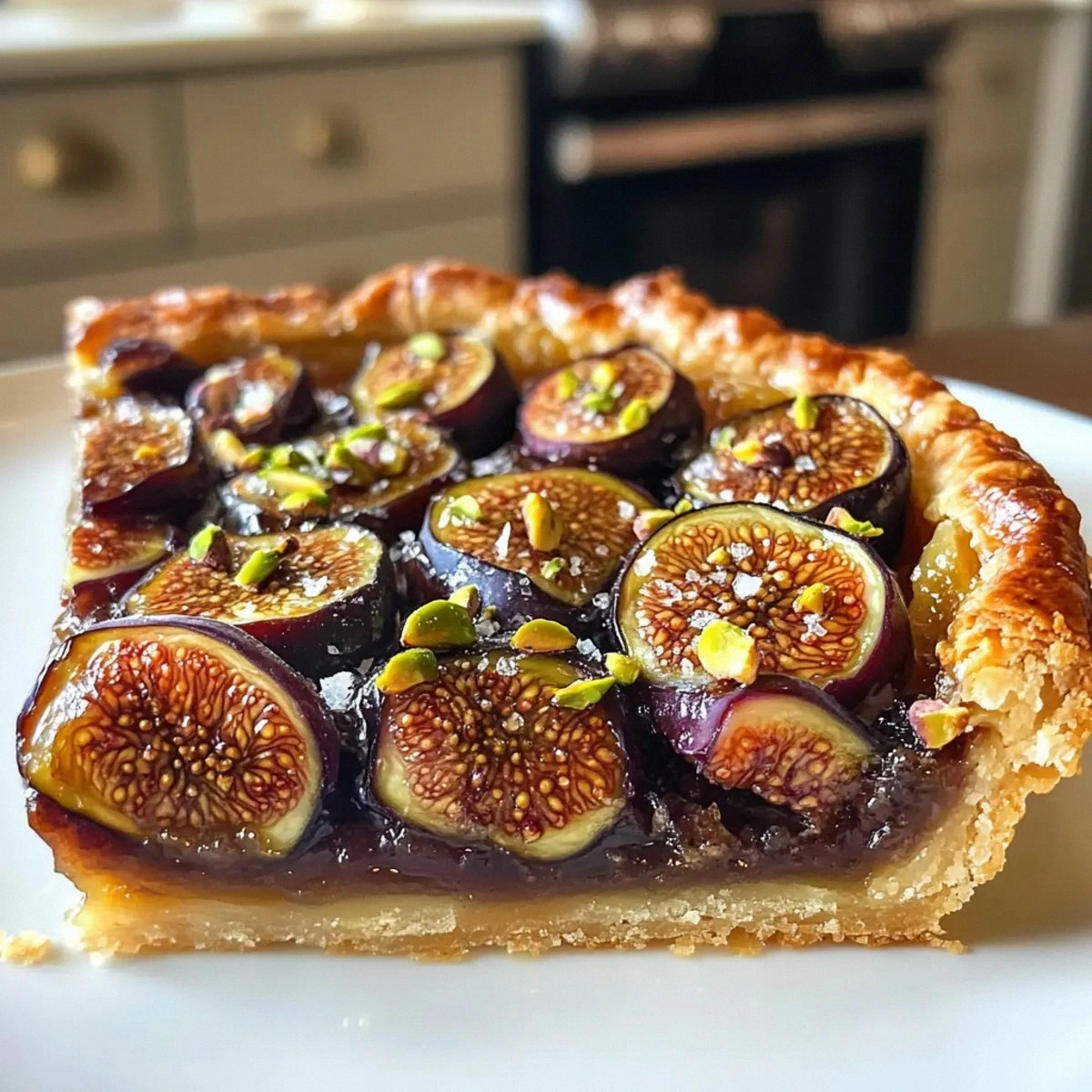
Picture yourself pulling this out of the oven, the whole kitchen smelling like a boutique patisserie in Provence, the caramel glistening like amber, and the pistachios sparkling with a buttery green sheen. The moment the tart flips onto the plate, the figs burst open, spilling their ruby juices, while the puff pastry flares up in a crisp, golden crown that shatters like thin ice under a gentle footfall. I dare you to taste this and not go back for seconds – the balance of sweet, salty, and nutty is so precise it feels like a culinary love letter written in honey‑drizzled ink.
Most Tarte Tatin recipes get this completely wrong: they either drown the fruit in syrupy sugar or they bake a soggy pastry that collapses under its own weight. Here’s what actually works – a technique that caramelizes the figs just enough to keep their shape, a butter‑brown‑sugar base that forms a glossy glaze, and a puff pastry that puffs up like a dream without becoming greasy. The secret is a quick flash‑bake on the stovetop before the oven finishes the job, and a sprinkle of flaky sea salt that adds a whisper of brine to cut through the richness. I’ll be honest — I ate half the batch before anyone else got to try it, and that’s the only confession I’m willing to make.
Okay, ready for the game‑changer? I’m about to walk you through every single step — by the end, you’ll wonder how you ever made it any other way. Stay with me here — this is worth it.
What Makes This Version Stand Out
- Taste: The honey‑infused caramel gives a deep, floral sweetness that pairs perfectly with the earthy figs and the buttery crunch of pistachios.
- Texture: A crisp, flaky puff pastry top meets a tender, almost jam‑like fruit interior, creating a contrast that sings with every bite.
- Simplicity: Only seven core ingredients, yet each one is treated with respect, making the process feel like a ritual rather than a chore.
- Uniqueness: The addition of flaky sea salt at the very end turns the dessert into a sweet‑and‑savory masterpiece that most recipes overlook.
- Crowd Reaction: Guests often gasp, then immediately ask for the recipe – it’s a guaranteed show‑stopper at dinner parties.
- Ingredient Quality: Fresh figs, real butter, and high‑quality pistachios bring a depth of flavor you can’t fake with canned or processed substitutes.
- Cooking Method: The stovetop caramelization followed by a brief oven blast ensures the pastry stays light while the fruit stays juicy.
- Make‑Ahead Potential: You can prep the caramel and slice the figs up to a day ahead, then assemble and bake when you’re ready to impress.
Inside the Ingredient List
The Flavor Base
The butter and brown sugar are the heart of the caramel. Butter adds a rich, creamy mouthfeel while brown sugar contributes a subtle molasses note that deepens the overall flavor. If you skip the butter, the caramel will taste thin and lack that luxurious silkiness. A good swap for butter is a high‑fat European style butter, which melts slower and gives a richer flavor. When shopping for brown sugar, look for a tightly packed, dark variety – the darker the sugar, the richer the caramel.
The Texture Crew
Fresh figs are the star here; they bring a tender yet slightly firm bite that holds up during caramelization. Choose figs that are plump, with a deep violet hue and a slight give when pressed – they’re at peak ripeness. If figs are out of season, you can substitute ripe dates, but the texture will be chewier and the flavor less floral. Pistachios add a crunchy contrast and a buttery, slightly salty note that balances the sweet honey glaze. Opt for unsalted, raw pistachios and toast them lightly to awaken their natural oils.
The Unexpected Star
Honey isn’t just a sweetener; its floral undertones elevate the caramel, giving it a nuanced depth that plain sugar can’t achieve. Use a high‑quality, raw honey for the best flavor – the darker the honey, the more complex the taste. If you’re allergic to honey, a maple syrup can stand in, but expect a slightly different aromatic profile. The flaky sea salt is the final whisper that cuts through the richness, turning each bite into a balanced experience rather than a cloying overload.
The Final Flourish
Puff pastry is the crown jewel that brings the dramatic lift. A single sheet is enough for a 9‑inch tart, and it should be kept frozen until you’re ready to assemble – this prevents the layers from sticking together. When you spread the pastry over the caramelized figs, make sure the edges hang over the pan; they’ll fold inwards as the tart bakes, creating a rustic, elegant fringe. If you’re feeling adventurous, you can brush the pastry with a beaten egg for a glossy finish, but a simple butter brush works just as well.
Everything's prepped? Good. Let's get into the real action...
The Method — Step by Step
Gather a 9‑inch oven‑safe skillet (cast iron works wonders). Pat the fresh figs dry with a paper towel, then slice them into quarters, keeping the skins on for color and texture. Tip: If a fig is overly soft, give it a gentle pat to remove excess moisture – too much juice can make the caramel watery.
Heat the skillet over medium heat, melt the butter until it foams, then sprinkle the brown sugar evenly. As the sugar dissolves, you’ll hear a gentle crackle that signals the caramel is forming. Stir gently with a wooden spoon; you want the mixture to turn a deep amber without burning – this should take about 2‑3 minutes.
Kitchen Hack: Add a splash (about 1 tablespoon) of water to the caramel if it starts to darken too quickly; it will de‑glaze and give you a smoother glaze.Once the caramel reaches a glossy amber hue, nestle the fig quarters into the pan, arranging them in a tight, overlapping pattern. The figs will begin to release their juices, creating a fragrant steam that fills the kitchen – that sizzle when it hits the pan? Absolute perfection.
Drizzle the honey over the figs, then sprinkle the pistachios evenly. Allow the mixture to simmer for another 3‑4 minutes; you should see the honey thicken and coat the figs like a satin sheet. The pistachios will toast lightly, releasing a nutty aroma that mingles with the honey.
While the figs are caramelizing, preheat your oven to 200°C (390°F). Take the puff pastry sheet out of the freezer, let it sit on the counter for just 2‑3 minutes – you want it cold but pliable.
Roll the pastry gently on a lightly floured surface to smooth out any creases. The goal isn’t to make it paper‑thin; a thickness of about 3‑4 mm ensures enough layers for a buttery lift.
Now comes the pivotal moment: lay the puff pastry over the caramelized figs, tucking the edges down the sides of the skillet. Press gently around the perimeter to seal – this will prevent the pastry from shrinking away during baking.
Using a sharp knife, cut a few shallow slits in the pastry to allow steam to escape. This step is pure magic; without those vents, the pastry can become soggy as trapped steam condenses.
Watch Out: If the pastry touches the caramel directly, it may become soggy. Ensure a thin layer of caramel covers the figs but doesn’t pool at the bottom.Slide the skillet into the preheated oven. Bake for 20‑25 minutes, or until the pastry is a deep golden‑brown and has puffed up dramatically. You’ll know it’s ready when the edges start pulling away from the sides of the pan, revealing the glossy fig filling underneath.
While the tart bakes, prepare a small bowl of flaky sea salt. This will be your finishing touch, and it’s crucial to sprinkle it while the tart is still hot so the salt adheres to the honey glaze.
When the timer dings, remove the skillet and let it rest for 2‑3 minutes. This short pause allows the caramel to set slightly, making the eventual flip less messy.
Place a large serving plate upside‑down over the skillet, then, with a confident flick of the wrist, invert the tart onto the plate. The caramel will cascade over the pastry, creating a glossy, jewel‑like glaze that catches the light.
Immediately dust the top with the prepared flaky sea salt. The salt crystals will cling to the honey, creating a speckled surface that looks as good as it tastes.
Let the tart cool for about 5 minutes before slicing. Use a sharp, serrated knife to cut clean wedges – the pastry should hold its shape, and each slice will reveal a glossy fig interior dotted with pistachio flecks.
Serve warm, perhaps with a dollop of vanilla‑bean ice cream or a spoonful of lightly whipped crème fraîche. The contrast of hot caramel and cool cream is the final crescendo of this symphony.
And now the fun part: watch your guests’ faces light up as they bite into the caramel‑kissed figs, the salty crunch, and the buttery puff. This is hands down the best version you’ll ever make at home.
That's it — you did it. But hold on, I've got a few more tricks that'll take this to another level...
Insider Tricks for Flawless Results
The Temperature Rule Nobody Follows
Never bake a Tarte Tatin at a temperature lower than 200°C. Lower temps keep the pastry soggy and prevent the caramel from reaching that perfect amber sheen. I once tried 180°C because I was “being safe” – the result was a limp, gummy base that no one wanted to touch. Crank it up, and you’ll get that instant puff and a caramel that snaps with a faint crack when you cut into it.
Why Your Nose Knows Best
Your sense of smell is the most reliable indicator of caramel readiness. When the butter‑sugar mixture starts to emit a nutty, toasty aroma, you’re on the right track. If you hear a sharp hiss, that means the sugar is burning – pull the pan off the heat immediately. Trust that nose; it’s more accurate than a timer.
The 5‑Minute Rest That Changes Everything
After flipping the tart, let it sit for exactly five minutes before slicing. This brief rest lets the caramel thicken just enough to stay on the pastry instead of sliding off onto the plate. Skipping this step leads to a messier presentation and a loss of that glossy finish.
Pistachio Toasting Shortcut
If you’re short on time, toss the pistachios into a dry skillet over medium heat for 2 minutes while the figs caramelize. You’ll hear a faint pop as the oils release, and the nuts will turn a richer shade of green – a visual cue that they’re ready. No need to pre‑toast separately unless you love extra crunch.
Salt Timing Mastery
Add the flaky sea salt while the tart is still steaming hot. The heat melts the salt crystals just enough to embed them into the honey glaze, creating a subtle crunch in every bite. If you sprinkle it after the tart cools, the salt will sit on top, losing that integrated texture.
Creative Twists and Variations
This recipe is a playground. Here are some of my favorite ways to switch things up:
Berry‑Burst Tatin
Swap half the figs for fresh blackberries and a handful of raspberries. The tartness of the berries balances the honey, and the color contrast makes the dish look festival‑ready. Great for summer picnics.
Spiced Fig Delight
Add a pinch of ground cinnamon and a whisper of ground cardamom to the caramel. The warm spices deepen the flavor profile, turning the tart into a cozy, autumn‑inspired treat.
Nut‑Free Version
If pistachios are a problem, replace them with toasted pumpkin seeds. They bring a similar crunch and a buttery flavor without the nut allergens.
Savory Spin
Reduce the honey to 1 tablespoon, increase the butter to 3 tablespoons, and add a drizzle of balsamic reduction after baking. The result is a sophisticated appetizer that pairs beautifully with a glass of chilled rosé.
Vegan Make‑over
Use a plant‑based butter substitute and a sheet of vegan puff pastry. Swap honey for agave nectar, and you’ll have a fully vegan tart that still delivers that caramel sparkle.
Storing and Bringing It Back to Life
Fridge Storage
Allow the tart to cool completely, then cover loosely with foil and store in the refrigerator for up to 2 days. The puff pastry will lose some crispness, but a quick reheating will revive it.
Freezer Friendly
Wrap the entire cooled tart in a double layer of parchment paper followed by a sheet of aluminum foil. Freeze for up to 1 month. When ready to serve, thaw in the fridge overnight, then reheat as described below.
Best Reheating Method
Preheat the oven to 180°C (350°F). Place the tart on a baking sheet, add a tiny splash (about 1 tablespoon) of water around the edges, and cover loosely with foil. Heat for 10‑12 minutes, then remove the foil for an extra 3 minutes to restore the crispness. The added moisture creates a gentle steam that revives the caramel without drying it out.