
Vietnamese Chicken Curry
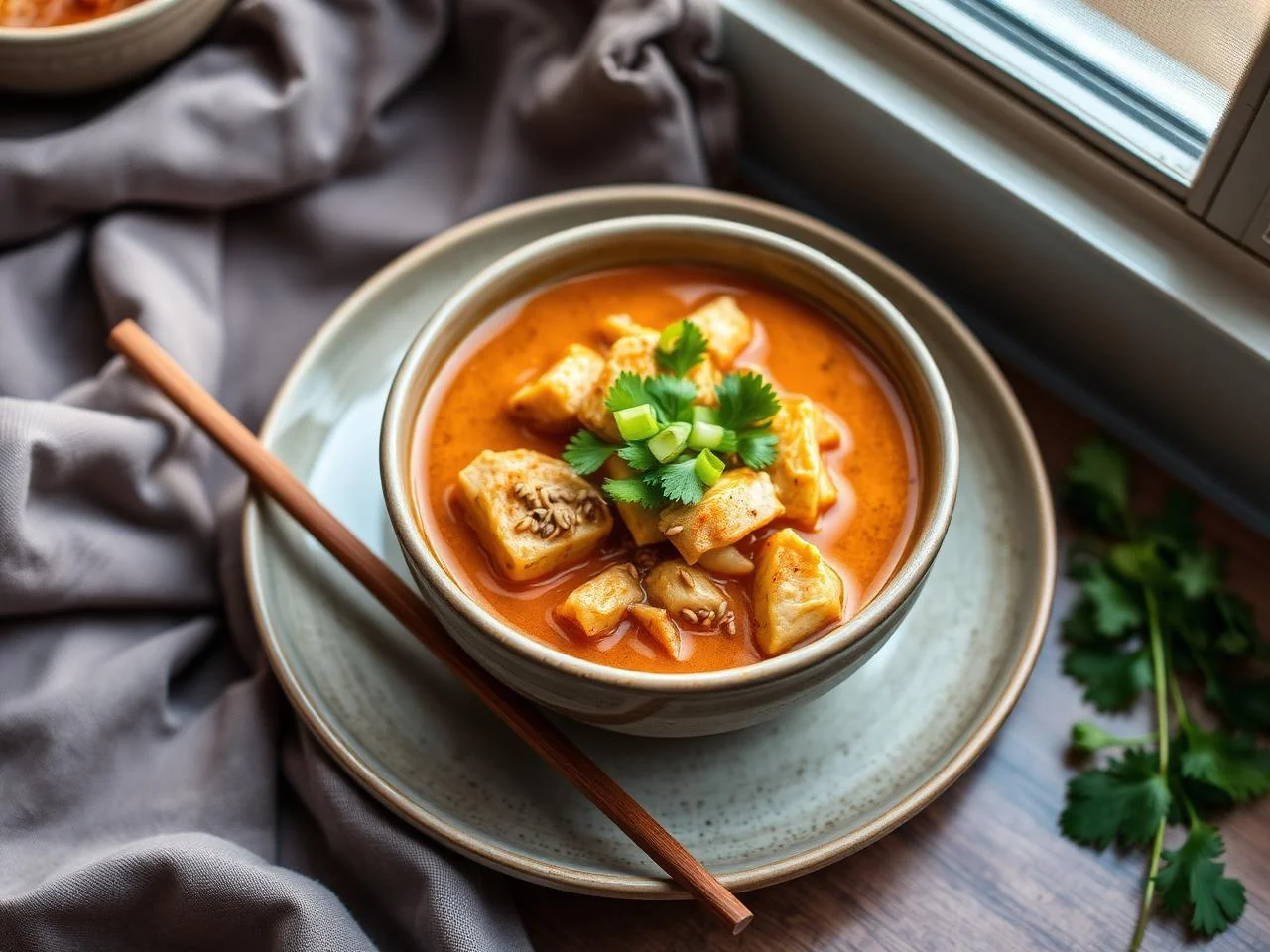
As a lover of Vietnamese cuisine, I've always been drawn to the complexity and depth of flavors in their dishes. One of my favorite Vietnamese recipes is Chicken Curry, a dish that's both familiar and exotic at the same time. With its rich, creamy sauce and tender chicken, it's a comfort food that never fails to satisfy. In this recipe, I'll show you how to make an authentic Vietnamese Chicken Curry that's easy to prepare and packed with flavor.
My journey with Vietnamese Chicken Curry began when I first tried it at a local restaurant. I was immediately hooked by the combination of spices, herbs, and coconut milk that created a truly unique taste experience. Since then, I've experimented with various recipes and techniques to recreate this dish at home. After many trials and errors, I'm excited to share my version of Vietnamese Chicken Curry with you.
This recipe is perfect for anyone who loves Asian cuisine and wants to try something new. The best part is that it's relatively easy to make, and the ingredients are readily available at most supermarkets. Whether you're a seasoned cook or a beginner, you'll find that this recipe is approachable and rewarding.
So, let's dive into the world of Vietnamese Chicken Curry and explore the flavors and techniques that make this dish so special. With its balanced blend of spices, aromatics, and creamy sauce, this recipe is sure to become a staple in your kitchen.
One of the things I love about Vietnamese Chicken Curry is its versatility. You can serve it with steamed rice, noodles, or even as a dipping sauce for bread. The possibilities are endless, and I'm excited to share some of my favorite serving suggestions with you later in this recipe.
Why You’ll Love This Recipe
- This recipe is easy to follow and requires minimal special equipment.
- The flavors are complex and harmonious, making it a great dish for special occasions.
- You can serve it with a variety of sides, including steamed rice, noodles, or bread.
- The recipe is relatively quick to prepare, with a total cooking time of under an hour.
- You can make it ahead of time and refrigerate or freeze it for later use.
- The dish is perfect for a crowd, as it serves 4-6 people and can be easily scaled up or down.
- The recipe is budget-friendly, using affordable ingredients and minimizing food waste.
Why This Recipe Works
The secret to a great Vietnamese Chicken Curry lies in the balance of flavors and the technique used to cook the dish. The combination of onions, garlic, ginger, and lemongrass creates a flavorful base that's both aromatic and savory. The addition of coconut milk and fish sauce adds richness and depth to the sauce, while the chicken provides a nice texture contrast.
Another important aspect of this recipe is the use of layers to build the flavors. By cooking the aromatics first, then adding the spices and chicken, and finally simmering the sauce, we create a complex and harmonious flavor profile that's greater than the sum of its parts.
The cooking technique used in this recipe is also crucial. By cooking the chicken in a hot skillet with a small amount of oil, we achieve a nice brown crust on the outside while keeping the inside tender and juicy. The simmering process then helps to cook the chicken through and infuse the flavors into the sauce.
Ingredients You’ll Need
To make this delicious Vietnamese Chicken Curry, you'll need a few key ingredients, including chicken thighs, onions, garlic, ginger, lemongrass, and coconut milk. You'll also need some pantry staples like fish sauce, soy sauce, and curry powder. Don't worry if you're not familiar with some of these ingredients - they're all readily available at most supermarkets and are easy to work with.
When shopping for ingredients, be sure to choose fresh and high-quality items. For example, look for firm and plump chicken thighs, and fresh lemongrass with no signs of wilting. You can also use frozen lemongrass if you can't find fresh, but be sure to thaw it first.
- 1 lb (450g) chicken thighs, bonelessChoose firm and plump chicken thighs with no signs of damage or discoloration. You can also use chicken breast or a combination of both, but thighs work best for this recipe.
- 2 medium onions, choppedUse sweet onions like Vidalia or Maui for the best flavor. You can also use shallots or scallions if you prefer a milder flavor.
- 3 cloves garlic, mincedUse fresh garlic for the best flavor. You can also use garlic powder or granules if you don't have fresh garlic on hand.
- 2 inches (5cm) fresh ginger, gratedChoose firm and plump ginger with no signs of wilting. You can also use ground ginger if you don't have fresh ginger on hand.
- 2 stalks lemongrass, bruisedUse fresh lemongrass for the best flavor. You can also use frozen lemongrass if you can't find fresh, but be sure to thaw it first.
- 1 can (14 oz/410ml) coconut milkChoose full-fat coconut milk for the best flavor and texture. You can also use low-fat or non-dairy milk if you prefer a lighter version.
- 2 tbsp fish sauceUse a high-quality fish sauce with no added preservatives or flavorings. You can also use soy sauce or tamari if you don't have fish sauce on hand.
- 1 tsp curry powderChoose a mild or medium curry powder for the best flavor. You can also use hot curry powder if you prefer a spicier version.
- 1/2 tsp ground cuminUse fresh cumin for the best flavor. You can also use ground coriander if you don't have cumin on hand.
- 1/4 tsp turmeric powderChoose a high-quality turmeric powder with no added preservatives or flavorings. You can also use fresh turmeric if you prefer a more vibrant flavor.
- 1/4 tsp black pepperUse fresh black pepper for the best flavor. You can also use white pepper or other types of pepper if you prefer a different flavor.
- 2 tbsp vegetable oilChoose a neutral-tasting oil like canola or grapeseed for the best flavor. You can also use coconut oil or other types of oil if you prefer a different flavor.
Equipment You’ll Need
How to Make Vietnamese Chicken Curry
- 1Heat 1 tablespoon of oil in a large skillet or wok over medium-high heat. Add the chopped onions and cook until they're translucent and starting to brown, about 5 minutes.
- 2Add the minced garlic and grated ginger to the skillet and cook for another minute, stirring constantly to prevent burning.
- 3Add the bruised lemongrass to the skillet and cook for 1 minute, stirring constantly to release the oils and flavor.
- 4Add the chicken thighs to the skillet and cook until they're browned on all sides, about 5-7 minutes. Remove the chicken from the skillet and set it aside.
- 5In the same skillet, add the remaining 1 tablespoon of oil and stir in the curry powder, cumin, turmeric, and black pepper. Cook for 1 minute, stirring constantly to prevent burning.
- 6Pour in the coconut milk and fish sauce, and stir to combine. Bring the mixture to a simmer and cook for 2-3 minutes, or until it thickens slightly.
- 7Add the browned chicken back to the skillet and stir to coat with the curry sauce. Cook for 10-15 minutes, or until the chicken reaches an internal temperature of 165 F (74 C).
- 8Use an instant-read thermometer to check the internal temperature of the chicken, especially in the thickest part of the breast.
- 9Remove the skillet from the heat and let it rest for 5 minutes before serving. This will allow the flavors to meld together and the chicken to stay juicy.
- 10Serve the Vietnamese Chicken Curry hot, garnished with fresh herbs like cilantro or basil, and steamed rice or noodles on the side.
- 11You can also serve it with a side of fresh vegetables or a salad for a more balanced meal.
- 12Let the curry cool completely before refrigerating or freezing it for later use.
Expert Tips
- Use fresh and high-quality ingredients for the best flavor and texture.
- Don't overcook the chicken, as it can become dry and tough.
- Stir the curry sauce constantly to prevent burning and ensure a smooth texture.
- Let the curry rest for a few minutes before serving to allow the flavors to meld together.
- Experiment with different types of protein like beef, pork, or tofu for a variation.
- Add some heat to the curry by incorporating diced jalapenos or serrano peppers.
- Use coconut cream instead of coconut milk for a richer and creamier sauce.
- Garnish with fresh herbs and toasted nuts for added texture and flavor.
Common Mistakes to Avoid
- Not cooking the chicken to a safe internal temperature, which can lead to food poisoning.
- Overcooking the chicken, which can make it dry and tough.
- Not stirring the curry sauce constantly, which can lead to burning and an uneven texture.
- Using low-quality ingredients, which can affect the flavor and texture of the dish.
- Not letting the curry rest before serving, which can affect the flavor and texture.
- Not adjusting the seasoning to taste, which can make the dish too salty or bland.
Variations and Substitutions
- Add some heat to the curry by incorporating diced jalapenos or serrano peppers.
- Use coconut cream instead of coconut milk for a richer and creamier sauce.
- Experiment with different types of protein like beef, pork, or tofu for a variation.
- Add some fresh vegetables like bell peppers, carrots, or green beans to the curry for added flavor and nutrition.
- Use different types of oil like coconut or avocado oil for a unique flavor.
- Add some toasted nuts or seeds like cashews or pumpkin seeds for added texture and flavor.
- Use fresh turmeric instead of turmeric powder for a more vibrant flavor and color.
What to Serve With Vietnamese Chicken Curry
Serve the Vietnamese Chicken Curry hot, garnished with fresh herbs like cilantro or basil, and steamed rice or noodles on the side. You can also serve it with a side of fresh vegetables or a salad for a more balanced meal.
Some other serving suggestions include serving it with naan or crusty bread for a fun and interactive meal, or using it as a topping for a bowl of noodles or rice. You can also serve it with some pickled vegetables or kimchi for added flavor and texture.
Make-Ahead, Storage, Freezing and Reheating
Let the curry cool completely before refrigerating or freezing it for later use. You can store it in an airtight container in the refrigerator for up to 3 days or freeze it for up to 2 months.
To reheat the curry, simply microwave it or heat it up on the stovetop until it's hot and steaming. You can also add some water or coconut milk to thin out the sauce if it's too thick.
When freezing the curry, be sure to label the container with the date and contents, and store it in a freezer-safe bag or container. You can also freeze it in individual portions for easy reheating and serving.
Reheating the curry is easy and convenient, and it's a great way to enjoy a delicious and satisfying meal without having to cook from scratch. Simply reheat it and serve it over rice or noodles, and enjoy the flavors and aromas of this delicious Vietnamese dish.
Frequently Asked Questions
What type of protein can I use in this recipe?
You can use chicken, beef, pork, or tofu as a protein source in this recipe. Simply adjust the cooking time and method according to the type of protein you choose.
Can I make this recipe ahead of time?
Yes, you can make this recipe ahead of time and refrigerate or freeze it for later use. Simply reheat it when you're ready to serve.
What type of oil is best to use in this recipe?
You can use any type of oil with a high smoke point, such as coconut oil, avocado oil, or grapeseed oil. Avoid using olive oil or other oils with a low smoke point, as they can burn or smoke during cooking.
Can I add other ingredients to this recipe?
Yes, you can add other ingredients to this recipe to suit your taste preferences. Some options include diced bell peppers, sliced mushrooms, or chopped fresh herbs like cilantro or basil.
How spicy is this recipe?
This recipe has a medium level of heat, thanks to the use of curry powder and fish sauce. If you prefer a milder or spicier version, you can adjust the amount of curry powder or add other spicy ingredients like diced jalapenos or serrano peppers.
Can I serve this recipe with other sides?
Yes, you can serve this recipe with a variety of sides, such as steamed rice, noodles, naan bread, or roasted vegetables. Choose sides that complement the flavors and textures of the curry.
How long does it take to cook this recipe?
This recipe takes about 30-40 minutes to cook, depending on the type of protein and the level of heat you prefer. Simply cook the chicken and curry sauce until the chicken is cooked through and the sauce has thickened to your liking.
Can I freeze this recipe?
Yes, you can freeze this recipe for up to 2 months. Simply let it cool completely, then transfer it to a freezer-safe container or bag and store it in the freezer. Reheat it when you're ready to serve.
Ingredients
- 1 lb (450g) chicken thighs, boneless
- 2 medium onions, chopped
- 3 cloves garlic, minced
- 2 inches (5cm) fresh ginger, grated
- 2 stalks lemongrass, bruised
- 1 can (14 oz/410ml) coconut milk
- 2 tbsp fish sauce
- 1 tsp curry powder
- 1/2 tsp ground cumin
- 1/4 tsp turmeric powder
- 1/4 tsp black pepper
- 2 tbsp vegetable oil
Instructions
- Heat 1 tablespoon of oil in a large skillet or wok over medium-high heat. Add the chopped onions and cook until they're translucent and starting to brown, about 5 minutes.
- Add the minced garlic and grated ginger to the skillet and cook for another minute, stirring constantly to prevent burning.
- Add the bruised lemongrass to the skillet and cook for 1 minute, stirring constantly to release the oils and flavor.
- Add the chicken thighs to the skillet and cook until they're browned on all sides, about 5-7 minutes. Remove the chicken from the skillet and set it aside.
- In the same skillet, add the remaining 1 tablespoon of oil and stir in the curry powder, cumin, turmeric, and black pepper. Cook for 1 minute, stirring constantly to prevent burning.
- Pour in the coconut milk and fish sauce, and stir to combine. Bring the mixture to a simmer and cook for 2-3 minutes, or until it thickens slightly.
- Add the browned chicken back to the skillet and stir to coat with the curry sauce. Cook for 10-15 minutes, or until the chicken reaches an internal temperature of 165 F (74 C).
- Use an instant-read thermometer to check the internal temperature of the chicken, especially in the thickest part of the breast.
- Remove the skillet from the heat and let it rest for 5 minutes before serving. This will allow the flavors to meld together and the chicken to stay juicy.
- Serve the Vietnamese Chicken Curry hot, garnished with fresh herbs like cilantro or basil, and steamed rice or noodles on the side.
- You can also serve it with a side of fresh vegetables or a salad for a more balanced meal.
- Let the curry cool completely before refrigerating or freezing it for later use.