
Singaporean Kway Teow Soup
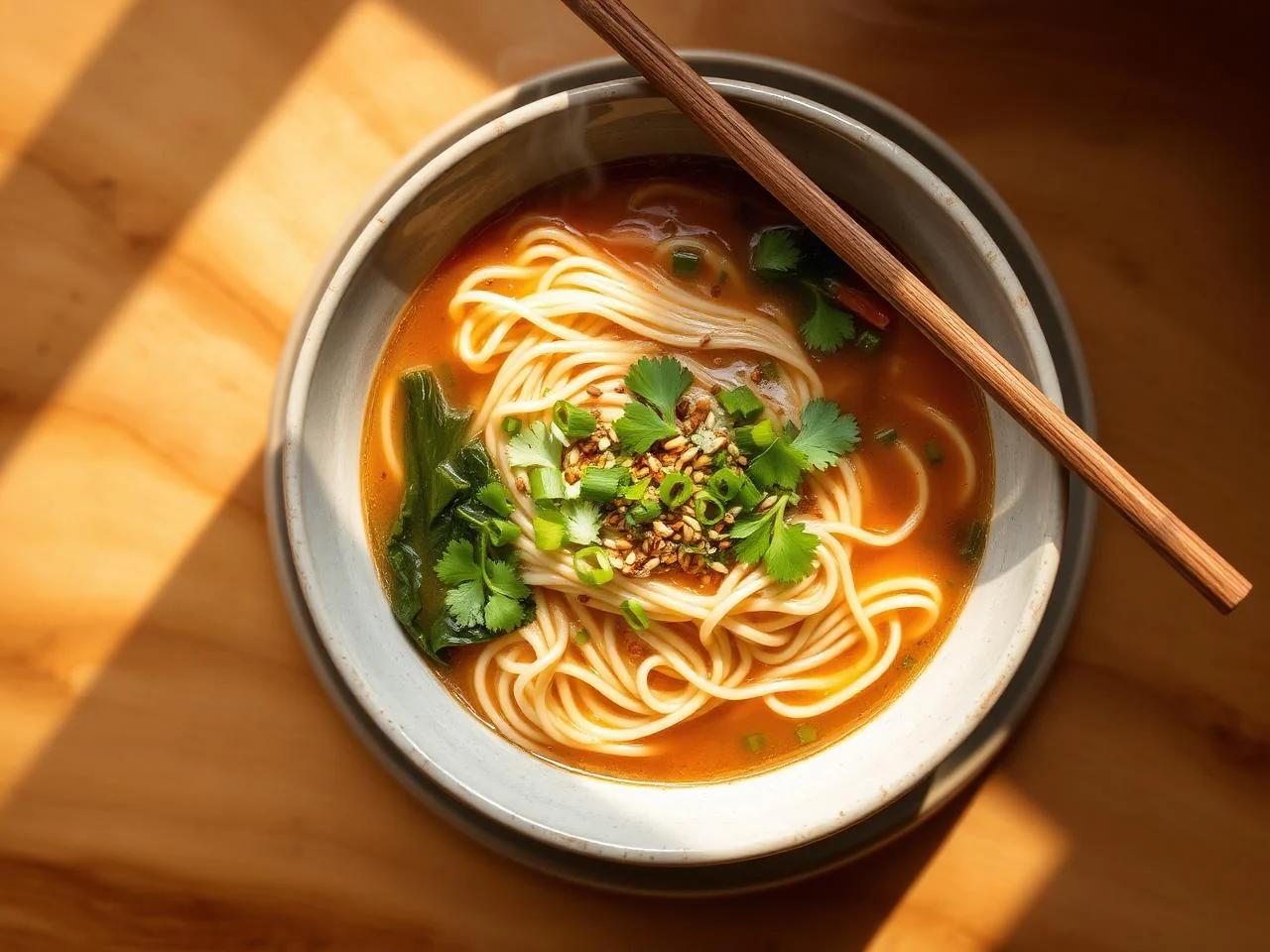
Singaporean Kway Teow Soup is a staple dish in many Asian households, and for good reason - it's a comforting, flavorful, and nutritious meal that's easy to make and fun to customize. As a home cook, I've always been fascinated by the combination of tender noodles, savory broth, and variety of toppings that make this dish so beloved.
In my own kitchen, I've experimented with different ingredients and techniques to create a recipe that's both authentic and accessible. The result is a dish that's perfect for a weeknight dinner or a special occasion, and can be tailored to suit any taste or dietary preference.
One of the things I love about Singaporean Kway Teow Soup is its versatility - you can use a variety of proteins, from chicken and pork to seafood and tofu, and add your favorite vegetables and garnishes to make the dish your own. And with this recipe, you'll learn the basics of making a delicious and authentic broth, cooking the perfect noodles, and assembling the dish with your favorite toppings.
Whether you're a seasoned cook or just starting out, this recipe is designed to be easy to follow and fun to make. So let's get started, and explore the world of Singaporean Kway Teow Soup together!
In this recipe, we'll cover the basics of making a delicious and authentic Singaporean Kway Teow Soup, from preparing the ingredients to cooking the noodles and assembling the dish. We'll also discuss some common variations and substitutions, so you can make the dish your own and experiment with different flavors and ingredients.
Why You’ll Love This Recipe
- This recipe is easy to make and requires minimal ingredients
- It's a nutritious and flavorful meal that's perfect for any time of day
- The dish is highly customizable, so you can add your favorite toppings and make it your own
- It's a great way to use up leftover ingredients and reduce food waste
- The recipe is versatile and can be made with a variety of proteins and vegetables
- It's a fun and interactive dish that's perfect for special occasions or everyday meals
Why This Recipe Works
The key to a great Singaporean Kway Teow Soup is in the broth - a rich, savory liquid that's made by simmering a combination of pork or chicken bones, vegetables, and aromatics. By using a variety of ingredients and cooking techniques, we can create a broth that's both flavorful and nutritious, and provides a delicious base for the rest of the dish.
Another important aspect of this recipe is the noodles - thin, chewy strands of rice flour that are cooked to perfection and add texture and flavor to the dish. By cooking the noodles just until they're tender, we can preserve their delicate flavor and texture, and create a dish that's both satisfying and enjoyable.
Finally, the toppings are what make Singaporean Kway Teow Soup truly special - a variety of ingredients that add flavor, texture, and visual appeal to the dish. From sliced meats and seafood to vegetables and garnishes, the toppings are what make this dish so customizable and fun to eat.
By combining these elements - a delicious broth, perfectly cooked noodles, and a variety of toppings - we can create a dish that's both authentic and delicious, and provides a truly enjoyable eating experience.
Ingredients You’ll Need
To make this recipe, you'll need a variety of ingredients, including pork or chicken bones, vegetables, aromatics, and noodles. You'll also need a range of toppings, such as sliced meats, seafood, and vegetables, to add flavor and texture to the dish.
When shopping for ingredients, be sure to choose fresh and high-quality items, and consider using leftover or surplus ingredients to reduce food waste and make the dish more sustainable.
- 2 lbs (900g) pork bonesYou can use either pork or chicken bones for this recipe, depending on your preference. Look for bones that are fresh and have a good amount of meat on them, as this will add flavor and texture to the broth.
- 1 large onion, slicedOnions add a sweet and savory flavor to the broth, and are a key ingredient in many Asian dishes. You can use either yellow or white onions for this recipe, depending on your preference.
- 3 cloves garlic, mincedGarlic is a fundamental ingredient in many Asian dishes, and adds a pungent and aromatic flavor to the broth. Be sure to mince the garlic finely, as this will help to release its flavors and oils during cooking.
- 2 inches (5cm) ginger, slicedGinger adds a spicy and warming flavor to the broth, and is a key ingredient in many Asian dishes. Look for fresh ginger that is firm and has a good amount of flavor, and slice it thinly to release its oils and flavors during cooking.
- 4 cups (1L) chicken brothYou can use either homemade or store-bought chicken broth for this recipe, depending on your preference. Look for a broth that is low in sodium and has a good amount of flavor, as this will add depth and richness to the dish.
- 2 tablespoons soy sauceSoy sauce is a fundamental ingredient in many Asian dishes, and adds a salty and umami flavor to the broth. Look for a high-quality soy sauce that is made from fermented soybeans, as this will have a richer and more complex flavor than lower-quality alternatives.
- 1 tablespoon oyster sauceOyster sauce is a savory and umami-rich condiment that adds depth and complexity to the broth. Look for a high-quality oyster sauce that is made from real oysters, as this will have a more authentic and nuanced flavor than lower-quality alternatives.
- 1 tablespoon sesame oilSesame oil is a fragrant and aromatic oil that adds a nutty and slightly sweet flavor to the broth. Look for a high-quality sesame oil that is made from roasted sesame seeds, as this will have a richer and more complex flavor than lower-quality alternatives.
- 1 pound (450g) rice noodlesRice noodles are a key ingredient in many Asian dishes, and add a delicate and chewy texture to the broth. Look for noodles that are made from high-quality rice flour, as this will have a better texture and flavor than lower-quality alternatives.
- 1/4 cup (15g) chopped scallionsScallions are a fragrant and aromatic herb that add a fresh and oniony flavor to the dish. Look for scallions that are fresh and have a good amount of flavor, and chop them finely to release their oils and flavors during cooking.
- Salt and pepper to tasteSalt and pepper are fundamental seasonings that add depth and flavor to the dish. Be sure to taste the broth regularly during cooking, and adjust the seasoning as needed to achieve a balanced and nuanced flavor.
Equipment You’ll Need
How to Make Singaporean Kway Teow Soup
- 1In a large heavy pot or wok, combine the pork bones, onion, garlic, and ginger. Pour in the chicken broth and bring the mixture to a boil over high heat, then reduce the heat to low and simmer for at least 1 hour, or until the broth is rich and flavorful and the meat is tender.
- 2While the broth is cooking, prepare the noodles according to the package instructions. Typically, this involves soaking the noodles in hot water for 5-10 minutes, then draining and rinsing them with cold water to stop the cooking process.
- 3Once the broth is ready, strain it through a colander or strainer into a clean pot, discarding the solids. Add the soy sauce, oyster sauce, and sesame oil to the broth, and stir to combine.
- 4Add the cooked noodles to the broth and stir to combine. Cook for an additional 2-3 minutes, or until the noodles are heated through and the flavors have melded together.
- 5Taste the broth and adjust the seasoning as needed. You can add more soy sauce, oyster sauce, or sesame oil to taste, and also add salt and pepper to balance out the flavors.
- 6To assemble the dish, place some of the noodles and broth into a serving bowl, then add your desired toppings. These can include sliced meats, seafood, vegetables, and garnishes such as scallions and sesame seeds.
- 7Serve the dish immediately, garnished with additional scallions and sesame seeds if desired. You can also offer a variety of condiments and sauces on the side, such as soy sauce, oyster sauce, and chili sauce, to allow each person to customize their dish to their taste.
- 8As you serve the dish, be sure to ladle the hot broth over the toppings and noodles, as this will help to cook the ingredients and meld the flavors together. You can also offer a variety of sides and accompaniments, such as steamed vegetables or pickled ginger, to add additional flavor and texture to the meal.
- 9Once the dish is served, allow each person to customize their portion to their taste. This can involve adding additional toppings or sauces, or adjusting the seasoning and flavor of the broth to their liking.
- 10As you enjoy the dish, be sure to appreciate the complex and nuanced flavors of the broth, as well as the delicate texture of the noodles and the freshness of the toppings. This is a dish that is meant to be savored and enjoyed, and that offers a truly unique and delicious eating experience.
- 11Finally, be sure to store any leftovers in the refrigerator or freezer, as this will help to preserve the flavors and textures of the dish and allow you to enjoy it again in the future. You can also use the leftover broth as a base for other dishes, such as soups or stews, or freeze it for later use.
Expert Tips
- Use high-quality ingredients to make the best broth possible
- Adjust the seasoning and flavor of the broth to your taste
- Experiment with different toppings and garnishes to make the dish your own
- Use leftover ingredients to reduce food waste and make the dish more sustainable
- Serve the dish immediately, as the hot broth and noodles are an important part of the eating experience
- Offer a variety of condiments and sauces on the side, such as soy sauce and chili sauce, to allow each person to customize their dish to their taste
- Consider making a large batch of the broth and freezing it for later use, as this will save time and effort in the long run
- Don't be afraid to experiment and try new ingredients and flavor combinations - this is a dish that is meant to be enjoyed and customized to your taste
Common Mistakes to Avoid
- Not using high-quality ingredients, which can result in a bland or unappetizing broth
- Not adjusting the seasoning and flavor of the broth to your taste, which can result in a dish that is too salty or too bland
- Not cooking the noodles properly, which can result in a dish that is too starchy or too mushy
- Not using enough toppings and garnishes, which can result in a dish that is too plain or too boring
- Not serving the dish immediately, which can result in a broth that is too cool or too congealed
- Not offering a variety of condiments and sauces on the side, which can result in a dish that is too limited or too restrictive
Variations and Substitutions
- Using different types of protein, such as chicken or seafood, to add variety to the dish
- Adding different vegetables, such as carrots or bell peppers, to add flavor and texture to the broth
- Using different types of noodles, such as rice noodles or egg noodles, to change the texture and flavor of the dish
- Adding different seasonings and spices, such as curry powder or cumin, to give the broth a unique and exotic flavor
- Serving the dish with different toppings and garnishes, such as pickled ginger or sesame seeds, to add variety and interest to the meal
- Making a vegetarian or vegan version of the dish by substituting the pork bones with a plant-based alternative and using vegetable broth instead of chicken broth
- Adding other ingredients, such as mushrooms or bok choy, to add flavor and nutrition to the dish
What to Serve With Singaporean Kway Teow Soup
Singaporean Kway Teow Soup is a versatile and customizable dish that can be served in a variety of ways. You can serve it as a main course, with a variety of toppings and garnishes, or as a side dish, with steamed vegetables or pickled ginger.
Some popular toppings and garnishes for this dish include sliced meats, seafood, and vegetables, as well as scallions, sesame seeds, and chili sauce. You can also offer a variety of condiments and sauces on the side, such as soy sauce and oyster sauce, to allow each person to customize their dish to their taste.
Make-Ahead, Storage, Freezing and Reheating
Leftover Singaporean Kway Teow Soup can be stored in the refrigerator for up to 3 days or frozen for up to 3 months. To store the soup, allow it to cool to room temperature, then transfer it to an airtight container and refrigerate or freeze it.
When reheating the soup, be sure to heat it to an internal temperature of at least 165°F (74°C) to ensure food safety. You can reheat the soup on the stovetop or in the microwave, and serve it with your desired toppings and garnishes.
It's also possible to make a large batch of the broth and freeze it for later use. To do this, allow the broth to cool to room temperature, then transfer it to an airtight container and freeze it. The frozen broth can be thawed and reheated as needed, and used as a base for a variety of dishes, such as soups, stews, and sauces.
Frequently Asked Questions
What type of noodles should I use for this recipe?
You can use either rice noodles or egg noodles for this recipe, depending on your preference. Rice noodles are a more traditional choice, but egg noodles can add a richer and more complex flavor to the dish.
Can I use different types of protein for this recipe?
Yes, you can use different types of protein, such as chicken or seafood, to add variety to the dish. Simply substitute the pork bones with your desired protein and adjust the cooking time and seasoning as needed.
How do I store leftover soup?
Leftover soup can be stored in the refrigerator for up to 3 days or frozen for up to 3 months. To store the soup, allow it to cool to room temperature, then transfer it to an airtight container and refrigerate or freeze it.
Can I make a vegetarian or vegan version of this recipe?
Yes, you can make a vegetarian or vegan version of this recipe by substituting the pork bones with a plant-based alternative and using vegetable broth instead of chicken broth. You can also add a variety of vegetables and seasonings to give the broth a unique and exotic flavor.
What are some popular toppings and garnishes for this dish?
Some popular toppings and garnishes for this dish include sliced meats, seafood, and vegetables, as well as scallions, sesame seeds, and chili sauce. You can also offer a variety of condiments and sauces on the side, such as soy sauce and oyster sauce, to allow each person to customize their dish to their taste.
Can I make a large batch of the broth and freeze it for later use?
Yes, you can make a large batch of the broth and freeze it for later use. To do this, allow the broth to cool to room temperature, then transfer it to an airtight container and freeze it. The frozen broth can be thawed and reheated as needed, and used as a base for a variety of dishes, such as soups, stews, and sauces.
How do I reheat the soup?
To reheat the soup, simply heat it to an internal temperature of at least 165°F (74°C) to ensure food safety. You can reheat the soup on the stovetop or in the microwave, and serve it with your desired toppings and garnishes.
Can I use this recipe as a base for other dishes?
Yes, you can use this recipe as a base for a variety of dishes, such as soups, stews, and sauces. The broth can be used as a base for other recipes, and the noodles and toppings can be customized to suit your taste and preferences.
Ingredients
- 2 lbs (900g) pork bones
- 1 large onion, sliced
- 3 cloves garlic, minced
- 2 inches (5cm) ginger, sliced
- 4 cups (1L) chicken broth
- 2 tablespoons soy sauce
- 1 tablespoon oyster sauce
- 1 tablespoon sesame oil
- 1 pound (450g) rice noodles
- 1/4 cup (15g) chopped scallions
- Salt and pepper to taste
Instructions
- In a large heavy pot or wok, combine the pork bones, onion, garlic, and ginger. Pour in the chicken broth and bring the mixture to a boil over high heat, then reduce the heat to low and simmer for at least 1 hour, or until the broth is rich and flavorful and the meat is tender.
- While the broth is cooking, prepare the noodles according to the package instructions. Typically, this involves soaking the noodles in hot water for 5-10 minutes, then draining and rinsing them with cold water to stop the cooking process.
- Once the broth is ready, strain it through a colander or strainer into a clean pot, discarding the solids. Add the soy sauce, oyster sauce, and sesame oil to the broth, and stir to combine.
- Add the cooked noodles to the broth and stir to combine. Cook for an additional 2-3 minutes, or until the noodles are heated through and the flavors have melded together.
- Taste the broth and adjust the seasoning as needed. You can add more soy sauce, oyster sauce, or sesame oil to taste, and also add salt and pepper to balance out the flavors.
- To assemble the dish, place some of the noodles and broth into a serving bowl, then add your desired toppings. These can include sliced meats, seafood, vegetables, and garnishes such as scallions and sesame seeds.
- Serve the dish immediately, garnished with additional scallions and sesame seeds if desired. You can also offer a variety of condiments and sauces on the side, such as soy sauce, oyster sauce, and chili sauce, to allow each person to customize their dish to their taste.
- As you serve the dish, be sure to ladle the hot broth over the toppings and noodles, as this will help to cook the ingredients and meld the flavors together. You can also offer a variety of sides and accompaniments, such as steamed vegetables or pickled ginger, to add additional flavor and texture to the meal.
- Once the dish is served, allow each person to customize their portion to their taste. This can involve adding additional toppings or sauces, or adjusting the seasoning and flavor of the broth to their liking.
- As you enjoy the dish, be sure to appreciate the complex and nuanced flavors of the broth, as well as the delicate texture of the noodles and the freshness of the toppings. This is a dish that is meant to be savored and enjoyed, and that offers a truly unique and delicious eating experience.
- Finally, be sure to store any leftovers in the refrigerator or freezer, as this will help to preserve the flavors and textures of the dish and allow you to enjoy it again in the future. You can also use the leftover broth as a base for other dishes, such as soups or stews, or freeze it for later use.