
Korean Doenjang Soup
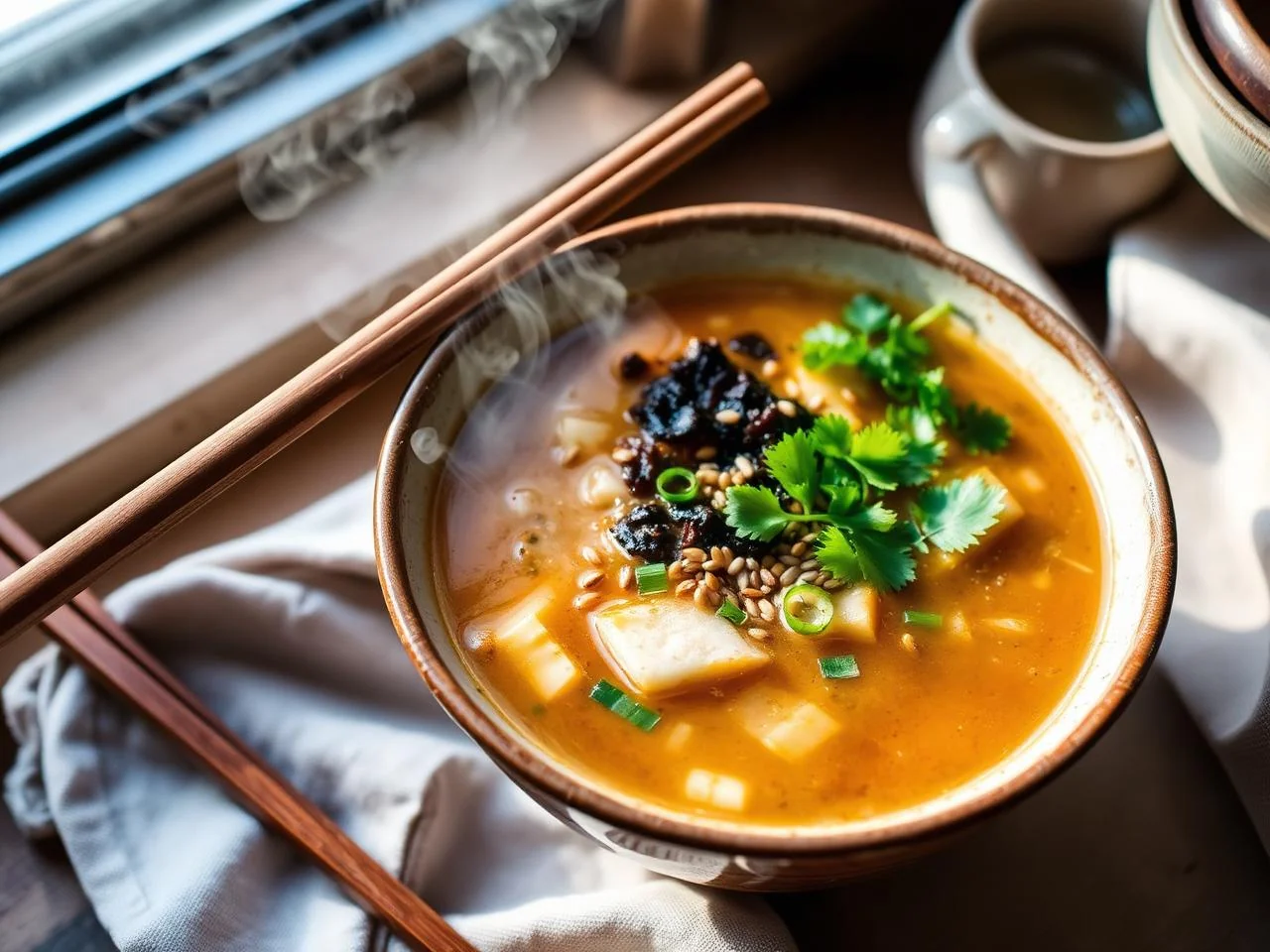
Korean Doenjang Soup, also known as Doenjang Jjigae, is a staple in Korean cuisine that warms the heart and soul. This traditional soup is made with fermented soybean paste, also known as doenjang, which gives it a rich, savory flavor. I still remember my first taste of doenjang soup at my friend's house - the depth of flavor and the warmth it brought to my belly on a cold winter day was unforgettable.
As a home cook, I've experimented with various recipes to recreate that authentic flavor at home. The key to a great doenjang soup is using high-quality ingredients and balancing the flavors just right. In this recipe, I'll guide you through the process of making a delicious and satisfying Korean Doenjang Soup that's sure to become a favorite in your household.
I've found that the best time to make doenjang soup is on a chilly evening when you're craving something comforting and nourishing. It's also a great option for a weekend meal prep, as it can be made in large batches and reheated throughout the week. Whether you're a fan of spicy food or not, this soup is highly customizable to your taste preferences, making it a great option for a variety of palates.
One of the things I love about Korean cuisine is the emphasis on using fresh, seasonal ingredients. For this recipe, you'll need to visit an Asian market or a well-stocked grocery store to find some of the key ingredients, such as doenjang and gochugaru. But don't worry, I'll provide you with some substitution options and tips on where to find these ingredients.
In this recipe, we'll be using a combination of pork, vegetables, and doenjang to create a rich and savory broth. We'll also be adding some Korean chili flakes, or gochugaru, to give the soup a spicy kick. If you prefer a milder flavor, you can reduce the amount of gochugaru or omit it altogether.
Why You’ll Love This Recipe
- This recipe is easy to make and requires minimal preparation time.
- The soup is highly customizable to your taste preferences, making it a great option for a variety of palates.
- Doenjang soup is a nutritious and filling meal option that's perfect for a chilly evening or a weekend meal prep.
- The recipe can be made in large batches and reheated throughout the week, making it a great option for meal prep.
- The soup is a great way to warm up and nourish your body, especially during the cold winter months.
- The combination of fermented soybean paste, pork, and vegetables creates a rich and savory flavor profile that's sure to become a favorite.
Why This Recipe Works
The secret to a great doenjang soup lies in the balance of flavors. The fermented soybean paste provides a deep, savory flavor, while the pork and vegetables add natural sweetness and texture. The Korean chili flakes, or gochugaru, add a spicy kick that enhances the overall flavor profile.
Another important aspect of this recipe is the use of a hot pot or a large, heavy-bottomed pot. This allows for even heat distribution and prevents the soup from boiling over or scorching. By cooking the soup over medium-low heat, we can extract all the flavors from the ingredients and create a rich, velvety broth.
The resting time is also crucial in this recipe. After cooking the soup, we'll let it rest for 10-15 minutes to allow the flavors to meld together and the soup to thicken slightly. This step is essential in creating a cohesive and satisfying flavor experience.
Ingredients You’ll Need
To make this delicious Korean Doenjang Soup, you'll need a few key ingredients, including fermented soybean paste, pork, and Korean chili flakes. You can find these ingredients at an Asian market or a well-stocked grocery store. Be sure to choose high-quality ingredients, as they will greatly impact the flavor and texture of the soup.
When shopping for doenjang, look for a high-quality fermented soybean paste that has a rich, savory aroma. You can also find doenjang in different levels of spiciness, so be sure to choose one that suits your taste preferences.
- 2 tbsp doenjang (fermented soybean paste)Doenjang is a fermented soybean paste that provides a deep, savory flavor to the soup. Look for a high-quality doenjang with a rich, savory aroma.
- 1 lb (450g) pork shoulder, cut into bite-sized piecesPork shoulder is a great cut of meat for this recipe, as it's tender and flavorful. You can also use pork belly or other cuts of pork if you prefer.
- 2 cups (475ml) pork brothPork broth is used as the base of the soup, and it adds a rich, savory flavor. You can use store-bought broth or make your own by simmering pork bones in water.
- 1 cup (115g) Korean chili flakes (gochugaru)Korean chili flakes, or gochugaru, add a spicy kick to the soup. You can adjust the amount to your taste preferences, and omit it altogether if you prefer a milder flavor.
- 2 cloves garlic, mincedGarlic adds a pungent flavor to the soup, and it's essential for creating a balanced flavor profile. Be sure to mince the garlic finely to release its oils and flavor.
- 1 cup (115g) diced zucchiniZucchini adds natural sweetness and texture to the soup. You can also use other summer squash or vegetables if you prefer.
- 1 cup (115g) diced carrotsCarrots add a pop of color and sweetness to the soup. Be sure to dice them finely to cook evenly and quickly.
- 2 tbsp (30g) soy sauceSoy sauce is used to enhance the flavor of the soup and add a salty, umami taste. Be sure to choose a high-quality soy sauce that's low in sodium and additives.
- 1 tsp (5g) sugarSugar is used to balance the flavor of the soup and add a hint of sweetness. You can omit it altogether if you prefer a savory flavor.
- 1 tsp (5g) ground black pepperBlack pepper is used to add a spicy, aromatic flavor to the soup. Be sure to grind it freshly to release its oils and flavor.
- 2 tbsp (30g) sesame oilSesame oil is used to add a nutty, aromatic flavor to the soup. Be sure to choose a high-quality sesame oil that's cold-pressed and pure.
- 2 green onions, choppedGreen onions are used as a garnish and add a fresh, oniony flavor to the soup. Be sure to chop them finely to release their oils and flavor.
Equipment You’ll Need
How to Make Korean Doenjang Soup
- 1In a large heavy pot or hot pot, heat 1 tablespoon of sesame oil over medium heat. Add the minced garlic and cook, stirring constantly, until fragrant and lightly browned, about 1-2 minutes.
- 2Add the diced pork shoulder and cook, stirring occasionally, until browned on all sides, about 5-7 minutes.
- 3Add the Korean chili flakes and cook, stirring constantly, for 1 minute.
- 4Add the doenjang and cook, stirring constantly, for 1-2 minutes, until fragrant and lightly browned.
- 5Add the pork broth, soy sauce, sugar, and ground black pepper. Stir to combine and bring the mixture to a boil.
- 6Reduce the heat to medium-low and simmer, stirring occasionally, for 20-25 minutes, or until the pork is tender and the soup has thickened slightly.
- 7Add the diced zucchini and carrots and cook, stirring occasionally, for 5-7 minutes, or until the vegetables are tender.
- 8Taste and adjust the seasoning as needed. If the soup is too thick, add a little water. If it's too thin, simmer for a few more minutes to reduce the liquid.
- 9Remove the pot from the heat and let the soup rest for 10-15 minutes to allow the flavors to meld together.
- 10Stir in the chopped green onions and serve the soup hot, garnished with additional green onions if desired.
- 11To reheat the soup, simply warm it over low heat, stirring occasionally, until heated through. Be careful not to boil the soup, as it can cause the flavors to become unbalanced.
Expert Tips
- Use high-quality ingredients, including fermented soybean paste and Korean chili flakes, to create a rich and savory flavor profile.
- Adjust the amount of Korean chili flakes to your taste preferences, and omit it altogether if you prefer a milder flavor.
- Add other vegetables, such as mushrooms or bell peppers, to the soup to add texture and flavor.
- Use a hot pot or a large, heavy-bottomed pot to cook the soup, as it allows for even heat distribution and prevents the soup from boiling over or scorching.
- Let the soup rest for 10-15 minutes to allow the flavors to meld together and the soup to thicken slightly.
- Reheat the soup over low heat, stirring occasionally, until heated through. Be careful not to boil the soup, as it can cause the flavors to become unbalanced.
- Experiment with different seasonings and ingredients to create your own unique flavor profile.
- Serve the soup with a side of steamed rice or noodles to soak up the flavorful broth.
Common Mistakes to Avoid
- Using low-quality ingredients, such as old or stale fermented soybean paste, can result in a bland or unappetizing flavor.
- Not cooking the soup long enough can result in a thin or watery broth.
- Adding too much Korean chili flakes can make the soup overly spicy and unbalanced.
- Not letting the soup rest for 10-15 minutes can result in a soup that's not fully flavored or thickened.
- Reheating the soup over high heat can cause the flavors to become unbalanced or the soup to boil over.
- Not stirring the soup occasionally while it's cooking can cause the ingredients to stick to the bottom of the pot or the soup to become unevenly cooked.
Variations and Substitutions
- Add other proteins, such as chicken or beef, to the soup for added flavor and texture.
- Use different types of vegetables, such as mushrooms or bell peppers, to add texture and flavor.
- Add other seasonings, such as soy sauce or sugar, to create a unique flavor profile.
- Use a different type of broth, such as chicken or beef broth, to create a different flavor profile.
- Add noodles or rice to the soup to make it more filling and satisfying.
- Experiment with different levels of spiciness by adding more or less Korean chili flakes.
- Add other ingredients, such as kimchi or tofu, to create a unique and flavorful soup.
What to Serve With Korean Doenjang Soup
Korean Doenjang Soup is a hearty and comforting meal that's perfect for a chilly evening or a weekend meal prep. Serve the soup hot, garnished with chopped green onions and a side of steamed rice or noodles to soak up the flavorful broth.
You can also serve the soup with a variety of sides, such as kimchi or pickled vegetables, to add a tangy and crunchy texture. For a more filling meal, add some cooked noodles or rice to the soup and top with a fried egg or a sprinkle of toasted sesame seeds.
Make-Ahead, Storage, Freezing and Reheating
Korean Doenjang Soup can be stored in the refrigerator for up to 3 days or frozen for up to 2 months. To reheat the soup, simply warm it over low heat, stirring occasionally, until heated through. Be careful not to boil the soup, as it can cause the flavors to become unbalanced.
To freeze the soup, let it cool to room temperature, then transfer it to an airtight container or freezer bag. Label and date the container or bag, and store it in the freezer. To reheat the frozen soup, simply thaw it overnight in the refrigerator, then reheat it over low heat, stirring occasionally, until heated through.
When reheating the soup, be sure to stir it occasionally to prevent the ingredients from sticking to the bottom of the pot. You can also add a little water to the soup if it's become too thick or concentrated during storage.
Frequently Asked Questions
What is doenjang and where can I find it?
Doenjang is a fermented soybean paste that's commonly used in Korean cuisine. You can find it at an Asian market or a well-stocked grocery store. Look for a high-quality doenjang with a rich, savory aroma.
Can I use a different type of broth?
Yes, you can use a different type of broth, such as chicken or beef broth, to create a different flavor profile. However, keep in mind that the flavor may not be as rich and savory as using pork broth.
How spicy is Korean Doenjang Soup?
The level of spiciness in Korean Doenjang Soup depends on the amount of Korean chili flakes used. If you prefer a milder flavor, you can reduce the amount of chili flakes or omit it altogether.
Can I add other ingredients to the soup?
Yes, you can add other ingredients, such as noodles or rice, to the soup to make it more filling and satisfying. You can also experiment with different seasonings and ingredients to create your own unique flavor profile.
How do I store and reheat the soup?
Korean Doenjang Soup can be stored in the refrigerator for up to 3 days or frozen for up to 2 months. To reheat the soup, simply warm it over low heat, stirring occasionally, until heated through. Be careful not to boil the soup, as it can cause the flavors to become unbalanced.
Can I make the soup ahead of time?
Yes, you can make the soup ahead of time and store it in the refrigerator or freezer. Simply reheat the soup over low heat, stirring occasionally, until heated through.
Is Korean Doenjang Soup healthy?
Yes, Korean Doenjang Soup is a nutritious and healthy meal option. The fermented soybean paste provides a rich source of protein and fiber, while the vegetables add natural sweetness and texture. The soup is also low in calories and fat, making it a great option for a healthy and balanced diet.
Can I serve the soup with other dishes?
Yes, you can serve Korean Doenjang Soup with a variety of dishes, such as steamed rice, noodles, or kimchi. The soup is also a great option for a meal prep or a quick and easy lunch or dinner.
Ingredients
- 2 tbsp doenjang (fermented soybean paste)
- 1 lb (450g) pork shoulder, cut into bite-sized pieces
- 2 cups (475ml) pork broth
- 1 cup (115g) Korean chili flakes (gochugaru)
- 2 cloves garlic, minced
- 1 cup (115g) diced zucchini
- 1 cup (115g) diced carrots
- 2 tbsp (30g) soy sauce
- 1 tsp (5g) sugar
- 1 tsp (5g) ground black pepper
- 2 tbsp (30g) sesame oil
- 2 green onions, chopped
Instructions
- In a large heavy pot or hot pot, heat 1 tablespoon of sesame oil over medium heat. Add the minced garlic and cook, stirring constantly, until fragrant and lightly browned, about 1-2 minutes.
- Add the diced pork shoulder and cook, stirring occasionally, until browned on all sides, about 5-7 minutes.
- Add the Korean chili flakes and cook, stirring constantly, for 1 minute.
- Add the doenjang and cook, stirring constantly, for 1-2 minutes, until fragrant and lightly browned.
- Add the pork broth, soy sauce, sugar, and ground black pepper. Stir to combine and bring the mixture to a boil.
- Reduce the heat to medium-low and simmer, stirring occasionally, for 20-25 minutes, or until the pork is tender and the soup has thickened slightly.
- Add the diced zucchini and carrots and cook, stirring occasionally, for 5-7 minutes, or until the vegetables are tender.
- Taste and adjust the seasoning as needed. If the soup is too thick, add a little water. If it's too thin, simmer for a few more minutes to reduce the liquid.
- Remove the pot from the heat and let the soup rest for 10-15 minutes to allow the flavors to meld together.
- Stir in the chopped green onions and serve the soup hot, garnished with additional green onions if desired.
- To reheat the soup, simply warm it over low heat, stirring occasionally, until heated through. Be careful not to boil the soup, as it can cause the flavors to become unbalanced.