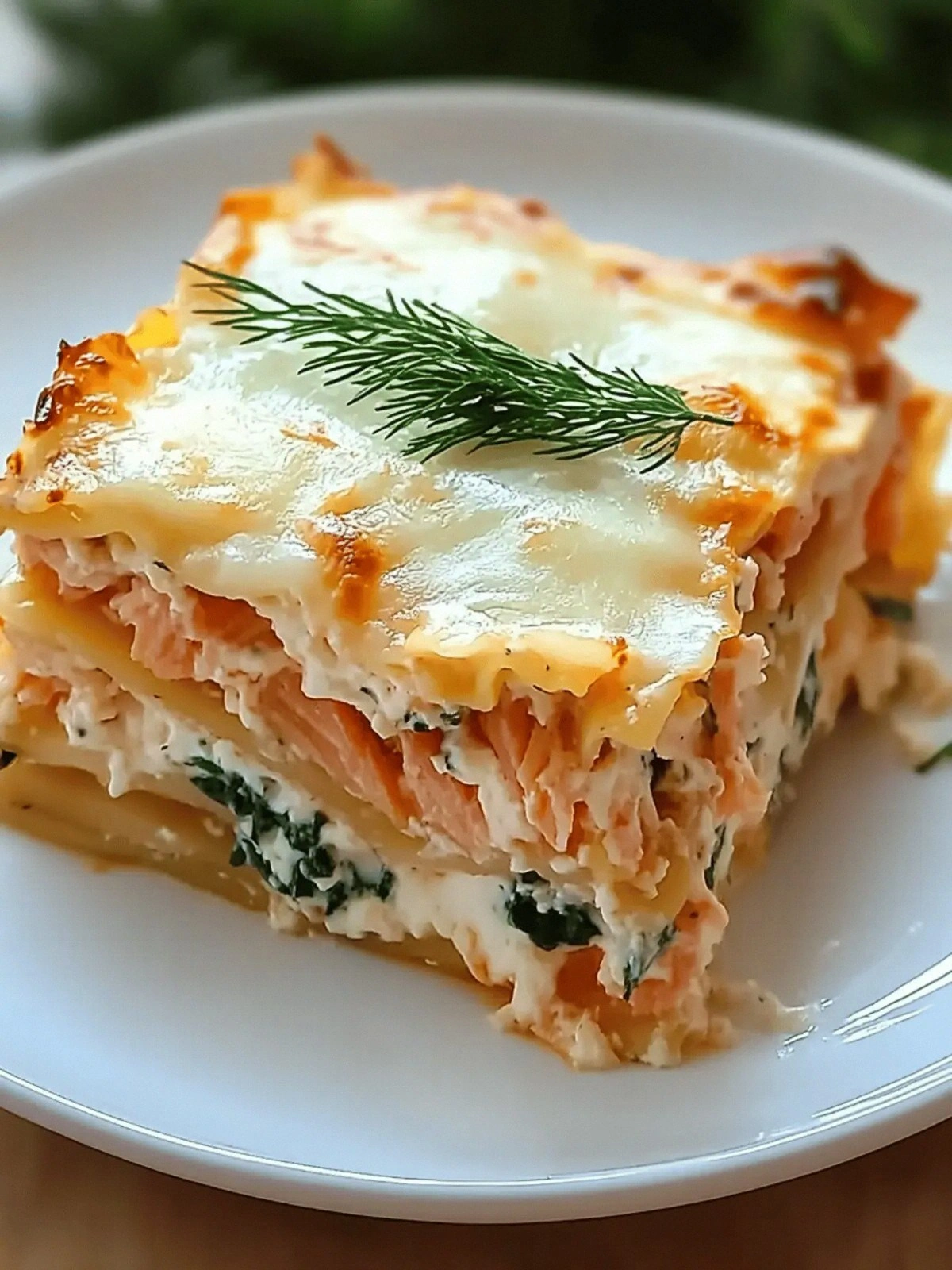
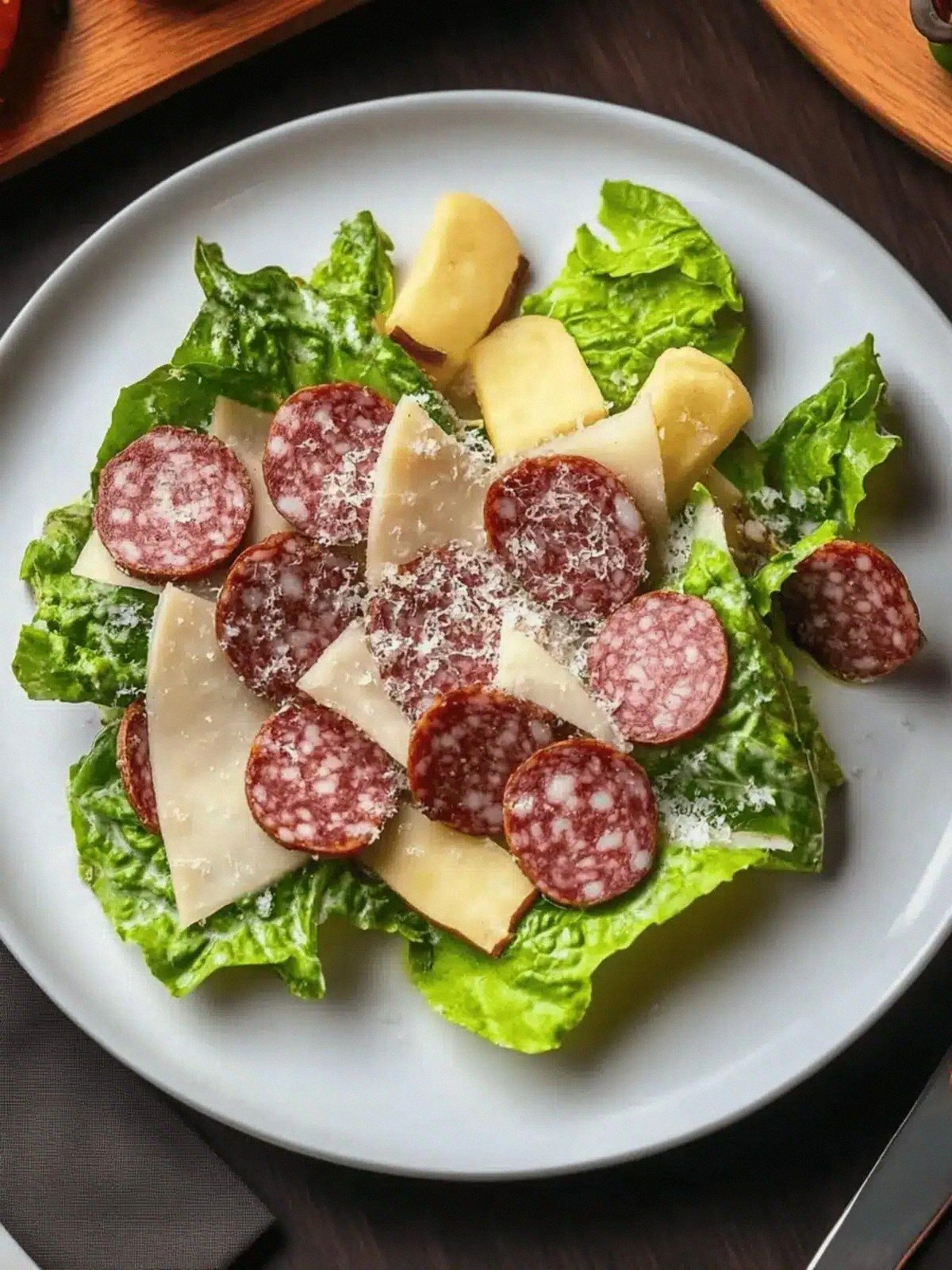
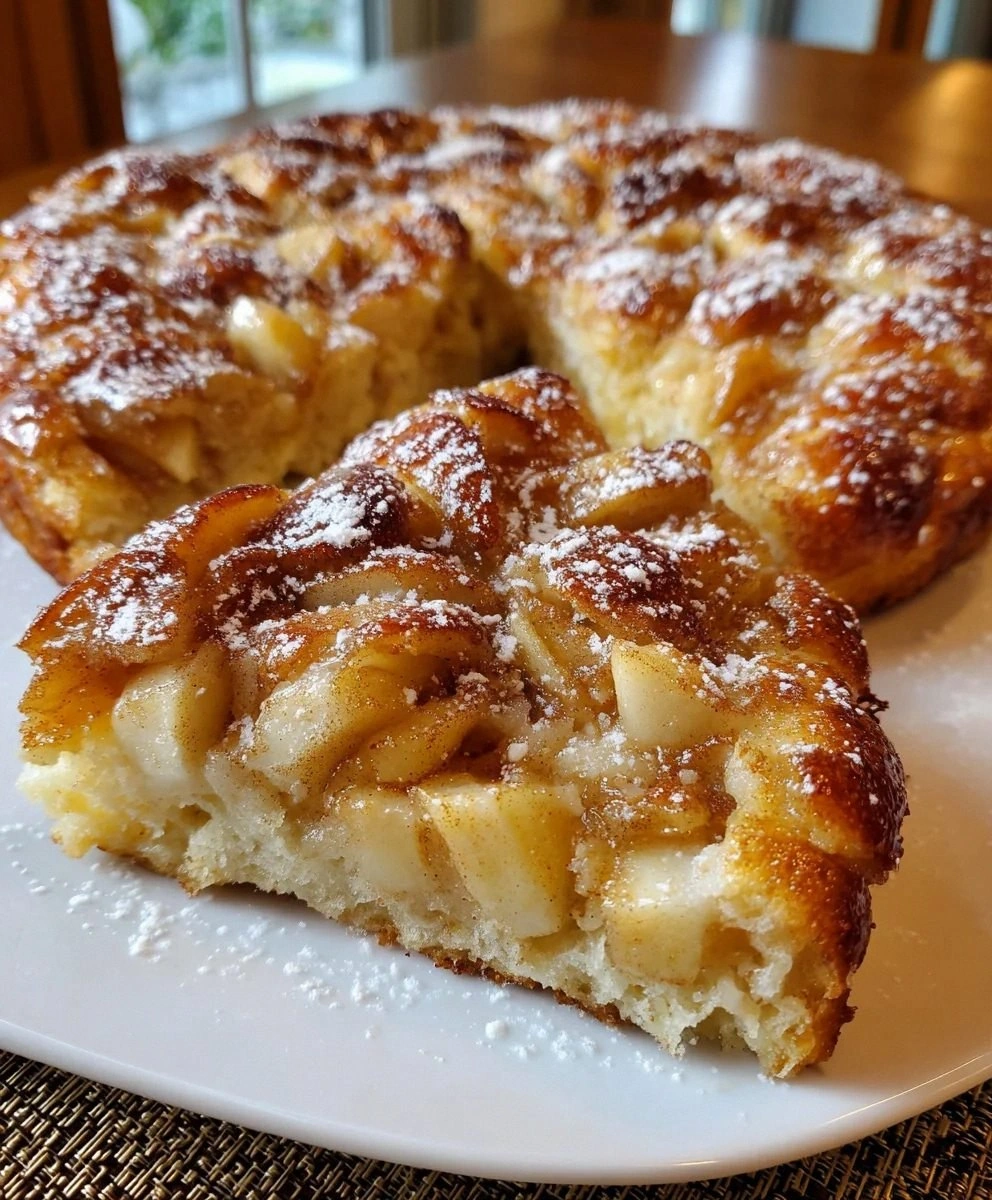
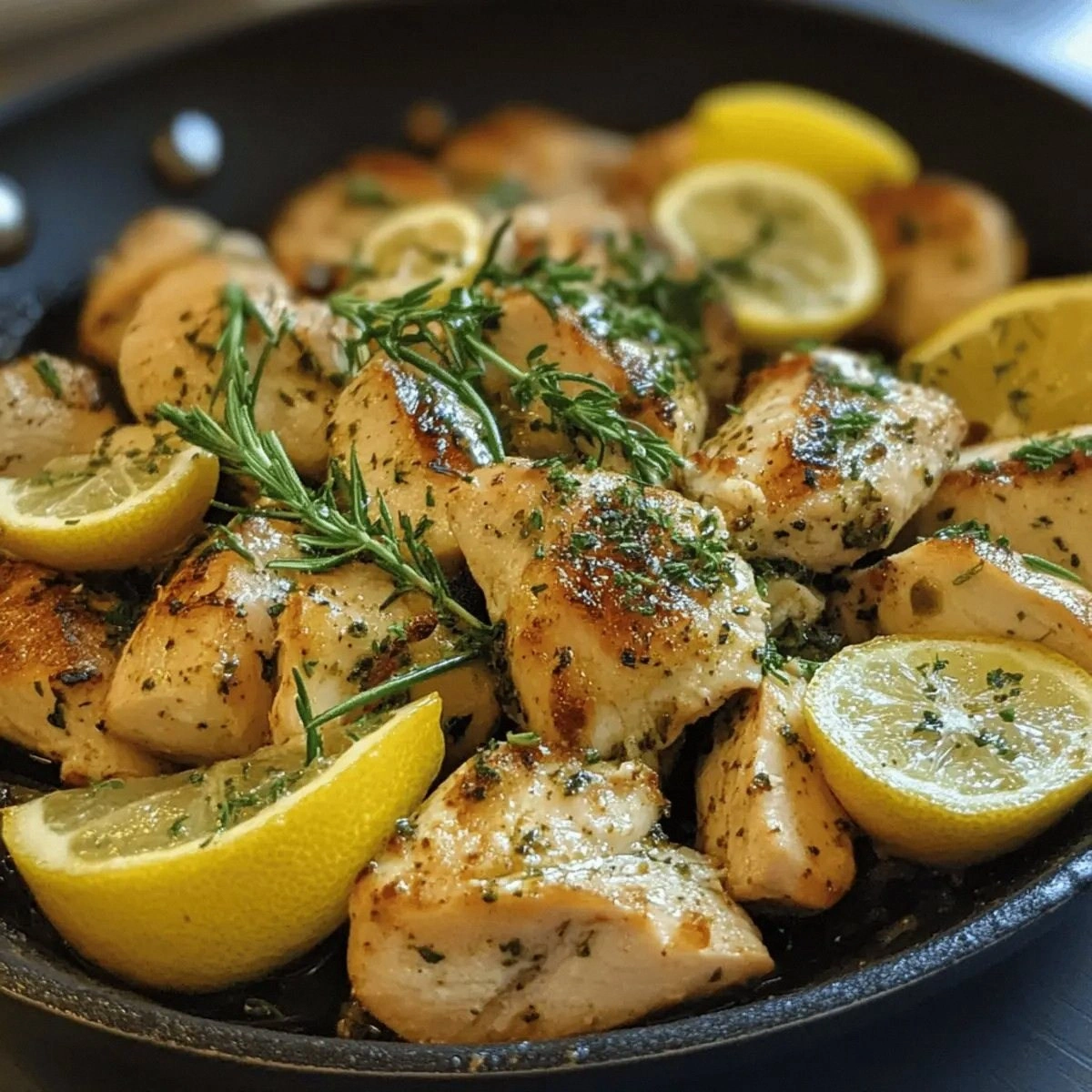
Picture yourself pulling this out of the oven, the whole kitchen smelling incredible, the steam curling like a fragrant cloud. You’ll be the hero of the dinner table, and your guests will be asking for the recipe. But before you jump to the stove, let me walk you through every single step—by the end, you’ll wonder how you ever made it any other way.
What Makes This Version Stand Out
Flavor: The combination of lemon, dill, and garlic creates a bright, aromatic profile that cuts through the richness of the salmon. Each element balances the other, giving the dish depth without overwhelming the palate.
Texture: The rice absorbs the broth and garlic, turning silky and tender, while the salmon remains moist and flaky. The peas add a subtle snap that contrasts with the softness.
Convenience: One pot, one pan—no extra dishes to wash. The method is streamlined, making it ideal for busy nights or when you want to spend less time in the kitchen.
Ingredient Quality: Using high‑quality salmon, fresh garlic, and a good broth elevates the dish. The subtle flavors of the broth become the backbone of the meal.
Make‑ahead Potential: The dish can be prepared ahead of time and reheated without losing its texture, making it great for meal prep or entertaining.
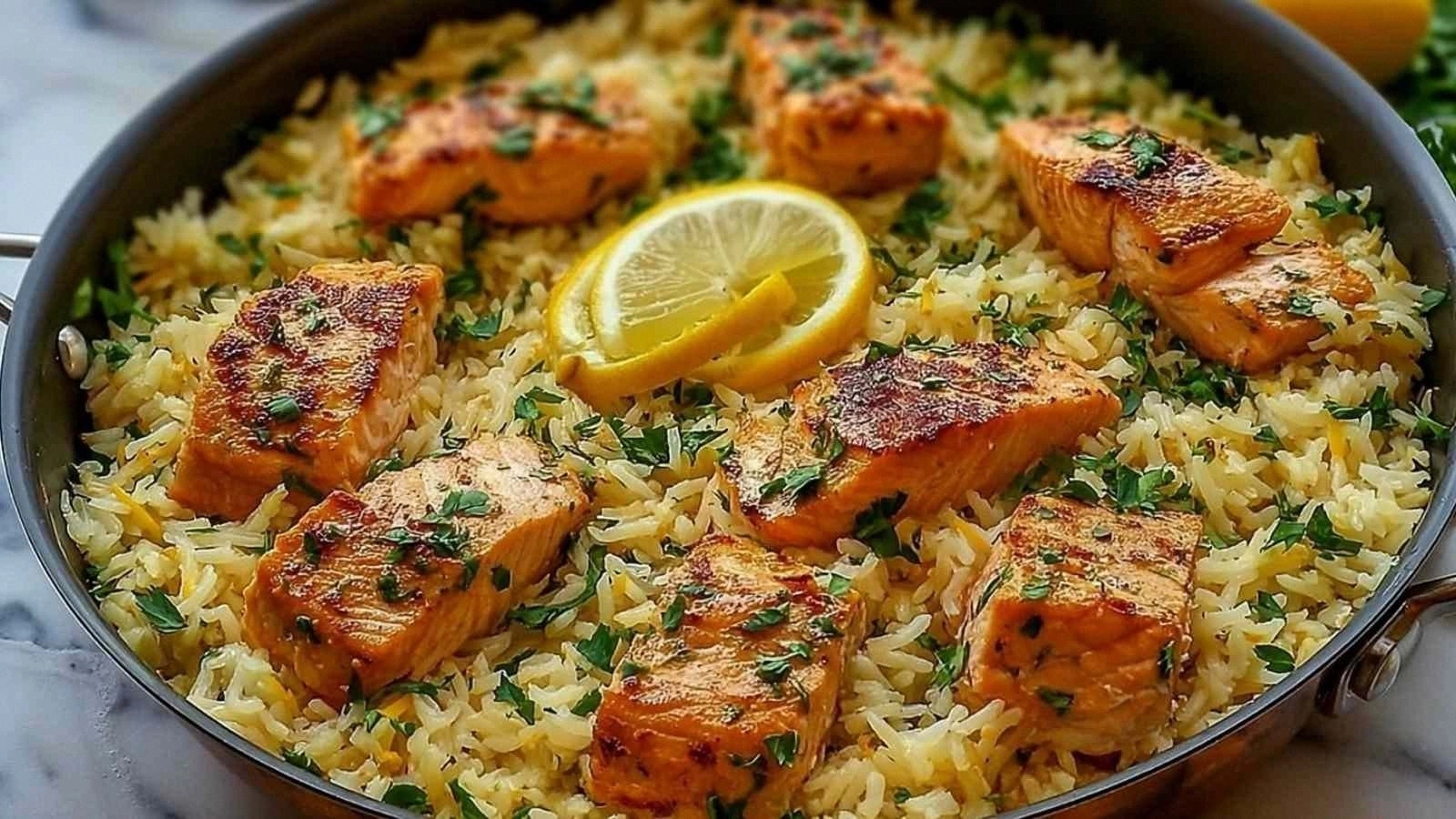
Visual Appeal: The vibrant green peas and the golden crust of the salmon create a colorful plate that looks as good as it tastes.
Health Profile: Lean protein from salmon, complex carbs from rice, and micronutrients from peas and dill make for a balanced, wholesome meal.
Inside the Ingredient List
The Flavor Base
Garlic is the cornerstone of this dish. It provides a warm, aromatic foundation that permeates the rice and salmon. The lemon, sliced thin, adds a citrusy brightness that lifts the entire flavor profile. A pinch of salt and pepper is essential, but keep it subtle so the other ingredients shine.
The Texture Crew
Long‑grain white rice offers a fluffy, separate bite that contrasts nicely with the tender salmon. The peas bring a sweet crunch that breaks up the dish and adds a pop of color. The salmon fillets should be about 1‑inch thick; this thickness ensures they cook evenly and stay moist.
The Unexpected Star
Olive oil is more than a cooking fat—it adds a subtle fruity note and helps the garlic sauté without sticking. Using a high‑quality extra‑virgin olive oil will give the dish a richer taste. If you’re watching calories, a light spray works too, but you’ll miss that silky coating.
The Final Flourish
Fresh dill or parsley is the finishing touch that adds herbal freshness and a splash of green. It brightens the plate visually and provides a subtle earthiness that balances the citrus. If you’re not a fan of dill, a sprinkle of chives works as a mild alternative.
Everything’s prepped? Good. Let’s get into the real action.
The Method — Step by Step
Ready for the game‑changer? This method is where the magic happens, and every step is designed to keep things simple yet flavorful. I’ll walk you through each move so you can feel confident and avoid the common pitfalls that often ruin a dish.
- Heat a large, deep skillet or Dutch oven over medium heat and drizzle the olive oil until shimmering. The pan should feel warm, not hot, to prevent the garlic from burning. This step sets the stage for a golden, fragrant base.
- Add the minced garlic, sautéing for 30 seconds until fragrant and just beginning to turn golden. Keep an eye on it; garlic can go from golden to burnt in seconds. The aroma should feel like a warm hug.
- Sprinkle in the rice, stirring to coat each grain with oil and garlic, letting it toast for a minute for nutty aroma. This toasting step adds a depth of flavor that’s often missing in quick recipes. The rice should start to look translucent.
- Pour in the broth, bring to a gentle boil, then reduce to low, cover, and let the rice simmer for 10 minutes. The broth should be low‑sodium to keep the dish from becoming too salty. The rice should absorb the liquid gradually.
- Nestle the salmon fillets on top of the rice, skin side down, and return to the simmer, covering tightly. The salmon should be placed gently to avoid breaking the fillets. Cover to trap the steam for even cooking.
- After 8 minutes, add the frozen peas around the fillets, then cover again and cook for another 5 minutes until the salmon flakes easily and the rice is tender. The peas will thaw and release a sweet aroma that complements the fish.
- Squeeze the lemon halves over the dish, break into wedges, and sprinkle chopped dill or parsley over the top for a fresh burst. The lemon should be squeezed just enough to release juice without making the dish watery.
- Remove from heat, fluff the rice gently with a fork, and serve immediately with a side of crisp salad or steamed veggies. The rice should be airy, the salmon flaky, and the peas bright. Plate it beautifully for maximum appeal.
That’s it—you did it. But hold on, I’ve got a few more tricks that’ll take this to another level.
Insider Tricks for Flawless Results
The Temperature Rule Nobody Follows
Many cooks start the rice at high heat, but the secret is to keep the simmer gentle. A rolling boil can cause the rice to become mushy. By maintaining a low simmer, the rice cooks evenly and stays fluffy.
Why Your Nose Knows Best
Before you lift the lid for the final simmer, listen for a faint hiss. This indicates the liquid has been absorbed, and the fish is ready. Trusting your senses can save you from over‑cooking.
The 5‑Minute Rest That Changes Everything
After removing the dish from heat, let it rest covered for 5 minutes. This allows the steam to finish cooking the salmon and the rice to settle, resulting in a cohesive flavor profile.
Pea Power
If you prefer fresh peas, toss them in during the last 2 minutes of cooking. Fresh peas retain a brighter color and a slightly sweeter flavor, making the dish feel more upscale.
Salmon Slicing Secret
Slice the salmon into bite‑sized pieces before cooking. This ensures even cooking and makes it easier for diners to pick up the fish with a fork.
Creative Twists and Variations
Asian Fusion
Swap the lemon for lime and add a splash of soy sauce, a pinch of ginger, and a drizzle of sesame oil. This gives the dish an umami kick that feels like a sushi bowl.
Mexican Flair
Replace the dill with fresh cilantro, sprinkle cumin and smoked paprika over the rice, and finish with a squeeze of fresh lime. Add a handful of corn kernels for extra crunch.
Greek Twist
Use a Greek yogurt drizzle instead of lemon, add chopped olives, and sprinkle feta cheese on top. The tangy yogurt balances the richness of the salmon.
Indian Inspired
Infuse the broth with garam masala, turmeric, and a bay leaf. Top with chopped mint and a dollop of raita for a refreshing contrast.
Vegan Version
Omit the salmon and add tofu cubes seasoned with turmeric and soy sauce. The tofu will absorb the broth and provide a protein boost while keeping the dish plant‑based.
Breakfast Boost
Serve the dish over scrambled eggs and a sprinkle of chives for a protein‑packed breakfast that feels like brunch.
Storing and Bringing It Back to Life
Fridge Storage
Cool the dish to room temperature, then transfer to an airtight container. Store in the fridge for up to 3 days; the flavors will meld, making it even tastier.
Freezer Friendly
Pack in a freezer‑safe container and freeze for up to 2 months. Thaw overnight in the fridge before reheating to preserve texture.
Best Reheating Method
Reheat on the stovetop with a splash of water or broth, stirring occasionally. The added liquid keeps the rice from drying out and restores the salmon’s moisture.