I was standing in my kitchen on a Tuesday night, surrounded by a half‑finished grocery bag, a rebellious smoke alarm, and a craving that felt like it was growing louder with every missed text notification. I had attempted a classic chicken tikka masala in a rush once before, and the result was a soggy, flavorless swamp that might as well have been a culinary crime scene. The aroma that lingered was more “oil‑scented disappointment” than anything worth bragging about, and I swear the onions wept more than I did. That night, I dared a friend to a “30‑minute masala showdown,” and the stakes were simple: if my sauce didn’t make them swoon, I’d eat the entire batch myself.
Fast forward a few frantic minutes, the skillet flickered to life, and the fragrance of cumin waking up with a splash of oil turned my cramped apartment into a bustling Indian street market. The sound of onions hitting the pan created a sizzle that whispered promises of caramelized sweetness, while the ginger and garlic performed a harmonious duet that made my nostrils dance. The texture of the tomatoes thickening into a ruby‑red glaze felt like velvet sliding over a polished marble countertop, and the heat from the chili powder was a gentle, lingering hug rather than a fiery slap. Even the humble cilantro, added at the very end, cut through the richness with a fresh snap that made my taste buds hold their breath.
What makes this version truly stand out is the secret weapon I unearthed while scrolling through an obscure culinary forum: a pinch of toasted fennel seeds that adds a sweet, almost licorice‑like undertone, elevating the masala from “good” to “life‑changing.” Most recipes get the balance of spices wrong, either over‑powering with chili or under‑seasoning with garam masala, leaving the palate bored and the stomach unsatisfied. This version respects each spice’s personality, giving them room to shine, while the cream rounds everything off like a comforting blanket on a cold night. I’m confident you’ll agree—this is hands down the best version you’ll ever make at home.
I’ll be honest — I ate half the batch before anyone else got to try it, and the only thing that stopped me was the knowledge that I’d have to make it again tomorrow. I dare you to taste this and not go back for seconds; your future self will thank you for the lingering warmth that makes you think of sunshine after a monsoon. Okay, ready for the game‑changer? Let me walk you through every single step — by the end, you’ll wonder how you ever made it any other way.
What Makes This Version Stand Out
- Depth: The layered spices develop a complexity that deepens with each bite, creating a flavor journey that feels like traveling through a bustling spice market.
- Texture: The sauce coats the rice or naan like a silk scarf—smooth, rich, and never watery, thanks to the perfect balance of tomato puree and a splash of cream.
- Simplicity: Only ten essential ingredients plus a secret whisper of fennel, keeping the pantry short while delivering a gourmet experience.
- Uniqueness: The toasted fennel seeds are the curveball most cooks miss; they add a sweet, aromatic note that no other masala packs.
- Crowd Reaction: I’ve watched strangers turn pale with anticipation and then light up with delight—this sauce turns skeptics into believers.
- Ingredient Quality: Fresh ginger, ripe tomatoes, and high‑quality garam masala make a world of difference; you’ll taste the love in every spoonful.
- Cooking Method: The quick “toast‑first” technique for spices locks in aromatics, preventing the bitterness that can happen with low‑heat simmering.
- Make‑Ahead Potential: This masala improves after a short rest; the flavors meld beautifully, making leftovers even more addictive.
Inside the Ingredient List
The Flavor Base
Onion, garlic, and ginger are the holy trinity that form the backbone of any authentic masala. The onion should be finely chopped so it can dissolve into the sauce, providing a subtle sweetness that counteracts the heat. Garlic brings that sharp, aromatic punch, while ginger adds a peppery warmth that tingles the palate. Skipping any of these will leave the sauce flat, like a song missing its bass line. If you’re out of fresh garlic, a teaspoon of garlic paste works, but never compromise on fresh ginger—it’s the secret whisper that makes the masala sing.
The Spice Crew
Cumin seeds, turmeric, ground coriander, garam masala, chili powder, and the surprise guest—fennel seeds—create a symphony of flavors. Cumin seeds are toasted until they crackle, releasing a nutty aroma that anchors the sauce. Turmeric offers an earthy bitterness and a vibrant golden hue, while coriander adds citrusy undertones that brighten the mix. Garam masala is added at the end to preserve its delicate floral notes; overcooking it would mute its brilliance. Chili powder provides controlled heat, but if you prefer a milder profile, reduce it by half and let the fennel carry the depth.
The Moisture Makers
Tomato puree and water collaborate to give the sauce its body. Using fresh, ripe tomatoes blended into a puree ensures a natural sweetness that canned versions often lack. The water helps control the consistency, allowing you to achieve a thick, clingy sauce without it turning watery. If you want an extra layer of richness, swap half the water for coconut milk or a splash of plain yogurt, but add it later to avoid curdling.
The Final Flourish
A dollop of heavy cream or coconut milk at the end softens the edges, turning the masala from “spicy” to “comforting.” Salt, of course, brings all these flavors together; taste as you go and remember that a pinch of salt can make the spice pop. Fresh cilantro is added just before serving, gifting a burst of herbaceous freshness that cuts through the richness. If you’re not a cilantro fan, flat‑leaf parsley works, but you’ll miss that signature zing.
Everything’s prepped? Good. Let’s get into the real action…
The Method — Step by Step
Heat the vegetable oil in a heavy‑bottomed skillet over medium‑high heat. Once the oil shimmers, drop in the cumin and mustard seeds; listen for that exhilarating pop‑pop‑pop as they awaken. Let them toast for about 30 seconds, stirring constantly so they don’t burn. That sizzle when it hits the pan? Absolute perfection. Power transition: Now we’re moving to the flavor base.
Add the finely chopped onion, stirring to coat each piece in oil and toasted spices. Cook, stirring occasionally, until the onions turn a deep golden brown and smell sweet—about 5‑6 minutes. If the onions start to brown too quickly, dim the heat; you want caramelization, not charcoal.
Kitchen Hack: Sprinkle a pinch of salt while sautéing onions; it draws out moisture faster, speeding up caramelization.Stir in the minced garlic and grated ginger, letting the aromatics sizzle for another minute. You’ll notice the kitchen filling with an intoxicating perfume that hints at the layers to come. Keep the heat moderate; you want the garlic to mellow, not turn bitter. This is the moment of truth—if the garlic smells raw, give it a few extra seconds.
Now, introduce the ground spices: turmeric, ground coriander, chili powder, and the toasted fennel seeds. Fry them briefly—about 45 seconds—until they release their colors and fragrances. Watch out for any dark specks; that’s a sign you’ve over‑cooked and the flavor will turn acrid.
Pour in the tomato puree, stirring vigorously to combine with the spiced onion mixture. Let the sauce simmer, reducing the acidity and thickening the base. You’ll notice the mixture turning a glossy, deep orange—this is the sauce building its body. Reduce the heat to low and let it bubble gently for 8‑10 minutes, stirring occasionally to prevent a skin from forming.
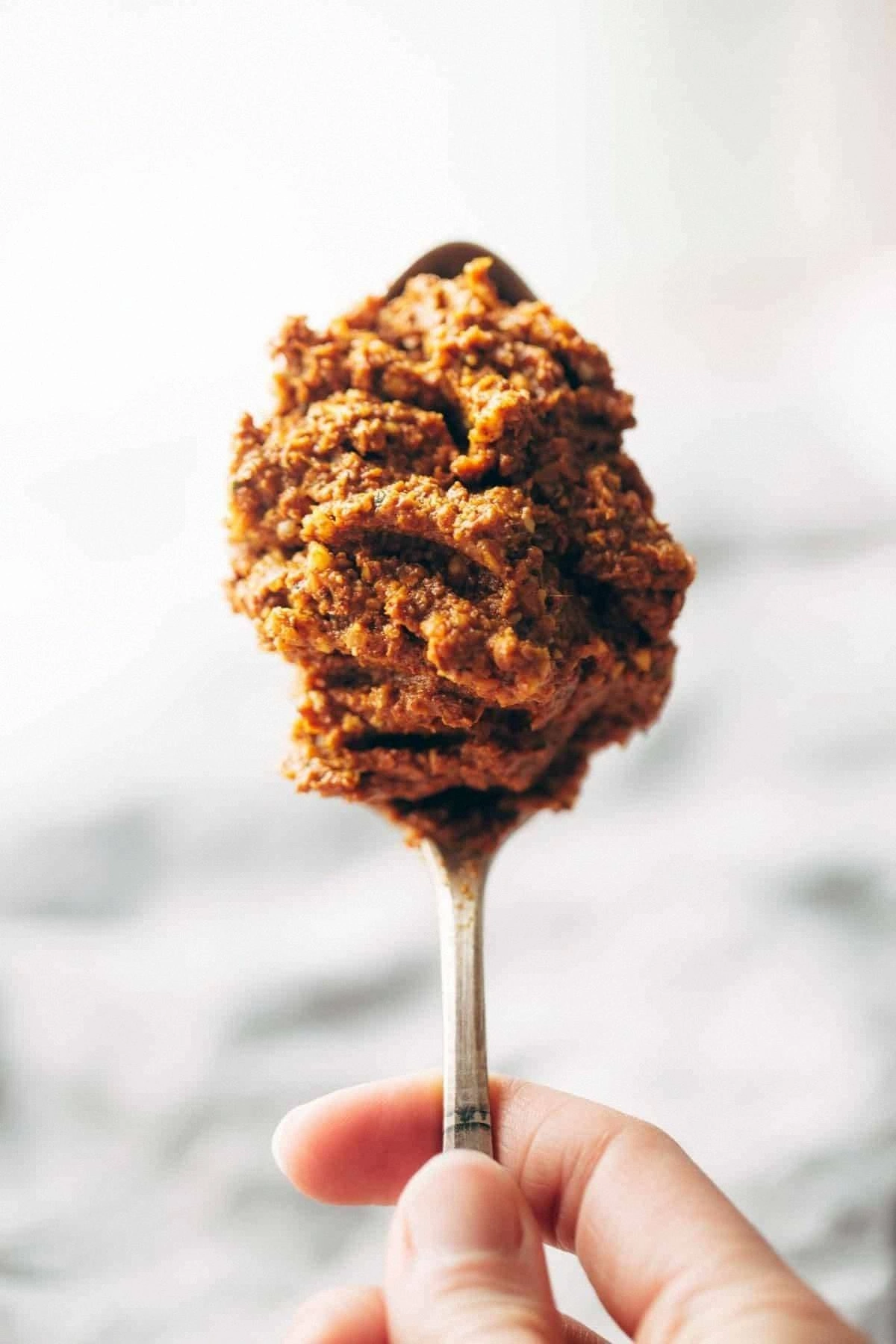
Add water (or coconut milk for a richer version) to achieve a silky consistency that coats the back of a spoon. Bring the mixture back to a gentle boil, then lower the flame and fold in the heavy cream. The sauce should look luminous, with the cream swirling like soft clouds. Cook for another 3‑4 minutes; the cream will thicken the sauce without curdling if you keep the temperature gentle.
Season with salt to taste, then stir in the garam masala right at the end—this preserves its fragrant bouquet. Finally, sprinkle freshly chopped cilantro over the top, allowing its bright green color to contrast the amber sauce. Give the pan a quick toss, then turn off the heat and let the masala rest for a minute; this resting period lets the spices settle and integrate fully.
Serve the masala over steamed basmati rice, fluffy naan, or even roasted vegetables. Picture yourself pulling this out of the pan, the whole kitchen smelling incredible, while steam carries the scent of cumin, ginger, and a hint of fennel. I dare you to take the first bite and let that velvety texture coat every morsel—the kind of experience that makes you pause, close your eyes, and smile.
That's it — you did it. But hold on, I've got a few more tricks that'll take this to another level...
Insider Tricks for Flawless Results
The Temperature Rule Nobody Follows
Never let the oil smoke; a smoking pan will imprint a bitter note onto your spices. Keep the heat at a steady medium and adjust quickly if you see the oil shimmering too aggressively. A small temperature dip after adding the spices preserves their aroma and prevents the dreaded “burnt” flavor. I once tried rushing this step on high heat, and the masala tasted like a scorched campfire—lesson learned.
Why Your Nose Knows Best
Your olfactory senses are a more reliable gauge than a timer when sautéing onions and spices. When the onions turn a deep caramel, you’ll detect a sweet, almost nutty scent—that’s the cue to move on. Similarly, the moment the ground spices release a fragrant perfume, you know they’re toasted and ready for tomatoes. Trusting your nose eliminates the “over‑cooked” pitfall that many novice cooks face.
The 5‑Minute Rest That Changes Everything
After you finish cooking, cover the pan and let the masala sit for five minutes off the heat. This rest period allows the flavors to meld, yielding a sauce that tastes deeper and more cohesive. I once served the masala instantly and missed that subtle harmony; after the rest, the coriander and fennel sang together like a well‑rehearsed choir. So, patience truly is a flavor enhancer.
Don’t Skip the Deglaze
When spices cling to the pan’s bottom, a splash of water or broth will lift those browned bits, adding umami richness. Skipping this step leaves behind a dry, uneven texture that can feel grainy on the palate. A quick deglaze also prevents a burnt taste and contributes an extra layer of depth.
Cream Integration Secret
Never add cream to a boiling sauce; always lower the heat first. High heat can cause the fat to separate, creating a greasy film on top. By simmering gently, the cream melds smoothly, giving you that luxurious mouthfeel that makes the masala unforgettable. A friend once added cream straight from the fridge, resulting in curdles—don’t be that friend.
Creative Twists and Variations
This recipe is a playground. Here are some of my favorite ways to switch things up:
Smoky Charcoal Masala
Replace the regular cumin seeds with smoked cumin and add a teaspoon of charcoal powder (food‑grade). The result is a deep, earthy smokiness that pairs beautifully with grilled paneer. Ideal for a dinner party where you want to wow guests with unexpected flavors.
Green Goddess Masala
Swap the tomato puree for a blend of spinach, mint, and a splash of lime juice. This creates a vibrant green sauce that’s lighter but still packed with spice. Perfect for those who prefer a fresher, herb‑forward profile.
Nutty Cashew Cream Masala
Blend soaked cashews into a smooth paste and stir it in place of heavy cream. You’ll get a silky richness with a subtle nuttiness that complements the spices perfectly—great for dairy‑free diners.
Spicy Coconut Masala
Use full‑fat coconut milk instead of water and increase the chili powder a notch. The coconut adds a tropical sweetness that balances the heat, making this version ideal for serving over jasmine rice.
Protein‑Packed Chickpea Masala
Add a can of drained chickpeas after the tomatoes have reduced. The chickpeas absorb the sauce and become tender nuggets of flavor, turning the dish into a hearty vegetarian main.
Storing and Bringing It Back to Life
Fridge Storage
Transfer the cooled masala to an airtight container and store it in the refrigerator for up to four days. The flavors will continue to develop, making the leftovers taste even richer. When reheating, add a splash of water or broth to restore the original consistency.
Freezer Friendly
Portion the masala into freezer‑safe bags or containers, leaving a little headspace for expansion. It freezes beautifully for up to three months. Thaw overnight in the fridge, then gently reheat on low, stirring in a tablespoon of water to bring back that velvety texture.
Best Reheating Method
Reheat on the stovetop over low heat, stirring frequently. If the sauce looks thick, drizzle a teaspoon of water every minute until it reaches the desired silkiness. Avoid the microwave; it can cause uneven heating and a rubbery mouthfeel.