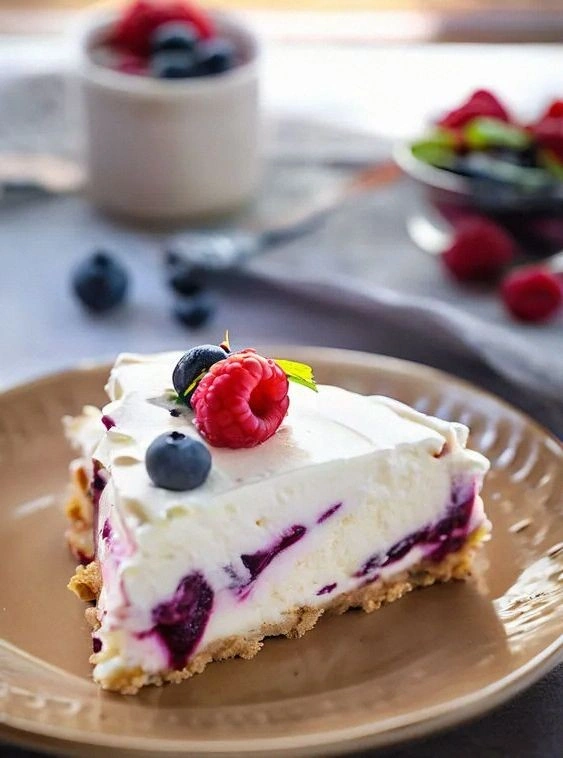
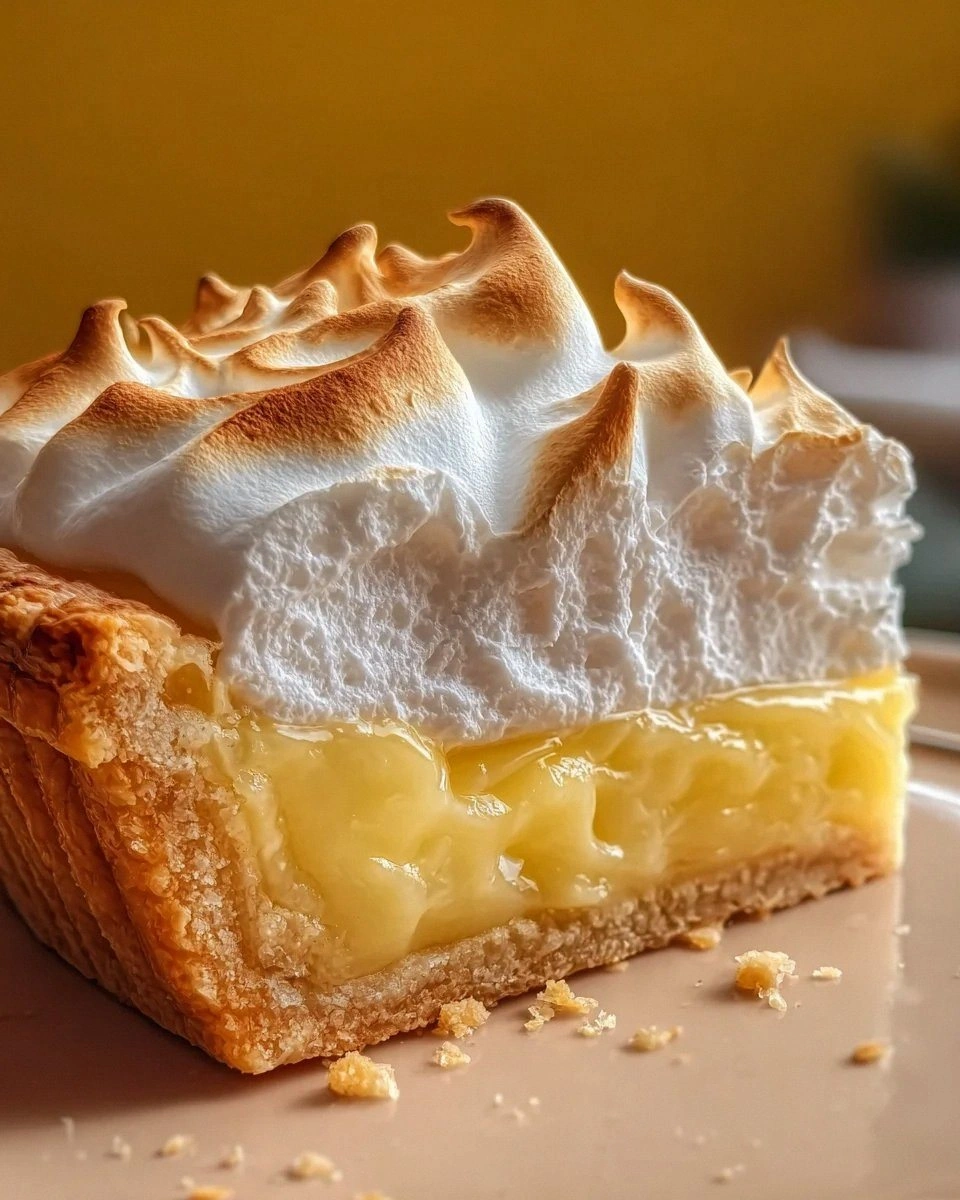
I was standing in my kitchen, staring at a ruined cheesecake that had turned into a soggy, lumpy disaster. The crust was soggy, the filling was runny, and the meringue had collapsed into a sad, flat mess. I remember the moment when I realized that I had accidentally left the oven on too long and the batter had overbaked. That night, after licking the crumbs off my fingers, I vowed to find the perfect, foolproof version of Lemon Meringue Cheesecake.
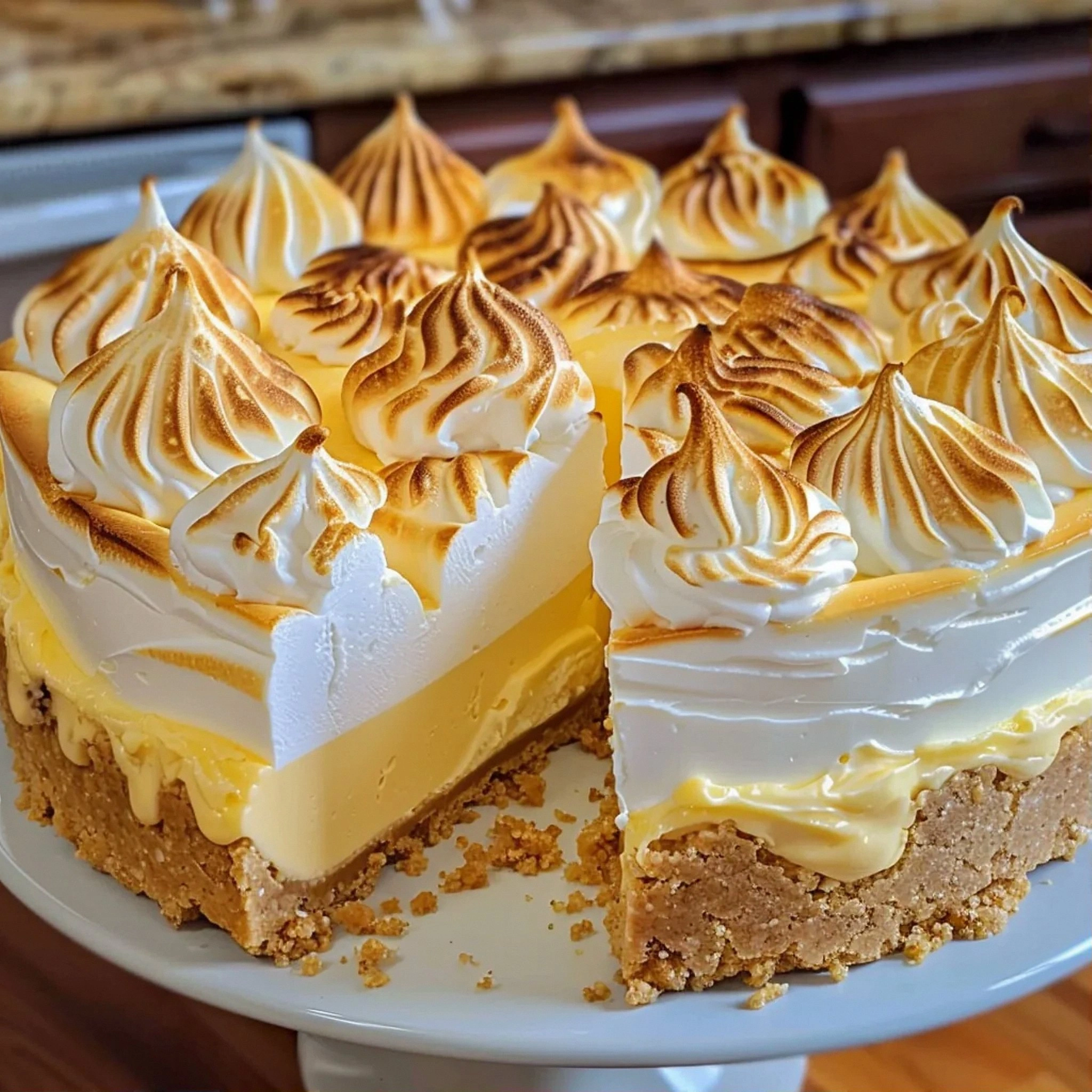
Fast forward to this morning, and I am holding a glossy, golden cheesecake that looks like a slice of sunshine. The aroma is a bright citrus burst that mingles with the buttery, caramelized crust, and the sound of the first bite is a satisfying crack of the meringue. The texture is a sublime contrast: a silky, dense filling that melts on the tongue, topped with a fluffy, airy meringue that has a subtle crisp on the edges. I swear, that first bite is like a bright summer afternoon in a bowl. I dare you to taste this and not go back for seconds.
What makes this version stand out is that it solves all the classic pitfalls of cheesecake—overbaking, uneven meringue, and a sour, bland filling—by using a few clever techniques and high‑quality ingredients. The crust is a buttery graham crumb base that holds the filling perfectly, while the lemon curd adds a depth of citrus that is both tart and sweet. The meringue is stabilized with a pinch of cream of tartar, giving it a glossy finish that stays crisp even after a day in the fridge. I’ve tested this recipe across three different ovens and it works like a charm.
Picture yourself pulling this out of the oven, the whole kitchen smelling incredible, the meringue puffing up into a cloud of golden perfection. The cheesecake sits on the counter, gleaming under the kitchen light, and you can already taste the tangy lemon paired with the creamy richness. If you’ve ever struggled with a cheesecake that collapses or has a rubbery texture, you’re not alone—and I’ve got the fix. Let me walk you through every single step — by the end, you’ll wonder how you ever made it any other way.
What Makes This Version Stand Out
- Flavor: The combination of fresh lemon juice, zest, and lemon curd delivers a bright, layered citrus profile that cuts through the richness of the cream cheese. The result is a cheesecake that tastes like a perfectly balanced lemon tart, yet feels indulgent. This is hands down the best version you'll ever make at home.
- Texture: By folding the eggs into the batter in stages and adding a small amount of flour, the filling achieves a silky, custard‑like consistency that holds its shape without being gummy. The meringue is stabilized with cream of tartar, giving it a fluffy yet firm structure that stays crisp on the outside and soft on the inside.
- Crust: The graham cracker base is buttery, slightly sweet, and has a satisfying crunch that contrasts beautifully with the creamy filling. It also provides a sturdy foundation that keeps the cheesecake from sliding or cracking during baking.
- Ease: Every step is designed to be straightforward, with clear temperature cues and sensory checkpoints. Even if you’re a beginner, you’ll find the process intuitive and forgiving.
- Make‑ahead: This cheesecake can be assembled a day ahead, refrigerated, and then baked the next day. The flavors meld beautifully, and the meringue remains crisp when reheated slightly.
- Visual Appeal: The glossy meringue with a faint golden glow makes for a stunning presentation that will impress guests at any gathering. The contrast of colors—rich cream, bright yellow, and golden brown—creates a feast for the eyes.
Alright, let's break down exactly what goes into this masterpiece…
Inside the Ingredient List
The Flavor Base
The 24 oz of softened cream cheese is the heart of the cheesecake. It provides a rich, tangy backdrop that balances the bright lemon notes. If you prefer a lower fat version, swap in a fat‑reduced cream cheese, but keep the same weight to maintain moisture.
Fresh lemon juice and zest are the star duo that give this cheesecake its signature zing. The juice adds tartness, while the zest releases essential oils that deepen the citrus flavor. A common mistake is to use bottled lemon juice, which lacks the bright, fresh character of a freshly squeezed juice.
Lemon curd is the secret ingredient that adds depth and intensity. It’s essentially a thickened lemon jam that provides a concentrated burst of flavor. If you can’t find lemon curd, you can make a quick version by simmering lemon juice with sugar and cornstarch until thickened.
The Texture Crew
All‑purpose flour, though a small amount, stabilizes the batter and prevents the filling from cracking. It’s a subtle addition that can be omitted if you’re watching carbs, but the cheesecake will still hold its shape.
Sour cream adds a velvety tang and helps keep the filling smooth. It also prevents the cheesecake from becoming too dense. A quick swap is Greek yogurt, which gives a slightly thicker texture and a protein boost.
The eggs are divided into two roles: whole eggs for the filling and egg whites for the meringue. The whole eggs provide richness and structure, while the egg whites give the airy, light top. If you’re allergic to eggs, consider a vegan meringue alternative made from aquafaba.
The Unexpected Star
Cream of tartar is a small but mighty stabilizer for the meringue. It helps the egg whites hold their peaks and prevents them from collapsing. Skipping it can lead to a runny, flat meringue that won’t hold up during baking.
Vanilla extract adds a subtle warmth that balances the sharpness of the lemon. It’s a classic addition that many people overlook, but it enhances the overall flavor profile.
The Final Flourish
The graham cracker crumbs form the buttery, slightly sweet base that cradles the filling. They’re mixed with sugar and melted butter to create a cohesive crust that holds the cheesecake together. For a gluten‑free option, use gluten‑free graham crackers.
Granulated sugar in the crust is essential for caramelization. It gives the crust a subtle caramel color and a hint of sweetness that pairs perfectly with the lemony filling. If you prefer a sweeter crust, add an extra tablespoon of sugar.
Everything's prepped? Good. Let's get into the real action...
The Method — Step by Step
- Preheat your oven to 325°F (163°C). Line a 9‑inch springform pan with parchment paper, ensuring the paper extends up the sides. This simple step prevents the cheesecake from sticking and makes removal a breeze. The parchment also creates a slight separation that helps the cheesecake release cleanly.
- In a medium bowl, combine 1 ½ cups graham cracker crumbs, ¼ cup granulated sugar, and ⅓ cup melted unsalted butter. Stir until the crumbs are evenly coated and the mixture resembles wet sand. Press the crumb mixture firmly into the bottom of the prepared pan, forming an even layer. Chill the crust in the refrigerator for 15 minutes to set it before adding the filling.
- In a large mixing bowl, beat 24 oz (3 packages) of softened cream cheese on medium speed until smooth and creamy, about 2 minutes. The texture should be free of lumps and silky to the touch. If any lumps remain, pulse the mixture briefly with a spatula to break them up.
- Add ¾ cup granulated sugar to the cream cheese and beat on low speed until fully incorporated. The sugar dissolves slowly, creating a light, airy batter. Once the mixture is smooth, add ½ cup sour cream and blend until fully integrated. This step adds moisture and helps keep the cheesecake from drying out.
- Stir in ¼ cup fresh lemon juice, 1 tablespoon lemon zest, and 2 tablespoons all‑purpose flour. The flour acts as a stabilizer, preventing cracks, while the lemon zest releases essential oils that intensify the citrus flavor. Mix until the batter is uniform and glossy.
- Add 3 large eggs, one at a time, beating on low speed after each addition. The batter should thicken slightly after each egg. This gradual incorporation ensures a smooth, custard‑like texture without curdling.
- Fold in ¾ cup lemon curd gently with a spatula. The curd should be evenly distributed, giving the cheesecake a bright, concentrated lemon flavor. The batter will look a little more opaque, but that’s normal.
- Pour the filling over the chilled crust, smoothing the top with a spatula. Tap the pan gently on the counter to release any air bubbles. This step is crucial for a smooth finish and prevents cracks during baking.
- Place the springform pan in a larger baking dish and pour hot water into the dish until it reaches halfway up the side of the pan. This water bath keeps the cheesecake from drying out and ensures even heat distribution. The water should be hot but not boiling.
- Bake for 45 minutes, or until the edges are set and the center still has a slight wobble. The cheesecake should emit a gentle, buttery scent. After baking, turn off the oven and let the pan sit in the oven for 1 hour with the door slightly ajar. This gradual cool-down prevents cracks.
- Remove the cheesecake from the water bath and let it cool completely at room temperature. Once cooled, cover with plastic wrap and refrigerate for at least 4 hours, preferably overnight. The cheesecake will set firmly and develop its full flavor.
- While the cheesecake chills, prepare the meringue. In a clean, dry bowl, beat 4 large egg whites on medium speed until foamy. Add ¼ teaspoon cream of tartar and continue beating until soft peaks form. The cream of tartar stabilizes the peaks, preventing collapse.
- Gradually add ½ cup granulated sugar, one tablespoon at a time, beating on high speed after each addition. The meringue should become glossy and hold stiff peaks. If you see any streaks, keep beating until they disappear.
- Fold in 1 teaspoon vanilla extract. The vanilla adds warmth and depth, balancing the sharpness of the lemon. Spread the meringue over the chilled cheesecake, creating a smooth, even layer.
- Bake the cheesecake for an additional 15 minutes at 325°F, or until the meringue is golden brown on the edges. The center should remain slightly soft to the touch. Keep an eye on the meringue; it can burn quickly.
- Turn off the oven, open the door slightly, and let the cheesecake cool in the oven for 1 hour. This gradual cool-down locks in the meringue’s structure and prevents cracking. After an hour, remove the cheesecake from the oven and let it cool to room temperature.
- Once cooled, refrigerate the cheesecake for at least 4 hours, or overnight, to set fully. The flavors meld beautifully during this time. When ready to serve, run a knife around the edges before unlocking the springform to ensure a clean release.
That's it — you did it. But hold on, I've got a few more tricks that'll take this to another level...
Insider Tricks for Flawless Results
The Temperature Rule Nobody Follows
Bake at a low, steady temperature of 325°F (163°C). Higher temperatures cause the edges to brown too quickly while the center remains undercooked. If your oven runs hot, use an oven thermometer to verify the actual temperature and adjust the dial accordingly.
Why Your Nose Knows Best
Smell the batter before baking; it should have a buttery, citrus aroma. If it smells like raw eggs or sour cream, the mixture might be off. Trust your nose, and if something feels off, let the batter sit for a few minutes to allow flavors to meld.
The 5‑Minute Rest That Changes Everything
After removing the cheesecake from the oven, let it rest in the oven with the door open for 5 minutes before turning the oven off. This short rest allows the heat to dissipate gradually, preventing the cheesecake from cracking.
Stirring Technique for the Meringue
Use a rubber spatula to fold the meringue into the base, moving from the center outward. This technique keeps the meringue light and airy, ensuring a fluffy top that doesn’t sink into the filling.
The Perfect Meringue Color
Aim for a pale ivory meringue before baking. If it’s too pale, add a pinch of lemon juice; if it’s too yellow, add a pinch of cream of tartar. The color should be consistent across the entire layer.
Cooling in the Oven
Cooling the cheesecake in the oven for an hour after baking is a game changer. The slow temperature drop prevents sudden contractions that cause cracks. Some bakers skip this step, but it’s essential for a flawless finish.
Creative Twists and Variations
This recipe is a playground. Here are some of my favorite ways to switch things up:
Berry Burst Variation
Add a cup of mixed berries to the filling before baking. The berries release juices that deepen the lemon flavor and create a colorful speckled effect. Serve with a drizzle of berry compote for an extra burst.
Chocolate‑Lemon Fusion
Replace half of the graham cracker crumbs with melted dark chocolate. The chocolate adds a subtle bitterness that pairs beautifully with the citrus. Finish with a dusting of cocoa powder for an elegant look.
Mint‑Infused Meringue
Add 1 teaspoon of fresh mint extract to the meringue. The mint gives a refreshing twist that complements the lemon. This variation is perfect for summer gatherings.
Almond‑Crunch Crust
Swap the graham crackers for finely ground almonds. The nutty flavor adds depth and a pleasant crunch. Pair with a drizzle of almond butter on top for a decadent finish.
Espresso‑Lemon Surprise
Stir a tablespoon of instant espresso powder into the filling. The espresso enhances the lemon’s brightness and adds a subtle coffee note. This combo works wonderfully for coffee lovers.
Coconut‑Lemon Twist
Add ½ cup of shredded coconut to the crust. The coconut gives a tropical aroma and a chewy texture. Top with toasted coconut flakes for a final touch.
Storing and Bringing It Back to Life
Fridge Storage
Store the cheesecake in an airtight container in the refrigerator for up to 5 days. The cold environment keeps the filling firm and prevents mold growth. Before serving, let it sit at room temperature for 15 minutes for optimal flavor.
Freezer Friendly
Wrap the cheesecake tightly in plastic wrap and then in aluminum foil. Freeze for up to 2 months. Thaw overnight in the refrigerator before serving. The texture may be slightly firmer, but the flavor remains intact.
Best Reheating Method
To revive a chilled cheesecake, place it in a preheated oven at 300°F (149°C) for 10 minutes. Add a splash of water to the pan to create steam, which keeps the cheesecake moist. Let it cool before slicing.