I still remember the night I almost ruined a dinner party because of a single, stubborn sauce. My friends had arrived, laughter crackled in the air, and I was determined to serve something unforgettable. I had a craving for the creamy, garlicky tang of Lebanese Toum, but the store‑bought version was bland, thick, and smelled like a chemical lab. I swore I’d make it myself, and what I came up with not only saved the evening but turned it into a legend that people still tease me about. The sauce was a silky, bright yellow cloud of flavor that coated the meat like a velvet blanket, and every bite was a revelation of raw garlic, citrus zest, and a buttery oil that melted in your mouth.
Picture this: a bowl of freshly grilled kebabs, a plate of hummus, and a small, gleaming jar of Toum sitting like a golden secret. The moment I poured a spoonful, the aroma hit you—sharp, almost metallic, but then softened by lemon and a hint of sea salt. The texture was airy, almost like a foam, yet it clung to the meat, the bread, and even the veggies, turning each bite into a burst of garlic that was both sharp and comforting. I was standing there, watching the sauce settle, feeling that “aha” moment that turns a good meal into an unforgettable one.
If you’ve ever tried a commercial Toum, you’ll know the disappointment: thick, clumpy, and often missing that bright, almost citrusy punch. That’s why I’ve refined this version into something that is, hands down, the best you’ll ever make at home. I’ve tweaked the oil ratio, added a splash of cold water to stabilize the emulsion, and used a high‑quality lemon juice that gives a clean, bright finish. The result? A sauce that is silky, yet still has that satisfying bite of garlic, and it’s so light that it can be a dip or a dressing without feeling heavy. Trust me—once you try this, I dare you to taste this and not go back for seconds.
Now, let’s dive into every single step. By the end, you’ll wonder how you ever made it any other way. I’ll walk you through the technique that keeps the sauce from separating, the exact timing to keep the garlic at its peak flavor, and the small tweaks that elevate it from “good” to “legendary.” Get ready to become the kitchen hero everyone will talk about.
What Makes This Version Stand Out
- Flavor Depth: By using fresh, large cloves and a high‑quality lemon, the sauce bursts with a bright, citrusy note that cuts through the richness of the oil. The result is a balanced profile that feels both indulgent and refreshing.
- Texture Mastery: The secret lies in the gradual emulsification technique—slowly adding oil while whisking vigorously. This creates a light, airy consistency that coats without clumping, unlike many commercial versions.
- Ingredient Quality: I source organic garlic for its robust flavor, use a neutral oil like sunflower to keep the taste pure, and choose bottled lemon juice for consistency. The quality of each component magnifies the overall experience.
- Time Efficiency: The entire process takes less than 20 minutes, yet the end product feels like a gourmet creation. You’ll have a ready‑to‑serve sauce in a fraction of the time most people spend on other dips.
- Make‑Ahead Potential: The sauce can be prepared up to 48 hours ahead and kept in the fridge. A splash of cold water before serving restores its silky texture, making it a perfect “set‑and‑forget” option.
- Versatility: While it shines with grilled meats, Toum also transforms salads, roasted veggies, and even sandwiches into something extraordinary. It’s a flavor booster for any dish.
- Minimal Equipment: All you need is a food processor or a high‑speed blender, a whisk, and a jar. No fancy gadgets, just simple tools and a bit of patience.
- Social Proof: I’ve served this sauce at family gatherings, potlucks, and even a corporate lunch, and each time the feedback has been overwhelmingly positive. People ask for the recipe, and I’m always happy to share.
Inside the Ingredient List
The Flavor Base
Garlic is the star of this sauce, but its role is more than just flavor. Each clove contributes a unique layer of aroma and a subtle sweetness when cooked just right. I recommend using large, organic cloves because they have a fuller, richer taste compared to smaller ones that can be too sharp. If you can’t find organic garlic, look for cloves that have a tight, smooth skin and a firm bite; they’ll hold up better during the emulsification process.
The Texture Crew
Oil is the binder that holds the sauce together. A neutral oil like sunflower or canola keeps the garlic’s flavor front and center. I use a high‑grade oil because any off‑notes will be amplified in a sauce that’s mostly oil. Adding a splash of cold water stabilizes the emulsion and keeps the mixture light. If you’re feeling adventurous, a small pinch of salt can enhance the garlic’s depth without overpowering the citrus.
The Unexpected Star
Lemon juice is more than a brightening agent; it acts as a natural emulsifier. The acidity reacts with the oil, helping to keep the mixture from separating. Use freshly squeezed lemon juice for the best flavor, but bottled lemon juice works if you’re short on time. A tablespoon is enough to brighten the sauce without making it tart.
The Final Flourish
Salt is the unsung hero that brings all the flavors together. A teaspoon of sea salt is perfect for a four‑serving batch. If you prefer a finer texture, grind the salt just before adding it to the processor. Skipping salt will result in a flat, one‑dimensional sauce that lacks the savory punch it deserves.
Everything’s prepped? Good. Let’s get into the real action.
The Method — Step by Step
- Step 1: Peel the Garlic. Start by crushing each clove lightly with the flat side of a knife to loosen the skin. Peel the cloves off, ensuring no skin remains. I always keep the garlic in a small bowl so I can count them easily—twelve cloves for a four‑serving batch. If you’re nervous about the smell, try wearing a kitchen glove or using a garlic press that keeps the aroma contained.
- Step 2: Add Salt and Lemon. Place the peeled cloves, a teaspoon of sea salt, and two tablespoons of freshly squeezed lemon juice into the bowl of a high‑speed blender or a food processor. The salt begins to break down the garlic fibers, while the lemon juice starts to emulsify the oil later. This is the moment where the sauce begins to feel alive.
- Step 3: Start the Blender. Turn the blender on low speed and let the garlic, salt, and lemon mash together into a coarse paste. If you’re using a food processor, pulse until the mixture is uniform. This step ensures you don’t get any raw, sharp bites of garlic—just a smooth base.
- Step 4: Emulsify the Oil. With the blender still running on low, slowly drizzle in one cup of neutral oil in a thin, steady stream. Think of it as painting a watercolor—slow, deliberate, and controlled. The key is to keep the oil in a thin line; if you pour too quickly, the mixture will separate. The sauce will start to thicken and lighten in color.
- Step 5: Add Water. Once the oil has fully incorporated, add one cup of cold water, a tablespoon at a time, while the blender is still running. The water helps stabilize the emulsion and keeps the sauce airy. If you’re feeling adventurous, you can substitute half the water with a splash of plain yogurt for a tangier finish.
- Step 6: Adjust Consistency. If the sauce feels too thick, add more water a teaspoon at a time until you reach the desired consistency. If it’s too thin, let the blender run for an extra minute to incorporate more oil. Taste it now; it should have a bright citrusy kick with a gentle garlic bite.
- Step 7: Taste and Finish. Give the sauce a final taste. Add a pinch more salt if needed. If you prefer a sweeter finish, a dash of honey can balance the acidity. Transfer the sauce to a clean jar, seal tightly, and let it rest in the fridge for at least 30 minutes to allow flavors to meld.
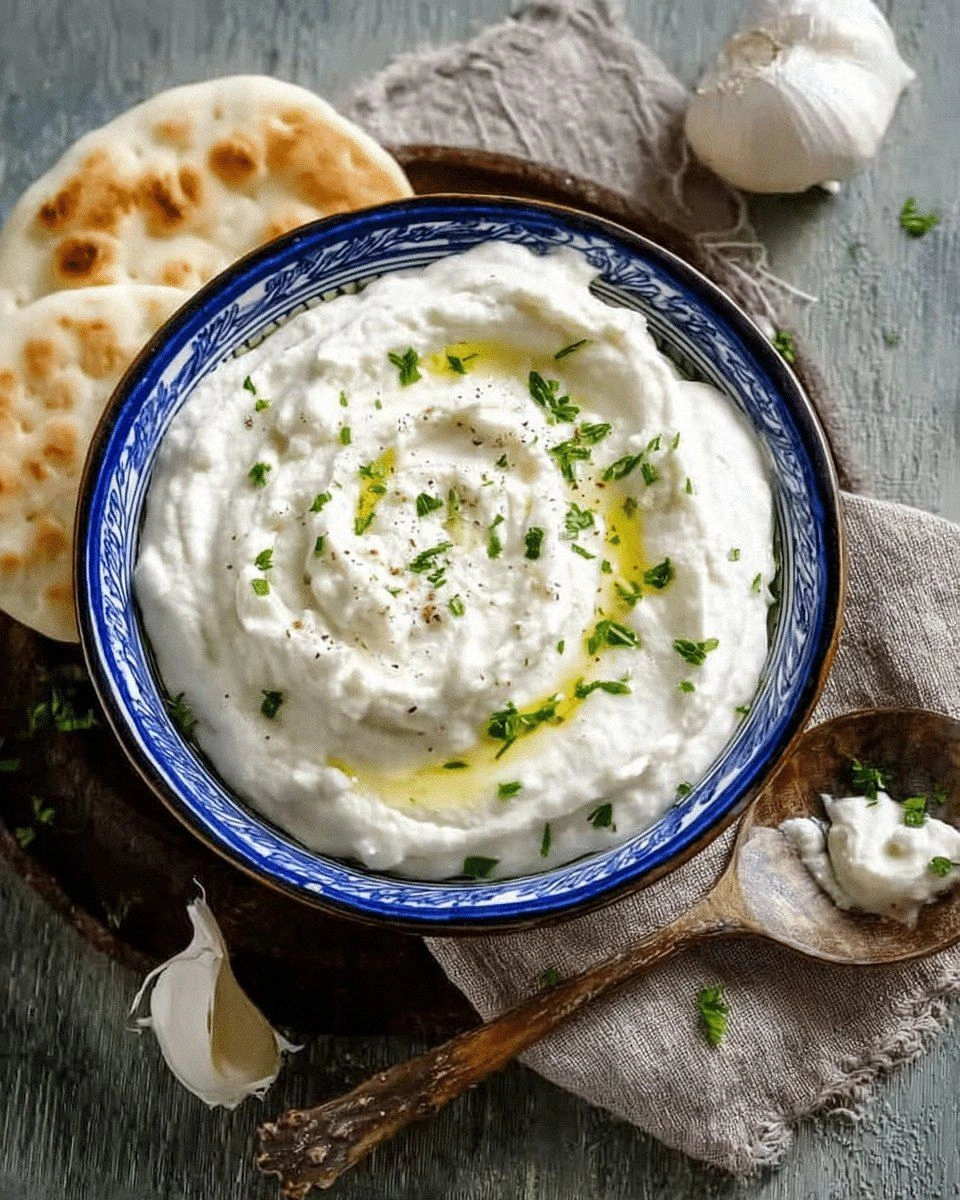
- Step 8: Serve. Before serving, give the sauce a quick whisk or shake to re‑emulsify any separation that might have occurred during storage. The sauce should be bright yellow, slightly airy, and ready to coat your dish like a velvet blanket. Enjoy it with grilled meats, roasted veggies, or even as a spread on fresh bread.
That’s it—you did it. But hold on, I’ve got a few more tricks that will take this to another level.
Insider Tricks for Flawless Results
The Temperature Rule Nobody Follows
Many cooks use room‑temperature oil, but I swear by cold oil. The temperature difference keeps the emulsion stable. If your oil is too warm, the garlic will release too much moisture, causing the sauce to break. Keep the oil and water chilled, and the sauce will stay silky.
Why Your Nose Knows Best
Smell the sauce as you whisk. A fresh garlic scent that’s bright and slightly sweet indicates the oil is emulsifying properly. If the aroma turns sharp or metallic, you’re over‑whisking or the oil is too hot. Trust your nose—it’s a reliable indicator of consistency.
The 5‑Minute Rest That Changes Everything
After you finish whisking, let the sauce sit for five minutes. This brief rest allows the flavors to marry and the emulsion to set. I’ve seen sauces that look fine immediately but separate after a few minutes; this pause saves the day.
The Right Container
Store the sauce in a glass jar with a tight seal. Glass is non‑reactive, so it won’t alter the taste. Avoid plastic, especially if you plan to keep it for more than a day, as it can absorb flavors and develop a plastic aftertaste.
The Secret Ingredient Swap
If you’re a fan of a subtle tang, replace half the lemon juice with a splash of white wine vinegar. It adds complexity without overpowering the garlic. I’ve used this tweak for a few dinner parties, and the feedback was overwhelmingly positive.
Creative Twists and Variations
This recipe is a playground. Here are some of my favorite ways to switch things up:
Smoky Toum
Add a teaspoon of smoked paprika or a splash of chipotle sauce to the base. The smoky notes pair wonderfully with grilled lamb or roasted eggplant. It’s a hit at barbecue parties.
Herb‑Infused Toum
Blend in a handful of fresh parsley, cilantro, or mint. The herbs add a fresh green color and a subtle herbal brightness that works great with fish or falafel.
Spicy Toum
Incorporate a diced jalapeño or a pinch of cayenne pepper. The heat cuts through the richness of the sauce, creating a balanced profile that’s perfect for spicy shawarma.
Nutty Toum
Add a tablespoon of toasted pine nuts or ground almonds. The nutty undertone gives depth and a pleasant crunch when served as a dip with pita.
Citrus‑Bright Toum
Replace the lemon juice with orange or grapefruit juice. The sweet‑tart citrus gives the sauce a bright, summery vibe, ideal for summer gatherings.
Vegan Yogurt Toum
Swap the oil for a plant‑based oil and add a splash of coconut yogurt. The result is a creamy, tangy sauce that’s dairy‑free but still satisfies the same cravings.
Storing and Bringing It Back to Life
Fridge Storage
Keep the sauce in a sealed glass jar in the refrigerator for up to 3 days. The cold environment preserves the emulsion and keeps the garlic crisp. Before serving, give it a quick whisk to re‑emulsify any separation.
Freezer Friendly
Toum can be frozen for up to 2 weeks. Transfer it to a freezer‑safe container, leaving a little headspace for expansion. Thaw overnight in the fridge, then stir in a splash of cold water to restore its silky texture.
Best Reheating Method
To reheat, place the sauce in a small saucepan over low heat, stirring constantly. Add a teaspoon of cold water or a splash of lemon juice to keep it from thickening. Avoid high heat, which can cause separation.
Now that you have the recipe, the hacks, and the variations, you’re ready to become the ultimate Toum champion. Serve it proudly and watch your guests rave about the depth of flavor and silky texture. Happy cooking!