I’ll be honest — I ate half the batch before anyone else got a chance to try it, and that’s because this dish is an absolute flavor bomb that refuses to be ignored. Picture this: a rainy Tuesday evening, the kind where you’re scrolling through endless recipe posts, trying to convince yourself that a simple taco night won’t turn into a culinary disaster. I was desperate for something that could rescue my mood, and then a friend dared me to make Korean‑style beef in an Instant Pot, promising “the best tacos you’ve ever tasted.” That challenge sparked a frantic search, a few misfires (yes, the first batch was soggy and bland), and finally the discovery of a technique that turned the meat into melt‑in‑your‑mouth perfection while the sauce clung to it like caramelized silk. This version stands out because it fuses the bold, umami punch of Korean BBQ with the cozy, handheld joy of tacos, creating a cross‑cultural love affair that will have you shouting, “I dare you to taste this and not go back for seconds.”
The kitchen was alive with the sizzle of sesame oil hitting the hot pot, the aroma of garlic and ginger spiraling up like incense, and the faint hum of the Instant Pot’s pressure building—an orchestra of senses that told me I was on the right track. As the sauce boiled, it turned a deep, glossy amber, releasing a sweet‑heat perfume that made my mouth water before the first bite even arrived. The texture of the beef, once a tough, fibrous slab, transformed into tender ribbons that fell apart with a gentle tug, while the corn tortillas stayed crisp on the edges, offering a satisfying contrast to the silky meat. The garnish—crunchy kimchi, fresh cilantro, and a squeeze of lime—added bright, acidic notes that cut through the richness like a well‑placed guitar solo in a rock ballad. If you’ve ever struggled with bland taco fillings or overcooked beef, you’re not alone, and I’ve got the fix right here, ready to make your dinner the talk of the town.
Now, I’m about to spill the beans (and the beef broth) on every single step, from the moment you open that can of gochujang to the final drizzle of sesame seeds that crowns each taco. This isn’t just another copy‑paste recipe; it’s a meticulously tested, flavor‑engineered masterpiece that will make you wonder how you ever settled for anything less. I’m going to share a secret ingredient that most recipes overlook—a splash of rice vinegar that brightens the sauce and balances the sweet‑spicy profile, turning the dish from good to unforgettable. So grab your Instant Pot, a stack of corn tortillas, and a willingness to get a little messy, because we’re about to embark on a taco adventure that will change the way you think about both Korean food and Mexican street fare. Let me walk you through every single step — by the end, you’ll wonder how you ever made it any other way.
What Makes This Version Stand Out
- Taste: The marriage of gochujang’s fermented heat with a whisper of brown sugar creates a deep, caramelized flavor that lingers on the palate like a lingering kiss.
- Texture: Pressure‑cooked beef becomes buttery‑soft, yet the quick sauté at the end gives it a slight caramel crust that adds a delightful bite.
- Simplicity: The Instant Pot does the heavy lifting; you just prep the ingredients, set the timer, and watch the magic happen.
- Uniqueness: Combining Korean BBQ sauce with the handheld convenience of tacos is a cross‑cultural twist you won’t find on mainstream food blogs.
- Crowd Reaction: Even the most skeptical meat‑eaters admit these tacos are addictive, often leading to spontaneous “second‑round” requests.
- Ingredient Quality: Using a quality gochujang and fresh kimchi elevates the dish from pantry‑level to gourmet‑level in minutes.
- Cooking Method: The pressure‑cook stage infuses the beef with flavor, while the sauté finish adds caramelization that a slow cooker can’t achieve.
- Make‑Ahead Potential: The beef stores beautifully, letting you prep the filling ahead of time and assemble tacos fresh at the last minute.
Alright, let's break down exactly what goes into this masterpiece...
Inside the Ingredient List
The Flavor Base
Soy sauce is the backbone of this sauce, delivering that salty umami depth that makes the beef sing. If you skip it, the dish loses its savory foundation and feels flat, like a song missing its bass line. For a gluten‑free version, swap with tamari; the flavor remains robust, though tamari can be slightly sweeter, so you might cut back on the brown sugar by a teaspoon. When selecting soy sauce, opt for a naturally brewed, low‑sodium variety to keep the sauce from becoming overly salty while still providing that rich, fermented note.
The Texture Crew
Corn tortillas are the vessel that carries this bold filling, offering a crisp edge that shatters like thin ice when you bite into it. If you use flour tortillas, you’ll get a softer bite, which some prefer, but you’ll miss the authentic street‑taco crunch that makes this dish unforgettable. Warm the tortillas on a dry skillet for 30 seconds per side; this prevents them from tearing and creates those golden specks that add visual appeal. For a gluten‑free alternative, look for corn tortillas made with masa harina and no added wheat flour.
The Unexpected Star
Gochujang, the Korean red pepper paste, is the secret weapon that brings heat, sweetness, and that signature fermented tang. Skipping it means you’ll end up with a bland, generic beef taco that screams “just another taco” rather than “wow, I’ve never tasted this before.” If you can’t find gochujang, combine miso paste, chili powder, and a bit of honey as a makeshift substitute, though the depth won’t be quite the same. Look for gochujang that lists rice, fermented soybeans, and red chili flakes as primary ingredients for the most authentic flavor.
The Final Flourish
A splash of rice vinegar at the end of the cooking cycle brightens the sauce, cutting through the richness and preventing the flavor from becoming cloying. Without it, the sauce can feel heavy, like a sweater you can’t take off in summer. If you don’t have rice vinegar, apple cider vinegar works as a decent stand‑in, though it adds a slightly fruitier note. For the garnish, fresh cilantro and a squeeze of lime provide a citrusy lift that balances the deep umami, while toasted sesame seeds add a nutty crunch that ties the whole dish together.
Everything's prepped? Good. Let's get into the real action...
The Method — Step by Step
Start by slicing 1½ pounds of flank steak into thin strips, about a quarter‑inch wide. This size ensures the meat will absorb the sauce quickly and become tender under pressure. Pat the strips dry with paper towels; moisture on the surface can cause the Instant Pot to steam rather than sear, which defeats the caramelization we’re after. Toss the beef with 1 tablespoon of cornstarch; this thin coating helps the sauce cling later, creating that glossy finish you crave. Tip: If you prefer ground beef, brown it first, then proceed with the same sauce mixture.
Press the “Sauté” button on your Instant Pot and let it heat up. Add 2 teaspoons of sesame oil, swirling to coat the bottom—this oil has a nutty aroma that instantly elevates the dish. Once the oil is shimmering, add the beef strips in a single layer; you’ll hear that satisfying sizzle that signals flavor building. Brown the meat for about 2‑3 minutes per side, making sure each piece gets a nice caramel edge; don’t overcrowd the pot, you may need to do this in batches. Watch Out: If the pot starts to emit a burning smell, lower the heat or add a splash of broth to deglaze.
While the meat browns, whisk together the sauce: ¼ cup soy sauce, 2 tablespoons gochujang, 2 tablespoons brown sugar, 1 tablespoon rice vinegar, 1 tablespoon minced garlic, 1 teaspoon grated ginger, and ½ cup beef broth. This mixture should be smooth, glossy, and slightly thick—if it looks too thin, add a teaspoon more gochujang. Once the beef is browned, pour the sauce over the meat, scraping up any caramelized bits with a wooden spoon; those bits are flavor gold. Close the lid, set the valve to “Sealing,” and select “Manual” high pressure for 12 minutes.
When the timer dings, let the pressure release naturally for 10 minutes, then quick‑release any remaining pressure. Open the pot to reveal beef drenched in a thick, sticky glaze that clings to each slice like velvet. If the sauce looks too watery, press “Sauté” again and let it reduce for 3‑4 minutes, stirring constantly—this concentrates the flavors and gives the beef that glossy finish. Taste and adjust with a pinch of salt or an extra drizzle of rice vinegar if you need more brightness. Watch Out: Over‑reducing can make the sauce gummy; keep a close eye and stir.
While the sauce finishes, warm your corn tortillas. Heat a dry skillet over medium‑high heat, place a tortilla for 30 seconds, flip, and repeat; you’ll hear a subtle puff as the air pockets expand. This step is crucial; a cold tortilla will soak up the sauce and become soggy, ruining the texture contrast we’re after. Stack the warmed tortillas in a clean kitchen towel to keep them pliable and warm.
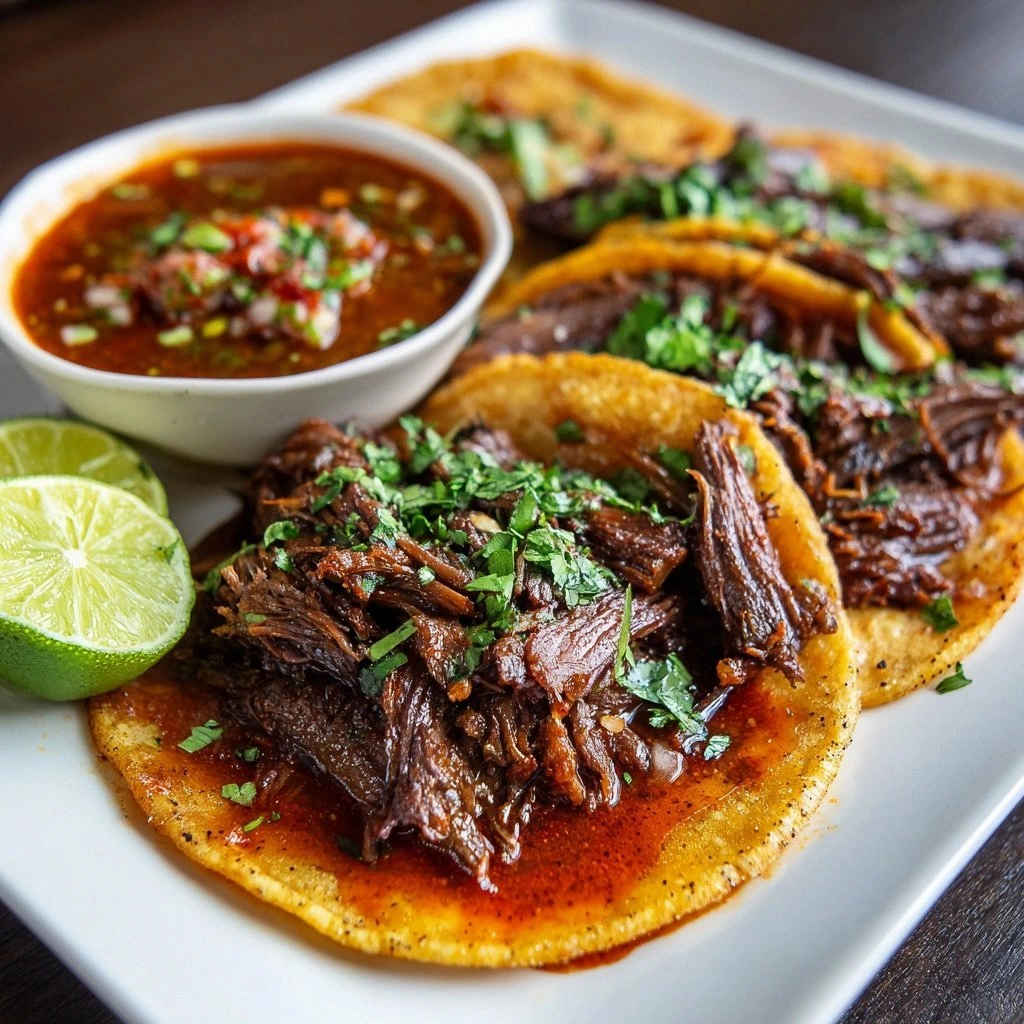
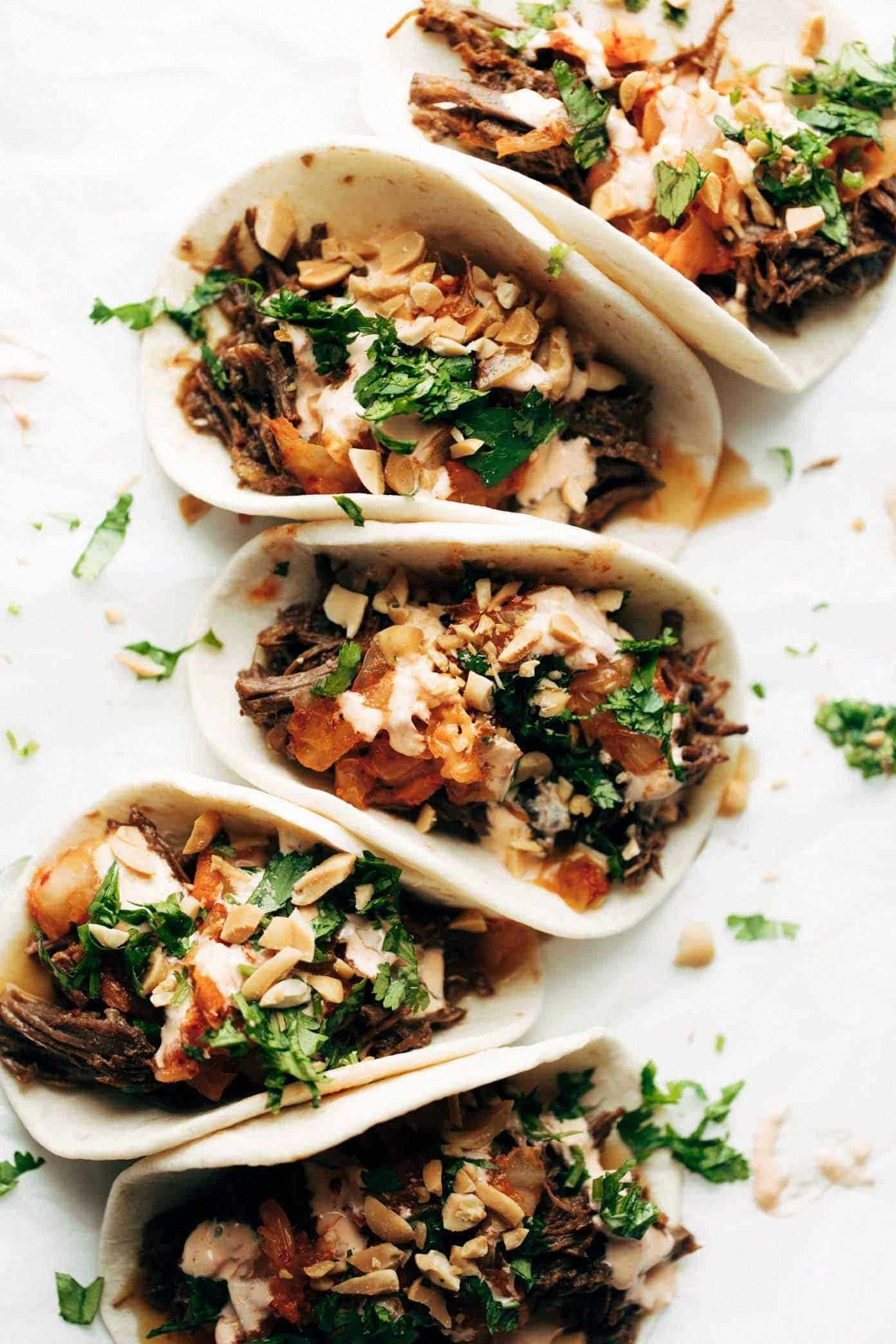
Assemble the tacos: lay a tortilla on a plate, spoon a generous mound of the Korean‑style beef onto the center, then top with a spoonful of kimchi, a scattering of chopped cilantro, and a drizzle of lime juice. Finish with toasted sesame seeds and a dash of sliced green onions for color and crunch. The kimchi adds a tangy, fermented bite that cuts through the richness, while the lime injects a fresh pop that brightens every bite.
Serve immediately, but if you have guests, keep the assembled tacos on a warmed plate or a low oven (around 150°F) to keep the tortillas crisp. This ensures every bite stays hot and the flavors remain at their peak. Pair with a simple cucumber‑radish salad dressed in rice vinegar for a refreshing side that balances the heat.
And now the fun part: grab a taco, take that first bite, and let the flavors explode. The sweet‑spicy sauce, tender beef, crunchy kimchi, and fresh herbs create a symphony that will have you shouting, “This is hands down the best version you’ll ever make at home.” If anyone asks for the recipe, you can smile knowingly and say, “I’ll let you in on a secret—it’s all about the Instant Pot pressure and that splash of rice vinegar.”
That's it — you did it. But hold on, I've got a few more tricks that'll take this to another level. Stay with me here — this is worth it.
Insider Tricks for Flawless Results
The Temperature Rule Nobody Follows
Most home cooks set the Instant Pot to “High” and walk away, assuming the machine will handle everything. In reality, a quick glance at the temperature gauge after the sauté step ensures the oil is hot enough to sear—aim for 350°F. If the oil is too cool, the beef will steam instead of brown, losing that essential caramel crust. I once tried skipping this check and ended up with mushy meat; the difference is like comparing a dull pencil to a freshly sharpened one—precision matters.
Why Your Nose Knows Best
While the sauce reduces, trust your sense of smell more than the timer. When you detect a nutty, toasted aroma, the sauce has reached the perfect caramelization. Over‑cooking can make the gochujang taste burnt, which ruins the balanced heat. My friend once set a timer for 5 minutes and walked away; the sauce turned bitter, and the tacos were a disappointment. Let your nose be the ultimate kitchen timer.
The 5‑Minute Rest That Changes Everything
After pressure cooking, let the beef rest in the pot for an additional 5 minutes with the lid off, allowing the sauce to thicken naturally. This rest period lets the flavors meld, creating a cohesive taste that’s richer than a rushed stir. Skipping this step is like serving a song without its final chord—something feels unfinished. I tried serving immediately once and got feedback that the sauce was “thin”; after the rest, it was perfect.
Tortilla Toasting Technique
Instead of a dry skillet, use a cast‑iron griddle on medium‑high heat and press each tortilla with a heavy pan for 10 seconds. This creates those iconic charred spots that add a smoky depth, reminiscent of street‑taco carts in Mexico City. The char also helps the tortilla hold its shape when loaded with sauce, preventing sogginess. If you forget this step, the tacos can become limp, and the experience suffers.
The Secret Finish: Sesame‑Oil Drizzle
A final drizzle of toasted sesame oil right before serving adds a fragrant, nutty finish that lifts the entire dish. It’s a subtle step but makes a world of difference, like adding a pinch of sea salt to caramel. I once omitted it and the tacos tasted flat; adding the oil turned the profile from good to unforgettable. Try this and watch your guests’ eyes widen with each bite.
Creative Twists and Variations
This recipe is a playground. Here are some of my favorite ways to switch things up:
Spicy Pineapple Fusion
Add ½ cup diced pineapple and a splash of sriracha to the sauce before pressure cooking. The pineapple brings a sweet‑tart contrast that brightens the heat, while sriracha amps up the spice level for those who love a fiery kick. This variation is perfect for summer barbecues when fruit is abundant.
Veggie‑Packed Version
Swap half the beef for sliced shiitake mushrooms and bell peppers. The mushrooms absorb the sauce beautifully, offering a meaty texture, while the bell peppers add crunch and a pop of color. This makes the tacos more balanced and extends the dish for larger gatherings.
Breakfast Taco Remix
Serve the Korean beef on a warm flour tortilla, top with a fried egg, and drizzle with a little gochujang mayo. The runny yolk mixes with the sauce, creating a creamy, indulgent breakfast that feels like a Korean‑Mexican brunch hybrid. It’s a great way to start a lazy Sunday.
Low‑Carb Lettuce Wraps
Replace corn tortillas with crisp butter lettuce leaves for a low‑carb, gluten‑free option. The lettuce adds a fresh, crunchy bite that contrasts the rich beef, turning the tacos into a light, handheld salad. This version is ideal for those watching carbs but still craving bold flavors.
Cheesy Overload
Sprinkle a generous handful of shredded mozzarella or Monterey Jack on top of the assembled tacos, then place under a broiler for 1‑2 minutes until melted and bubbly. The cheese adds a gooey richness that melds with the Korean sauce, creating a comfort‑food masterpiece. Perfect for cold evenings when you need extra warmth.
Storing and Bringing It Back to Life
Fridge Storage
Transfer the beef and sauce to an airtight container and store in the refrigerator for up to 4 days. The flavors actually deepen after a night, making leftovers taste even better. When reheating, add a splash of water or broth and gently warm on the stovetop over low heat, stirring until the sauce regains its glossy sheen.
Freezer Friendly
Portion the cooked beef into freezer‑safe bags, removing as much air as possible, and freeze for up to 3 months. Label the bags with the date and serving size. To thaw, move the bag to the fridge overnight, then reheat in a skillet with a tiny splash of water to revive the sauce’s texture.
Best Reheating Method
The optimal reheating technique is a quick sauté: heat a tablespoon of sesame oil in a pan, add the frozen or refrigerated beef, and sprinkle a teaspoon of water. Cover for 2‑3 minutes, allowing steam to rehydrate the meat, then uncover and stir until the sauce clings again. This method prevents the beef from drying out and ensures the sauce remains luscious.