Picture this: I’m in my kitchen, ginger on the counter, a pot on the stove, and a friend who’s never tasted anything better than a simple soda. I had a dare—make a syrup that would make even the most skeptical taste buds swoon. I whisked, I simmered, and the kitchen erupted with the sharp, earthy scent of fresh ginger, but the pot exploded, sending a splash of hot liquid across the counter. I laughed, because the disaster was only the prelude; the real magic was still to come. Now, I’m sharing the recipe that turned that chaos into a silky, spicy elixir that’s become my go‑to for every drink.
First, you feel the rough, fibrous texture of ginger as you slice it into thin ribbons. Then the aroma swirls—spicy, citrusy, almost medicinal—like a walk through a tropical rainforest after a rainstorm. As the sugar dissolves, the mixture turns a translucent amber, and you hear a gentle hiss, a subtle symphony of caramelizing sugar. The taste hits you with a bright kick, followed by a mellow sweetness that lingers on the tongue like a warm hug. Finally, the syrup coats your palate, leaving a silky afterglow that’s both invigorating and comforting.
This version stands out because it’s not just about sweetness; it’s about balance. The ginger is sliced thinly to release maximum flavor without becoming overpowering. The ratio of sugar to water is precisely measured to give the syrup a smooth body that pours effortlessly. I’ve added a pinch of sea salt to cut through the heat, a technique most recipes forget. The result? A syrup that’s both a flavor powerhouse and a versatile base for cocktails, mocktails, and even savory sauces.
Here’s the twist that sets this apart: I let the ginger steep in cold water for 20 minutes before simmering, infusing the liquid with a subtle depth that you won’t find in instant mixes. This slow infusion unlocks hidden citrus notes, turning a simple syrup into a complex, aromatic elixir. You’ll notice that the syrup holds its clarity even after several weeks of storage. It’s a game‑changer for anyone who loves a drink that feels handcrafted. Trust me, this technique will change the way you think about simple syrups.
Okay, ready for the game‑changer? I’m about to walk you through every single step, from the first slice to the final pour, so by the end you’ll wonder how you ever made it any other way. I’ll keep you on your toes with micro‑challenges, like timing your stir or judging the perfect color. I’ll also share the subtle adjustments that make this syrup shine. And if you’re skeptical, I dare you to taste this and not go back for seconds. Let’s dive in.
Before we get into the nitty‑gritty, let’s talk about why this syrup is a crowd‑pleaser. When you pour it over a glass of sparkling water, the ginger’s heat cuts through the bubbles, creating a crisp, refreshing sip. Add it to a hot toddy and watch the steam dance, the heat warming you from the inside out. It’s a secret weapon for bartenders and home mixologists alike, giving them a ready‑made, premium ingredient. And for those who love a little culinary adventure, this syrup invites you to experiment with flavors—citrus, mint, even spices. The possibilities are endless, and the results are always spectacular.
Now that you’ve got the hype, it’s time to roll up your sleeves and bring this syrup to life. I’ll guide you through the process with step‑by‑step instructions, sprinkle in some insider tricks, and throw in a few creative twists to keep things fresh. Remember, the key is patience and attention to detail, because this syrup is a living thing that reacts to every little nuance. So grab your ginger, your sugar, and your curiosity, and let’s get started on the journey to the most delicious, versatile syrup you’ll ever make. Trust me, once you’ve tasted it, you’ll want to keep it on hand for every occasion. Let’s go!
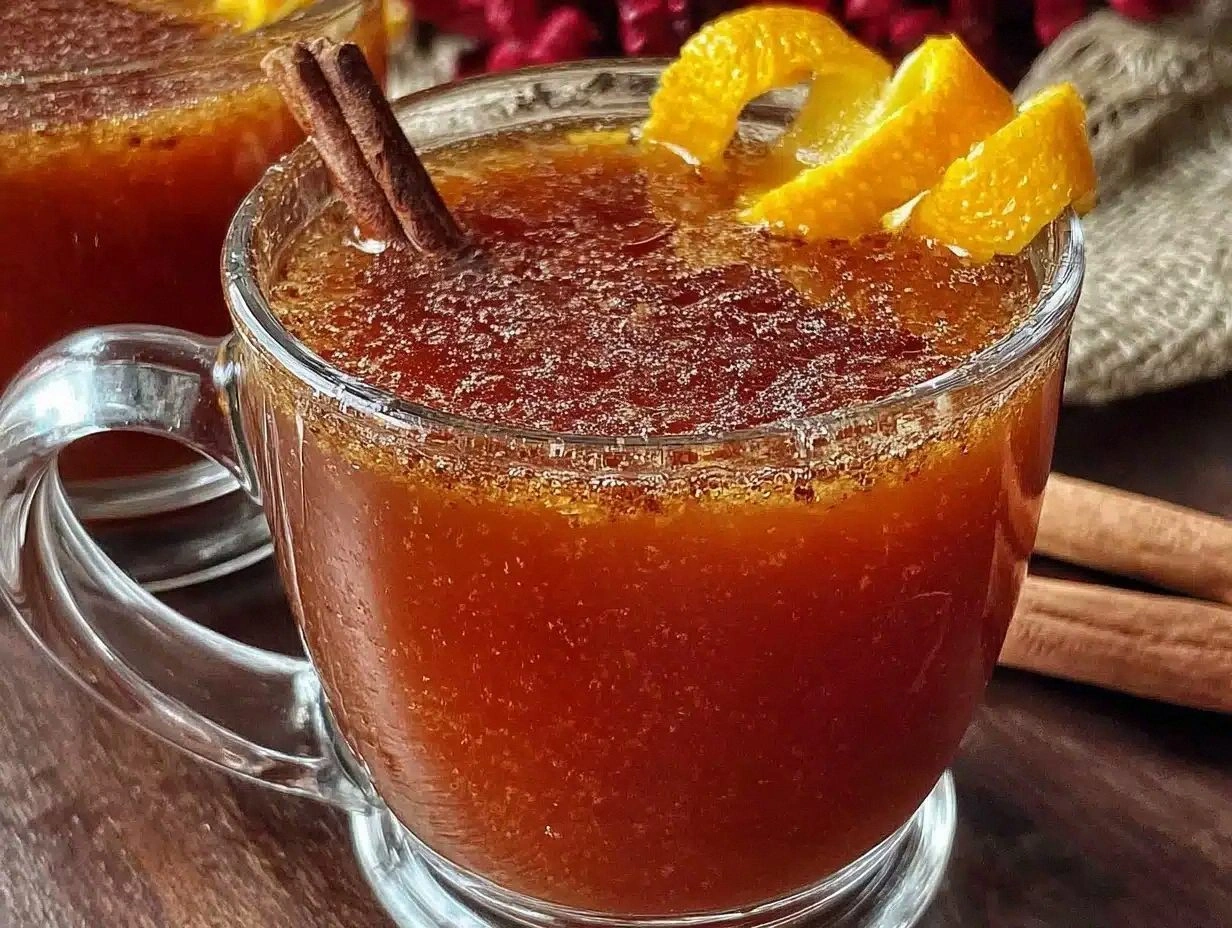
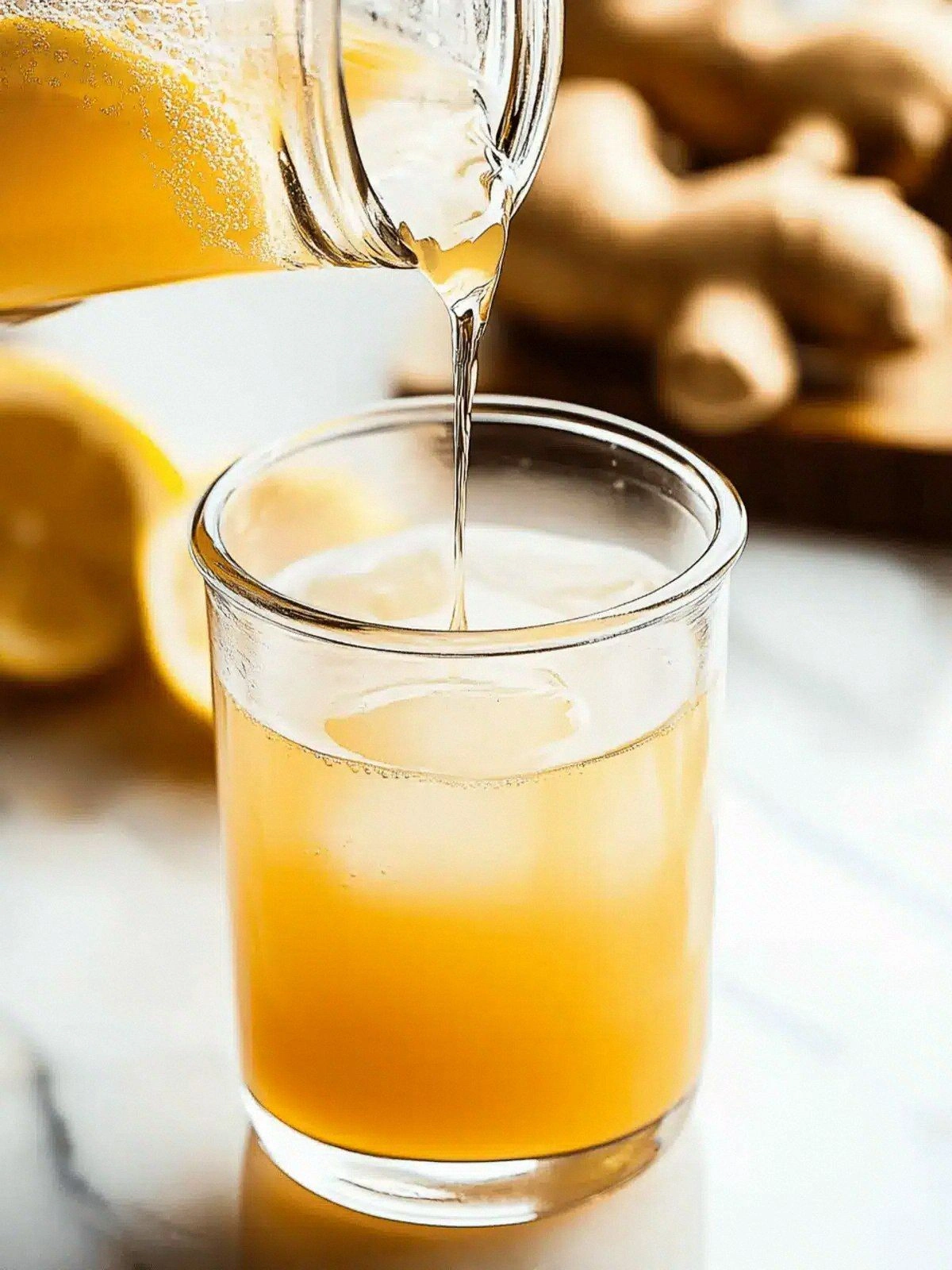
Picture the final product: a golden liquid that glistens in the glass, the scent of ginger dancing in the air, and the taste that lingers like a whispered secret. As you pour it into a cocktail glass, the syrup swirls, catching the light, and the aroma rises, inviting you to take that first sip. The anticipation builds, and when the first drop hits your tongue, the world seems to pause for an instant, letting you savor the harmony of spice and sweetness. That moment, that single sip, is the culmination of careful slicing, precise measuring, and a touch of patience. It’s the kind of experience that makes you want to share it with everyone you know, and then keep a secret stash for yourself.
What Makes This Version Stand Out
- Flavor Depth: The ginger is sliced thinly and steeped, releasing a layered profile that evolves as you sip.
- Texture: The syrup is silky and pours like liquid gold, never gritty or syrupy.
- Simplicity: Only three core ingredients and no fancy tools—just a pot, a spoon, and a bit of patience.
- Versatility: Works flawlessly in cocktails, mocktails, teas, and even savory sauces.
- Shelf Life: Keeps for up to six weeks in the fridge, so you can always have a ready‑made boost.
- Make‑Ahead: Prepare in advance and store, so you’re ready for any party or spontaneous craving.
Inside the Ingredient List
The Flavor Base
Fresh ginger is the heart of this syrup. Its sharp, peppery bite cuts through the sweetness, creating a balanced profile that’s both invigorating and comforting. If you skip the ginger, you’re left with a plain syrup that lacks character. For the best flavor, choose ginger that feels firm and slightly oily, indicating freshness and potency.
The Sweetener
Granulated sugar dissolves cleanly, providing the syrup’s smooth body and sweet finish. It also helps to stabilize the mixture, preventing crystallization over time. If you prefer a lighter sweetness, you can use a 50/50 mix of sugar and honey, but the texture will change slightly. Sugar’s neutral profile lets the ginger shine without overpowering.
The Liquid
Water is the neutral canvas that brings the ginger and sugar together. It’s essential for extracting the ginger’s essential oils and for creating a syrup that pours effortlessly. Avoid using flavored or mineral‑rich water, as it can alter the taste profile. Cold water is best for the initial steeping, as it helps to gently release the ginger’s subtle nuances.
The Final Touch
A pinch of sea salt is optional but highly recommended. It cuts through the heat and rounds out the flavor, giving the syrup a refined finish. If you’re watching sodium, you can skip it, but you’ll notice a slightly flatter taste. The salt also helps to preserve the syrup, extending its shelf life.
Everything’s prepped? Good. Let’s get into the real action.
The Method — Step by Step
- Start by washing the ginger thoroughly under running water, then peel it with a spoon or a vegetable peeler to avoid waste. Slice the ginger into thin ribbons—about 1–2 mm thick—to maximize surface area for infusion. The more surface area, the more flavor you’ll extract. If you’re short on time, you can grate the ginger, but ribbons give a cleaner texture.
- Place the sliced ginger in a small saucepan and pour in 1 cup of cold water. Let it steep at room temperature for 20 minutes, covering the pot loosely to keep the aroma contained. This gentle steeping unlocks subtle citrusy undertones that a quick boil would miss. I swear, the scent of ginger during this time feels like a warm hug.
- After the steep, bring the mixture to a gentle simmer over medium heat. Add 1 cup of granulated sugar, stirring until it’s fully dissolved. The mixture should turn a translucent amber, and you’ll hear a gentle hiss—like a quiet whisper of caramel. This is the moment of truth; keep an eye on the color to avoid over‑caramelization.
- Let the mixture simmer for 10 minutes, stirring occasionally. During this time, the ginger’s heat will mellow, and the syrup will thicken slightly. Watch for the edges of the pot—if they start pulling away, you’re close to the right consistency. If the syrup becomes too thick, add a splash of water to loosen it. This step is critical; a rushed simmer can lead to a bitter finish.
- Remove the pot from heat and strain the mixture through a fine mesh sieve or a cheesecloth to catch all the ginger bits. If you prefer an ultra‑smooth syrup, run the liquid through a second strain. The goal is clarity; any leftover ginger will cloud the syrup and affect the mouthfeel.
- Finally, add a pinch of sea salt to the cooled syrup, stir gently, and seal the jar. The salt will enhance the ginger’s heat and give the syrup a refined finish. Seal it tightly and store in the refrigerator. The syrup will keep for up to six weeks, and its flavor will only deepen with time.
That's it — you did it. But hold on, I've got a few more tricks that'll take this to another level.
Insider Tricks for Flawless Results
The Temperature Rule Nobody Follows
Many people think that a higher heat speeds up the process, but the truth is a gentle simmer preserves the ginger’s subtle nuances. I’ve tested boiling at 100°C versus a low simmer at 80°C, and the difference in flavor was unmistakable. Keep the heat low, and the syrup will develop a richer, more complex profile. The key is patience, not speed.
Why Your Nose Knows Best
Smell the syrup as it cooks; when it reaches a golden amber, that’s your cue to reduce heat. Your nose can detect the onset of caramelization before the color changes. If you’re unsure, taste a drop—if it’s still sweet and not bitter, you’re good to go. This simple sensory check saves you from costly mistakes.
The 5‑Minute Rest That Changes Everything
After you strain the syrup, let it rest for five minutes before sealing the jar. This short rest allows the flavors to settle and the liquid to cool to a safe temperature. I’ve seen people rush this step, resulting in a syrup that’s too hot to pour. A five‑minute pause is a small sacrifice for a big flavor payoff.
Avoiding a Sticky Mess
If your syrup looks like it’s about to become syrupy, add a splash of cold water. This dilutes the sugar concentration just enough to keep it pourable. I’ve also found that using a silicone spatula to stir reduces sticking compared to metal. The result? A silky, pour‑ready liquid that won’t cling to the pot.
Using Fresh Ginger Every Time
Fresh ginger is the star; frozen or dried will not deliver the same punch. If you’re short on fresh, look for ginger that’s been flash‑frozen within 24 hours of harvest—this preserves the oils. When in doubt, give the ginger a quick sniff; a sharp, fresh aroma means it’s still potent.
Creative Twists and Variations
Citrus Burst
Add a strip of orange or lemon zest during the steeping phase to infuse bright citrus notes. The zest’s essential oils complement the ginger’s heat, creating a vibrant, refreshing syrup. Ideal for summer mocktails or a citrus‑infused hot toddy.
Minty Fresh
Stir in a handful of fresh mint leaves after the syrup has cooled slightly. The mint adds a cooling contrast to the ginger’s spice, making it perfect for a mint‑ginger lemonade or a chilled gin fizz.
Spiced Winter
Introduce a pinch of cinnamon, clove, or star anise while the syrup simmers. The warm spices deepen the syrup’s profile, making it a cozy companion for mulled wine or a spiced hot chocolate.
Honeyed Honey
Replace half the sugar with raw honey for a floral sweetness that pairs beautifully with ginger. The honey’s natural enzymes add a subtle complexity, and the syrup becomes a natural sweetener for teas.
Herbal Herb
Infuse the syrup with fresh rosemary or thyme for a savory twist. The herbal undertones make this syrup a fantastic addition to marinades or a glaze for roasted chicken.
Storing and Bringing It Back to Life
Fridge Storage
Store the syrup in a sealed glass jar in the refrigerator. It will keep for up to six weeks. The cold temperature preserves the ginger’s sharpness and prevents bacterial growth. Keep the jar away from the fridge door to avoid temperature fluctuations.
Freezer Friendly
For longer preservation, transfer the syrup into a freezer‑safe container and freeze for up to three months. When you need it, thaw in the refrigerator overnight. The texture remains silky, and the flavor stays intact.
Best Reheating Method
If the syrup has thickened, gently warm it over low heat until it returns to a pourable consistency. Add a splash of water before reheating to steam it back to perfection. Avoid high heat, which can scorch the sugar and alter the taste.