I’m going to start with a confession: I once tried to make gumbo on a lazy Sunday, tossed in a handful of shrimp, a splash of whatever sauce was left in the pantry, and ended up with a watery mess that could barely be called a stew. That disaster sparked a fire under me and a dare from my brother — “Make a gumbo so bold it makes the whole block want a second helping.” I accepted, and after a weekend of experimenting with roux, spices, and a secret splash of hot sauce, I finally nailed a version that sings louder than a brass band on Mardi Gras. This is the result, and I’m daring you to taste it and not go back for seconds.
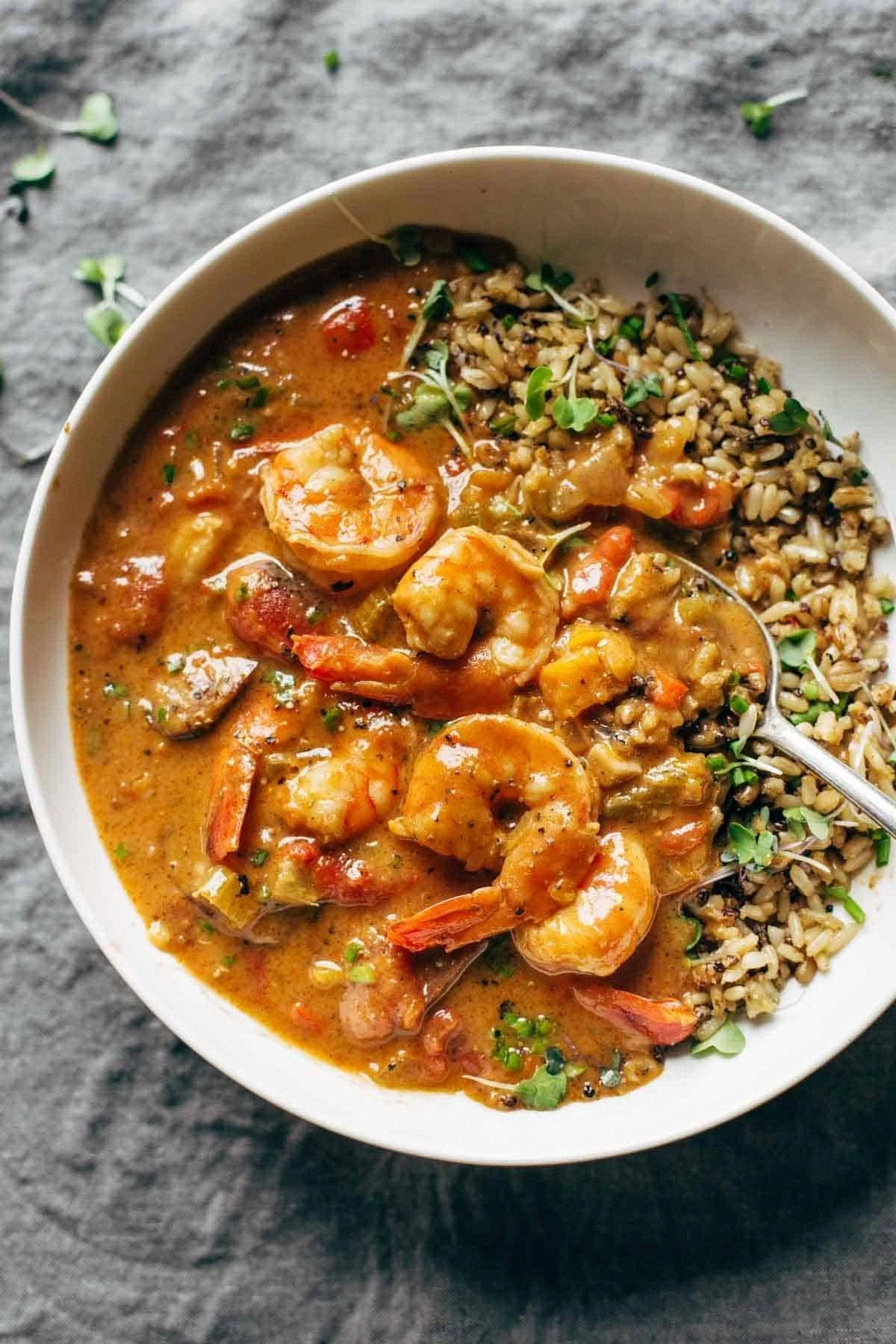
Picture this: the kitchen filled with the earthy perfume of dark roux, the sharp sting of Cajun seasoning, and the sweet oceanic perfume of fresh shrimp as they hit the simmering broth. The sound? A gentle, rhythmic bubble that feels like a heartbeat, promising something hearty yet vibrant. The texture? A thick, velvety base that clings to every morsel, while the shrimp stay plump and juicy, refusing to overcook. Even the Andouille sausage releases smoky whispers that weave through the pot, creating layers you can taste with your eyes closed. This isn’t just a dish; it’s a full‑on sensory overload that makes you feel like you’ve stepped into a bustling New Orleans kitchen without leaving your apartment.
What sets this gumbo apart from the hundreds of recipes you’ll find online? First, the roux is cooked to a deep mahogany, almost chocolate‑brown, giving the dish an unrivaled depth. Second, I’m using a blend of smoked Andouille and a dash of chipotle for a subtle heat that builds without overwhelming. Third, the “quick‑finish” technique adds the shrimp at just the right moment, preserving their delicate texture while still letting them soak up that spicy broth. And finally, I’m serving it over a bed of fluffy, buttery rice that soaks up every drop of sauce—no waste, just pure, comforting indulgence.
But wait, there’s a twist you won’t see coming: a tablespoon of dark chocolate shavings melted into the final simmer. Yes, you read that right. The chocolate doesn’t make it taste like dessert; it amplifies the umami, rounds out the heat, and adds a whisper of richness that makes each spoonful feel like a celebration. Okay, ready for the game‑changer? Let me walk you through every single step — by the end, you’ll wonder how you ever made gumbo any other way.
What Makes This Version Stand Out
- Depth of Flavor: The dark roux, smoked sausage, and a hint of chocolate create a flavor profile that’s richer than a classic gumbo, delivering layers you’ll discover with each bite.
- Heat Balance: A blend of cayenne, chipotle, and a dash of hot sauce gives a controlled kick that warms the palate without numbing it.
- Texture Harmony: The shrimp stay tender, the sausage stays juicy, and the okra adds a subtle bite, all floating in a silky broth that clings to rice.
- Simplicity Meets Sophistication: Despite the complex flavors, the ingredient list is straightforward and the steps are logical, making it approachable for home cooks.
- Crowd‑Pleaser Factor: Whether it’s a family dinner or a potluck, this gumbo consistently earns rave reviews and empty bowls.
- Ingredient Quality: Fresh Gulf shrimp, authentic Andouille, and high‑quality smoked paprika elevate the dish from ordinary to extraordinary.
- One‑Pot Efficiency: All the magic happens in a single Dutch oven, cutting down on cleanup while maximizing flavor integration.
- Make‑Ahead Potential: The gumbo tastes even better the next day, so you can prep it in advance and simply reheat for a stress‑free dinner.
Alright, let's break down exactly what goes into this masterpiece...
Inside the Ingredient List
The Flavor Base
The holy trinity of Cajun cooking—onion, bell pepper, and celery—forms the aromatic backbone of this gumbo. The onion adds sweetness, the bell pepper contributes a bright, slightly bitter edge, and the celery gives an earthy crunch that lingers in the broth. If you skip any of these, the gumbo loses its signature depth and can taste flat. For a twist, try swapping half the bell pepper for a roasted red pepper to add a smoky undertone.
The Texture Crew
Okra is the unsung hero that thickens the gumbo naturally while providing a pleasant, slightly gelatinous bite. Fresh okra is best; it holds its shape and releases the right amount of mucilage. If you can’t find fresh okra, frozen works fine—just add it later to avoid excess water. And the Andouille sausage brings a smoky, meaty texture that balances the delicate shrimp; a high‑quality, pre‑cooked sausage saves time while delivering authentic flavor.
The Unexpected Star
A tablespoon of dark chocolate might sound bizarre, but it’s the secret weapon that deepens the umami and smooths out the heat. Choose a 70% cacao bar for a bittersweet note without overwhelming sweetness. If you’re not a chocolate fan, a splash of strong brewed coffee works as an alternative, delivering similar depth.
The Final Flourish
Fresh shrimp, preferably wild‑caught Gulf, are added at the very end to keep them tender. Overcooking shrimp turns them rubbery, so a brief simmer of 3‑4 minutes is all that’s needed. Finish with a handful of chopped parsley and sliced green onions for a fresh pop, and a squeeze of lemon juice to brighten the entire pot. A final drizzle of hot sauce lets each diner tailor the heat to their liking.
Everything's prepped? Good. Let's get into the real action...
The Method — Step by Step
Start by heating 1/2 cup of vegetable oil in a heavy‑bottomed Dutch oven over medium‑high heat. Once shimmering, whisk in 1 cup of all‑purpose flour, stirring constantly. This is the roux, and you’ll watch it change from a pale blonde to a deep, chocolate‑brown over about 15‑20 minutes. Tip: The scent should shift from nutty to toasted, and the edges will start pulling away from the pan—pure magic.
Kitchen Hack: Keep a heat‑proof silicone spatula handy; it allows you to scrape the bottom without burning your hands.Once the roux hits that perfect mahogany hue, lower the heat to medium and add the holy trinity: 1 cup diced onion, 1 cup diced green bell pepper, and 1 cup diced celery. Sauté for 5‑7 minutes until the vegetables soften and the aroma becomes sweet and inviting. This step builds the flavor foundation; don’t rush it.
Stir in 3 minced garlic cloves and 1 teaspoon of smoked paprika, letting the garlic turn fragrant for about 30 seconds. Then add 1 tablespoon of chipotle in adobo, 1½ teaspoons of cayenne pepper, and 2 teaspoons of Cajun seasoning. The mixture should sizzle and release a smoky, spicy perfume that makes your kitchen feel like a street food market.
Now comes the protein parade: slice 12 ounces of Andouille sausage into ¼‑inch rounds and toss them in. Let the sausage brown for 4‑5 minutes, releasing its smoky oils into the pot. Next, pour in 4 cups of low‑sodium chicken stock, scraping the bottom to dissolve any roux bits that may have stuck.
Add 1 cup of diced tomatoes (canned or fresh), 2 bay leaves, and a sprig of fresh thyme. Bring the mixture to a gentle boil, then reduce to a simmer. Let it cook uncovered for 20 minutes, stirring occasionally, so the flavors meld and the broth thickens.
While the gumbo simmers, prepare the okra: slice 12 ounces of fresh okra into ½‑inch rounds, tossing them lightly in a pinch of salt. Add the okra to the pot during the last 10 minutes of simmering; this prevents it from turning mushy while still allowing it to thicken the broth.
Watch Out: If you add okra too early, it will over‑break down and make the gumbo gooey instead of silky.Now, the moment of truth: add the shrimp. Pat 1 pound of peeled and deveined shrimp dry, then slide them into the simmering pot. Cook for exactly 3‑4 minutes, or until they turn pink and curl into a C‑shape. Overcooking will make them rubbery, so keep a close eye on them.
Stir in the secret weapon: a tablespoon of finely grated dark chocolate. It will melt instantly, disappearing into the broth while leaving behind a subtle richness. Finish with the juice of half a lemon, ¼ cup chopped fresh parsley, and ¼ cup sliced green onions. Taste and adjust seasoning with extra salt or hot sauce if needed.
Kitchen Hack: If you don’t have dark chocolate, a teaspoon of espresso powder achieves a similar depth without altering the flavor profile.Serve the gumbo hot over a mound of fluffy white rice. Spoon generous ladles so the rice soaks up the sauce, and let diners add their own dash of hot sauce or extra lemon. That sizzle when it hits the rice? Absolute perfection. I dare you to taste this and not go back for seconds.
That's it — you did it. But hold on, I've got a few more tricks that'll take this to another level...
Insider Tricks for Flawless Results
The Temperature Rule Nobody Follows
Most home cooks keep the heat at a steady medium, but the secret is to start high for the roux, then drop to low for the simmer. This prevents the roux from burning while allowing the flavors to meld slowly. If you notice the broth bubbling too hard, lower the heat immediately; a gentle simmer is all you need for that silky texture.
Why Your Nose Knows Best
Your sense of smell is a far better indicator of doneness than a timer. When the roux reaches a deep chocolate color, you’ll smell a caramel‑like aroma that tells you it’s ready. Later, when the shrimp turn pink and the broth smells faintly of smoked paprika, you know it’s perfect. Trust that nose—your taste buds will thank you.
The 5‑Minute Rest That Changes Everything
After you turn off the heat, let the gumbo sit with the lid on for five minutes. This short rest allows the starches from the roux to fully hydrate, thickening the broth without additional simmering. It also gives the shrimp a chance to finish cooking in residual heat, ensuring they stay juicy.
The Secret Salt Timing
Add most of your salt early when the roux and vegetables are sautéing, but hold back a pinch for the final finish. This prevents the shrimp from becoming rubbery and gives you a chance to fine‑tune the seasoning after the chocolate has melted, balancing the bitterness.
The “Don’t Crowd the Pan” Principle
When browning the Andouille, do it in batches. Overcrowding lowers the pan temperature, causing the sausage to steam instead of sear. A good sear adds smoky depth that you simply can’t get from a soggy sausage.
The Rice Trick
Cook the rice in chicken broth instead of water, and add a sprig of thyme while it cooks. The rice will absorb that extra flavor, turning each bite into a continuation of the gumbo’s richness. A little butter folded in at the end adds a glossy finish.
Creative Twists and Variations
This recipe is a playground. Here are some of my favorite ways to switch things up:
Cajun Crawfish Swap
Replace the shrimp with 1 pound of fresh crawfish tails. The sweet, slightly briny flavor of crawfish pairs beautifully with the smoky roux, turning the dish into a true Louisiana classic.
Vegetarian Vibes
Omit the shrimp and sausage, and double the okra and add 1 cup of diced tempeh marinated in soy sauce and smoked paprika. Finish with a handful of toasted pecans for crunch. This version still offers the same depth thanks to the dark chocolate and spices.
Coconut Cream Gumbo
Stir in ½ cup of coconut milk during the last 5 minutes of simmering. The cream adds a subtle sweetness and silky texture that balances the heat, perfect for those who love a hint of tropical flair.
Spicy Sausage‑Only
Double the Andouille to 24 ounces and skip the shrimp entirely. The extra sausage makes the gumbo heartier, and you can boost the heat with a teaspoon of ghost pepper powder for the brave.
Smoky Bacon Boost
Add 4 slices of thick‑cut smoked bacon, diced, at the beginning with the roux. The bacon renders its fat, enriching the base and adding a crispy garnish when you serve.
Herb‑Infused Finish
Finish with a spoonful of herb‑infused olive oil (basil, thyme, and oregano) drizzled over each bowl. It adds a fresh, aromatic lift that brightens the already complex flavor profile.
Storing and Bringing It Back to Life
Fridge Storage
Let the gumbo cool to room temperature, then transfer it to an airtight container. It will keep for up to 4 days in the refrigerator. When reheating, add a splash of chicken stock or water and stir gently over low heat to restore its silky texture.
Freezer Friendly
Portion the gumbo into freezer‑safe bags, leaving a little headspace for expansion. Freeze for up to 3 months. Thaw overnight in the fridge, then reheat on the stovetop, adding a tablespoon of water or stock to revive the broth.
Best Reheating Method
The safest way to reheat is a gentle stovetop simmer. Place the gumbo in a saucepan, add ½ cup of water or stock, cover, and heat over medium‑low, stirring occasionally. This prevents the roux from separating and keeps the shrimp from overcooking.