
Indonesian Bakmi Goreng
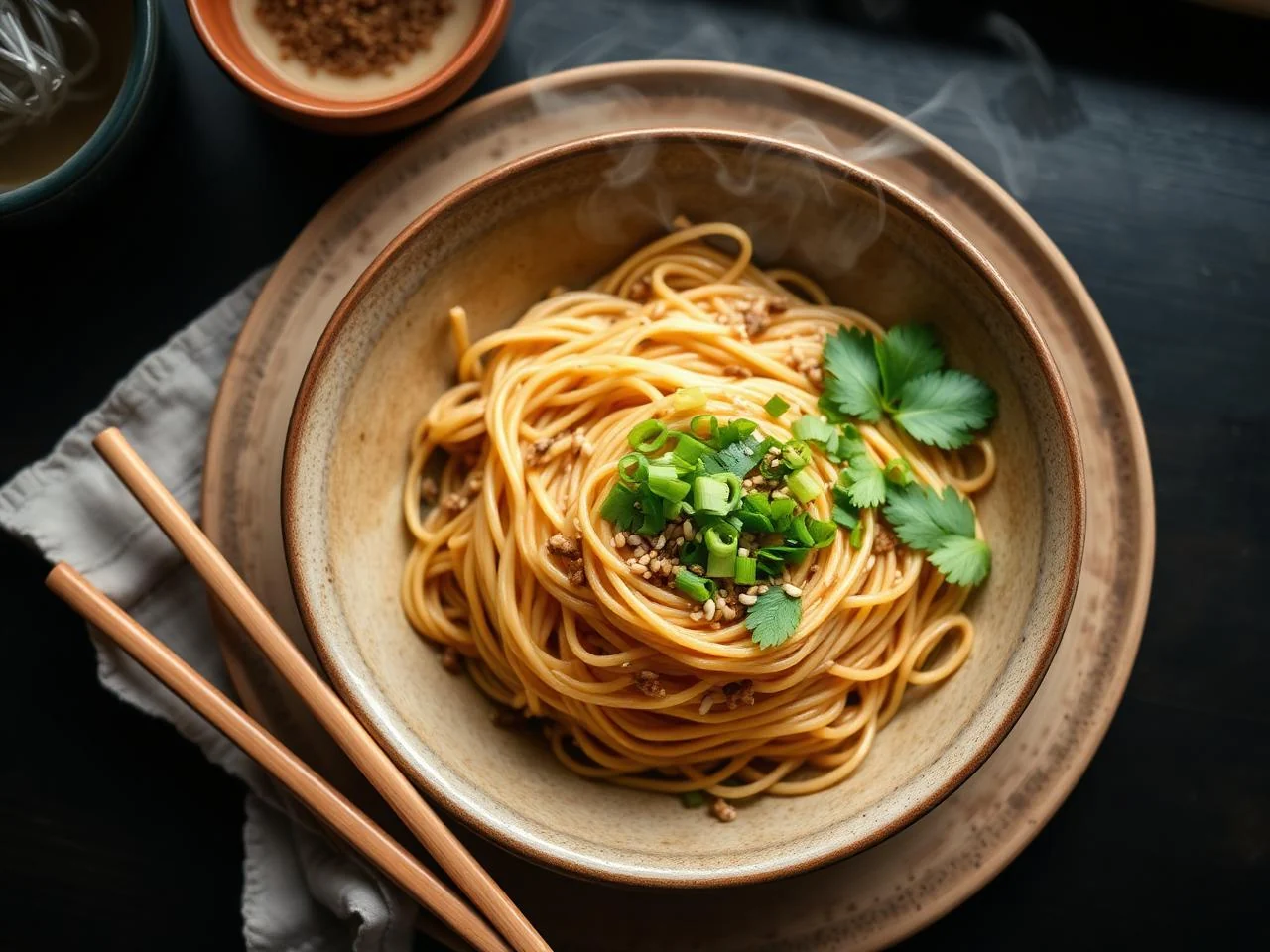
I still remember my first bite of Bakmi Goreng, the Indonesian stir-fried noodle dish that has captured the hearts and taste buds of many. It was during a family trip to Indonesia, where the smell of sizzling noodles and vegetables filled the air, drawing me to a street food stall. The combination of flavors and textures in that first bite was nothing short of magical.
As a home cook, I've always been fascinated by the simplicity and depth of Asian cuisine. Bakmi Goreng, with its stir-fried noodles, assortment of vegetables, and choice of protein, all bound together by a rich and savory sauce, is a quintessential representation of this fascination. It's a dish that's both easy to make and impressive to serve, perfect for a quick weeknight dinner or a special occasion.
What I love about Bakmi Goreng is its versatility. You can use any combination of vegetables you like, and the protein can range from chicken and beef to tofu for a vegetarian option. The key to a great Bakmi Goreng is in the balance of flavors and the technique of stir-frying, which ensures that each component retains its texture and flavor.
In this recipe, I'll guide you through the process of making an authentic Indonesian Bakmi Goreng, from preparing the ingredients to the final stir-fry. Whether you're a seasoned cook or just starting out, this dish is sure to become a favorite in your household.
So, let's dive into the world of Indonesian cuisine and explore the flavors and techniques that make Bakmi Goreng such a beloved dish. With a few simple ingredients and some basic cooking techniques, you'll be able to recreate this culinary masterpiece in the comfort of your own home.
Why You’ll Love This Recipe
- Bakmi Goreng is an incredibly versatile dish, allowing you to customize it with your favorite vegetables and protein.
- It's a quick and easy meal to prepare, perfect for busy weeknights.
- The dish is packed with flavor, thanks to the combination of aromatics, seasonings, and savory sauce.
- Bakmi Goreng can be made in large quantities, making it ideal for family gatherings or parties.
- It's a great way to use up leftover vegetables and protein, reducing food waste.
- The recipe can be easily adapted to suit different dietary preferences, including vegetarian and vegan options.
Why This Recipe Works
The success of Bakmi Goreng lies in its balance of flavors and textures, achieved through a combination of stir-frying techniques and the use of a savory sauce. The stir-fry method allows for quick cooking, preserving the crunch of the vegetables and the tenderness of the noodles and protein. Meanwhile, the sauce, made with a mixture of soy sauce, oyster sauce, and other seasonings, adds depth and umami flavor to the dish.
Another crucial aspect is the layering of flavors. Starting with aromatics like garlic and ginger, then adding the protein and vegetables, and finally incorporating the noodles and sauce, each component is cooked to perfection before being combined. This layering ensures that each bite is a harmonious blend of flavors and textures.
The choice of ingredients also plays a significant role. Using fresh and high-quality ingredients, such as crisp vegetables and tender protein, elevates the dish. Additionally, the type of noodles used can affect the overall texture and flavor of the Bakmi Goreng. Traditionally, thin, wheat-based noodles are preferred for their ability to absorb the savory sauce without becoming too soft.
Lastly, the technique of stir-frying is key. It requires a good understanding of heat control and the ability to cook ingredients quickly without overcooking them. A wok or large skillet is ideal for this, as it allows for efficient stir-frying and the quick distribution of heat.
Ingredients You’ll Need
To make an authentic Indonesian Bakmi Goreng, you'll need a variety of ingredients, including thin wheat-based noodles, an assortment of vegetables, your choice of protein, and a mixture of seasonings and sauces. The key to a great Bakmi Goreng is in the quality and freshness of these ingredients, so be sure to select the best you can find.
When shopping for the ingredients, look for fresh and crisp vegetables, and choose a protein that suits your taste and dietary preferences. For the noodles, opt for thin, wheat-based ones that will absorb the savory sauce without becoming too soft. Don't forget to have all the necessary seasonings and sauces on hand, as they are essential to achieving the authentic flavor of Bakmi Goreng.
- 1 lb (450g) thin wheat-based noodlesLook for noodles that are specifically labeled as 'wheat-based' or 'egg noodles' for the best texture and flavor. You can find these at most Asian grocery stores or well-stocked supermarkets.
- 2 tablespoons vegetable oilAny neutral-tasting oil, such as peanut or canola oil, works well for stir-frying. Avoid using olive oil, as it can burn at high temperatures.
- 3 cloves garlic, mincedFresh garlic is essential for the flavor of Bakmi Goreng. Use a microplane or fine grater to mince the garlic for the best results.
- 1 tablespoon grated fresh gingerFresh ginger adds a warm, spicy flavor to the dish. Use a fine grater or microplane to grate the ginger, and be sure to peel it first.
- 1 lb (450g) chicken breast or thighs, cut into bite-sized piecesYou can use either chicken breast or thighs, depending on your preference for white or dark meat. Cut the chicken into small pieces to ensure it cooks quickly and evenly.
- 1 cup mixed vegetables (e.g., cabbage, carrots, bean sprouts)Choose a variety of colorful vegetables to add texture and visual appeal to the dish. Be sure to slice or chop them into small pieces to ensure they cook quickly.
- 2 tablespoons soy sauceSoy sauce is a crucial component of the savory sauce. Look for a high-quality soy sauce that is low in sodium and has a rich, depthful flavor.
- 1 tablespoon oyster sauce (optional)Oyster sauce adds a rich, umami flavor to the dish. If you're vegetarian or vegan, you can omit this or substitute it with a mushroom-based sauce.
- 1 teaspoon sesame oilSesame oil adds a distinct nutty flavor to the dish. Use it sparingly, as it can be quite strong.
- 1/2 teaspoon ground white pepperWhite pepper is preferred over black pepper for its milder flavor and finer texture. Use a pepper mill or fine grater to grind the peppercorns just before using.
- Salt and pepper to tasteSeason the dish with salt and pepper to taste, but be careful not to over-season. The savory sauce should provide most of the flavor.
Equipment You’ll Need
How to Make Indonesian Bakmi Goreng
- 1Bring a large pot of water to a boil and cook the noodles according to the package instructions until they are slightly undercooked. Drain the noodles in a colander and set them aside.
- 2In a small bowl, whisk together the soy sauce, oyster sauce (if using), and sesame oil to make the savory sauce. Set the sauce aside.
- 3Heat 1 tablespoon of vegetable oil in a large skillet or wok over medium-high heat. Add the chicken to the skillet and cook until it is browned and cooked through, about 5-7 minutes. Remove the chicken from the skillet and set it aside.
- 4In the same skillet, add the remaining 1 tablespoon of vegetable oil. Add the minced garlic and grated ginger to the skillet and stir-fry until they are fragrant, about 30 seconds.
- 5Add the mixed vegetables to the skillet and stir-fry until they are tender-crisp, about 2-3 minutes.
- 6Add the cooked noodles to the skillet and stir-fry for about 2 minutes, until they are well coated with the oil and start to brown.
- 7Add the cooked chicken back into the skillet, along with the savory sauce. Stir-fry everything together for about 1-2 minutes, until the sauce is bubbly and slightly thickened.
- 8Season the Bakmi Goreng with salt and pepper to taste, then transfer it to a serving platter.
- 9Garnish the dish with sliced scallions and serve immediately.
- 10To ensure the dish is cooked to a safe internal temperature, use an instant-read thermometer to check the chicken. It should reach an internal temperature of at least 165 F.
Expert Tips
- Use a high-quality soy sauce for the best flavor.
- Don't overcook the noodles, as they will become mushy and unappetizing.
- Add the savory sauce towards the end of cooking, as it can thicken and become too sticky if cooked for too long.
- Experiment with different vegetables and protein sources to make the dish your own.
- For a spicier Bakmi Goreng, add some diced chili peppers or red pepper flakes to the stir-fry.
- To prevent the noodles from sticking together, toss them with a small amount of oil after cooking and before adding them to the stir-fry.
- If using a wok, be sure to stir-fry the ingredients quickly and constantly to prevent burning.
- For a vegetarian or vegan version, omit the chicken and add extra vegetables or tofu.
Common Mistakes to Avoid
- Overcooking the noodles, resulting in a mushy texture.
- Not using high-quality ingredients, which can affect the overall flavor and texture of the dish.
- Adding the savory sauce too early, causing it to thicken and become too sticky.
- Not stir-frying the ingredients quickly enough, resulting in a lack of texture and flavor.
- Not seasoning the dish with salt and pepper to taste, leading to a lackluster flavor.
- Using the wrong type of noodles, which can affect the overall texture and flavor of the dish.
Variations and Substitutions
- Add some diced bell peppers or snow peas to the stir-fry for extra color and flavor.
- Use beef or pork instead of chicken for a different protein source.
- Add some chopped fresh herbs, such as cilantro or basil, to the dish for extra flavor.
- Use a mixture of soy sauce and hoisin sauce for a sweeter and thicker savory sauce.
- Add some crispy fried shallots or garlic on top of the dish for extra texture and flavor.
- Use a spicy sauce, such as sriracha or sambal, to add heat to the dish.
- Serve the Bakmi Goreng with a fried egg on top for a more filling meal.
What to Serve With Indonesian Bakmi Goreng
Bakmi Goreng is a versatile dish that can be served in a variety of ways. You can serve it as a main course, accompanied by a side of steamed vegetables or a simple green salad. It's also great as a snack or appetizer, served with a side of fried wontons or spring rolls.
For a more substantial meal, consider serving the Bakmi Goreng with a side of fried rice or noodles. You can also add some sliced fresh fruit, such as oranges or bananas, to provide a refreshing contrast to the savory flavors of the dish.
Make-Ahead, Storage, Freezing and Reheating
Bakmi Goreng can be stored in the refrigerator for up to 3 days. To store, allow the dish to cool completely, then transfer it to an airtight container. Refrigerate the container and reheat the Bakmi Goreng in a skillet or wok over medium heat, adding a small amount of oil if necessary.
To freeze the Bakmi Goreng, allow it to cool completely, then transfer it to an airtight container or freezer bag. Label the container or bag with the date and contents, and store it in the freezer for up to 2 months. To reheat, simply thaw the frozen Bakmi Goreng overnight in the refrigerator, then reheat it in a skillet or wok over medium heat, adding a small amount of oil if necessary.
When reheating the Bakmi Goreng, be sure to stir-fry it quickly and constantly to prevent burning. You can also add some fresh vegetables or protein to the dish to refresh the flavors and textures.
It's also possible to make the savory sauce ahead of time and store it in the refrigerator for up to 1 week. Simply whisk the sauce ingredients together in a bowl, then transfer the sauce to an airtight container and refrigerate it until ready to use.
Frequently Asked Questions
What type of noodles is best for Bakmi Goreng?
Thin, wheat-based noodles are the best choice for Bakmi Goreng. They have a delicate texture and a mild flavor that absorbs the savory sauce well.
Can I use different types of protein in Bakmi Goreng?
Yes, you can use different types of protein in Bakmi Goreng, such as beef, pork, or tofu. Simply adjust the cooking time and method according to the protein you choose.
Is Bakmi Goreng spicy?
Bakmi Goreng is not typically spicy, but you can add some heat to the dish by incorporating spicy ingredients, such as chili peppers or sriracha sauce.
Can I make Bakmi Goreng ahead of time?
Yes, you can make the savory sauce ahead of time and store it in the refrigerator for up to 1 week. You can also cook the noodles and protein ahead of time, but it's best to assemble and stir-fry the dish just before serving.
What are some common variations of Bakmi Goreng?
Some common variations of Bakmi Goreng include adding different vegetables, such as bell peppers or snow peas, or using different types of protein, such as beef or pork. You can also add some crispy fried shallots or garlic on top of the dish for extra texture and flavor.
How do I prevent the noodles from sticking together?
To prevent the noodles from sticking together, toss them with a small amount of oil after cooking and before adding them to the stir-fry. You can also add some chopped scallions or herbs to the noodles to help separate them.
Can I freeze Bakmi Goreng?
Yes, you can freeze Bakmi Goreng for up to 2 months. Simply allow the dish to cool completely, then transfer it to an airtight container or freezer bag. Label the container or bag with the date and contents, and store it in the freezer.
How do I reheat frozen Bakmi Goreng?
To reheat frozen Bakmi Goreng, simply thaw it overnight in the refrigerator, then reheat it in a skillet or wok over medium heat, adding a small amount of oil if necessary.
Ingredients
- 1 lb (450g) thin wheat-based noodles
- 2 tablespoons vegetable oil
- 3 cloves garlic, minced
- 1 tablespoon grated fresh ginger
- 1 lb (450g) chicken breast or thighs, cut into bite-sized pieces
- 1 cup mixed vegetables (e.g., cabbage, carrots, bean sprouts)
- 2 tablespoons soy sauce
- 1 tablespoon oyster sauce (optional)
- 1 teaspoon sesame oil
- 1/2 teaspoon ground white pepper
- Salt and pepper to taste
Instructions
- Bring a large pot of water to a boil and cook the noodles according to the package instructions until they are slightly undercooked. Drain the noodles in a colander and set them aside.
- In a small bowl, whisk together the soy sauce, oyster sauce (if using), and sesame oil to make the savory sauce. Set the sauce aside.
- Heat 1 tablespoon of vegetable oil in a large skillet or wok over medium-high heat. Add the chicken to the skillet and cook until it is browned and cooked through, about 5-7 minutes. Remove the chicken from the skillet and set it aside.
- In the same skillet, add the remaining 1 tablespoon of vegetable oil. Add the minced garlic and grated ginger to the skillet and stir-fry until they are fragrant, about 30 seconds.
- Add the mixed vegetables to the skillet and stir-fry until they are tender-crisp, about 2-3 minutes.
- Add the cooked noodles to the skillet and stir-fry for about 2 minutes, until they are well coated with the oil and start to brown.
- Add the cooked chicken back into the skillet, along with the savory sauce. Stir-fry everything together for about 1-2 minutes, until the sauce is bubbly and slightly thickened.
- Season the Bakmi Goreng with salt and pepper to taste, then transfer it to a serving platter.
- Garnish the dish with sliced scallions and serve immediately.
- To ensure the dish is cooked to a safe internal temperature, use an instant-read thermometer to check the chicken. It should reach an internal temperature of at least 165 F.