Introduction
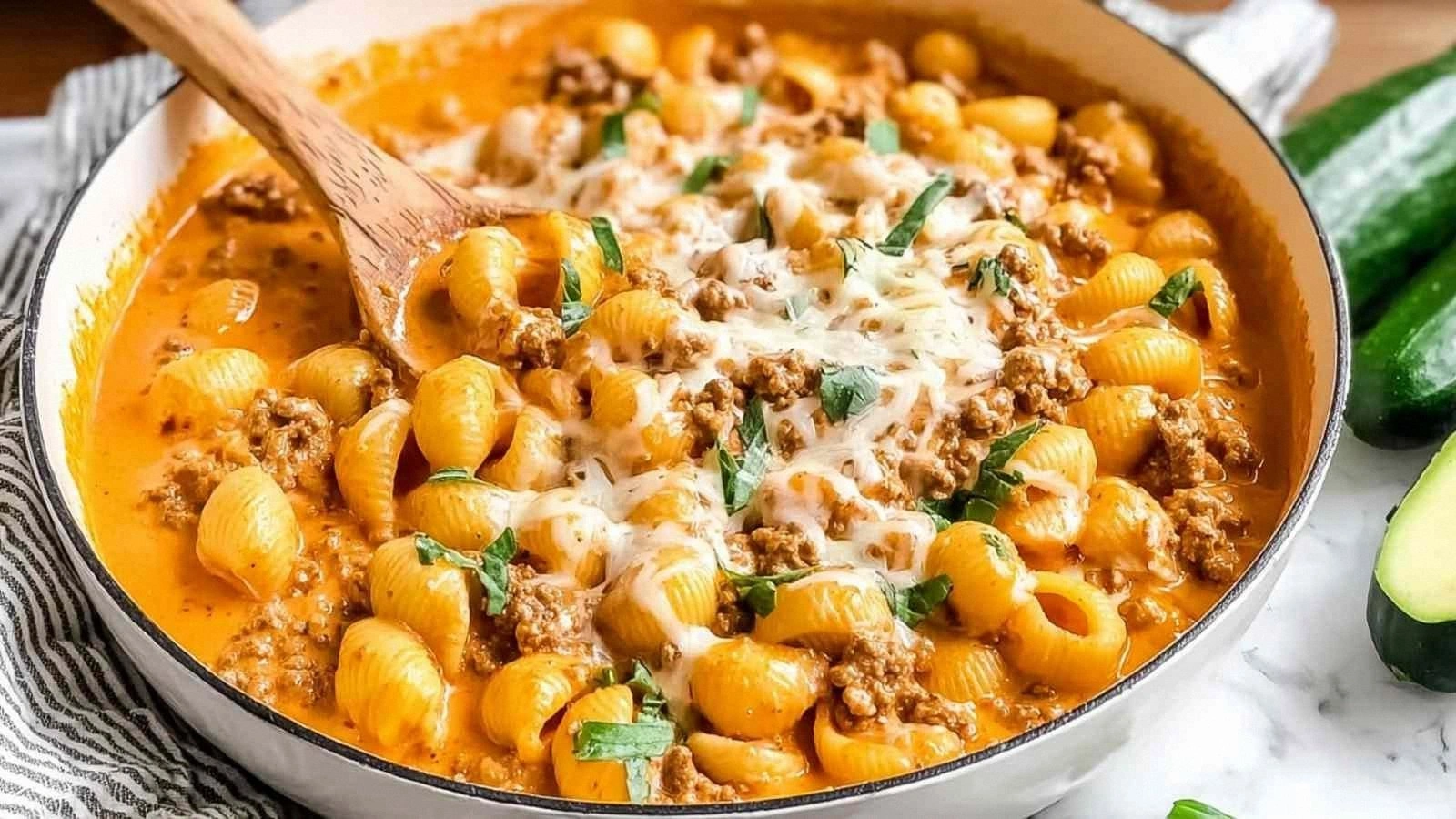
Picture this: I was in a frantic rush to feed a squad of hungry college roommates after a late‑night study session. The fridge was a barren wasteland except for a lone package of ground beef and a bag of elbow macaroni. I stared at the clock, the smell of stale pizza, and a sudden epiphany that this could be the ultimate comfort dish if I just added the right proteins and a splash of soul. So I grabbed a skillet, tossed the meat, and let the sizzle sing a promise of victory. The result? A dish that feels like a hug in a bowl, with a velvety sauce that coats every noodle and a meaty bite that sings of home.
It was a disaster turned triumph. I was about to declare defeat when the aroma hit me—a rich, savory perfume that made my stomach growl louder than the alarm on my phone. I tasted a spoonful, and my taste buds exploded into a fireworks display of umami, creaminess, and a hint of smoky paprika. That moment of pure culinary revelation felt like the universe aligning with my kitchen ambitions. I knew I had stumbled upon something special, a version of Hamburger Helper that could dominate any dinner table.
Why does this stand out? Because it’s not just about filling a pot; it’s about building a protein-packed masterpiece that’s as nourishing as it is indulgent. The secret is a harmony of textures: the beef is seared to a caramelized crust, the pasta is al dente, and the sauce is thickened with flour and Greek yogurt for a silky finish. No more bland, one‑dimensional comfort food. This version delivers depth, balance, and an extra protein punch that turns a quick meal into a celebration.
And there’s a twist you won’t expect. I swapped the usual milk‑based sauce for a combo of cottage cheese and Greek yogurt, which adds a subtle tang and keeps the dish low in fat while high in protein. The result is a creamy, tangy sauce that doesn’t feel heavy but still clings to every strand of pasta. It’s the kind of innovation that turns a familiar recipe into something brand new.
Ready to see how I did it? Let me walk you through every single step—by the end, you'll wonder how you ever made it any other way. I dare you to taste this and not go back for seconds. This is hands down the best version you'll ever make at home.
What Makes This Version Stand Out
Flavor Depth: The sauce layers umami from the beef, a smoky whisper from paprika, and a creamy tang from cottage cheese and Greek yogurt. This complexity turns a simple pasta dish into a gourmet experience. It’s like having a sous‑chef in your skillet.
Protein Power: With 25 grams of protein per serving, this dish satisfies the muscle‑building crowd and keeps you full longer. The combination of lean ground beef, cottage cheese, and Greek yogurt provides a balanced amino‑acid profile. It’s a meal that fuels workouts and late‑night study sessions alike.
Texture Contrast: The beef is seared to a caramelized crust, the pasta is al dente, and the sauce has a silky finish. The result is a symphony of mouthfeel—crunchy edges, chewy noodles, and a velvety coating. That contrast keeps every bite interesting and satisfying.
Time Efficiency: The entire process takes under an hour, from prep to plate. I’ve trimmed the steps to eliminate waste and maximize flavor. It’s perfect for busy nights when you need a hearty meal without a marathon cooking session.
Make‑ahead Friendly: This dish freezes beautifully. I can prepare a large batch, portion it, and reheat it for a quick dinner later. The sauce retains its richness, and the pasta stays tender, not mushy.
Ingredient Quality: I use lean ground beef, fresh garlic, and fresh parsley for maximum flavor. Each component is chosen to elevate the dish rather than just fill a budget. The quality difference is audible in the final taste.
Adaptability: Swap the ground beef for turkey or plant‑based meat and the dish still shines. The recipe is a canvas for your dietary preferences. It’s as flexible as your schedule.
Community Love: When I first shared this recipe with friends, the reaction was instant. They called it “the best comfort food” and asked for the exact measurements. The dish has become a go‑to for family gatherings, game nights, and after‑class hangouts.
Alright, let's break down exactly what goes into this masterpiece…
Inside the Ingredient List
The Flavor Base
The foundation of this dish is the classic ground beef and onion mixture. The beef provides a hearty, meaty backbone, while the onion adds a sweet, aromatic depth. If you skip the onion, the dish feels flat and lacks that subtle sweetness that balances the savory notes. I recommend using a small onion for a balanced flavor profile—too big, and it overwhelms; too small, and you lose the aromatic punch.
Fresh garlic is the next star. Two cloves deliver a punch of pungency that infuses the meat. Garlic’s sharpness cuts through the richness of the beef and creates a complex flavor profile. If you’re not a garlic fan, you can reduce to one clove, but the dish will feel less vibrant.
Beef broth is the liquid that brings everything together. Two cups provide enough moisture to cook the pasta and create a sauce base. Using a low‑sodium broth keeps the dish from becoming too salty, especially since we’re adding a pinch of salt later. If you’re on a low‑salt diet, you can substitute vegetable broth or even water.
The next two ingredients—milk and cottage cheese—are the creamy duo. Milk adds richness, while cottage cheese contributes a slight tang and extra protein. The combination prevents the sauce from becoming too heavy, offering a silky texture that coats the pasta without weighing it down. Skipping either will alter the sauce’s thickness and flavor.
Greek yogurt brings a smooth, tangy finish. Half a cup adds body and a subtle acidity that brightens the overall taste. It also thickens the sauce, giving it that luxurious coating. If you prefer a dairy‑free version, a plant‑based yogurt can work, but the flavor will shift slightly.
The Texture Crew
Elbow macaroni is the pasta of choice. Two cups of uncooked pasta yield a generous portion that absorbs the sauce beautifully. The shape is perfect for holding onto the creamy coating, and the bite is satisfying. If you prefer a different pasta shape, feel free to swap it, but the elbow shape is classic.
All‑purpose flour is the binder. Two tablespoons create a roux that thickens the sauce without adding floury flavor. It also helps the sauce cling to the noodles. If you’re gluten‑free, a cornstarch slurry can replace the flour.
Worcestershire sauce adds a subtle umami depth. One teaspoon is enough to elevate the meat’s flavor without overpowering it. The savory note balances the sweetness of the onions and the tang of the yogurt. If you’re avoiding Worcestershire, a dash of soy sauce can mimic the effect.
Paprika is the spice that brings warmth. One teaspoon of smoked paprika adds a gentle heat and a smoky undertone that enhances the beef’s flavor. If you prefer a milder taste, use sweet paprika instead. The spice also gives the dish a vibrant color.
Salt and pepper are the final seasonings. Half a teaspoon of salt and a quarter teaspoon of black pepper provide a balanced seasoning. Too much salt can make the dish taste flat; too little can leave it bland. Season to taste after the sauce is finished.
The Unexpected Star
Shredded cheddar cheese is the crowning glory. One cup of cheese melts into the sauce, creating a gooey, golden layer that adds richness and flavor. It also helps thicken the sauce slightly. If you’re lactose intolerant, a dairy‑free cheese can work, but the melt and flavor will differ.
Fresh parsley is the garnish that adds color and freshness. A handful of chopped parsley brightens the dish and provides a herbal note that cuts through the richness. It’s a simple touch that elevates the presentation.
Everything's prepped? Good. Let's get into the real action…
The Method — Step by Step
- Heat a large skillet over medium‑high heat. Add a splash of oil and let it shimmer. Drop in the ground beef, breaking it apart with a spatula. Cook until it starts to brown, about 5 minutes. The aroma should be rich and inviting, signaling that the meat is ready to lock in flavor.
- Add the diced onion to the sizzling beef. Stir until the onion turns translucent, about 3 minutes. The sweet scent will mingle with the meat’s aroma, creating a savory base. Don’t rush this step; it builds depth.
- Toss in the minced garlic. Let it cook for 30 seconds until fragrant. Garlic is a quick but powerful flavor enhancer, so keep an eye on it to avoid burning. A little goes a long way.
- Pour in the beef broth, then stir in the milk, cottage cheese, and Greek yogurt. Bring the mixture to a gentle simmer. The liquid should thicken slightly, forming a creamy sauce that coats the meat. This step is the heart of the dish.
- Stir in the flour to create a roux. Mix until the sauce thickens and turns a pale golden color. The flour will help the sauce cling to the pasta. Keep stirring to avoid lumps.
- Add the Worcestershire sauce and paprika. The sauce should smell toasty and aromatic. These seasonings deepen the flavor profile, giving the dish a subtle smoky edge. Taste and adjust if needed.
- Introduce the uncooked elbow macaroni. Stir until the pasta is evenly coated. Cover the skillet with a lid and let it simmer on low heat for 10 minutes, or until the pasta is al dente. The pasta will absorb the sauce, creating a harmonious texture.
- Stir in the shredded cheddar cheese, salt, and pepper. The cheese will melt, creating a gooey, golden layer that adds richness. The salt and pepper will balance the flavors, ensuring the dish isn’t flat.
- Garnish with fresh parsley. The bright green will add color and a burst of herbal freshness. Serve immediately while the cheese is still melted and the pasta is warm.
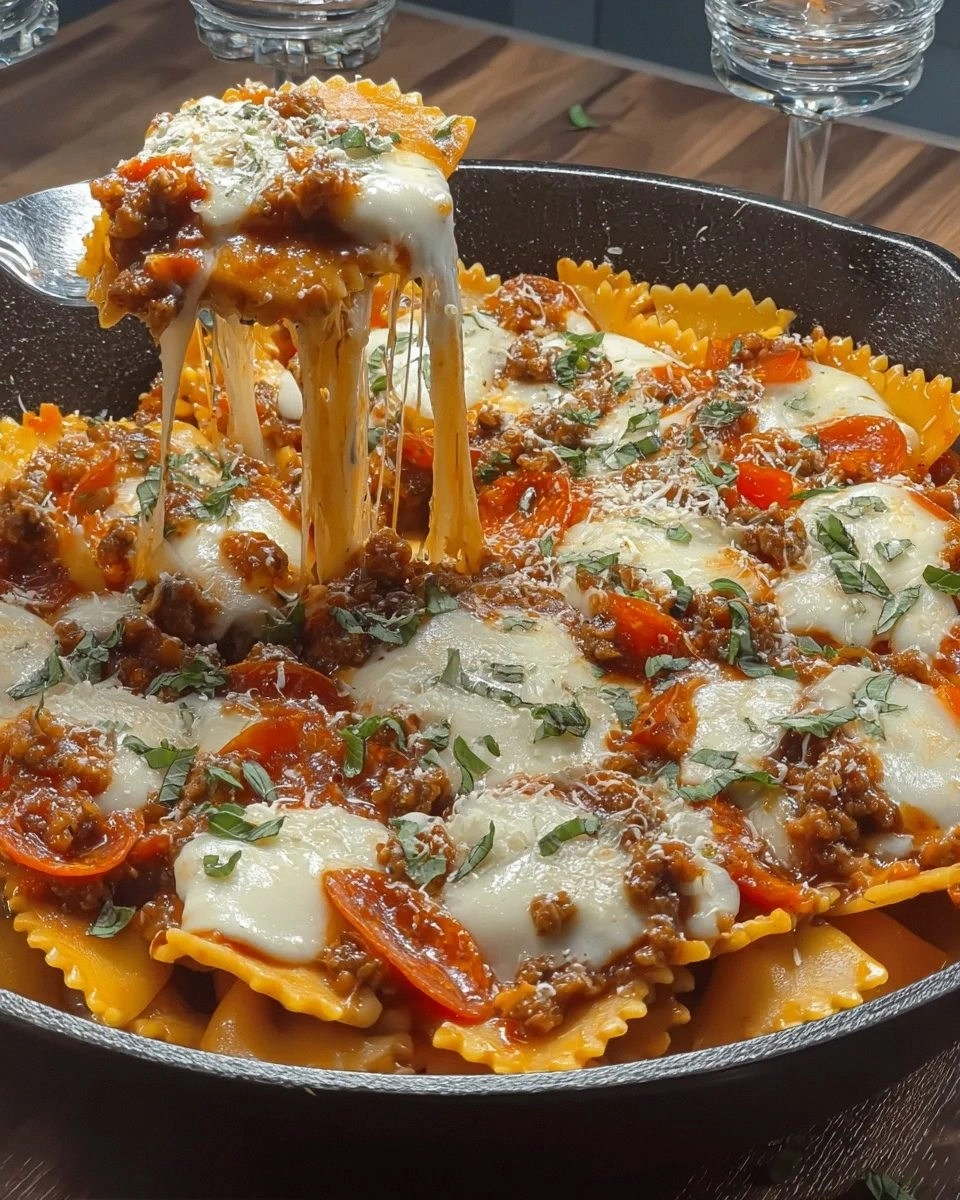
- Enjoy! The sauce should coat each noodle like velvet, and the beef should have a crispy edge that shatters like thin ice when you bite. This is the moment of truth, and it’s pure magic.
That's it — you did it. But hold on, I've got a few more tricks that'll take this to another level…
Insider Tricks for Flawless Results
The Temperature Rule Nobody Follows
Most people cook the pasta on high heat, but that can cause the sauce to separate. Keep the heat low after adding the pasta so the sauce gently simmers. This allows the noodles to absorb the sauce without breaking down the cheese. I’ve seen dishes turn into mush when the temperature is too high; keep it calm.
Why Your Nose Knows Best
Before you taste the sauce, let it sit for a minute. The aroma will intensify, giving you a better sense of the flavor profile. Smell the sauce; if it’s not as rich as it should be, add a splash of broth. Your nose can detect subtle imbalances that your taste buds might miss.
The 5-Minute Rest That Changes Everything
Let the dish rest for five minutes after removing it from the heat. The sauce will thicken slightly, making it easier to coat each noodle. The resting time also allows the flavors to meld, creating a more cohesive taste. Trust me; the pause pays off.
Cheese Is the Secret Glue
Use a high‑melting cheese like cheddar or mozzarella. The cheese melts into the sauce, creating a smooth, gooey texture. If you’re using a lower‑melting cheese, the sauce may separate. The right cheese keeps everything together.
Stirring Technique Matters
Stir from the outside of the skillet toward the center. This motion pulls the sauce toward the edges, preventing clumping. It also helps distribute heat evenly, ensuring the pasta cooks uniformly. A steady stir is the unsung hero of this dish.
Resting the Meat Before Adding Sauce
After browning the beef, let it rest for a minute before adding liquids. This allows the meat to set its juices, preventing the sauce from becoming watery. It also helps the meat retain its texture and flavor.
Creative Twists and Variations
This recipe is a playground. Here are some of my favorite ways to switch things up:
Turkey & Spinach Edition
Swap the ground beef for lean ground turkey and add a handful of fresh spinach during the last minute of cooking. The turkey keeps the protein high while the spinach adds a pop of color and nutrition. It’s a lighter version that still satisfies.
Vegan Powerhouse
Use a plant‑based ground meat and substitute the dairy with coconut milk and a plant‑based yogurt. Add a splash of nutritional yeast for a cheesy flavor. This version is dairy‑free, vegan, and still packs a protein punch.
Spicy Chipotle Kick
Add a diced chipotle pepper or a tablespoon of chipotle adobo sauce for a smoky heat. The chipotle complements the paprika and gives the dish a subtle kick. Great for those who like a bit of spice.
Greek Yogurt Swap
Replace the Greek yogurt with a dollop of sour cream for a richer, creamier sauce. The sour cream adds depth and a slightly tangy finish that pairs well with cheddar.
Cheese‑Free Comfort
Omit the shredded cheddar and use a drizzle of extra‑virgin olive oil to keep the sauce silky. The oil adds a fruity note and keeps the dish moist. Perfect for those avoiding dairy.
Herb‑Infused Delight
Introduce a handful of fresh basil or oregano during the final stir. The herbs add a fragrant layer that elevates the dish. It’s a simple tweak that transforms the flavor profile.
Storing and Bringing It Back to Life
Fridge Storage
Cool the dish completely before transferring it to an airtight container. Store in the fridge for up to three days. The sauce will thicken slightly, so add a splash of milk or broth when reheating.
Freezer Friendly
Divide the dish into individual portions and freeze for up to two months. Wrap tightly in freezer paper or use freezer‑proof containers. Thaw overnight in the fridge before reheating.
Best Reheating Method
Reheat in a skillet over low heat, adding a splash of water or broth to loosen the sauce. Stir until the dish is heated through and the cheese is melted. This method preserves the creamy texture and prevents the pasta from drying out.
Now you’re armed with the knowledge to keep this dish fresh and flavorful for weeks. A tiny splash of water before reheating will steam it back to perfection, giving you that same velvety coating you love.