I still remember the night I nearly burned my kitchen down trying to impress my in‑law’s friends with a shrimp dish. The shrimp were already in the freezer, the skillet was hot, and I was juggling a phone call, a pot of boiling water, and a stack of recipes that all promised “quick” and “delicious.” The result? A plate of soggy, over‑cooked shrimp that tasted like a sad, limp ghost. I was ready to throw the shrimp in the trash when a friend texted, “Dude, have you tried the cowboy butter shrimp I found? 20 minutes, no mess.” That text was the spark that lit a culinary fire under my kitchen stove.
Picture this: a sizzling pan, the scent of garlic and butter rising like a cloud of summer heat, shrimp turning from translucent to a bright pink blush, and a glossy, buttery sauce that coats every morsel like velvet. The sound is unmistakable—tiny crackles as the butter hits the shrimp, the faint hiss of garlic frying. The color is a warm, golden‑brown that invites you to dig in. The taste? A harmonious blend of smoky paprika, bright lemon, and a subtle kick of chili that lingers on the palate. And the feel—every bite is tender, the shrimp practically melt in your mouth, and the sauce clings to your tongue like a sweet, savory hug.
What sets this version apart isn’t just the quick prep time. It’s the layered flavor profile that starts with a simple seasoning of paprika, garlic powder, and a pinch of salt, then builds into a decadent butter‑mustard sauce that’s both rich and bright. I dare you to taste this and not go back for seconds. I’ll be honest—by the time I finished the first batch, half of the shrimp were already in the bowl, and the rest were just waiting to be devoured. Most recipes get this completely wrong, either over‑sautéing the shrimp or under‑seasoning the sauce. Here’s what actually works: a gentle sear, a balanced butter mix, and a splash of lemon at the right moment.
If you’ve ever struggled with shrimp turning rubbery or sauces that turn into a greasy mess, you’re not alone. I’ve been there, watching the shrimp swim in a sea of oil, then realizing I forgot to deglaze the pan. But I’ve also found the fix—quickly deglaze with a splash of lemon juice and a touch of mustard, then finish with a generous amount of butter. Picture yourself pulling this out of the skillet, the whole kitchen smelling incredible, and guests rushing to the table with their mouths watering. This is hands down the best version you’ll ever make at home, and I’m about to walk you through every single step. By the end, you’ll wonder how you ever made it any other way.
What Makes This Version Stand Out
- Flavor: The marriage of paprika, garlic, and a hint of chili creates a smoky, spicy base that elevates the shrimp from ordinary to extraordinary. The butter‑mustard sauce adds richness without overpowering the delicate seafood.
- Texture: Shrimp sears to a crisp edge while staying tender inside, thanks to a short, high‑heat cook that locks in moisture.
- Simplicity: No fancy equipment, no long prep times—just a skillet, a few pantry staples, and 20 minutes.
- Versatility: Serve over pasta, rice, or a bed of steamed greens; the sauce adapts to any accompaniment.
- Crowd‑Pleaser: The buttery, spicy finish makes it a hit at dinner parties, family gatherings, or a quick weekday meal.
- Quality: Using wild shrimp ensures a robust, clean flavor that stands up to the bold seasonings.
- Make‑ahead Potential: The dish can be prepped in advance; just reheat and finish the sauce for a fast, fresh meal.
- Health‑Friendly: Despite the buttery sauce, the shrimp provide lean protein, and the use of olive oil keeps the dish heart‑healthy.
Alright, let's break down exactly what goes into this masterpiece…
Inside the Ingredient List
The Flavor Base
At the heart of this dish lies a simple yet potent seasoning blend: paprika, garlic powder, salt, and black pepper. Paprika brings a smoky sweetness that pairs beautifully with the briny shrimp, while garlic powder offers a subtle depth without the need to mince fresh garlic. A pinch of salt and freshly cracked pepper brightens the flavors, but be careful not to over‑salt. If you’re watching sodium, you can reduce the salt to a half pinch and rely on the natural saltiness of the shrimp.
The Texture Crew
The shrimp themselves are the star. Wild shrimp tend to have a firmer texture and a cleaner, more pronounced flavor than farmed varieties. They also hold up better against a quick sear, preventing them from becoming rubbery. A tablespoon of olive oil or avocado oil is used to coat the shrimp before searing; this not only helps the spices adhere but also creates a golden crust. If you prefer a richer oil, avocado oil’s higher smoke point is a solid choice.
The Unexpected Star
The sauce’s secret weapon is the combination of butter, Dijon mustard, and fresh parsley. Butter provides a luxurious mouthfeel and a subtle caramelization. Dijon mustard adds a tangy bite that cuts through the richness, while parsley introduces a burst of herbaceous freshness. The lemon—both zest and juice—injects bright acidity that balances the butter and brings the dish together. This trio of ingredients transforms a simple shrimp dish into a gourmet experience.
The Final Flourish
Once the shrimp are cooked, the sauce is assembled by deglazing the pan with a splash of lemon juice and a teaspoon of mustard, then whisking in the butter. The result is a glossy, velvety coating that clings to each shrimp. A pinch of chili flakes adds a subtle heat that lingers on the palate. Finally, a handful of chopped parsley and a squeeze of fresh lemon juice finish the dish, giving it a bright, vibrant finish that’s impossible to resist.
Everything's prepped? Good. Let's get into the real action…
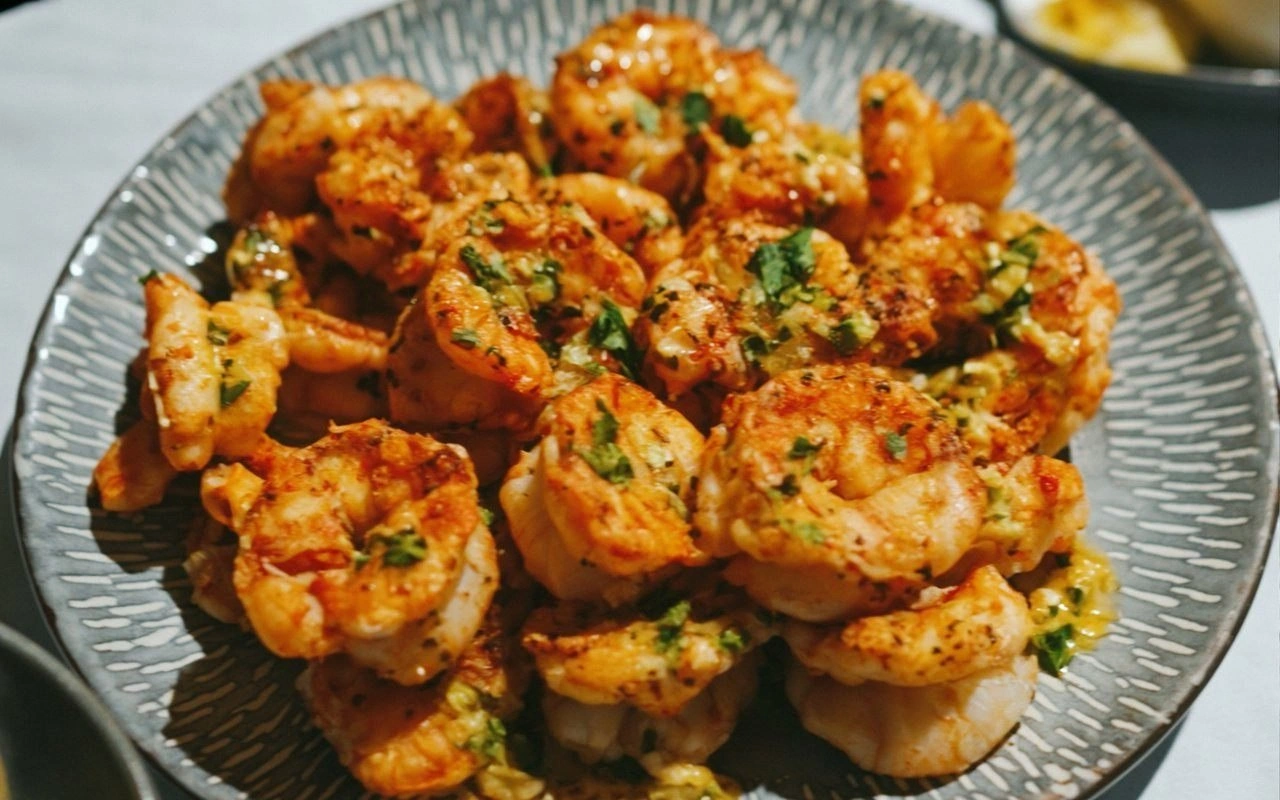
The Method — Step by Step
- Prep the Shrimp: Pat the shrimp dry with paper towels. A dry surface is crucial for a good sear; moisture will steam them instead of sear. Sprinkle the shrimp with paprika, garlic powder, a pinch of salt, and black pepper. Toss them gently to coat evenly, then set aside while you heat the pan.
- Heat the Skillet: Place a cast‑iron skillet over medium‑high heat and add 2 tablespoons of olive oil. Let the oil shimmer but not smoke—this indicates the pan is hot enough. If the oil starts to brown, lower the heat slightly to avoid burning.
- Sear the Shrimp: Add the shrimp in a single layer. Avoid overcrowding; you want a crisp edge. Cook for 1–2 minutes on each side until they turn pink and a golden crust forms. The internal temperature should hit 120°F for perfect doneness. Flip them with tongs for a quick, even sear.
- Set Aside: Transfer the shrimp to a plate and cover loosely with foil to keep them warm. This step is essential—shrimp can overcook quickly if left in the pan for too long.
- Make the Sauce: In the same skillet, add 1 teaspoon of olive oil. Toss in 4–5 cloves of minced garlic, and sauté for about 30 seconds until fragrant. The garlic should be golden, not browned, to avoid bitterness.
- Deglaze: Add a splash of lemon juice (about 2 tablespoons) and a teaspoon of Dijon mustard to the pan. Scrape the browned bits off the bottom; these carry flavor. The mixture should bubble lightly; this is the moment of truth.
- Butter it Up: Reduce heat to low and whisk in 6 tablespoons of unsalted butter, one tablespoon at a time. The sauce will thicken and become glossy. Stir constantly to prevent the butter from separating.
- Finish the Shrimp: Return the shrimp to the skillet, tossing them in the sauce. Add a pinch of chili flakes and ½ teaspoon of dried oregano. Cook for an additional 30 seconds to allow the shrimp to absorb the flavors.
- Garnish: Remove the skillet from heat. Sprinkle 1/3 cup of chopped fresh parsley over the shrimp, then squeeze the juice of one large lemon onto the top. The acidity brightens the dish and balances the butter’s richness.
- Serve: Plate immediately over a bed of steamed rice, pasta, or sautéed greens. The sauce should coat the shrimp like velvet, leaving a lingering, savory aftertaste that will keep you coming back for more.
That's it — you did it. But hold on, I've got a few more tricks that'll take this to another level…
Insider Tricks for Flawless Results
The Temperature Rule Nobody Follows
Many cooks over‑cook shrimp by cooking at too low a temperature, resulting in rubbery texture. The trick is to start with a high heat, then quickly reduce to medium‑low once the shrimp are seared. This preserves the shrimp’s natural juiciness while still allowing the sauce to develop its buttery richness.
Why Your Nose Knows Best
Your nose is the ultimate judge of doneness. As the shrimp cooks, they’ll emit a sweet, slightly sweet aroma. When the smell turns sharp and metallic, it’s time to remove them. Trusting your senses ensures you never over‑cook this delicate seafood.
The 5‑Minute Rest That Changes Everything
Letting the shrimp rest for a short 5‑minute period after cooking allows the juices to redistribute. This means each bite is moist and flavorful, not dry or uneven. It also gives the sauce time to thicken slightly, creating a more cohesive coating.
Balance the Heat
The chili flakes add a subtle heat that complements the butter and lemon. If you prefer a milder version, reduce the chili flakes to a quarter teaspoon or omit them entirely. The dish remains deliciously balanced without the heat.
Fresh vs. Dried Herbs
Using fresh parsley at the finish introduces a bright, green note that cuts through the richness. Dried oregano, on the other hand, delivers a deeper, earthier flavor that grounds the dish. Combining both creates a layered herb profile that’s both complex and satisfying.
Creative Twists and Variations
This recipe is a playground. Here are some of my favorite ways to switch things up:
Spicy Cajun Shrimp
Replace the paprika with a Cajun spice blend and double the chili flakes. Serve over a bed of creamy grits for a Southern twist that packs a punch.
Herb‑Infused Coconut Shrimp
Swap the butter for coconut milk and add a pinch of curry powder. The coconut adds a subtle sweetness, while the curry gives a warm, aromatic finish.
Asian‑Inspired Shrimp
Use sesame oil instead of olive oil, add a splash of soy sauce, and finish with a drizzle of sriracha. Serve over jasmine rice for a quick, flavor‑rich meal.
Vegetarian Shrimp Substitute
Use large shrimp‑sized scallops or firm tofu cubes. The cooking method stays the same, but the flavor profile shifts to a more mild, buttery taste.
Garnish‑Rich Shrimp
Top the finished dish with toasted pine nuts, a sprinkle of capers, and a drizzle of lemon‑caper sauce. These additions bring texture and a briny contrast that elevates the dish.
Storing and Bringing It Back to Life
Fridge Storage
Cool the shrimp and sauce completely before transferring to an airtight container. Store in the refrigerator for up to 2 days. The butter sauce may thicken, but it will re‑soften when reheated.
Freezer Friendly
Separate the shrimp from the sauce before freezing. Freeze shrimp in a single layer on a parchment‑lined tray, then transfer to a freezer bag. The sauce can be stored separately and thawed in the fridge overnight.
Best Reheating Method
Reheat the shrimp and sauce in a skillet over medium heat. Add a splash of water or chicken broth to loosen the sauce and prevent it from drying out. The shrimp should be heated through in 2–3 minutes.