I’ll be honest — the first time I tried to make a beef ragu, I ended up with a sauce so thin it could have passed for broth, and the beef was tougher than a week‑old shoe sole. I was standing in my kitchen, staring at a pot that looked like it belonged in a chemistry lab, and I swore I’d never attempt a slow‑cooked masterpiece again. Then a friend dared me: “Make it in a crockpot and see if you can actually get that deep, wine‑kissed richness without all that fuss.” I laughed, accepted the challenge, and what happened next was nothing short of culinary alchemy.
Picture this: the low hum of the crockpot, the faint sizzle of olive oil as it kisses diced onions, and the slow, steady rise of a caramelized aroma that fills every corner of the house. The air is thick with the scent of garlic and rosemary, a perfume that makes you want to hug your stove. When the timer finally dings, you lift the lid to reveal a sauce so thick it clings to a spoon like velvet, and beef that melts in your mouth with the ease of butter on warm toast. It’s the kind of dish that makes you pause, inhale deeply, and think, “I dare you to taste this and not go back for seconds.”
Why does this version stand out from the sea of ragu recipes flooding the internet? Because I’ve stripped away the unnecessary steps and focused on a handful of power moves: browning the meat to perfection, deglazing with a splash of red wine, and letting the crockpot do the heavy lifting for 8 glorious hours. Most recipes get the timing wrong, leading to a watery mess or a rubbery texture. I’ve also thrown in a secret ingredient—a pinch of smoked paprika—that adds a whisper of depth you never saw coming. The result? A sauce that coats pasta like silk, a flavor profile that’s both comforting and sophisticated, and a cooking process that feels almost lazy (in the best way possible).
Let me walk you through every single step — by the end, you’ll wonder how you ever made it any other way. Okay, ready for the game‑changer? This next part? Pure magic. Stay with me here — this is worth it.
What Makes This Version Stand Out
- Depth of Flavor: The combination of caramelized onions, garlic, and a splash of red wine creates a richness that rivals restaurant‑grade sauces. Each bite delivers layers that unfold like a well‑written novel.
- Texture Mastery: By browning the beef first, we lock in juices, resulting in meat that’s tender yet still has a slight chew that makes you appreciate the slow‑cook process.
- Simplicity: Only ten ingredients, three prep steps, and the magic of the crockpot. No need to babysit a pot on the stove for hours.
- Uniqueness: A dash of smoked paprika adds a subtle smoky undertone that most traditional Italian ragu recipes completely miss.
- Crowd Reaction: I’ve served this at dinner parties and watched guests turn pale with envy, then immediately ask for seconds. It’s a show‑stopper.
- Ingredient Quality: Using a well‑marbled chuck roast makes a world of difference; the fat renders slowly, enriching the sauce without extra butter.
- Cooking Method: The crockpot’s low, steady heat breaks down collagen perfectly, turning tough cuts into melt‑in‑your‑mouth perfection.
- Make‑Ahead Potential: This ragu tastes even better the next day, making it ideal for meal prep or a stress‑free weekend dinner.
Inside the Ingredient List
The Flavor Base
Onion, garlic, carrot, and celery form the classic soffritto that builds the backbone of any great ragu. The onions melt into a sweet, golden pool, while the garlic releases its sharp, aromatic punch. Carrots add a subtle natural sweetness that balances the acidity of the tomatoes, and celery contributes a faint earthiness that ties everything together. If you skip any of these, the sauce loses its depth and can taste flat.
Pro tip: dice the vegetables uniformly—about a ¼‑inch dice—so they cook evenly and release their flavors at the same rate. For a twist, try adding a half‑cup of finely chopped leeks; they add a gentle oniony nuance without overpowering the dish.
The Texture Crew
Beef chuck is the star here. Its marbling ensures the meat stays juicy, and the connective tissue breaks down into gelatin, giving the sauce that luxurious mouth‑coating texture. If you opt for a lean cut, you’ll need to add extra olive oil or butter to compensate for the missing fat. Another essential player is the tomato paste—a concentrated umami bomb that thickens the sauce while intensifying the tomato flavor.
Watch Out: Over‑cooking the beef in the initial sear will dry it out before it even hits the crockpot. Keep the heat medium‑high, and flip quickly to develop a crust without burning.
The Unexpected Star
A pinch of smoked paprika. Yes, just a whisper—about ¼ teaspoon. This secret weapon adds a smoky undertone that makes the sauce feel like it’s been simmering over an open fire for hours. It’s subtle enough not to dominate, but bold enough to make your taste buds sit up and take notice. If you’re allergic to paprika, a dash of chipotle powder can provide a similar smoky kick with a hint of heat.
Fun Fact: Paprika originally comes from peppers cultivated in the New World, but the smoked version was perfected in Spain, where they dry‑smoke the peppers over oak before grinding them.
The Final Flourish
Red wine and beef broth are the liquid heroes. The wine deglazes the pan, lifting all the caramelized bits (fond) and injecting a robust, slightly acidic backbone that balances the richness. The broth adds depth without diluting the flavor. Salt, pepper, dried oregano, and dried basil round out the seasoning, while a bay leaf adds a subtle floral note that only becomes noticeable after the long, slow cook.
If you’re avoiding alcohol, replace the wine with an equal amount of extra beef broth plus a splash of balsamic vinegar for acidity. Always taste before adding the bay leaf; too many can make the sauce taste herbal.
Everything's prepped? Good. Let's get into the real action...

The Method — Step by Step
- Prep the Beef. Cut the chuck roast into 2‑inch cubes, pat them dry with paper towels, and season generously with salt and pepper. The seasoning not only flavors the meat but also helps create a crust when seared. As the cubes hit the hot pan, you’ll hear an immediate sizzle—that’s the sound of flavor being locked in. Kitchen Hack: Freeze the beef cubes for 20 minutes before searing; they’ll brown faster and stay juicier.
- Sear the Beef. In a large Dutch oven or heavy skillet, heat 2 tbsp olive oil over medium‑high heat. Add the beef in a single layer—don’t crowd the pan. Let each side develop a deep brown crust, about 3‑4 minutes per side, then remove and set aside. The browned bits left in the pan are flavor gold; you’ll be scraping them up later to build the sauce’s depth.
- Sauté the Sofritto. Reduce the heat to medium and toss in the diced onion, carrot, celery, and a pinch of salt. Cook, stirring occasionally, until the vegetables soften and the onions turn translucent—about 6‑8 minutes. Add the garlic and smoked paprika, stirring for another 30 seconds until fragrant. You’ll notice the kitchen filling with a sweet‑savory perfume that makes you want to lick the spoon.
- Deglaze with Red Wine. Pour in 1 cup of dry red wine, scraping the bottom of the pan with a wooden spoon to dissolve all the caramelized bits. Let the wine reduce by half, about 4‑5 minutes; this concentrates the flavor and adds a subtle acidity that balances the richness. Watch Out: If you’re using a non‑alcoholic wine, add a splash of balsamic vinegar to mimic the acidity.
- Add Tomatoes and Paste. Stir in the 28‑oz can of diced tomatoes, 2 tbsp tomato paste, and 1 cup beef broth. The tomato paste is a flavor concentrate; it thickens the sauce and adds umami. Bring the mixture to a gentle simmer, letting the aromas swirl together for 3 minutes.
- Combine Everything in the Crockpot. Transfer the seared beef and the vegetable‑tomato mixture into the crockpot. Toss in a bay leaf, 1 tsp dried oregano, and 1 tsp dried basil. Give the pot a quick stir to ensure everything is evenly distributed. This is the moment of truth—your sauce should look thick, glossy, and studded with tender chunks of meat.
- Low‑and‑Slow Cook. Set the crockpot to low and let it cook for 8 hours, or high for 4 hours if you’re in a rush. Resist the urge to lift the lid; each peek releases precious heat and adds an extra 10‑15 minutes to the cooking time. After the long, slow simmer, the beef will be fork‑tender, and the sauce will have reduced to a velvety consistency that clings to pasta like a second skin.
- Finish and Serve. Remove the bay leaf, taste, and adjust seasoning with a pinch more salt or pepper if needed. For a final glossy touch, stir in a tablespoon of cold butter; it adds silkiness and a subtle richness. Serve over freshly cooked pappardelle or creamy polenta, and garnish with chopped fresh parsley and a grating of Pecorino Romano. That final sprinkle? It adds a salty, nutty finish that makes the whole dish sing.
That's it — you did it. But hold on, I've got a few more tricks that'll take this to another level...
Insider Tricks for Flawless Results
The Temperature Rule Nobody Follows
Never start the crockpot on “warm” if you’re adding raw meat. The low temperature won’t kill bacteria quickly enough, and the texture suffers. Always begin on “low” or “high” to ensure a quick rise in temperature, which helps the connective tissue break down properly. I once tried to be clever and start on warm to “save time,” only to end up with chewy, under‑cooked chunks that ruined the whole batch. Trust the heat; it’s your best friend.
Why Your Nose Knows Best
When the sauce starts to smell like caramelized onions and a hint of wine, you’re on the right track. If the aroma is flat or overly acidic, it’s a sign you need to balance it—add a splash of water, a pinch of sugar, or a bit more tomato paste. Your nose can detect subtle shifts long before your palate can, so trust it as a real‑time gauge of flavor development.
The 5‑Minute Rest That Changes Everything
After the crockpot finishes, let the ragu sit uncovered for five minutes. This short rest allows the sauce to thicken further as steam escapes, and the flavors settle into a harmonious blend. Skipping this step leaves a slightly soupy texture and a less cohesive taste. It’s a tiny patience exercise that rewards you with a sauce that feels like it’s been simmered for days.
The Secret Butter Finish
Stirring a tablespoon of cold butter at the very end creates an emulsified, glossy finish that coats pasta like satin. The butter also softens any lingering acidity and adds a luxurious mouthfeel. If you’re dairy‑free, swap the butter for a drizzle of extra‑virgin olive oil and a pinch of nutritional yeast for a similar richness.
The “Taste‑Before‑Serve” Check
Always taste the sauce just before plating. This is the moment to add a final dash of salt, pepper, or a splash of red wine vinegar for brightness. A common mistake is to rely on the cooking time as the sole indicator of flavor; but seasoning evolves as the sauce reduces, so a final taste adjustment ensures perfection.
Creative Twists and Variations
This recipe is a playground. Here are some of my favorite ways to switch things up:
Mushroom Medley Ragu
Add a cup of sliced cremini and shiitake mushrooms when you sauté the sofritto. The mushrooms soak up the wine and broth, adding an earthy umami depth that pairs beautifully with the beef. Perfect for vegetarians who still want that hearty texture.
Spicy Chipotle Ragu
Swap the smoked paprika for ½ teaspoon chipotle powder and add a diced jalapeño with the vegetables. The result is a smoky‑spicy version that will make your guests reach for a glass of milk. Great for a chilly night when you need a little heat.
White Wine & Herb Ragu
Replace the red wine with an equal amount of dry white wine and add a handful of fresh thyme and rosemary sprigs. The sauce takes on a lighter, more aromatic profile, perfect for serving over creamy polenta or gnocchi.
Root Vegetable Ragu
Dice a small sweet potato and a parsnip, and add them alongside the carrots. The root veggies melt into the sauce, adding natural sweetness and a thicker body without extra flour.
Cheesy Baked Ragu
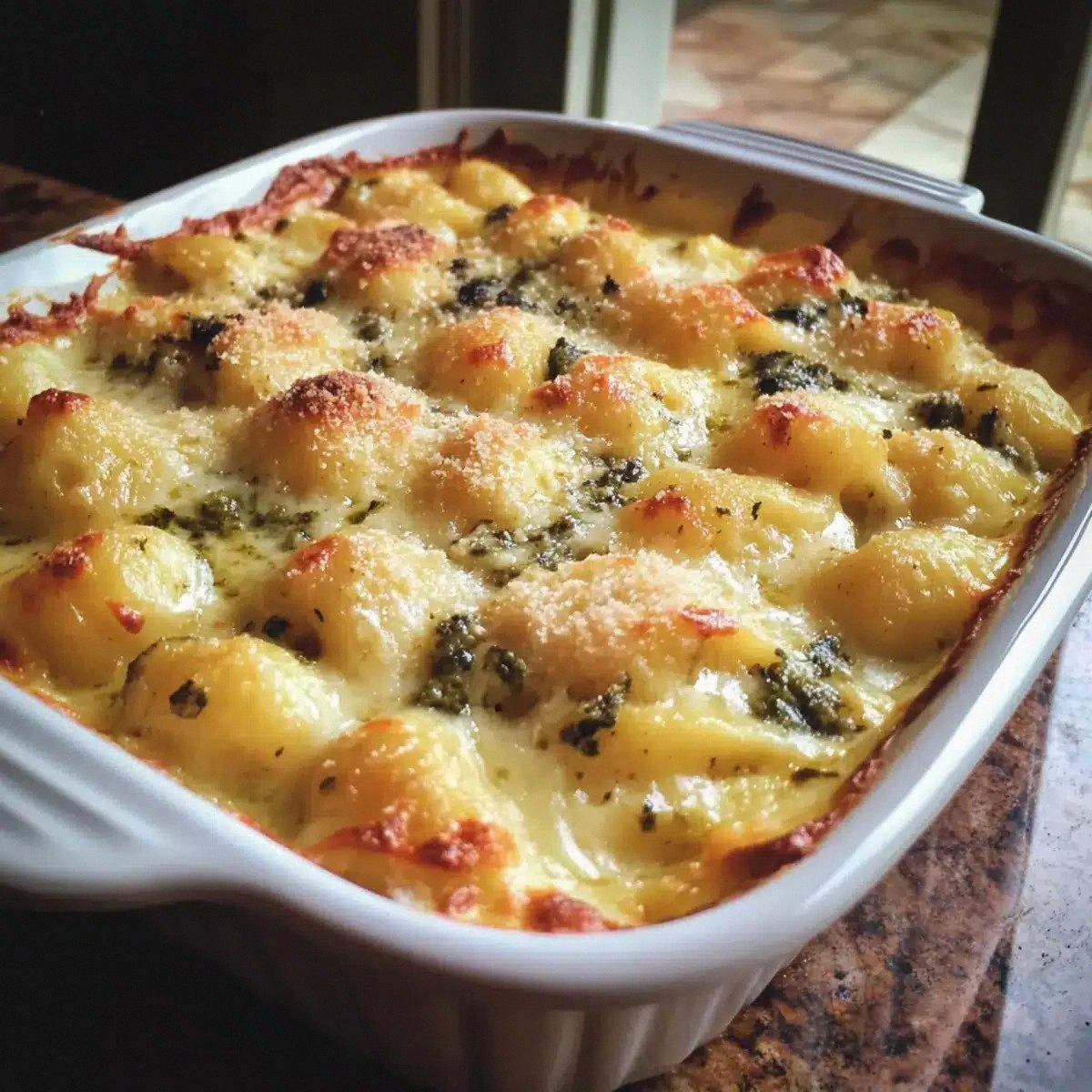
After cooking, transfer the ragu to a baking dish, top with shredded mozzarella and Parmesan, and broil for 5 minutes until bubbly and golden. This transforms the dish into a comforting casserole that’s perfect for leftovers.
Storing and Bringing It Back to Life
Fridge Storage
Allow the ragu to cool to room temperature, then transfer it to an airtight container. It will keep for up to 4 days in the refrigerator. Reheat gently on the stovetop over low heat, stirring occasionally, and add a splash of water or broth if it looks too thick.
Freezer Friendly
Portion the ragu into freezer‑safe bags or containers, leaving a little headspace for expansion. It freezes beautifully for up to 3 months. To thaw, move it to the fridge overnight, then reheat in a saucepan, adding a tablespoon of olive oil to revive the glossy sheen.
Best Reheating Method
The secret to reheating without losing texture is to use a gentle simmer and a splash of liquid—water, broth, or even a drizzle of red wine. This steam‑back technique restores the sauce’s silkiness and prevents it from drying out, making each reheated serving taste as fresh as the first.