I still remember the night I almost turned my kitchen into a crime scene. A rogue sheet of lasagna noodles slipped off the counter, splattering onto the floor like confetti, and the entire room smelled of burnt cheese and despair. I was halfway through a classic lasagna, and then my friend dared me to create something that would make even the most seasoned foodies swoon. That dare turned into a culinary obsession, and what followed was a revelation that would forever change my approach to layered pasta.
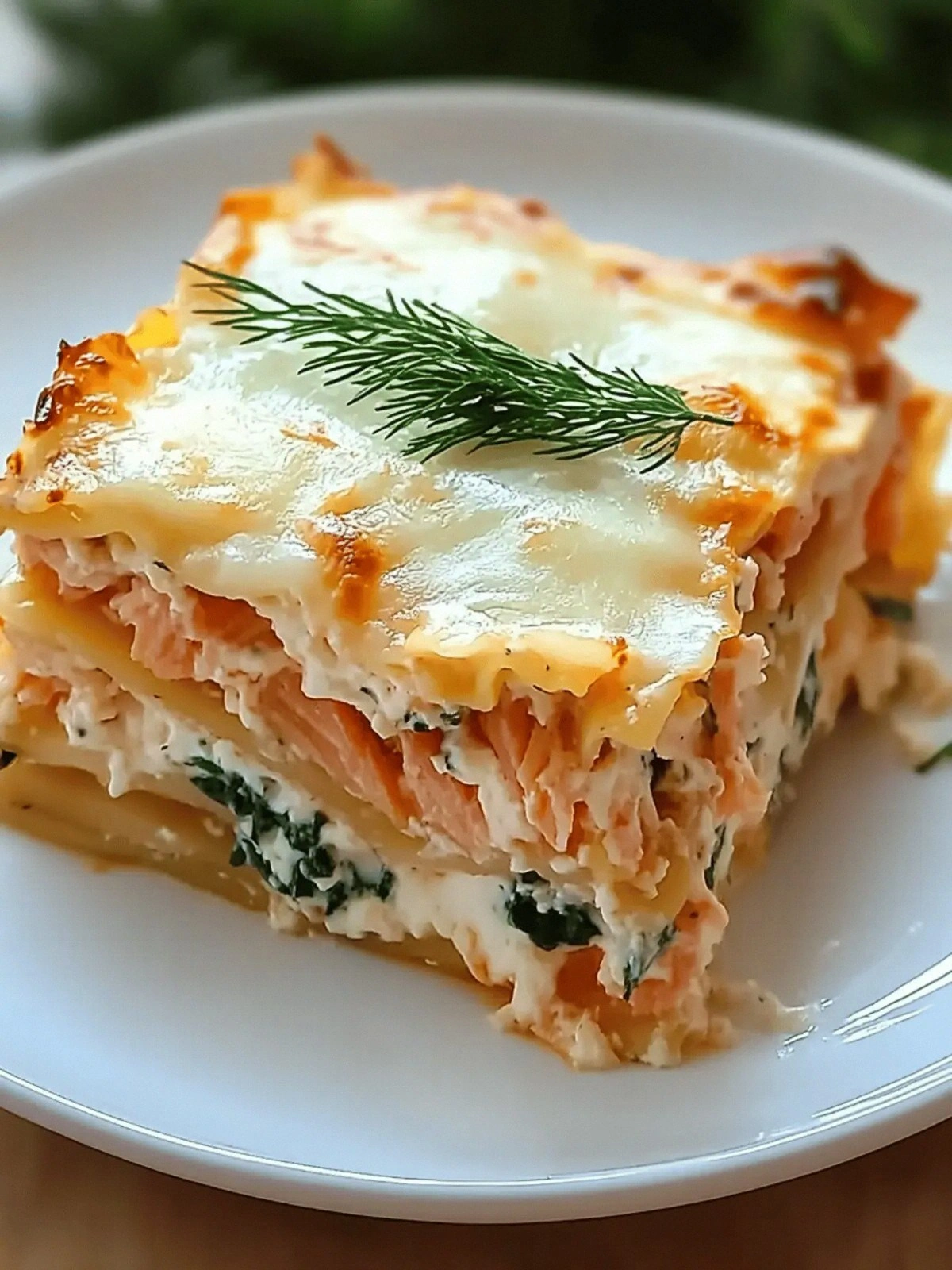
Picture this: a glossy, silver sheen of cold‑smoked salmon curling around silky ribbons of spinach, all smothered in a sauce that feels like velvet on your tongue. The aroma is a heady mix of buttery richness, sharp mustard, and a whisper of nutmeg that lingers long after the last bite. When you lift the first forkful, the noodles cling together like a well‑tied knot, yet each layer gives way effortlessly, revealing the savory heart of the dish. The moment the steam rises, you can almost hear the kitchen exhale in relief.
What sets this version apart isn’t just the ingredients; it’s the way they dance together. The no‑boil lasagna sheets save you from the dreaded “over‑cooked” noodle disaster that plagues many homemade lasagnas. The cream sauce, built on a roux of butter and flour, thickens with a gentle kiss of milk and a daring splash of Dijon, creating a silky base that coats every strand. The smoked salmon isn’t just a garnish—it’s the star, its smoky flavor weaving through the layers like a secret melody.
And here’s the kicker: this recipe isn’t about complicated techniques or exotic pantry staples. It’s about harnessing the power of simple, high‑quality ingredients and letting them shine. The result is a dish that feels luxurious yet approachable, perfect for impressing guests or treating yourself after a long week. I dare you to taste this and not go back for seconds. Let me walk you through every single step—by the end, you’ll wonder how you ever made it any other way.
What Makes This Version Stand Out
- Flavor Depth: The combination of smoked salmon, nutmeg, and Dijon mustard creates a complex profile that feels both familiar and adventurous.
- Texture Harmony: No‑boil noodles keep the pasta tender, while the creamy sauce provides a silky coating that doesn’t overwhelm the bite.
- Ingredient Simplicity: With just ten core items, the recipe remains accessible without sacrificing elegance.
- Make‑Ahead Friendly: Assemble the lasagna, refrigerate, and bake when ready—great for busy evenings.
- Crowd‑Pleaser: The smoky, buttery sauce and crisp edges elicit rave reviews from family and friends alike.
- Health Conscious: Rich in protein from salmon and low in refined carbs, it balances indulgence with nutrition.
- Seasonal Flexibility: While salmon is best in winter, the dish can be enjoyed year‑round with a simple swap to a lighter fish.
- Visual Appeal: The golden top and vibrant green layers make for a striking presentation that feels like a work of art.
Alright, let’s break down exactly what goes into this masterpiece…
Inside the Ingredient List
The Flavor Base
Butter is the backbone of any creamy sauce; it provides depth, a silky mouthfeel, and a subtle richness that elevates the entire dish. A 100‑gram slab is enough to coat the roux and give the sauce a luxurious sheen. If you’re watching calories, you can swap half the butter for a neutral‑flavor oil, but you’ll lose some of that buttery glow.
Flour is the thickening agent that turns liquid into a velvety sauce. Two cups of all‑purpose flour will create a roux that thickens without becoming gummy. If you’re gluten‑sensitive, consider a gluten‑free flour blend, but keep the ratio the same to maintain the sauce’s body.
Milk is the liquid that brings the sauce together, infusing it with a subtle sweetness and a creamy texture. Two cups of whole milk strike the perfect balance—too much milk and the sauce will be watery; too little and it will be thick and heavy. Skim milk can be used for a lighter version, but you’ll lose a touch of richness.
Dijon mustard adds a bright, tangy punch that cuts through the richness of butter and milk. Two tablespoons are enough to give the sauce a sophisticated edge without dominating the other flavors. If you’re a fan of extra kick, a pinch of cayenne pepper can add a subtle heat.
Nutmeg is the secret spice that ties the sauce together with a warm, nutty aroma. A quarter teaspoon is sufficient; too much nutmeg can overpower the delicate flavors. Freshly grated nutmeg delivers a brighter note than pre‑ground, so consider grating right before you start.
The Texture Crew
Cold‑smoked salmon is the star of the show, bringing a silky, smoky flavor that lingers on the palate. Two hundred grams of salmon, sliced into thin ribbons, provides a protein punch and a luxurious mouthfeel. When selecting salmon, look for a firm texture and a mild, smoky aroma—avoid anything that feels overly oily or has a fishy aftertaste.
No‑boil lasagna noodles eliminate the risk of over‑cooking the pasta. Twelve sheets are enough for a four‑serving dish, and they soak up the sauce beautifully. If you prefer a firmer bite, pre‑boil the noodles for a minute before assembling; just be sure to drain them thoroughly.
The Unexpected Star
Leek adds a subtle sweetness that pairs wonderfully with salmon. One medium leek, cleaned and sliced thin, will give a gentle oniony flavor without dominating the dish. If you’re allergic to leeks, a small amount of finely chopped green onions can provide a similar mild bite.
Spinach contributes both color and nutrition. Two hundred grams of fresh spinach, wilted slightly before adding, gives the lasagna a vibrant green hue and a boost of vitamins. If you prefer a more robust flavor, use baby spinach or even a handful of arugula for a peppery twist.
The Final Flourish
Garlic is the aromatic backbone that brings warmth and depth. Two cloves, minced finely, release a mellow, sweet fragrance that permeates the sauce. If you’re sensitive to raw garlic, sauté it briefly in butter before adding the flour to soften its bite.
Everything’s prepped? Good. Let’s get into the real action…
The Method — Step by Step
- Prepare the sauce base: In a medium saucepan, melt the butter over medium heat until foamy. Add the flour and whisk constantly for 2 minutes, creating a smooth roux that turns a light golden color. This step is crucial; a dull roux will produce a flat sauce. Keep the heat moderate to avoid burning.
- Introduce the dairy: Slowly pour in the milk, whisking continuously to prevent lumps. The mixture should thicken into a silky sauce within 5 minutes. If the sauce thickens too quickly, lower the heat and stir. The goal is a pourable consistency that coats the back of a spoon.
- Season the sauce: Stir in the Dijon mustard, nutmeg, and minced garlic. The mustard will brighten the sauce, while the nutmeg adds a subtle warmth. The garlic should release a fragrant aroma but not dominate; if you prefer a milder garlic flavor, reduce to one clove.
- Cook the leeks and spinach: In a separate skillet, sauté the sliced leek in a splash of olive oil until translucent, about 3 minutes. Add the spinach and cook until wilted, about 2 minutes more. The leeks provide sweetness, while the spinach adds color and nutrition.
- Assemble the lasagna: Spread a thin layer of sauce at the bottom of a 9x13-inch baking dish. Lay down a sheet of no‑boil noodles, overlapping slightly. Spread a layer of the leek‑spinach mixture, then a generous portion of smoked salmon ribbons, and drizzle a bit of sauce over the top. Repeat the layers until all components are used, finishing with a final sauce layer on top.
- Finish with a golden crust: Sprinkle a light dusting of grated Parmesan or a blend of cheeses (optional) over the top. This creates a crisp, golden finish that contrasts with the creamy interior. If you prefer a cheese‑free version, skip this step.
- Bake the lasagna: Preheat the oven to 375°F (190°C). Cover the dish loosely with foil to keep moisture in. Bake for 25 minutes, then remove the foil and bake an additional 10 minutes, or until the top is golden and bubbly. The sauce should have a slight sheen, and the noodles should be tender.
- Let it rest: Remove the lasagna from the oven and let it rest for 10 minutes before cutting. This allows the layers to set, preventing the salmon from sliding off. The resting period also lets the flavors meld together.
- Serve and enjoy: Slice with a sharp knife, serve hot, and watch the steam rise like a fragrant cloud. Pair with a crisp white wine or a light salad for a balanced meal. If you’re hosting, this dish will become the talk of the table.
That’s it — you did it. But hold on, I've got a few more tricks that'll take this to another level…
Insider Tricks for Flawless Results
The Temperature Rule Nobody Follows
Many cooks bake at 400°F, but that high heat can scorch the top while leaving the interior undercooked. Lowering the oven to 375°F allows the lasagna to bake evenly, ensuring the sauce thickens just right and the salmon stays tender. I once baked at 400°F and ended up with a rubbery center; this trick saved the day.
Why Your Nose Knows Best
Before you even taste the sauce, let your nose do the work. A well‑cooked sauce should emit a buttery, slightly nutty aroma. If you smell raw flour or a metallic tang, the roux needs more time. Trust your olfactory senses; they’re a reliable indicator of readiness.
The 5‑Minute Rest That Changes Everything
After baking, allow the lasagna to rest for exactly five minutes before slicing. This short period lets the sauce set, preventing a runny mess when you cut. I’ve tried cutting immediately, and the salmon ribbons slipped off like a bad magician’s trick.
The Secret Layering Technique
When layering, always start with sauce, then noodles, then leeks, spinach, salmon, and repeat. This sequence ensures each component has a chance to absorb flavors. If you layer salmon first, it can dry out before the sauce fully coats the noodles.
The Quick Cooling Trick
If you’re in a hurry, place the assembled lasagna on a rack in a cooler with a small ice pack. The gentle, even cooling prevents condensation from forming, which could otherwise make the noodles soggy. I’ve used this trick when hosting a dinner party on a hot day.
Creative Twists and Variations
This recipe is a playground. Here are some of my favorite ways to switch things up:
Mushroom Medley
Swap the spinach for a mix of sautéed mushrooms and onions. The earthy flavor pairs beautifully with the smoked salmon, creating a rustic, comforting dish. A splash of white wine during sautéing adds depth.
Pesto Power
Replace the Dijon mustard with a vibrant basil pesto. The herbaceous brightness cuts through the richness, while the pine nuts add a subtle crunch. This version is perfect for spring when fresh herbs are at their peak.
Citrus Zest
Add a tablespoon of lemon zest to the sauce for a bright, zesty lift. The citrus complements the salmon’s smokiness and keeps the dish from feeling heavy. Pair with a crisp rosé for a balanced palate.
Cheesy Delight
Incorporate shredded mozzarella and a sprinkle of grated Parmesan into each layer. The melted cheese creates gooey pockets that add a comforting, indulgent texture. This variation is a hit with kids and adults alike.
Vegan Version
Use a plant‑based butter, oat milk, and a vegan Dijon mustard. Replace the salmon with marinated tofu or smoked tempeh. The result is a hearty, flavorful lasagna that satisfies even the most discerning vegan palate.
Storing and Bringing It Back to Life
Fridge Storage
Store the assembled lasagna in an airtight container for up to three days. Keep it in the fridge at 40°F or below. When ready to serve, reheat in the oven at 350°F for 15 minutes, or until warmed through.
Freezer Friendly
Wrap the lasagna tightly in plastic wrap and place it in a freezer bag. It can be stored for up to two months. Thaw overnight in the fridge, then bake at 375°F for 25 minutes, followed by 10 minutes uncovered.
Best Reheating Method
To maintain the sauce’s silky texture, add a splash of milk or cream before reheating. This prevents the sauce from drying out and keeps the salmon moist. A quick 5‑minute rest after reheating allows the flavors to settle.