I was standing in my kitchen, staring at an abandoned chocolate chip cookie sheet, feeling like a culinary failure. The oven was still warm from last night's dinner, and the scent of vanilla and cocoa lingered like a promise that never came true. I had tried every cookie recipe in the book, but each one seemed to demand a level of precision that made my kitchen feel like a science lab. I was ready to throw the batter into the fridge and call it a day, when a friend texted, “I dare you to make a no‑bake chocolate protein cookie that actually tastes like a real cookie.”
The kitchen lights hummed softly as I pulled out the ingredients, and the air filled with the sweet, nutty aroma of almond butter and the faint, earthy undertone of cocoa powder. My fingers tingled with excitement as I measured half a cup of protein powder, a half cup of coconut flour, and a tablespoon of almond milk—no oven, no heat, just pure flavor. The texture of the coconut flour felt almost like a whisper, promising a chewy bite that would hold together without a single crumb. The moment the chocolate chips clinked into the bowl, the kitchen seemed to breathe in anticipation.
What sets this recipe apart is that it turns a protein‑packed batter into a cookie that feels indulgent, yet stays on the lighter side. The protein powder gives it a dense, satisfying bite that keeps you full longer, while the coconut flour keeps it gluten‑free and adds a subtle tropical note. The almond butter brings a creamy richness that mimics the mouthfeel of a classic chocolate cookie without the added sugar or fat. And because it’s no‑bake, the entire process is less than ten minutes from start to finish—perfect for a midnight snack or a post‑workout treat.
There’s a twist that most cookie recipes overlook: the use of unsweetened almond milk to bind everything together, giving the dough a silky smoothness that’s almost impossible to resist. The final touch is a dash of vanilla extract, which lifts the chocolate flavor to a whole new level. If you’re wondering what happens when you combine these ingredients, imagine a velvety chocolate mousse that has the chew of a cookie. Let me walk you through every single step—by the end, you’ll wonder how you ever made it any other way.
What Makes This Version Stand Out
- Taste: The chocolate flavor is deep and authentic, thanks to real cocoa powder and a generous splash of vanilla. It’s sweet enough to satisfy a craving but not so sugary that you feel guilty afterward.
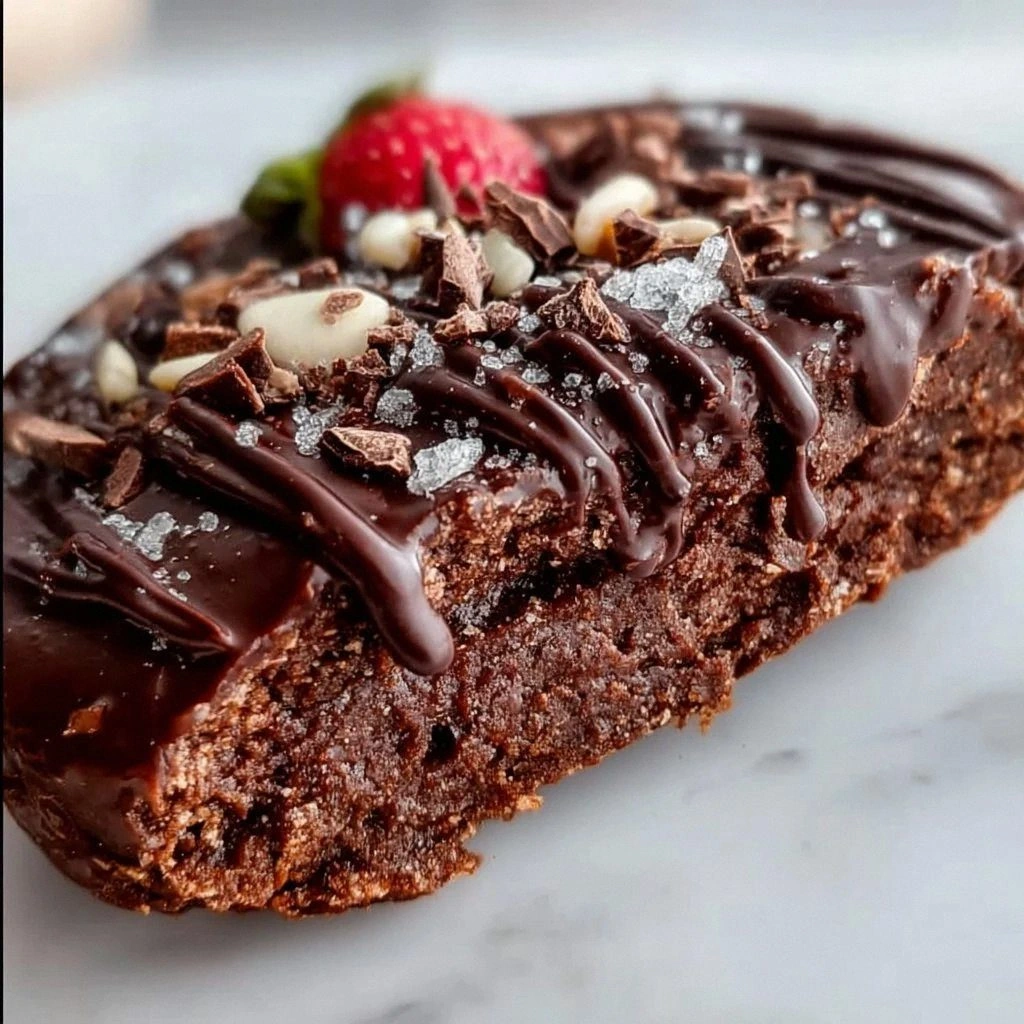
- Texture: The dough holds together like a soft brownie, not a dry cookie. The coconut flour gives a subtle chew, while the almond butter keeps it moist.
- Simplicity: No oven, no baking sheet, no measuring cups beyond the basics. Just mix, chill, and serve.
- Uniqueness: Protein powder as the base gives it a healthful twist that most cookie recipes lack. It’s a snack that can double as a post‑workout recovery treat.
- Crowd Reaction: Friends who tried it said, “I never thought a no‑bake cookie could taste so good.” It’s the kind of dish that turns heads at gatherings.
- Ingredient Quality: Each component is chosen for its flavor and functional properties—protein powder for structure, coconut flour for binding, almond butter for fat and flavor.
- Cooking Method: The entire process takes less than ten minutes, making it ideal for busy days.
- Make‑Ahead Potential: Chill the dough, shape into cookies, and store in the fridge for up to five days. It’s a convenient grab‑and‑go option.
Alright, let's break down exactly what goes into this masterpiece…
Inside the Ingredient List
The Protein Base
Half a cup of chocolate protein powder is the star of this recipe. It not only provides the bulk of the protein content but also contributes a subtle chocolate flavor that is far superior to the artificial chocolate chips found in many snack bars. If you’re a vegan, feel free to swap in a plant‑based protein powder—just make sure it’s chocolate‑flavored to maintain the profile. Skipping the protein powder would transform this into a regular cookie, losing that satisfying post‑workout bite.
The Texture Crew
Quarter cup of coconut flour binds the dough together, thanks to its high fiber content that absorbs liquid and holds the structure. Coconut flour also imparts a light, tropical undertone that balances the richness of the almond butter. If coconut flour isn’t in your pantry, almond flour is a close substitute, but the cookies may become slightly denser. The almond butter—just two teaspoons—adds healthy fats and a creamy mouthfeel that mimics the mouthfeel of butter in classic chocolate cookies. It also helps the dough stay moist during storage.
The Unexpected Star
Three tablespoons of unsweetened almond milk is the liquid that brings everything together. It’s subtle enough not to overpower the chocolate flavor but essential for a cohesive dough. If you prefer a dairy alternative, oat milk works well, but keep an eye on the consistency; oat milk is slightly thicker and may require a splash of water to achieve the right texture. The vanilla extract—half a teaspoon—acts as a flavor enhancer, elevating the chocolate notes and adding a fragrant warmth.
The Final Flourish
One teaspoon of chocolate chips is the sweet finish that gives each cookie a burst of real chocolate. For a healthier option, choose sugar‑free or dark chocolate chips. The chips also add a pleasant visual contrast, making the cookies look more appetizing. If you’re feeling adventurous, sprinkle a pinch of sea salt on top before chilling; it cuts through the sweetness and balances the flavors.
Everything's prepped? Good. Let's get into the real action…
The Method — Step by Step
- In a medium bowl, combine the chocolate protein powder, coconut flour, and cocoa powder. Stir until the dry ingredients are evenly distributed; this prevents lumps and ensures a uniform chocolate flavor. The mixture should look like fine dust, ready to absorb liquid.
- Add the almond butter and vanilla extract to the dry mix. Use a whisk or fork to blend the ingredients until the almond butter is fully incorporated. The dough will be thick and slightly sticky—this is normal.
- Pour the unsweetened almond milk in small increments, mixing after each addition. The goal is a dough that holds together when pressed but isn’t overly wet. If the dough feels too dry, add a teaspoon of almond milk at a time until the desired consistency is reached.
- Fold in the chocolate chips gently so they’re evenly distributed without crushing them. The chips should be visible throughout the dough, giving each bite a chocolate burst.
- Cover the bowl with plastic wrap and chill in the refrigerator for at least 30 minutes. Chilling firms the dough, making it easier to shape and preventing the cookies from spreading when served.
- Remove the dough from the fridge and, using a tablespoon or small cookie scoop, form into bite‑size balls. Place them on a parchment‑lined plate or tray. The dough will hold its shape; no need to flatten.
- Optional: If you like a crisp edge, lightly press the tops of the cookies with the back of a spoon. This creates a subtle surface texture that mimics a baked cookie’s crust.
- Return the shaped cookies to the fridge and let them chill for another 15 minutes. This final chill ensures they’re firm and ready to serve. If you’re in a hurry, skip this step, but the cookies will be softer.
That's it — you did it. But hold on, I've got a few more tricks that'll take this to another level…
Insider Tricks for Flawless Results
The Temperature Rule Nobody Follows
While the dough doesn’t need heat, the room temperature plays a crucial role. If your kitchen is too cold, the cookies may stay too firm and hard to bite. Keep the dough at a comfortable room temperature for the first 10 minutes after mixing before chilling. This allows the almond butter to soften slightly, making the dough easier to handle.
Why Your Nose Knows Best
The aroma of the chocolate chips is a subtle indicator of their freshness. If the chips have a stale smell, they’ll taste flat. Always use fresh chocolate chips or, for an extra punch, add a pinch of sea salt to bring out the chocolate’s natural sweetness.
The 5‑Minute Rest That Changes Everything
After forming the cookies, let them sit at room temperature for five minutes before returning them to the fridge. This brief rest allows the dough to relax, making it less likely to crumble when you handle it.
Keep It Moist, Not Dry
If you notice the dough drying out during storage, add a splash of almond milk to the dough and stir gently. This restores moisture without making the dough too wet. The key is to add a little at a time; you’ll never add too much.
The Sweet Spot for Chocolate Chips
The amount of chocolate chips can be tweaked to suit your preference. For a sweeter cookie, double the chips; for a more protein‑centric bite, reduce them to half a teaspoon. The chocolate chips should be distributed evenly to avoid clumps of chocolate.
Creative Twists and Variations
This recipe is a playground. Here are some of my favorite ways to switch things up:
Nutty Delight
Add a tablespoon of chopped walnuts or pecans for a crunchy texture. The nuts add healthy fats and a subtle buttery flavor that complements the chocolate. They also provide a satisfying snap that contrasts the chewy dough.
Citrus Kick
Replace half of the chocolate chips with dried orange peel or a few drops of orange zest. The citrus adds brightness and cuts through the richness, making the cookies feel lighter.
Minty Fresh
Stir in a teaspoon of peppermint extract instead of vanilla. The mint gives the cookies a refreshing aftertaste that’s perfect for summer snacking. Pair with dark chocolate chips for a classic mint chocolate flavor.
Spiced Surprise
Add a pinch of cinnamon or nutmeg to the dry mix. The warm spices deepen the chocolate flavor and add a cozy aroma. This variation is especially good in the fall or winter months.
Vegan Upgrade
Swap the protein powder for a plant‑based protein blend and use coconut oil instead of almond butter. The result is a completely vegan cookie that still delivers on flavor and texture. The coconut oil gives a subtle tropical note that pairs well with the coconut flour.
Chocolate Ganache Drizzle
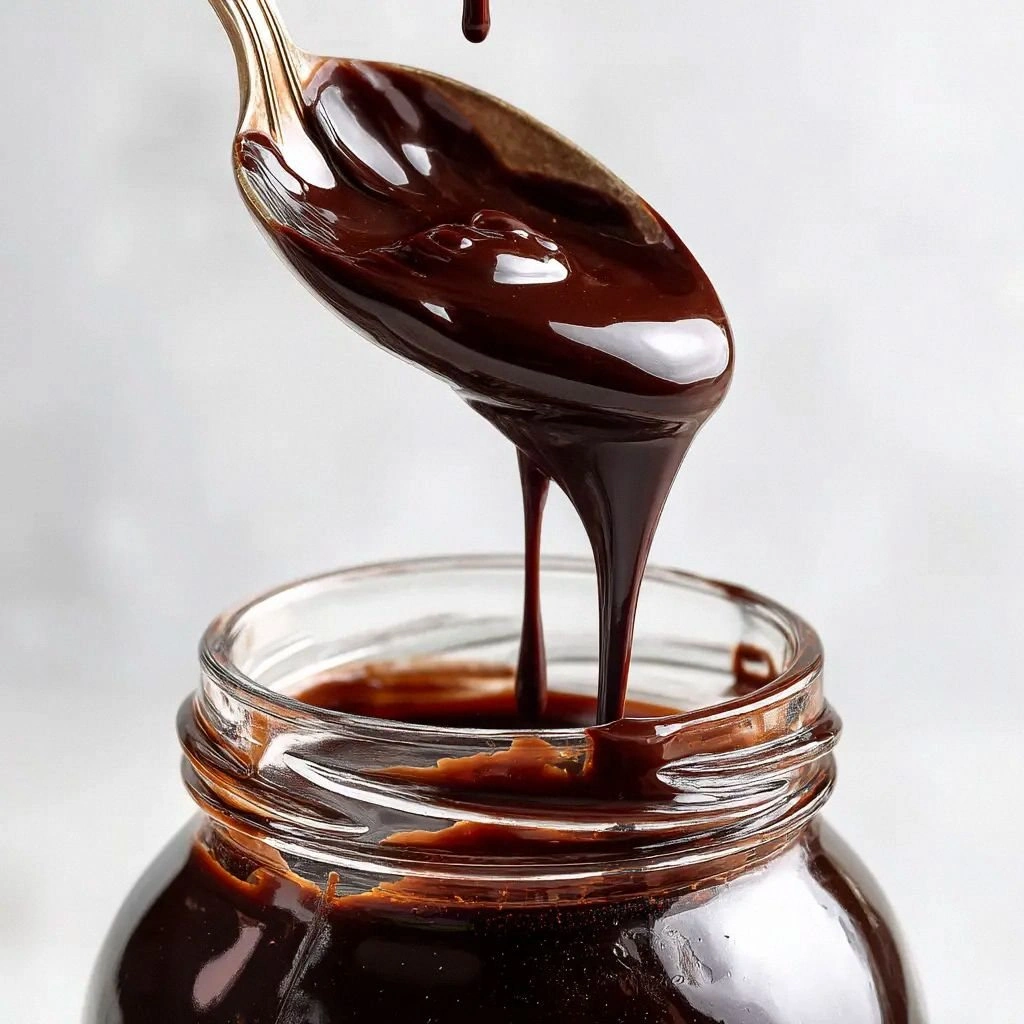
Melt a small amount of dark chocolate and drizzle it over the chilled cookies before serving. The ganache adds a glossy finish and an extra layer of chocolatey indulgence. It’s a simple way to elevate the presentation for guests.
Storing and Bringing It Back to Life
Fridge Storage
Store the cookies in an airtight container in the refrigerator for up to five days. The airtight seal prevents them from drying out and keeps the flavors intact. Before eating, let them sit at room temperature for five minutes to soften slightly.
Freezer Friendly
Wrap each cookie individually in plastic wrap and place them in a freezer bag. They’ll stay fresh for up to two months. Thaw at room temperature for 15 minutes before serving to regain the original texture.
Best Reheating Method
If you prefer a warmer cookie, place a single cookie on a microwave-safe plate and heat on low power for 10–15 seconds. Alternatively, toast them in a dry skillet over low heat for two minutes per side. A tiny splash of water before microwaving creates steam, keeping the cookie moist.