Picture this: I’m hunched over my stovetop, the kitchen looking like a battlefield after a failed attempt at a bland meatball casserole, when a friend dared me to “make something that actually kicks like a fiesta in a bowl.” I laughed, grabbed the nearest jar of harissa, and the rest is a deliciously chaotic story that ends with a plate of smoky, fiery meatballs dancing on a cloud of whipped feta. The air was thick with the smell of charred peppers and toasted spices, the kind of aroma that makes your stomach growl louder than a thunderstorm. My hands were slick with oil, the heat of the pan humming like a low bass note, and the first bite? It hit my tongue like a burst of sunrise over the Sahara—spicy, tangy, and comforting all at once.
That night, I realized most meatball recipes treat them like boring, overcooked footballs—dry, bland, and utterly forgettable. I wanted a version that would make people gasp, then immediately beg for seconds, and then think, “I could never make that at home.” So I turned to the bold, unapologetic flavor of harissa, paired it with the creaminess of whipped feta, and tossed in crunchy bell peppers and zucchini for texture that snaps like fresh green fireworks. The result? A dish that sings, shouts, and whispers all at the same time, delivering a flavor profile that’s both exotic and homey. I’m going to be honest — I ate half the batch before anyone else got a chance, and I’m not even sorry.
What makes this version truly unbeatable is the marriage of three things: the smoky heat of harissa, the silky tang of whipped feta, and the fresh crunch of veggies that keep each bite interesting. Most recipes get this completely wrong by either drowning the meatballs in sauce or leaving them dry as a desert. Here, the sauce clings to each ball like a velvety coat, while the feta adds a buttery lift that balances the fire. I dare you to taste this and not go back for seconds; the combination is so addictive it feels like culinary sorcery. And the best part? The technique is simple enough for a weekday dinner but impressive enough to wow guests at a dinner party.
Okay, ready for the game-changer? I’m about to reveal a secret step that most cooks overlook—a quick whip of feta with a splash of lemon that creates a cloud so airy it practically floats above the meatballs. This fluffy topping is the magic that turns an ordinary plate into a showstopper. Picture yourself pulling this out of the oven, the whole kitchen smelling incredible, and the first spoonful delivering that perfect contrast of heat and cool creaminess. Let me walk you through every single step — by the end, you’ll wonder how you ever made it any other way.
What Makes This Version Stand Out
- Flavor Explosion: Harissa brings a complex heat that’s smoky, slightly sweet, and peppery, while the whipped feta adds a tangy creaminess that tempers the spice without muting it.
- Texture Symphony: The meatballs stay juicy inside, the crust gets a crisp edge that shatters like thin ice, and the veggies add a satisfying crunch.
- Simplicity Meets Wow: Only a handful of pantry staples and the seven star ingredients are needed, yet the final dish feels like a five‑star restaurant plate.
- Unique Twist: Whipped feta isn’t just a garnish; it’s an integral component that creates a luxurious mouthfeel you won’t find in typical meatball recipes.
- Crowd‑Pleaser: Even the pickiest eaters love the balanced heat and the creamy finish, making it perfect for family meals or pot‑luck gatherings.
- Ingredient Quality: Using a good quality harissa paste and fresh, crumbly feta makes a world of difference—no shortcuts here.
- One‑Pan Efficiency: The meatballs and veggies roast together, saving time and cleanup while allowing flavors to meld.
- Make‑Ahead Friendly: You can prep the meatballs and sauce ahead of time, then finish the dish in under 15 minutes when you’re ready to serve.
Inside the Ingredient List
The Flavor Base
Harissa paste is the heart‑throb of this dish. It’s a North African blend of roasted red peppers, chilies, garlic, and spices that delivers a smoky heat you can’t replicate with ordinary chili powder. If you skip it, you’ll lose the depth that makes the sauce sing; a bland tomato base will never do. Look for a jar that lists real roasted peppers and a balanced spice mix—no artificial colors. If you can’t find harissa, a mix of smoked paprika, cayenne, and a dash of cumin can stand in, though the flavor won’t be quite the same.
The Texture Crew
Bell peppers and zucchini bring color, moisture, and that delightful snap. The peppers add a sweet crunch that offsets the heat, while the zucchini’s mild flavor and slight moisture keep the meatballs from drying out. Dice the peppers into bite‑size pieces; any larger and they’ll turn mushy, any smaller and they’ll burn. For zucchini, grate it and squeeze out excess water—this prevents the sauce from becoming watery.
The Unexpected Star
Whipped feta is the secret weapon that elevates this dish from ordinary to unforgettable. When you blend feta with a splash of lemon juice and a drizzle of olive oil, it transforms into a light, airy cloud that melts over the meatballs, cooling the spice just enough to keep you coming back for more. If you use a block of feta that’s too dry, the whip will be crumbly; always choose a fresh, creamy feta and let it sit at room temperature before blending.
The Final Flourish
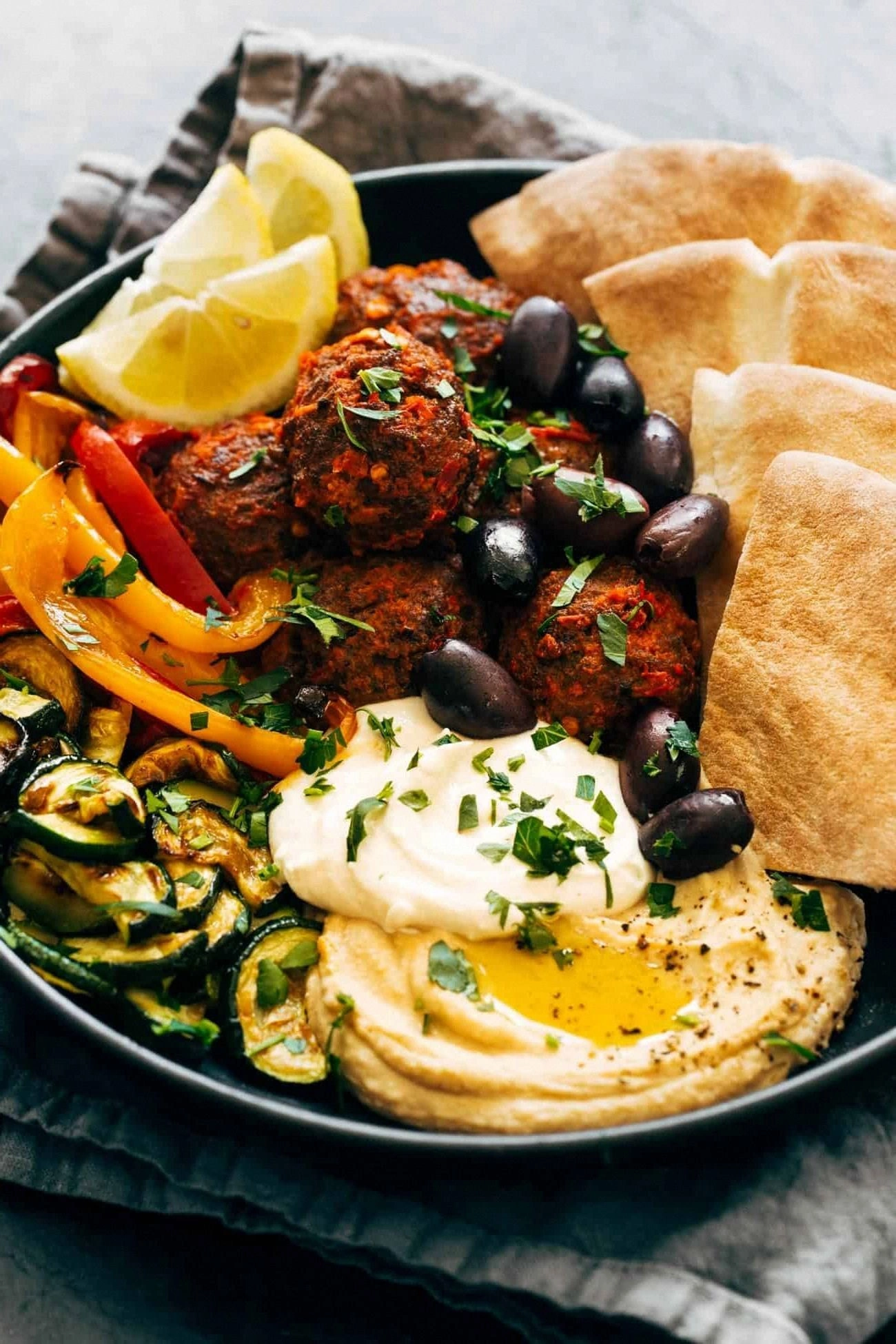
Pita and hummus round out the plate, offering a sturdy vehicle for scooping and a creamy backdrop that complements the harissa’s fire. Warm the pita just enough to make it pliable, then cut into wedges for easy serving. Hummus adds a subtle nuttiness and an extra layer of smoothness—think of it as the quiet friend who lets the bold ones shine.
Everything’s prepped? Good. Let’s get into the real action…
The Method — Step by Step
Preheat your oven to 425°F (220°C) and line a large baking sheet with parchment. While the oven warms, place the meatballs on a plate and set aside. This high heat will give the meatballs a caramelized crust—think of it as the perfect tan for your protein.
In a large skillet, heat two tablespoons of olive oil over medium‑high heat. Add the diced bell peppers and grated zucchini, sautéing until they start to soften and release a fragrant perfume that tells you they’re about 70% done. That sizzle when it hits the pan? Absolute perfection.
Stir in the harissa paste, coating the veggies thoroughly. Let it toast for about 30 seconds, allowing the spices to bloom—this step is pure magic, as the oil extracts the deep, smoky notes from the harissa.
Transfer the sautéed veggies and harissa to a shallow baking dish, spreading them out evenly. Nestle the meatballs among the vegetables, ensuring each ball has a little harissa‑kissed surface exposed. This arrangement guarantees even cooking and flavor absorption.
Slide the pan into the oven and roast for 20‑25 minutes, turning the meatballs halfway through. You’ll know they’re done when the edges pull away from the meatball and the sauce thickens, creating a glossy, caramel‑colored glaze.
Watch Out: Keep an eye on the harissa; if it starts to darken too quickly, cover the pan loosely with foil to prevent burning.While the meatballs finish, prepare the whipped feta. In a food processor, combine one cup of crumbled feta, the juice of half a lemon, a drizzle of olive oil, and a pinch of black pepper. Pulse until the mixture becomes creamy and airy—like a cloud of tangy goodness that will melt over the hot meatballs.
- Kitchen Hack: If your processor is too small, blend the feta in batches and fold the whipped portions together—this keeps the texture light.
When the meatballs emerge from the oven, give them a quick toss with the sauce to ensure every curve is coated. Then, dollop generous spoonfuls of the whipped feta over the top, allowing it to melt slightly into the warm sauce.
Warm the pita wedges in the oven for the last five minutes—just enough to become soft and pliable. Serve the meatballs on a platter surrounded by pita, a side of hummus, and a sprinkle of extra feta for garnish. The final presentation should look like a vibrant, inviting feast that beckons you to dive right in.
That’s it — you did it. But hold on, I’ve got a few more tricks that’ll take this to another level…
Insider Tricks for Flawless Results
The Temperature Rule Nobody Follows
Always preheat your oven at least 20 minutes before the meatballs go in. A fully heated oven creates an instant sear, locking in juices. I once tried to rush the process by turning the oven on at the last minute, and the meatballs turned out dry as the Sahara. Trust the heat; it’s the secret handshake between you and perfectly juicy meat.
Why Your Nose Knows Best
Smell is the first indicator of doneness. When the harissa‑veggie mixture starts to give off a deep, roasted fragrance, you’re on the right track. If you notice a sharp, burnt scent, lower the temperature or cover the pan. Your nose is a built‑in timer—listen to it.
The 5‑Minute Rest That Changes Everything
After the meatballs come out of the oven, let them rest for five minutes before plating. This short pause lets the juices redistribute, preventing them from spilling out the moment you cut into a ball. It’s a tiny step that transforms a good dish into a great one.
Whipped Feta Consistency Hack
For that cloud‑like texture, add a splash of cold water—about a tablespoon—while blending. The water lightens the mixture without diluting the flavor. Too much water, and you’ll lose the characteristic tang; just enough to make it airy.
Veggie Prep Pro Tip
Grate zucchini and then press it between paper towels to extract excess moisture. This prevents the sauce from becoming watery and ensures the veggies stay crisp. A friend once skipped this step and ended up with a soggy pan—lesson learned.
Creative Twists and Variations
This recipe is a playground. Here are some of my favorite ways to switch things up:
Smoky Chipotle Spin
Swap half of the harissa paste with chipotle in adobo for a deeper, smoky heat. The result is a smoky‑sweet profile that pairs beautifully with the feta.
Herb‑Infused Feta
Blend fresh mint or dill into the whipped feta for an herbaceous lift. This brightens the dish and adds a garden‑fresh note that cuts through the spice.
Roasted Eggplant Addition
Cube and roast a small eggplant alongside the peppers and zucchini. The eggplant’s silky texture adds a new dimension and soaks up the harissa beautifully.
Grain Bowl Version
Serve the meatballs over fluffy couscous or quinoa instead of pita. The grains absorb the sauce, turning each bite into a hearty, satisfying spoonful.
Vegan Make‑over
Replace meatballs with chickpea or lentil balls, and use a vegan feta alternative. The harissa and veggies remain the stars, proving the dish can be plant‑based without losing its soul.
Storing and Bringing It Back to Life
Fridge Storage
Allow the meatballs and sauce to cool to room temperature, then transfer them to an airtight container. They’ll keep for up to four days. When reheating, add a splash of water or extra harissa to revive the glaze.
Freezer Friendly
Freeze the cooked meatballs and sauce separately in zip‑top bags. They’ll hold up for three months. Thaw overnight in the fridge, then reheat in a skillet over medium heat, adding a drizzle of olive oil to prevent sticking.
Best Reheating Method
For the ultimate texture, reheat in a preheated oven at 350°F (175°C) for about 10 minutes, uncovered. The heat will recrisp the exterior while keeping the interior juicy. A quick splash of water before popping it in the oven creates a gentle steam that restores the sauce’s sheen.