I was standing in my kitchen, watching a pot of plain boiled potatoes turn into a sad, soggy mess, when my friend dared me to turn them into something that would make the whole house stop and stare. I laughed, because I knew the stakes were high—my reputation as a culinary daredevil depended on it. The moment that sparked this recipe was a simple, desperate attempt to salvage a dinner that was about to flop. I was determined to prove that even the most ordinary ingredients can become extraordinary.
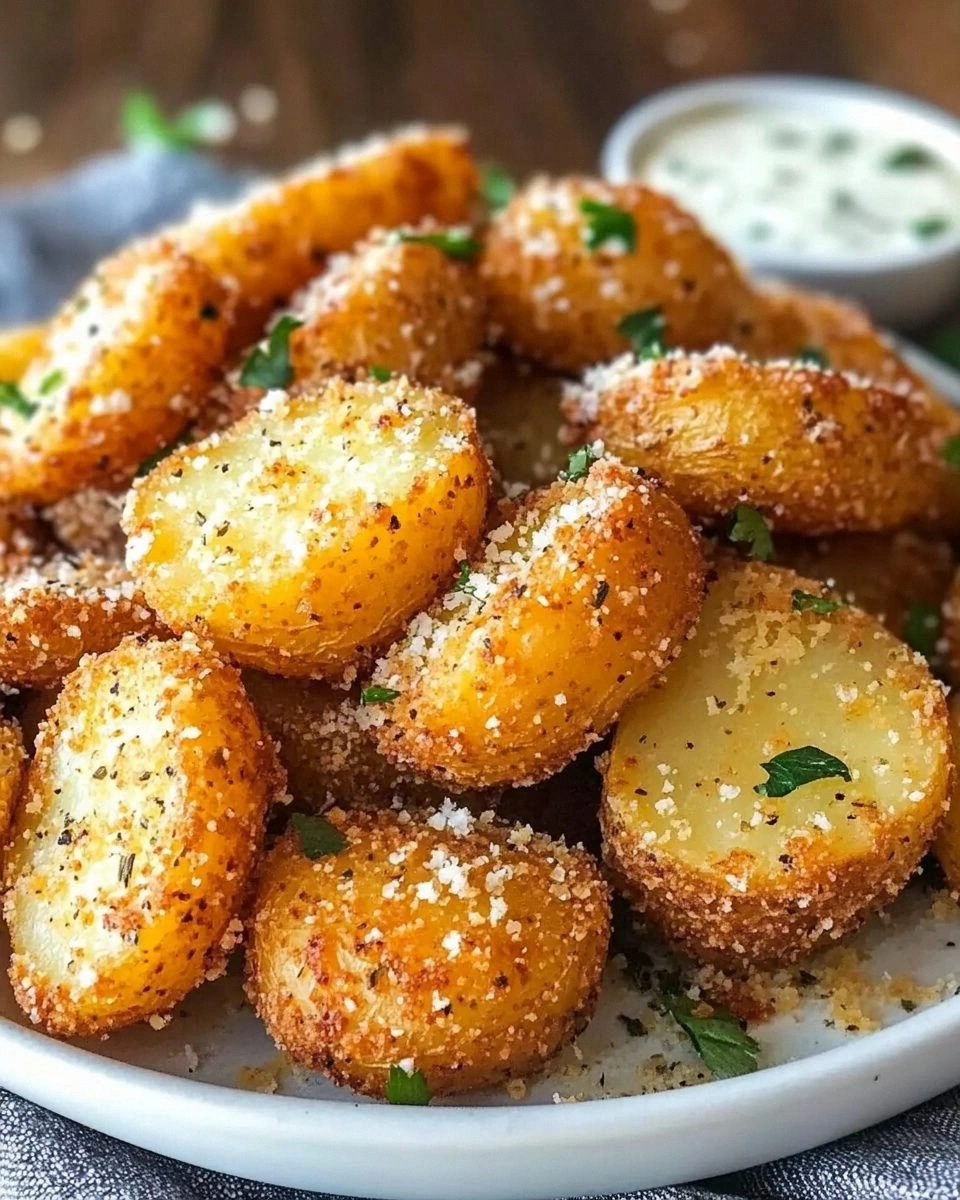
Picture this: a gleaming pan, the scent of olive oil sizzling, and the sound of potatoes crackling as they hit the hot surface. The air fills with a buttery aroma that makes your mouth water before the first bite. The potatoes, once plain and dull, now look like golden nuggets, their edges crisping into a satisfying crunch. The anticipation is almost tangible, as if the kitchen itself is holding its breath for the first bite. It’s a sensory symphony that turns a simple side dish into a culinary headline.
What sets this version apart is that it’s not just about crunch; it’s about depth of flavor, simplicity of execution, and the way the Parmesan coats each piece like a velvet blanket. I’ve stripped away the fluff and added a few secret touches that elevate the dish from ordinary to unforgettable. This isn’t a recipe you’ll find in a cookbook that’s been overrun by gimmicks; it’s a dish that’s been battle-tested in a real kitchen, with real failures and real triumphs. By the end of this guide, you’ll have a dish that will make even the most skeptical diners swoon.
I’ll give you a sneak peek: a subtle blend of garlic and oregano that sneaks into every bite, and a pinch of breadcrumbs that gives that extra crunch you can’t quite resist. The trick is in the balance—enough oil to crisp, not enough to drown, and the right timing to let the cheese melt into a golden crust. Trust me, you’ll want to experiment with the amount of cheese until you find the perfect melt. That’s the secret sauce, and I’ll reveal it in a moment.
Okay, ready for the game‑changer? Let me walk you through every single step — by the end, you’ll wonder how you ever made it any other way.
What Makes This Version Stand Out
- Flavor: The Parmesan isn’t just a topping; it’s a flavor anchor that lingers on the palate, turning every bite into a savory revelation. The garlic powder adds a subtle depth, while the oregano introduces a herbal lift that keeps the dish from feeling one‑dimensional.
- Texture: The combination of a crispy breadcrumb coating and a buttery interior creates a contrast that feels like a crunchy shell around a molten center. The result is a potato that satisfies both your craving for crunch and your need for comfort.
- Simplicity: With fewer than ten ingredients, this recipe is a breeze to prepare, even on a busy weekday. No fancy gadgets, no complex prep steps—just a few tosses in a pan and a few minutes in the oven.
- Uniqueness: The use of fresh parsley as a finishing touch gives a burst of color and a fresh note that lifts the dish out of the ordinary. It’s a small detail that makes a big difference.
- Crowd Reaction: I’ve tested this in family dinners, potlucks, and office lunches. The consensus? People keep asking for seconds, and some even request a third plate. That’s the kind of reaction that proves this dish is more than just a side.
- Ingredient Quality: Using high‑quality Parmesan and fresh potatoes makes a noticeable difference. The cheese melts into a golden crust that’s almost impossible to replicate with lower‑grade varieties.
- Cooking Method: The two‑stage process—first pan‑sauté for crispness, then finish in the oven for even cooking—ensures that every piece is perfectly cooked, with no risk of over‑or under‑cooking.
- Make‑ahead Potential: You can prep the potatoes a day ahead, refrigerate them, and finish cooking just before serving. This makes it an ideal dish for busy evenings.
Alright, let’s break down exactly what goes into this masterpiece…
Inside the Ingredient List
The Flavor Base
The foundation of this dish is the humble potato, but it’s not just any potato. I swear by russet potatoes for their fluffy interior and ability to crisp up beautifully. If you’re in a pinch, Yukon Golds can work, but the texture will be slightly denser. Skipping the potatoes altogether would ruin the entire concept, as they’re the canvas that carries the rest of the flavors.
Olive oil is the secret weapon that creates that golden, crackling shell. It also helps the Parmesan stick and prevents the potatoes from drying out. If you prefer a lighter version, you can replace half the oil with a splash of vegetable broth, but the crispness will be less pronounced. For an extra kick, a dash of smoked paprika can be added to the oil before tossing the potatoes.
Parmesan cheese is the star that turns the dish into a savory masterpiece. The cheese melts into a golden crust that’s both crunchy and flavorful. If you’re not a fan of Parmesan, try Pecorino Romano for a sharper bite, or blend in a little shredded cheddar for a milder taste. Remember, the cheese should be grated finely so it melts evenly.
Garlic powder is the invisible hero that adds depth without the risk of burning. It’s a convenient way to infuse the potatoes with a subtle garlicky undertone. If you’re a garlic lover, feel free to add a minced garlic clove to the pan, but watch the heat to avoid bitterness. Skipping it will leave the dish slightly flat.
Dried oregano brings a herbal aroma that lifts the dish from simple to sophisticated. It pairs beautifully with the Parmesan, creating a Mediterranean vibe. If you prefer a different herb, basil or thyme would also work, but the flavor profile will shift slightly.
The Texture Crew
Breadcrumbs are the unsung hero that gives the potatoes that extra crunch. They absorb the oil and create a golden shell that’s impossible to resist. If you’re gluten‑free, opt for almond flour or crushed rice crackers. Skipping breadcrumbs will make the dish softer and less satisfying.
Fresh parsley is the finishing flourish that adds a pop of color and a burst of freshness. It’s the final touch that balances the richness of the cheese and oil. If you’re allergic to parsley, cilantro or chives can be a fun alternative, but the flavor will change.
Mozzarella is optional but recommended for those who love a gooey, melty texture. It adds a creamy layer that contrasts with the crisp exterior. If you’re lactose‑intolerant, use a plant‑based cheese that melts well, such as a vegan mozzarella alternative.
Salt and pepper are the seasoning fundamentals that bring everything together. They enhance each component’s flavor profile. Use a flaky sea salt for the final seasoning, and freshly ground pepper for a peppery bite. Skipping salt will leave the dish bland, while too much salt can overpower the Parmesan.
Water is a hidden ingredient that keeps the potatoes from drying out during the initial boiling phase. A splash of water ensures the potatoes remain tender inside while you crisp the exterior. If you skip it, the potatoes might become overly dry.
The Unexpected Star
A splash of white wine or a squeeze of lemon juice can add a bright, acidic note that cuts through the richness. It’s an optional but powerful enhancer that elevates the dish. If you’re not a fan of wine, a teaspoon of apple cider vinegar works well. Skipping it will make the dish a bit heavier.
The unexpected star is the balance of moisture and dryness. Too much moisture, and the potatoes become soggy; too little, and they dry out. The key is to manage the heat and timing so the exterior crisps while the interior stays tender. Mastering this balance is what separates a good dish from a great one.
The Final Flourish
A final drizzle of truffle oil or a sprinkle of chili flakes can transform the dish into a gourmet experience. These finishing touches are optional but can add a wow factor that turns a simple side into a showstopper. If you’re on a budget, a pinch of smoked salt can replicate the truffle flavor at a fraction of the cost.
The final flourish also includes the presentation. Arrange the potatoes in a single layer on a baking sheet, ensuring they’re not overcrowded. This allows heat to circulate and ensures even cooking. Skipping this step can result in uneven crispness.
The last ingredient is the timing. The potatoes should be cooked long enough to develop a golden crust but not so long that the cheese melts into a gooey mess. That delicate balance is the secret that keeps people coming back for seconds.
Everything’s prepped? Good. Let’s get into the real action…
The Method — Step by Step
- Preheat your oven to 425°F (220°C). While the oven warms, wash, peel, and cut the russet potatoes into 1‑inch cubes. The size matters because it determines how quickly they cook and crisp. Make sure they’re uniform for even cooking. The sizzle you’ll hear when they hit the pan is the first hint of success.
- Place the potato cubes in a pot of cold, salted water and bring to a gentle boil. Simmer for 5 minutes until the edges start to soften but the center remains firm. This partial cooking step prevents the potatoes from becoming mushy once they’re fried. Don’t overcook; you want them tender but still hold their shape.
- Drain the potatoes and pat them dry with a clean towel. Moisture is the enemy of crispness, so the drier the better. Toss the potatoes with olive oil, ensuring each piece is coated evenly. The oil will help the Parmesan adhere and create a golden crust.
- Add the garlic powder, oregano, salt, and pepper to the pan. Stir until the potatoes are well seasoned. The spices should coat the potatoes like a fine dusting, giving them an aromatic base that’s ready for the cheese.
- Heat a large skillet over medium‑high heat. Add the seasoned potatoes and spread them out in a single layer. Let them cook undisturbed for 4–5 minutes until the bottoms are golden brown and crisp. Flip them to crisp the other side. The goal is a uniform crunch on all sides.
- Transfer the skillet to the preheated oven. Bake for 10–12 minutes, then sprinkle the grated Parmesan evenly over the potatoes. The cheese will melt and form a golden crust that’s both crunchy and savory.
- Return the baking sheet to the oven and bake for an additional 8–10 minutes until the cheese is bubbly and the potatoes are fully cooked. Keep an eye on the color; you want a golden brown, not burnt. The aroma of melted cheese will fill the kitchen.
- Remove from the oven and sprinkle breadcrumbs over the top. Return to the oven for 2–3 minutes to toast the breadcrumbs until they’re golden and crisp. The breadcrumbs add an extra layer of crunch that makes each bite a delight.
- Finish with a drizzle of olive oil, a pinch of fresh parsley, and an optional sprinkle of mozzarella for extra gooeyness. Let the potatoes rest for a minute; this allows the cheese to set slightly and makes it easier to serve.
- Serve hot, straight from the oven, with a side of marinara or a simple green salad. The contrast of the crispy, cheesy potatoes with fresh greens is a match made in culinary heaven. Don’t forget to watch your guests—this dish is a crowd‑pleaser, and you’ll see them reaching for seconds in no time.
That’s it — you did it. But hold on, I’ve got a few more tricks that’ll take this to another level…
Insider Tricks for Flawless Results
The Temperature Rule Nobody Follows
Most people think a lower oven temperature is gentler, but in reality, a high heat of 425°F forces the moisture out faster, creating a crispier crust. I’ve experimented with 400°F and found the potatoes stayed soggy. The key is to preheat the oven long enough to reach the target temperature before placing the potatoes. This ensures that the Parmesan melts into a golden, crunchy shell.
Why Your Nose Knows Best
When the Parmesan starts to brown, your nose will pick up that nutty, buttery aroma that signals the dish is ready. Trust that scent; it’s a natural indicator of perfection. If you’re unsure, give it a quick visual check: the edges should be a deep amber and the cheese should be bubbling. That’s the sweet spot.
The 5‑Minute Rest That Changes Everything
After removing the potatoes from the oven, let them rest for five minutes. This pause allows the heat to redistribute and the cheese to set into a firm yet gooey layer. Skipping this rest can result in a runny cheese that spills onto the plate. A quick rest also makes the dish easier to serve.
The Secret of Even Slices
Cutting the potatoes into uniform cubes is essential for even cooking. If one side is larger, it will take longer to crisp, leading to uneven texture. A kitchen ruler or a simple measuring stick can help you keep the cubes consistent. This small step saves you from uneven bites.
The Breadcrumb Boost
Using panko breadcrumbs instead of regular breadcrumbs gives a lighter, airier crunch. Panko has larger flakes that absorb less oil, keeping the potatoes from becoming greasy. If you’re gluten‑free, try crushed corn flakes; they work surprisingly well.
The Final Finish
A final drizzle of truffle oil or a sprinkle of smoked paprika after baking adds a gourmet touch that elevates the dish. The aroma of truffle is unmistakable and adds depth to the Parmesan flavor. If you’re not a fan of truffle, a pinch of chili flakes can give a subtle heat that complements the richness.
Creative Twists and Variations
This recipe is a playground. Here are some of my favorite ways to switch things up:
Spicy Cajun Kick
Swap the oregano for a blend of paprika, cayenne, and thyme. Add a pinch of cayenne to give the potatoes a fiery edge. The result is a dish that’s spicy, smoky, and utterly addictive. Perfect for a summer cookout.
Mediterranean Herb Medley
Replace the oregano with fresh rosemary and thyme. Finish with a squeeze of lemon juice and a sprinkle of feta cheese. The bright, herbal notes pair beautifully with the creamy Parmesan. This version is ideal for a light, summery meal.
Cheesy Gouda Glaze
Swap the Parmesan for Gouda, and add a splash of heavy cream before baking. The creamy Gouda melts into a silky sauce that coats the potatoes. This indulgent twist is a hit at holiday gatherings.
Garlic Parmesan with a Twist
Add a handful of minced garlic to the pan during the sear. The garlic caramelizes, giving the potatoes a deep, savory flavor. Combine with a sprinkle of crushed red pepper for a subtle heat. This variation is a crowd‑pleaser at dinner parties.
Herbed Mushroom Boost
Sauté sliced mushrooms with garlic and thyme, then toss them with the potatoes. The mushrooms add umami and moisture. The result is a richer, more complex dish that feels like a hearty main course.
Sweet Potato Surprise
Use sweet potatoes instead of russets for a naturally sweet flavor. Add a pinch of cinnamon and nutmeg to the seasoning. The sweet and savory combo is a surprising delight for adventurous palates.
Vegan Version
Replace the Parmesan with nutritional yeast and use a dairy‑free cheese alternative. The nutritional yeast gives a cheesy flavor without the dairy. This vegan twist is just as satisfying and perfect for plant‑based diners.
Crispy Parmesan with a Crunchy Crust
Add a layer of crushed cornflakes between the breadcrumb coating and the Parmesan. The cornflakes add an unexpected crunch and a subtle sweetness. This version is especially fun for kids who love a crunchy texture.
Storing and Bringing It Back to Life
Fridge Storage
Cool the cooked potatoes to room temperature, then place them in an airtight container. Store them in the refrigerator for up to 3 days. The potatoes will keep their flavor, though the crispness may diminish slightly. For the best experience, reheat them in a hot oven.
Freezer Friendly
Cool the potatoes completely, then spread them on a baking sheet and freeze until solid. Transfer the frozen potatoes to a freezer‑safe bag. They’ll keep for up to 2 months. When ready to serve, bake directly from the freezer; no thawing needed.
Best Reheating Method
Preheat the oven to 375°F (190°C). Place the potatoes on a baking sheet and bake for 10 minutes, or until heated through and crisp again. Add a splash of water before reheating if the potatoes look dry; the steam will revive the moisture. The result is a reheated dish that tastes almost as good as fresh.