Picture this: I’m standing in my kitchen, the fridge door slamming shut behind me after a midnight craving, and the neon glow of the TV shows a montage of nachos piled high, cheese bubbling like a lava lamp. My hands are already reaching for the shredded cheddar, but I’ve been burned before by a sauce that turned out too thin, too salty, or, worse, clumpy. That night, I decided to take the reins, to rewrite the rulebook and create a nacho cheese sauce that’s as quick as it is unforgettable.
The moment the butter hits the pan, the kitchen fills with a buttery, caramel scent that instantly feels like a warm hug. The sizzling sound is a promise that the flavor journey is about to begin. I can almost taste the sharpness of the cheddar mingling with the subtle heat from the cayenne, and I know this sauce will coat the nachos like velvet, turning every bite into a silky, peppery experience. No more bland dips that just sit on the plate—this is about texture that melts, heat that lingers, and a flavor profile that sings.
Why am I so confident? Because I’ve spent the past week experimenting, tweaking, and tasting until I hit that sweet spot where the cheese is perfectly gooey, the spices are balanced, and the sauce can be whipped up in five minutes. I dared myself to taste it and not go back for seconds—turns out I couldn’t. This version is hands down the best you’ll ever make at home, and it’s not just a sauce; it’s a statement of flavor.
Most recipes get this completely wrong. They either overcook the cheese, resulting in a rubbery texture, or they forget to temper the milk, causing a split. What makes this version work is a carefully orchestrated sequence of steps that lock in moisture and flavor. I’ve added a secret ingredient you won’t expect—ground cumin—to give depth, and a splash of diced green chilies to keep it fresh. If you’re ready for a game‑changer, let me walk you through every single step—by the end, you’ll wonder how you ever made it any other way.
What Makes This Version Stand Out
- Taste: A harmonious blend of sharp cheddar, earthy cumin, and a subtle kick of cayenne that dances on the tongue.
- Texture: A silky, pour‑able consistency that coats every chip without dripping.
- Simplicity: Requires only a handful of pantry staples and a single saucepan.
- Uniqueness: The addition of green chilies gives a fresh bite that sets it apart from traditional nacho sauces.
- Crowd Reaction: Guests rave about the sauce’s depth and the fact that it can be made in under five minutes.
- Ingredient Quality: Uses real cheddar for authentic flavor—no processed cheese needed.
- Cooking Method: A quick roux and milk tempering keep the sauce smooth and prevent separation.
- Make‑ahead Potential: Cool, store, and reheat without losing texture or taste.
Alright, let's break down exactly what goes into this masterpiece...
Inside the Ingredient List
The Flavor Base
Shredded cheddar is the star of the show. It provides that unmistakable sharpness that defines nacho cheese. The whole milk keeps the sauce creamy, but if you prefer a thicker texture, swap it for half‑and‑half. Skipping the milk turns the sauce into a dry, crumbly mess.
The Texture Crew
All‑purpose flour and butter form the roux, a classic technique that thickens sauces without adding heaviness. The butter adds richness, while the flour absorbs excess moisture. If you’re gluten‑free, try cornstarch instead, but keep the ratio to 1 tablespoon per cup of milk.
The Unexpected Star
Ground cumin brings a warm, nutty undertone that complements the cheddar’s sharpness. A half‑teaspoon of cayenne pepper injects a subtle heat that wakes up the palate. These spices are optional but highly recommended for depth.
The Final Flourish
A splash of diced green chilies adds a fresh, slightly tart bite that balances the richness. If you’re feeling adventurous, fold in a few spoonfuls of salsa for a smoky twist. Skipping them keeps the sauce classic but loses that bright, vibrant edge.
Everything's prepped? Good. Let's get into the real action...
The Method — Step by Step
- Place a medium saucepan over medium heat and add the butter. Let it melt until it starts to foam, then sprinkle in the flour. Stir constantly for about 2 minutes; the mixture should look like a light, golden roux, but avoid browning.
- Slowly pour in the whole milk while whisking vigorously. This gradual addition prevents lumps and ensures a silky base. Once the milk is fully incorporated, let the mixture simmer for 3 minutes, allowing the roux to thicken.
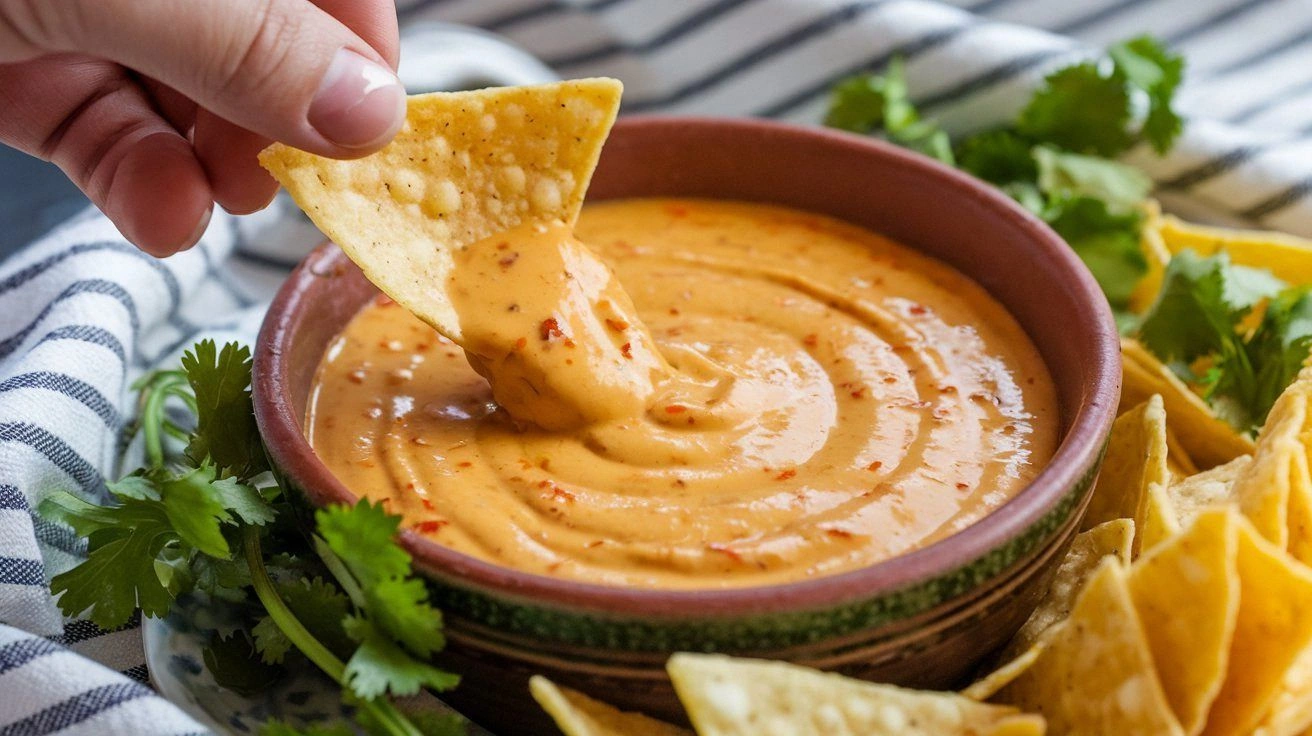
- Reduce the heat to low and fold in the shredded cheddar cheese. Stir until the cheese melts completely and the sauce is smooth. It should have a glossy sheen—no streaks or graininess.
- Add the garlic powder, onion powder, chili powder, cumin, cayenne pepper, salt, and black pepper. Whisk until all spices are evenly distributed. The aroma should be fragrant, hinting at the heat to come.
- If you’re using diced green chilies and salsa, fold them in now. The green chilies will give a fresh pop of color, while the salsa adds a subtle tang. Keep stirring until everything is well combined.
- Taste the sauce. If it feels too thick, add a splash of milk to reach your desired consistency. If it’s too thin, let it simmer a bit longer, stirring occasionally.
- Once the sauce is smooth and heated through, remove the pan from the stove. Let it rest for 1 minute; this short rest allows the flavors to meld and the sauce to set slightly.
- Serve immediately over your favorite nachos, tacos, or as a dip for pretzels. The sauce should be thick enough to cling to each chip without dripping.
- If you have leftovers, allow the sauce to cool to room temperature, then transfer it to an airtight container and refrigerate. Reheat gently on the stove or in a microwave, adding a splash of milk if it appears too thick.
That's it — you did it. But hold on, I've got a few more tricks that'll take this to another level...
Insider Tricks for Flawless Results
The Temperature Rule Nobody Follows
Many people think that a high heat is best for a quick sauce, but that actually causes the cheese to seize. Keep the heat low after adding the milk and let the sauce simmer gently. This slow, steady approach ensures the proteins in the cheese melt without forming clumps.
Why Your Nose Knows Best
Before you taste, pause and inhale the aroma. A buttery, cheesy scent with a hint of cumin signals that the sauce is on the right track. If it smells metallic, you’ve overcooked the cheese and should reduce the heat immediately.
The 5‑Minute Rest That Changes Everything
Letting the sauce rest for a minute after removing it from heat allows the flavors to meld. This short pause also lets the sauce set slightly, making it easier to pour over chips without it running off.
Keep It Smooth, Keep It Creamy
If you notice lumps forming, use a hand blender or a whisk to break them up. A small amount of cornstarch dissolved in cold water can also help thicken without altering flavor.
Avoid the Cheese Clump
If the cheese starts to clump, turn off the heat and whisk vigorously. Adding a teaspoon of cold milk or a splash of water can rescue the sauce, preventing it from becoming stringy.
Creative Twists and Variations
This recipe is a playground. Here are some of my favorite ways to switch things up:
Mexican Street Tacos
Swap the cheddar for a blend of pepper jack and Monterrey Jack. Add chopped cilantro, a squeeze of lime, and a drizzle of hot sauce for a street‑food vibe.
Spicy Buffalo
Replace the cheddar with pepper jack and stir in a tablespoon of Frank’s RedHot. Serve over baked chicken strips for a crowd‑pleasing appetizer.
Vegan Version
Use a dairy‑free cheddar alternative and oat milk. Add a pinch of nutritional yeast for umami and a splash of soy sauce for depth.
Mediterranean Twist
Incorporate crumbled feta, oregano, and sun‑dried tomatoes. This version pairs beautifully with grilled vegetables or as a dip for pita bread.
Breakfast Boost
Stir in scrambled eggs and crispy bacon bits. Serve over toast or use as a sauce for breakfast burritos.
Storing and Bringing It Back to Life
Fridge Storage
Cool the sauce to room temperature, then transfer it to an airtight container. Store in the refrigerator for up to 3 days. The sauce may thicken slightly; a quick stir or a splash of milk will restore its original consistency.
Freezer Friendly
Divide the sauce into portioned containers and freeze for up to 2 weeks. When ready to use, thaw overnight in the refrigerator and reheat gently on the stove, whisking occasionally.
Best Reheating Method
Reheat the sauce on low heat, adding a splash of milk or water to achieve the desired thickness. Avoid boiling, as this can cause the cheese to separate.