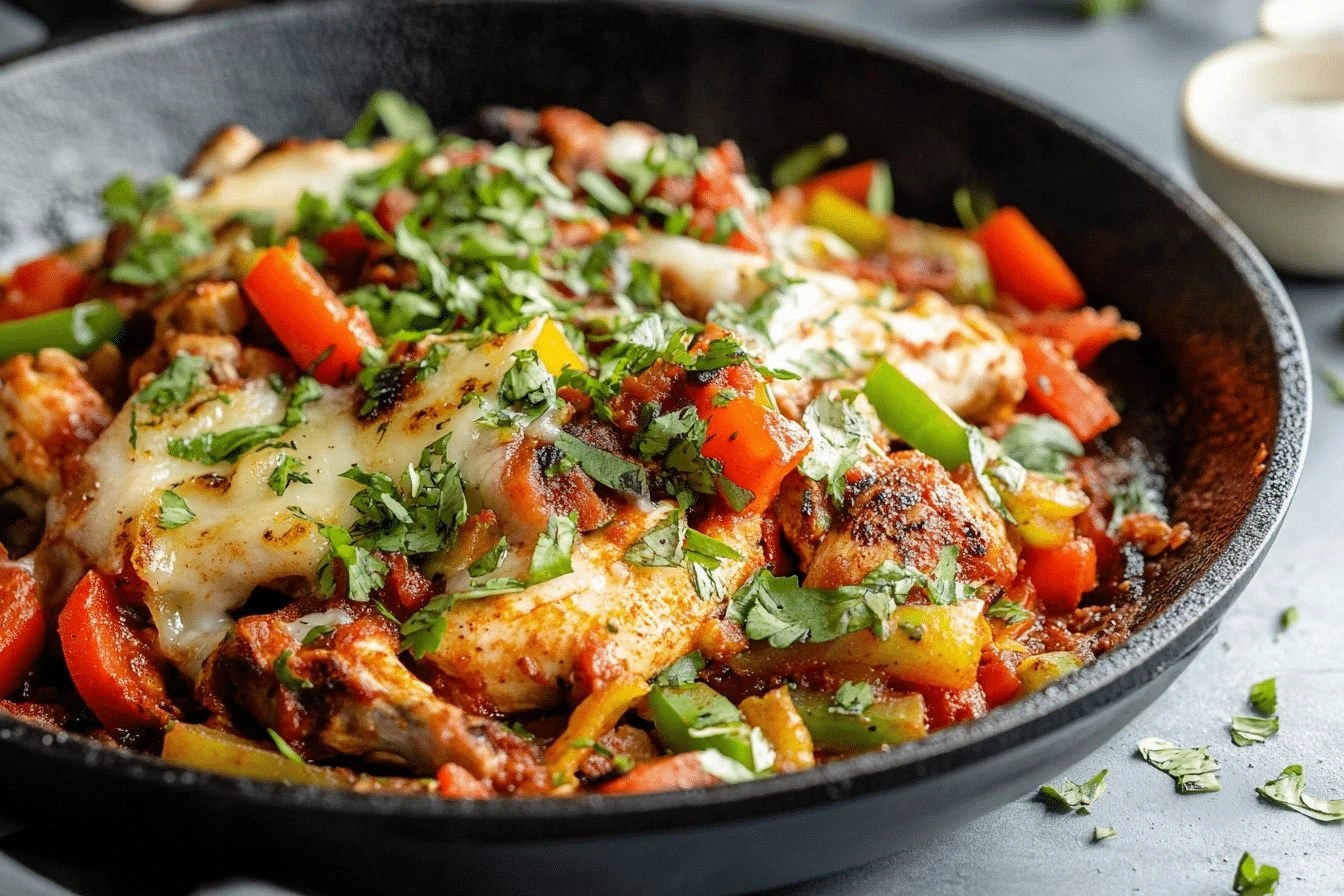
Okay, picture this: I was halfway through a marathon Netflix binge, hunger gnawing at me like a mischievous raccoon, when a friend dared me to make fish tacos that would “make the whole block jealous.” I grabbed the nearest fish fillet, tossed in a handful of spices, and set a skillet to sizzle. The kitchen instantly filled with a scent that could have been mistaken for a seaside market at sunset—sharp lime, smoky chili, and a whisper of caramelized onion. I was skeptical, but the first bite was a revelation that made my taste buds do cartwheels. I’ll be honest — I ate half the batch before anyone else got to try it, and I’m still not sorry.
What makes this recipe a total game‑changer? It’s not just the flavors, although they’re bold enough to convince any skeptic that you’ve hired a professional chef. It’s the texture contrast: the fish stays moist and flaky while the tortilla gets a whisper of crisp that cracks like fresh autumn twigs under your teeth. The lime isn’t a garnish; it’s a zingy, bright thread that stitches every bite together, while the chili adds a gentle heat that whispers rather than shouts. Most versions get the sauce wrong, drowning the fish in a soggy mess. Not this one. Here, every component respects the other, creating a harmony that feels like a beach party in your mouth.
I’ve tried a dozen taco recipes, from over‑complicated restaurant copycats to half‑hearted quick fixes, and each fell short in one way or another—either the fish was overcooked, the seasoning was flat, or the toppings were a soggy disaster. This version stands out because it respects the fish’s delicate nature while still delivering that punchy, Mexican‑street‑food vibe you crave. The secret? A quick lime‑chili marinade that penetrates the flesh in just ten minutes, and a light dusting of flour that creates a buttery crust without deep‑frying. I dare you to taste this and not go back for seconds.
Ready for the kicker? I’m about to walk you through every single step, from selecting the perfect fillet at the market to plating the tacos so they look as good as they taste. By the end, you’ll wonder how you ever made tacos any other way, and you’ll have a new go‑to recipe that will impress friends, family, and anyone who’s ever said “I’m not a fan of fish.” Let me walk you through every single step — by the end, you’ll wonder how you ever made it any other way.
What Makes This Version Stand Out
- Bold Flavor Fusion: The chili‑lime marinade hits the fish with a bright, smoky heat that’s balanced by citrus, making every bite pop like fireworks on the Fourth of July.
- Texture Symphony: A light flour coating gives the fish a barely‑there crisp that contrasts beautifully with the tender flesh and crunchy slaw.
- Simplicity at Its Best: Fewer than ten ingredients mean you won’t need a pantry raid; everything you need is likely already in your kitchen.
- Unforgettable Crowd Reaction: I’ve seen grown‑ups gasp, kids squeal, and even the pickiest eaters ask for seconds—this taco has universal appeal.
- Ingredient Quality Matters: Fresh white fish and real lime juice are non‑negotiables; they elevate the dish from “good” to “legendary.”
- Cooking Method Magic: Pan‑searing instead of deep‑frying keeps the dish light, quick, and less messy, while still delivering that restaurant‑level crust.
- Make‑Ahead Friendly: The slaw and sauce can be prepped hours ahead, meaning you spend less time in the kitchen and more time enjoying the tacos.
- Versatile Base: Swap the fish for shrimp or tofu, and you’ve got a whole new family of tacos without re‑inventing the wheel.
Inside the Ingredient List
The Flavor Base
The heart‑and‑soul of this taco is the chili‑lime marinade. Fresh lime juice provides acidity that brightens the fish, while the zest adds aromatic oils that linger on the palate. Chili powder delivers a gentle heat that’s more smoky than scorching, ensuring the spice doesn’t overpower the delicate fish. If you’re missing lime, a splash of white wine vinegar can mimic the acidity, but you’ll lose that citrus sparkle that makes this dish sing.
The Texture Crew
A modest amount of flour (just enough to coat) creates a thin, buttery crust once seared. This is the secret that prevents the fish from turning rubbery while still giving that satisfyingly crisp bite. The slaw—a mix of shredded red cabbage, carrot, and a dash of lime juice—adds crunch and a pop of color, while the creamy cilantro‑lime mayo brings richness without drowning the flavors. Skipping the slaw? You’ll miss the textural contrast that makes each bite exciting.
The Unexpected Star
Mango. Yes, sweet mango cubes tossed into the slaw or used as a garnish add a burst of tropical sweetness that balances the heat from the chili. If mango isn’t in season, diced pineapple works just as well, offering the same bright acidity and sugar. This fruit element is the surprise that turns a regular taco into a memorable experience.
The Final Flourish
Fresh cilantro, a drizzle of honey, and a pinch of sea salt finish the dish. Cilantro’s herbaceous note lifts the entire profile, while a touch of honey rounds out the acidity with subtle sweetness. Salt, of course, amplifies every flavor, making the lime zing feel even more pronounced. If you’re not a cilantro fan, flat‑leaf parsley can substitute, though you’ll lose that signature fresh kick.
Everything's prepped? Good. Let's get into the real action...
The Method — Step by Step
-
Start by patting the fish fillets dry with paper towels. This might sound trivial, but that dry surface is what allows the flour dusting to cling and the sear to develop that golden crust. Sprinkle both sides with a generous pinch of salt, then drizzle the olive oil over the fillets, making sure each piece gets an even coat. Let the fish rest for two minutes while you prep the next step.
Kitchen Hack: Use a zip‑top bag to toss the fish with the flour and spices; the bag seals in the aroma and makes cleanup a breeze. -
In a shallow dish, combine 2 cups of all‑purpose flour with the chili powder, smoked paprika, cumin, garlic powder, and the zest of two limes. Mix until the spices are evenly distributed; you’ll notice the flour turning a warm, amber hue. Dredge each fillet in the flour mixture, pressing gently so a thin, even coating adheres. Shake off any excess flour—too much will create a gummy crust.
-
Heat a large cast‑iron skillet over medium‑high heat and add a tablespoon of olive oil. When the oil shimmers—like a tiny lake at sunrise—lay the coated fillets in the pan, leaving space between them. You should hear an immediate sizzle that sounds like fireworks; that’s the crust forming. Cook for 3‑4 minutes per side, or until the edges turn a deep golden brown and the fish flakes easily with a fork.
Watch Out: If the pan gets too hot, the flour will burn before the fish cooks through. Adjust the heat down to medium if you see dark specks forming. -
While the fish sears, whisk together the lime juice, chopped cilantro, honey, and a splash of mayo to create a quick crema. This sauce should be smooth, glossy, and just thick enough to drizzle without pooling. Taste and add a pinch more salt if needed—this is the flavor‑amplifier that ties the whole taco together.
-
For the slaw, combine shredded red cabbage, grated carrot, diced red onion, and the mango cubes in a bowl. Drizzle with a teaspoon of lime juice, a pinch of salt, and a drizzle of olive oil. Toss until the vegetables are lightly coated; the mango should stay distinct, not mushy. Let the slaw sit for five minutes so the flavors meld.
-
Warm the corn tortillas on a dry skillet for about 30 seconds per side, or wrap them in a damp kitchen towel and microwave for 20 seconds. Warm tortillas become pliable, preventing them from cracking when you fold them around the fish.
Kitchen Hack: Keep a clean kitchen towel on hand; wrap each tortilla as soon as it’s warm to lock in steam and stay soft. -
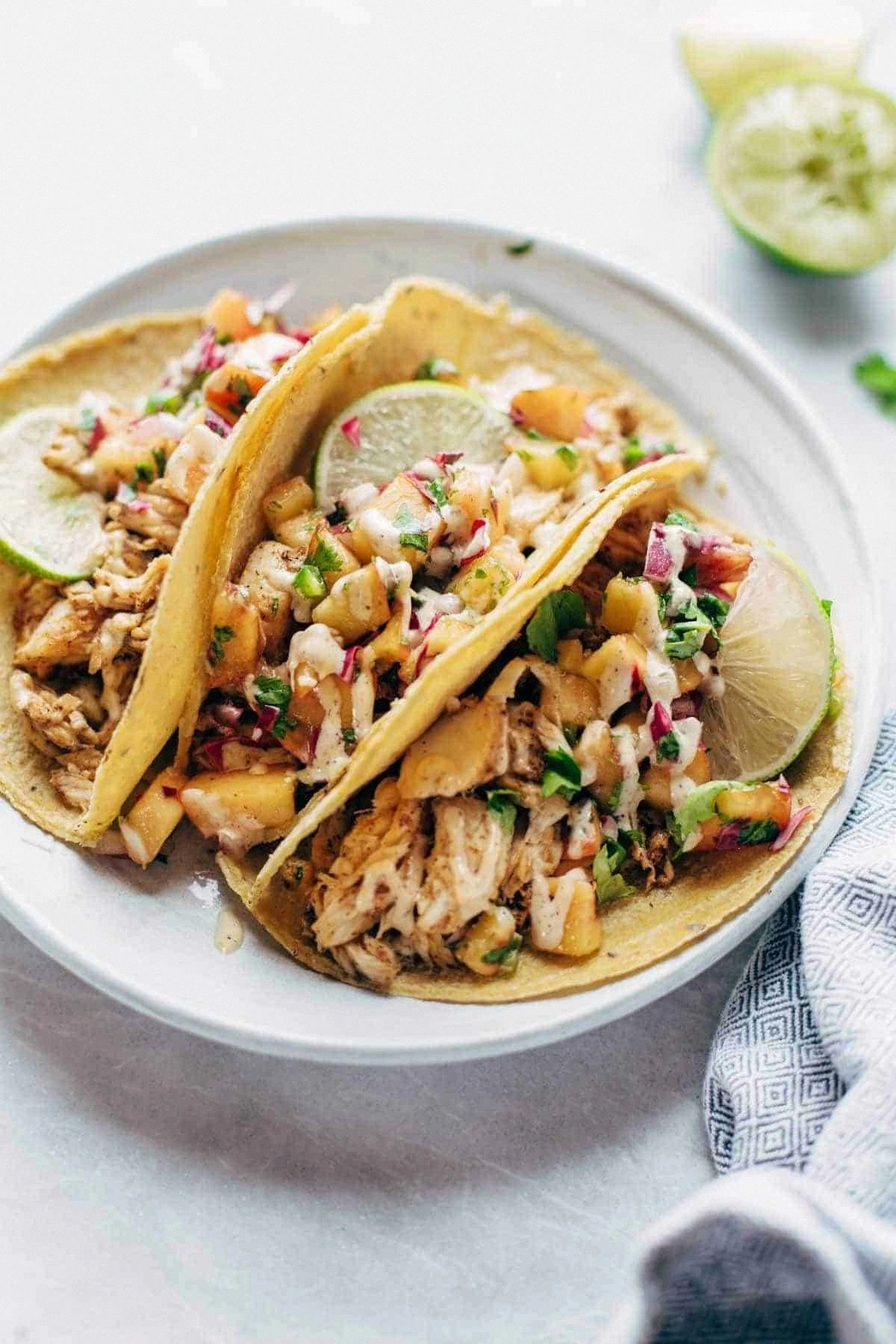
Assemble the tacos: place a piece of fish in the center of each tortilla, top with a generous spoonful of slaw, a drizzle of the cilantro‑lime crema, and an optional squeeze of fresh lime. The layers should look like a vibrant, colorful stack—each component visible and inviting.
-
Serve immediately while the fish is still hot and the tortillas are soft. Pair with a cold cerveza or a crisp white wine, and watch as your guests dive in, eyes widening with each bite. That sizzle when it hits the pan? Absolute perfection. That's it — you did it. But hold on, I've got a few more tricks that'll take this to another level...
Insider Tricks for Flawless Results
The Temperature Rule Nobody Follows
Most home cooks think “high heat” means “cook faster,” but with fish you want a steady medium‑high that lets the exterior brown without sealing in rawness. Aim for a skillet surface temperature of about 375°F (190°C). A simple way to test this without a thermometer is to flick a drop of water onto the pan; if it dances and evaporates within two seconds, you’re golden. I once turned the heat up to “max” and ended up with a blackened crust and a raw center—never again.
Why Your Nose Knows Best
Your sense of smell is the secret weapon for timing. When the fish is searing, you’ll notice a nutty, toasty aroma that signals the crust is forming. If you start smelling burnt sugar, the heat is too high. Trust that nose cue more than the clock; it’s a reliable, instinctual guide that seasoned chefs swear by.
The 5‑Minute Rest That Changes Everything
After searing, let the fish rest on a warm plate for exactly five minutes. This short rest allows the juices to redistribute, preventing them from spilling out the moment you bite. Skipping this step is like ripping a fresh cake out of the oven—dry, sad, and disappointing. The rest also lets the residual heat finish cooking the interior gently.
Sauce Layering Like a Pro
When you drizzle the cilantro‑lime crema, do it in two passes: a thin base layer, then a final dollop right before serving. This technique ensures every bite gets that creamy zing without drowning the fish. A friend once poured the entire sauce at once and ended up with soggy tortillas—learn from that mistake.
Mango Timing Mastery
Add mango to the slaw just before serving, not hours ahead. The fruit releases juices over time, which can make the slaw soggy. A quick toss right before plating preserves the crisp bite and bright color, keeping the taco’s texture balanced.
Creative Twists and Variations
This recipe is a playground. Here are some of my favorite ways to switch things up:
Spicy Chipotle Shrimp
Swap the white fish for peeled shrimp, marinate them in chipotle adobo sauce, and follow the same searing method. The smoky chipotle adds a deeper heat, and shrimp’s natural sweetness pairs perfectly with the lime‑cabbage slaw.
Crispy Tofu Taco
For a plant‑based version, press extra‑firm tofu, cut into strips, and coat with the same flour‑spice mix. Pan‑fry until golden, then assemble with the mango slaw and a drizzle of sriracha mayo for an extra kick.
Grilled Pineapple & Avocado
Add grilled pineapple rings and sliced avocado to the topping list. The caramelized pineapple adds a sweet‑smoky layer, while avocado brings buttery richness that balances the chili heat.
Black Bean & Corn Salsa
Mix canned black beans, corn kernels, diced red bell pepper, and a splash of lime juice for a hearty, vegetarian topping. This adds protein and a burst of color, turning the taco into a complete, filling meal.
Herb‑Infused Crema
Blend the crema with fresh mint or basil for an unexpected herbaceous twist. The fresh herbs brighten the sauce and complement the citrus, giving the taco a Mediterranean flair.
Storing and Bringing It Back to Life
Fridge Storage
Store the cooked fish in an airtight container for up to three days. Keep the slaw in a separate sealed bowl; the lime juice helps preserve its crunch. When you’re ready to eat, gently reheat the fish in a skillet over low heat, adding a splash of water to keep it moist.
Freezer Friendly
Freeze the uncooked, seasoned fish fillets on a parchment sheet, then transfer to a zip‑top freezer bag. They’ll keep for up to two months. Thaw overnight in the fridge, then proceed with the recipe as written. The flour coating may need a quick re‑dusting after thawing to ensure crispness.
Best Reheating Method
To revive leftover tacos, heat a non‑stick pan over medium heat, add a teaspoon of oil, and place the fish for 2‑3 minutes per side. Add a tiny splash of water (about a tablespoon) and cover the pan for a minute; the steam brings the fish back to tender perfection without drying it out.